
Beavers Bend glamping is less about one standard type of accommodation and more about choosing how much comfort you want alongside a forest setting. Around Broken Bow and Hochatown, cabin-style stays are a familiar option, while any furnished tent or other unusual rental deserves a close look at its actual amenities. Start with your preferred balance of indoor comfort and outdoor time, then compare locations, seasonal suitability, and the full estimated cost.
What Glamping Looks Like Around Beavers Bend
In this area, a comfortable cabin can fill the same role as glamping: real beds, shelter from weather, and easy access to outdoor recreation without hauling a full campsite setup. Listings may also use the glamping label for other accommodation styles, but the term itself does not guarantee plumbing, climate control, or a private bathroom.
Read the amenity list carefully and confirm anything essential directly with the property. Ask whether bedding, towels, cookware, drinking water, heating, and cooling are included. Outdoor features such as a fire pit or hot tub should be verified rather than assumed. Photos can suggest privacy that the site does not actually provide, so check spacing, road noise, and the surrounding setting.
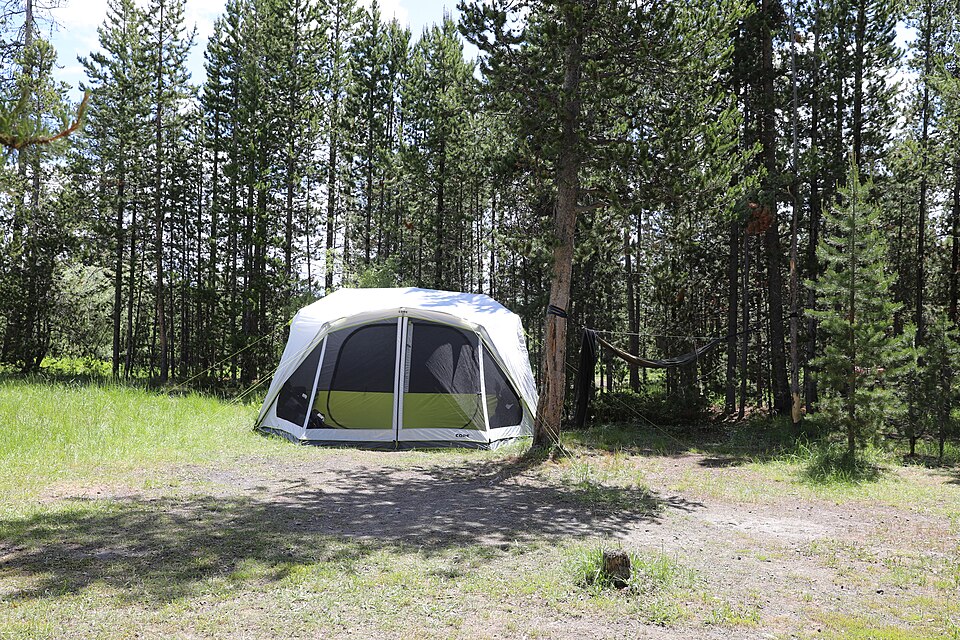
Where to Stay: Hochatown, Broken Bow, and Beyond
Hochatown and the area north of Broken Bow are logical starting points for stays oriented toward Beavers Bend State Park and Broken Bow Lake. Look at the actual map location rather than relying on a broad Broken Bow mailing address. A rental tucked into the woods may still require a drive to reach trails, groceries, or a public lake access point.
Broken Bow offers a more town-oriented base, while Idabel can work for travelers whose route or lodging preferences point farther south. Texarkana is primarily a regional arrival gateway rather than the closest base for repeated park outings. Confirm road surfaces, parking, and directions before booking, especially if you are arriving after dark or bringing a trailer.
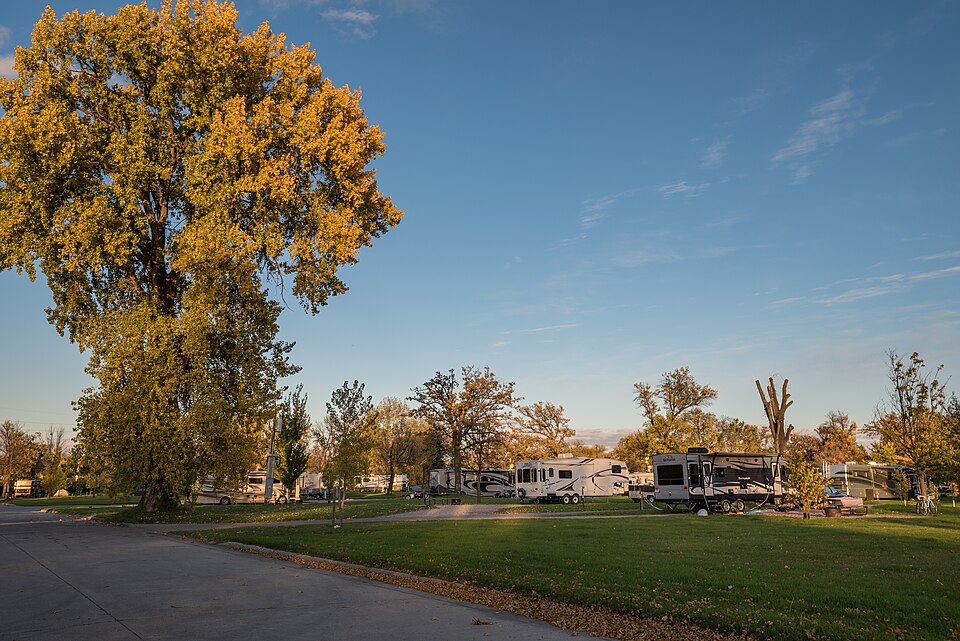
Choose a Season That Matches the Accommodation
Spring and fall are appealing for glamping because porch time, short hikes, and outdoor meals often fit more comfortably into the day. Still, rain and cool nights make reliable shelter and appropriate bedding important. Summer can work well for lake-focused trips, but air conditioning matters much more in an enclosed cabin than a listing's cozy decor.
For tent-style lodging, ask how ventilation, storms, and temperature swings are handled. Winter stays call for confirmed heating, weather-aware driving plans, and an understanding of any seasonal water-system limitations. Start checking availability well ahead of holidays and popular weekends. Use official park information for current conditions and park reservations, and confirm private accommodation policies directly.
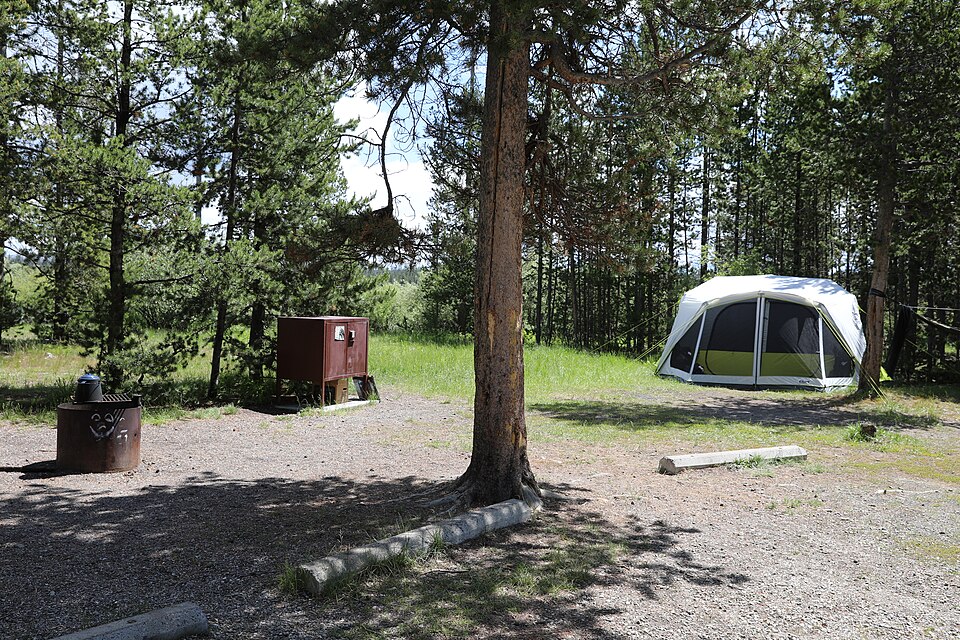
What to Pack Even When the Bed Is Provided
Bring practical outdoor basics even if your accommodation feels closer to a small house than a campsite. Useful items include sturdy walking shoes, rain layers, a refillable water bottle, insect repellent, sun protection, and a headlamp for moving around outside after dark. Add warmer layers for spring and fall evenings and any personal medications you need.
For lake plans, pack swimwear, quick-drying clothes, and towels unless the property specifically supplies extras for outdoor use. Confirm cooking equipment before planning meals, and bring food-storage containers to keep supplies secured. Download directions and relevant maps before arrival. If you hope to use a fire pit, check property rules and current burn restrictions, and follow local firewood guidance.
Glamping vs. Tent Camping vs. an RV Stay
Glamping or a furnished cabin reduces setup work and can be convenient for mixed-age groups, but its estimated nightly cost is often higher than a basic campsite. Tent camping brings you closer to the outdoor setting and may keep lodging costs lower if you already own gear, while leaving you more exposed to heat, rain, and cold.
An RV provides a familiar sleeping space, but site size, hookups, access roads, and towing logistics matter. RV rental and fuel expenses can outweigh campsite savings. Compare full estimated trip totals, not just nightly rates, including cleaning fees, gear, food, and transportation. Check official park reservation information for campsite details and confirm private lodging or RV-site amenities directly.