
Bar Harbor glamping is less about staying on a remote beach and more about pairing an outdoor-style overnight with access to Acadia and nearby coastal towns. Around Mount Desert Island and the mainland approaches, accommodations may range from furnished tents to cabins and other compact structures. Availability and amenities vary, so compare the actual sleeping setup, bathrooms, weather protection, and driving distance rather than relying on the glamping label alone.
What Glamping Looks Like Near Bar Harbor
Glamping usually means you arrive to a prepared sleeping space rather than pitch your own tent. Depending on the property, that might include a real bed, linens, electricity, outdoor seating, or a small kitchenette. None of those features is universal. A furnished tent can still mean shared bathrooms, no heat, and a walk outside after dark.
Read the accommodation details carefully and look for clear information about showers, drinking water, cooking equipment, parking, and bedding. Ask whether the structure locks, how it handles heavy rain, and whether children or pets are allowed. Do not assume an Acadia park campground provides furnished accommodations; verify campsite facilities separately through official park information. Nightly costs vary substantially with season, comfort level, and location.
Compare Mount Desert Island and Mainland Bases
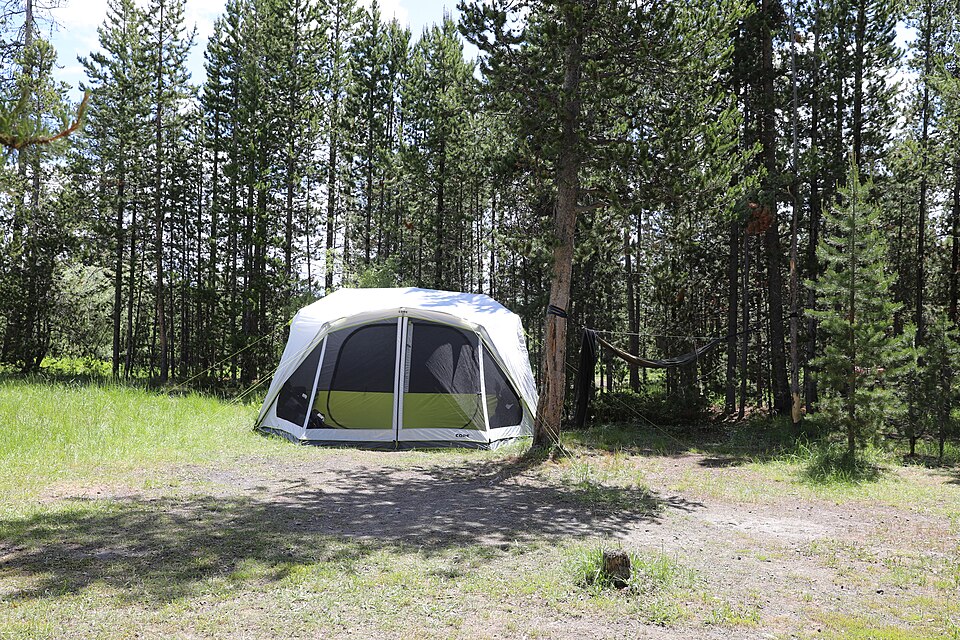
For access to Bar Harbor and Acadia's eastern sights, compare outdoor lodging around the Bar Harbor side of Mount Desert Island. Staying near town can shorten some outings, but an address labeled Bar Harbor does not necessarily mean you can walk downtown. Check the mapped location and actual route to your planned park stops.
Southwest Harbor and nearby western-island areas suit travelers spending more time on that side of Acadia. Trenton and Ellsworth are mainland areas worth including in a broader accommodation search, though daily park visits involve additional driving. Bangor is generally better treated as a regional travel gateway than a close park base. Verify available accommodation types rather than assuming every area offers furnished tents or luxury cabins.
Choose a Season and Reserve Around Your Priorities
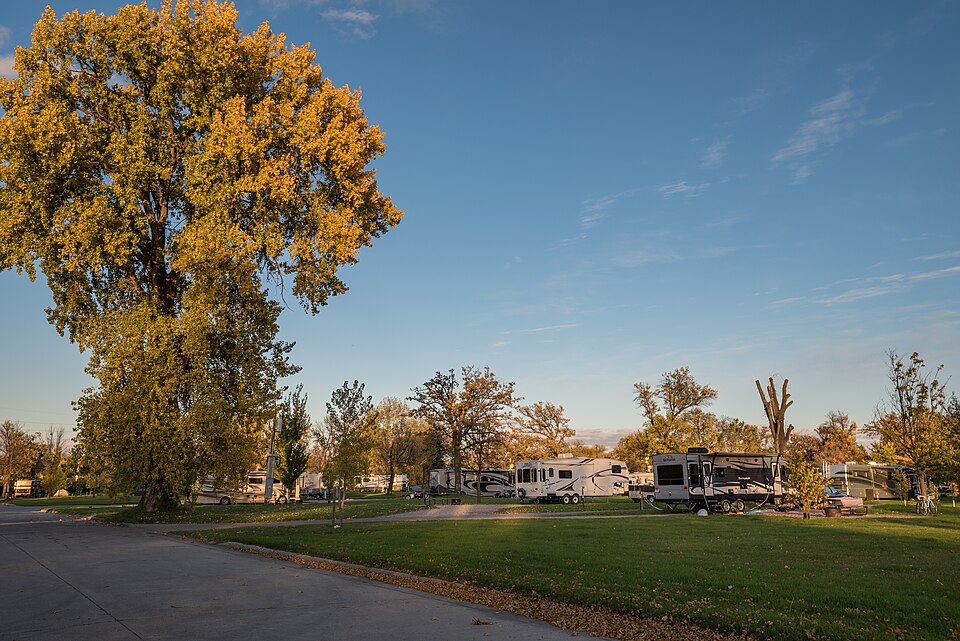
Summer is the simplest starting point for an outdoor-style stay, with longer days and more visitor services operating. Even then, coastal nights can be cool and damp. September and October appeal to travelers who enjoy crisp evenings, but heating becomes a more important detail as temperatures drop. Many outdoor lodging options operate seasonally.
For summer weekends and foliage periods, start searching several months ahead when possible. Confirm cancellation terms, minimum stays, and whether amenities operate throughout your dates. Spring can bring mud and chilly nights; winter requires a property explicitly equipped and open for those conditions. Before reserving around park activities, check the official Acadia National Park website for seasonal access, current conditions, and any required reservations.
Pack for Damp Air, Cool Nights, and Outdoor Living
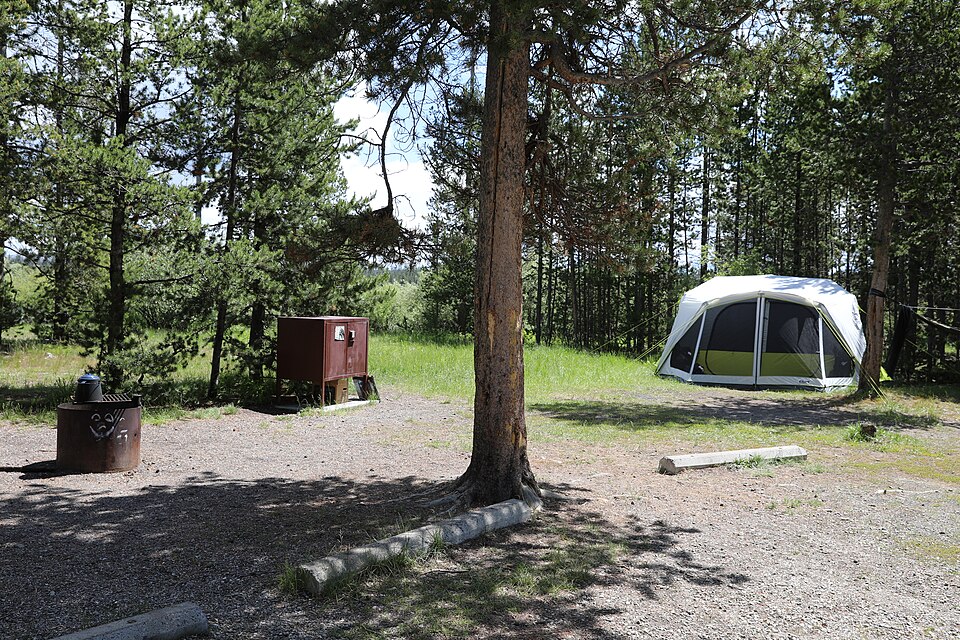
Bring layers you can combine: a warm midlayer, rain jacket, comfortable hiking clothes, and sturdy footwear suited to wet or uneven ground. A headlamp is useful for reaching shared bathrooms, and a spare pair of shoes helps keep your sleeping area cleaner. Sun protection and insect repellent remain worthwhile even when the forecast looks cool.
Before packing kitchen supplies or bedding, confirm exactly what the property provides. You may need towels, cooking utensils, food storage, or extra blankets, but do not assume personal heaters or cooking appliances are allowed. Follow property rules for fires and food storage, buy firewood locally where appropriate, and check current restrictions. Download directions and park information in case mobile reception is inconsistent.
Glamping vs. Tent Camping vs. an RV Stay
Choose glamping if your priority is an outdoor setting without transporting a full sleeping setup. It often costs more than a basic campsite, but the comparison depends on included bedding, bathrooms, kitchens, and fees. Traditional tent camping generally requires more gear and setup, while giving you greater control over your equipment and campsite routine.
An RV can provide familiar sleeping and cooking space, but rentals, fuel, campsite charges, and hookup needs change the overall budget. Larger vehicles also require careful route and parking planning in Acadia. Compare total trip costs rather than nightly rates alone. For park campgrounds, use the official NPS website to confirm facilities, vehicle limits, seasonal dates, and reservation procedures; private properties have their own policies.