
Glamping near Badlands National Park usually means looking beyond park campgrounds for a furnished outdoor stay or a cabin-style base in the surrounding region. The appeal is simple: spend your days among rock formations and prairie, then return to a bed and fewer camp chores. Comfort levels vary widely, so focus less on the label and more on the bathroom, climate control, road access, and distance to your preferred park entrance.
What Glamping Looks Like Around the Badlands
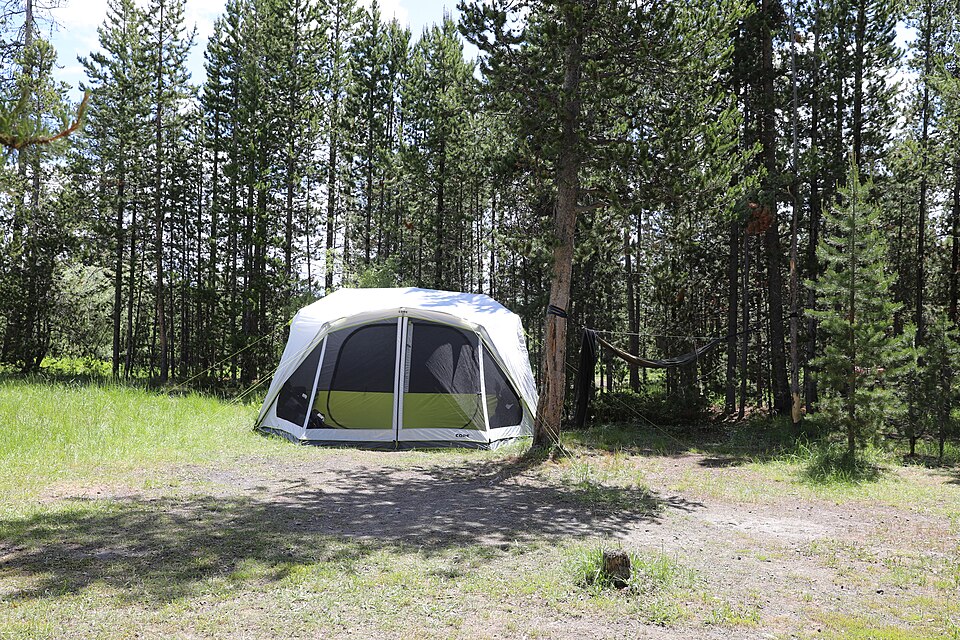
Use glamping as a search category, not a promise of specific amenities. Regional listings may include furnished tents, small cabins, or other outdoor-oriented accommodations, but not every option will be close to the national park. A real bed does not necessarily come with a private bathroom, running water, air-conditioning, or a kitchen.
Before reserving, confirm exactly what is included: bedding, towels, electricity, heating, cooling, cooking equipment, and bathroom access. Ask whether the unit is hard-sided or fabric-sided and how guests receive weather updates. Review cancellation terms and any minimum stay requirements. Nightly costs vary by season, size, and amenities; compare the complete estimated total, including cleaning and other listed fees, rather than only the headline rate.
Where to Search: Wall, Interior, and Beyond
Start your search around Wall if you want Interstate 90 access and a convenient approach to the western end of Badlands Loop Road. Look around Interior if your plans center on the Ben Reifel Visitor Center and the southeastern trail area. In both cases, verify the property’s map location rather than assuming a Badlands label means it is just outside an entrance.
Rapid City and the Black Hills gateway area around Keystone broaden the search but place you farther from the park. Those locations can work for a combined regional trip, though repeated sunrise drives become less appealing. Confirm the final access road’s surface and suitability for your vehicle, especially when a listing describes a remote or secluded setting.
Choose a Season That Matches Your Accommodation
Late spring and early fall are appealing for outdoor lodging because daytime exploring is often more comfortable than in midsummer. Nights can still be cold, particularly in exposed prairie settings, so check whether heating is available and appropriate for the accommodation. Some properties operate seasonally; confirm your dates directly rather than relying on an old listing.
Summer can work well with reliable cooling or a plan to spend hot afternoons elsewhere. Fabric-sided units may heat up during the day and transmit wind noise at night. For colder-season travel, a well-equipped hard-sided stay is often more practical than a tent-style setup. Whatever the month, review the forecast and ask your host about their procedures during severe weather.
Where to sleep
Harvest Hosts stays on the way to Badlands National Park
Partner link · Harvest Hosts
Pack for Prairie Wind, Sun, and Changing Temperatures
Bring layered clothing, a warm outer layer, a rain shell, a brimmed hat, sunglasses, and sunscreen. Grippy walking shoes are useful on uneven ground, and an extra pair helps if rain turns the soil muddy. Pack refillable water containers and enough drinking water for your outings; confirm whether your accommodation supplies potable water before arrival.
A headlamp, power bank, binoculars, and offline maps make the stay easier. Add food storage containers and only the cooking equipment your host permits. Check local fire restrictions before planning a campfire, and never use a fuel-burning stove or heater inside a tent unless the equipment and setup are specifically designed and approved for that use. Secure loose belongings when wind rises.
Glamping vs. Tent Camping vs. an RV Stay
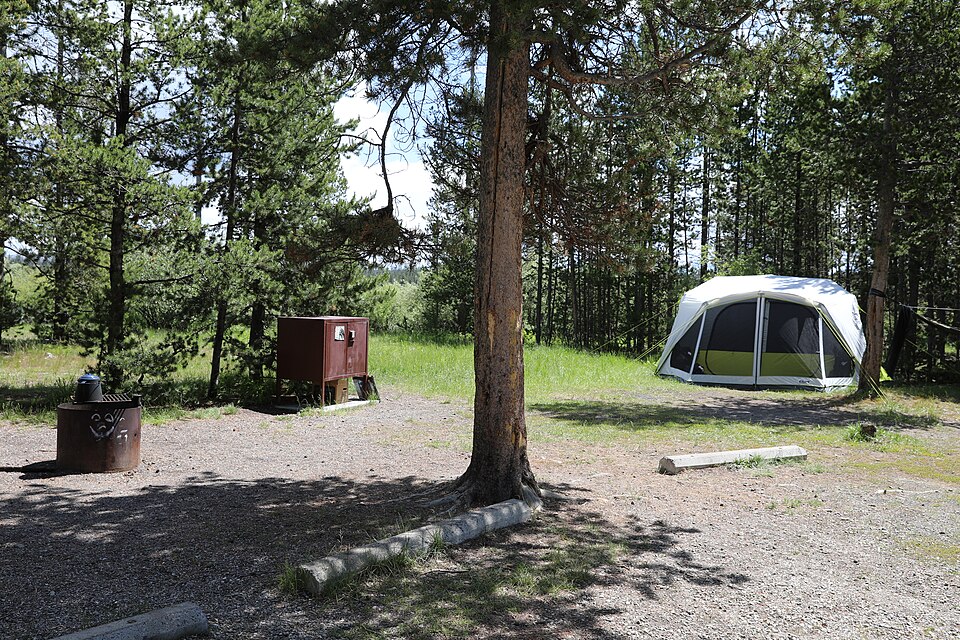
Glamping suits travelers who want outdoor atmosphere without transporting a full campsite. It generally costs more than a basic tent site, though amenities differ enough that direct comparisons require checking the details. Traditional camping offers more control over your setup and may lower lodging costs, but you supply the shelter, bedding, and most everyday comforts.
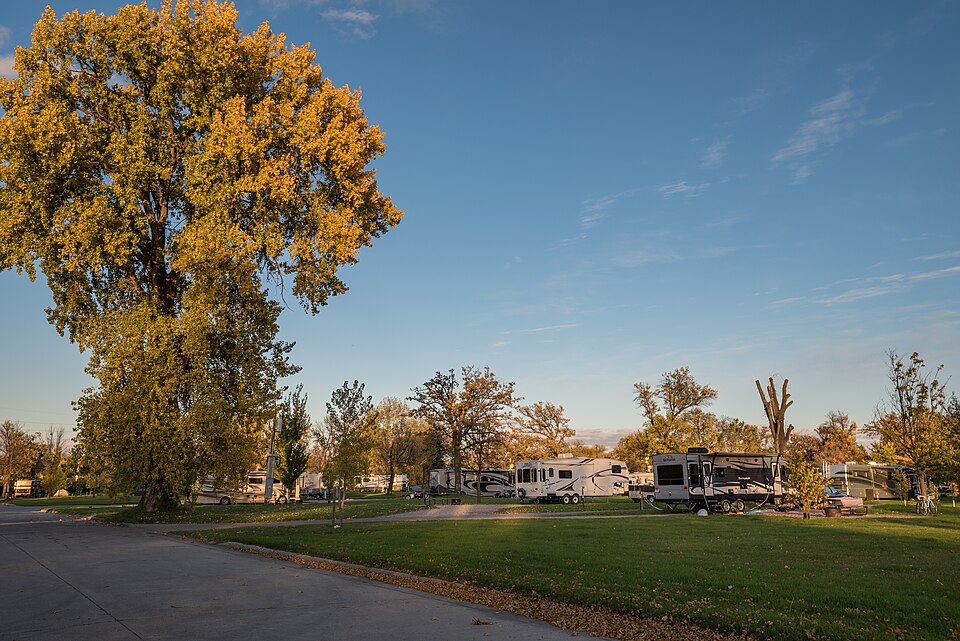
An RV adds hard-sided shelter and familiar living space, along with fuel costs, site-size considerations, and possible hookup needs. Park campgrounds and private properties do not all provide the same services. Check the official Badlands National Park NPS site for current park camping arrangements, reservations, restrictions, and conditions; confirm private accommodation details with the host. Choose based on how you want to spend your evenings, not just the lodging label.