
Allegheny National Forest glamping is best approached as a search for a comfortable forest-area base, not an assumption that furnished tents line every reservoir campground. Look around Warren, Bradford, and Kane for cabins and other equipped outdoor stays, then verify exactly what each property provides. A real bed and weather protection can make a hiking weekend easier, but bathrooms, cooking facilities, road access, and distance to the forest vary widely.
What Glamping Can Mean in This Area
Use the word glamping as a starting point, then read the actual accommodation description. A rustic cabin, a furnished tent, and a small vacation rental can deliver very different experiences even when all are marketed as outdoorsy stays. Do not assume a listing includes linens, indoor plumbing, heat, air conditioning, or a kitchen simply because it has a comfortable-looking bed.
The key distinction is between private lodging near the forest and public campgrounds within it. Developed national forest camping does not automatically mean furnished accommodations or hotel-style services. Check the precise location, bathroom arrangement, potable water, cooking equipment, and parking access before booking. Ask about steps and walking surfaces if mobility is a consideration, and confirm pet rules directly.
Choose Your Gateway: Warren, Bradford, or Kane
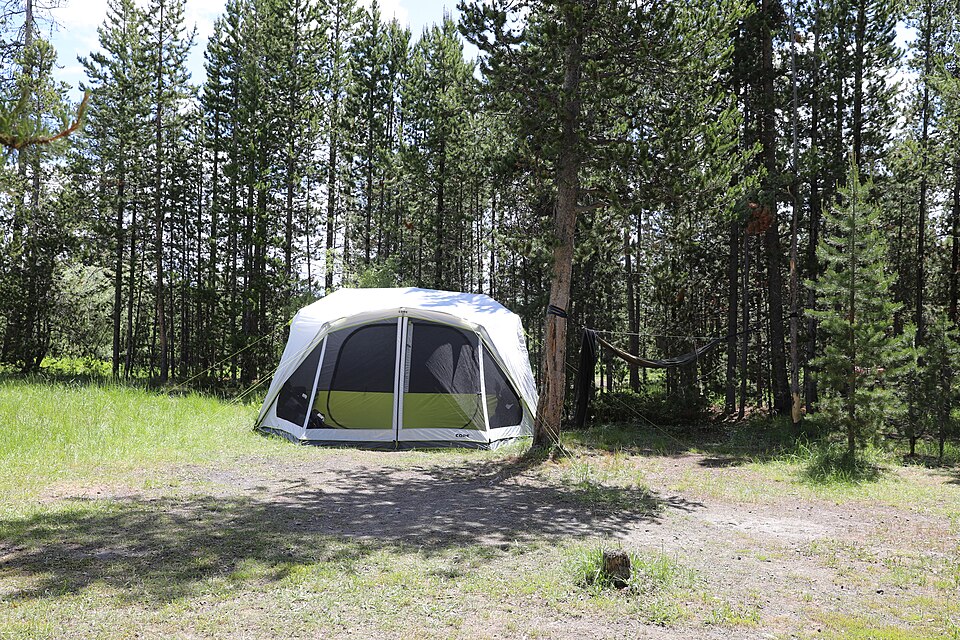
Warren is a practical starting point for a trip focused on Kinzua Dam and the southern reservoir area. Bradford works well for travelers approaching from the northeast or flying through Bradford Regional Airport. Kane provides another useful gateway for forest outings, particularly when you want a town-based stop alongside time in the woods.
Search around these towns and their surrounding rural areas rather than assuming that an accommodation described as near the forest sits beside your chosen trailhead. The national forest covers a large area, and winding roads can make map distances misleading. Compare actual driving routes to two or three priority activities before committing. Confirm whether the final approach is paved or gravel and suitable for your vehicle.
Pick a Season and Check Comfort Features
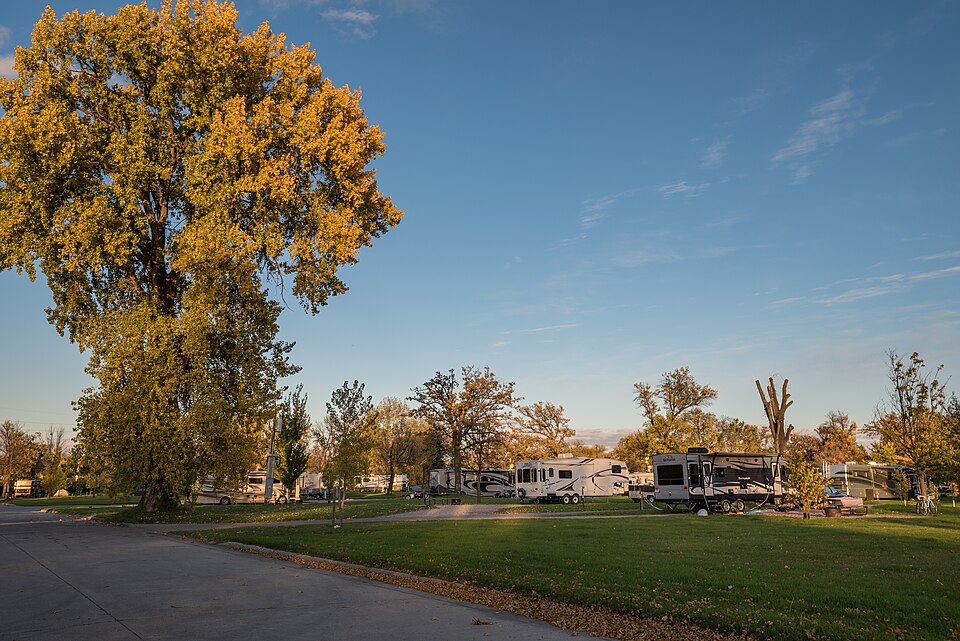
May through October is the broadest planning window for a glamping-style hiking trip. Summer suits reservoir outings, but a furnished tent can still feel warm and humid without ventilation. Screens and fans matter, while shaded settings may stay damp after rain. For spring and fall, reliable heat and dry indoor space can matter more than decorative extras.
Autumn weekends can be popular, so start checking availability once your dates are known. Winter stays require more scrutiny: confirm that the property operates then, that access is maintained, and that heating and plumbing are appropriate for cold weather. Ask about cancellation terms and weather-related access policies. Check official Forest Service notices separately, since an open rental does not mean nearby recreation facilities are open.
Where to sleep
Harvest Hosts stays on the way to Allegheny National Forest
Partner link · Harvest Hosts
Pack for the Outdoors, Not Just the Bed
Bring sturdy walking shoes, a rain shell, warm layers, insect repellent, and sun protection regardless of how comfortable the lodging appears. A headlamp is useful for paths between sleeping areas, bathrooms, and parking. Download maps before arrival, and carry a power bank rather than relying on uninterrupted cellular coverage or convenient outlets.
Build the rest of your packing list from the property's confirmed inventory. You may need bedding, towels, cooking utensils, drinking water, or a cooler even at an equipped stay. Store food and trash according to host instructions and local wildlife guidance. If fires are allowed, check current restrictions and use locally sourced firewood consistent with applicable rules. Never use fuel-burning stoves or grills inside sleeping spaces.
Glamping vs. Tent Camping vs. an RV Stay
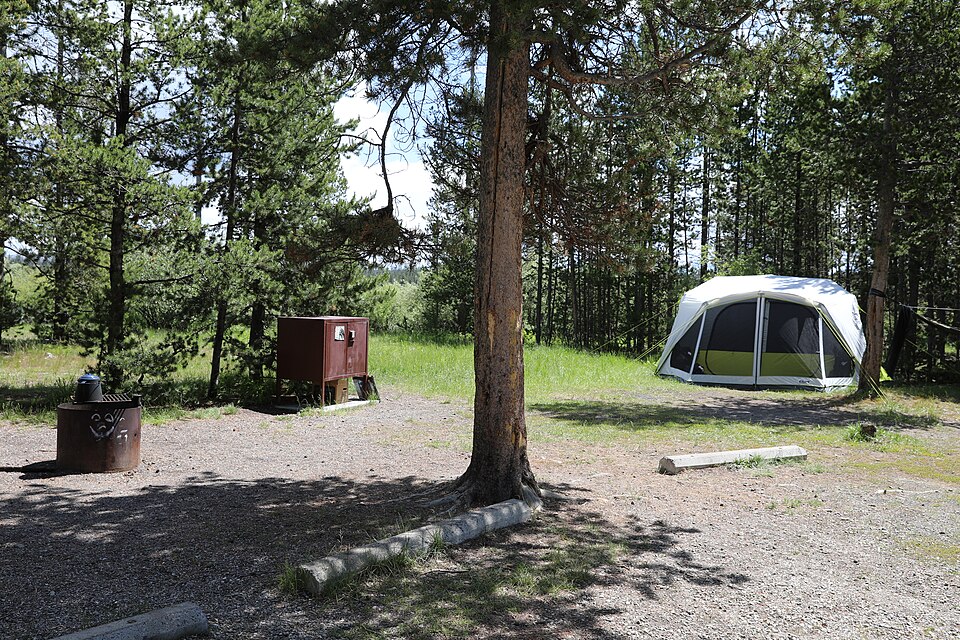
Choose glamping or a cabin when reducing setup time and carrying less sleeping gear matter most. Tent camping usually offers a simpler, lower-cost base if you already own equipment and are comfortable managing wet weather. An RV adds your own living space, but site length, hookups, dump access, and road suitability need advance checking; not every forest campground provides the same services.
Compare total trip costs rather than the advertised nightly rate. As a rough expectation, equipped private lodging generally costs more than a basic campsite, while RV rental and fuel can change the comparison considerably. Verify cleaning charges, minimum stays, and included amenities directly. Use the official Allegheny National Forest website for public campground details and current reservation links.