
The best time to visit Allegheny National Forest depends on whether you want warm afternoons on the reservoir, quiet woodland walks, or a weekend of fall color. May through October is the easiest planning window for most camping and hiking trips, although spring mud, summer thunderstorms, and chilly fall nights all deserve attention. Choose your season first, then build a flexible route from Warren, Bradford, or Kane around current conditions.
Spring: Greener Woods and Quieter Trails
Spring arrives gradually in northwestern Pennsylvania, with cool mornings, frequent rain, and trails that can remain muddy after the snow disappears. Early spring is better suited to flexible scenic drives and short walks than a tightly scheduled camping trip. By May, fresh leaves and longer daylight make the forest especially inviting for hiking.
Expect stream crossings and low spots to change after rain, and avoid widening trails by walking around muddy sections. Pack waterproof footwear, a rain shell, and warm layers even when the forecast looks mild. Some developed recreation facilities operate seasonally, so check the official Allegheny National Forest website before relying on a campground, restroom, or water supply.
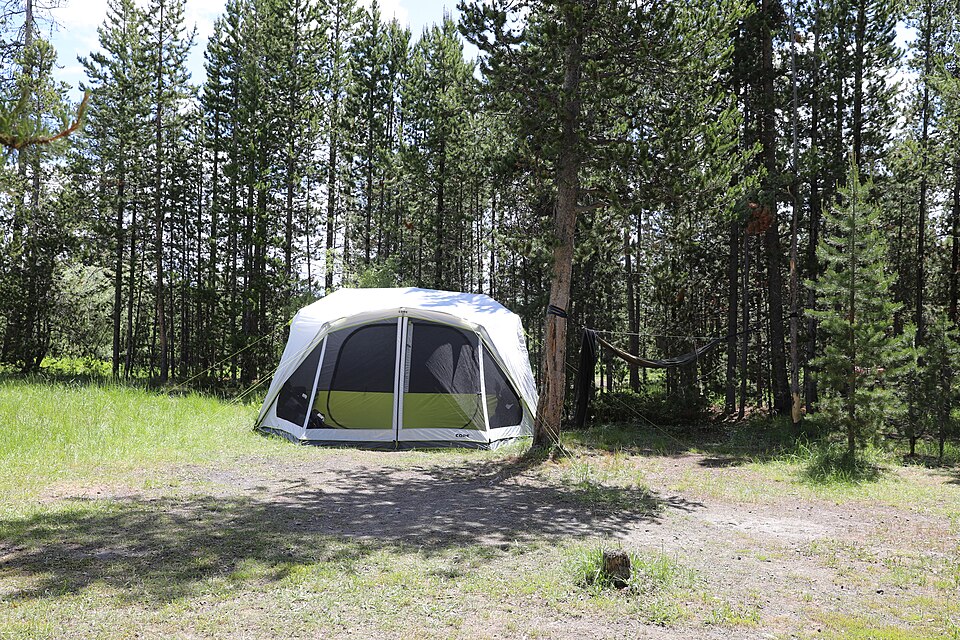
Lock in a stay for this season
RV parks near Allegheny National Forest on RoverPass
Partner link · RoverPass
Summer: Reservoir Days and Camping Weekends
June through August is a natural fit for camping, paddling, and family trips centered on the Allegheny Reservoir. Days are generally warm and sometimes humid, while shaded trails offer a welcome change from exposed shorelines. Thunderstorms can interrupt afternoon plans, so leave room to swap a water outing for a shorter land-based activity.
Summer weekends and holidays tend to bring more visitors to developed campgrounds, boat launches, and popular overlooks. Reserve a developed campsite once your dates are firm, especially if you need a particular RV size or amenities. Bring insect repellent, sun protection, and drinking water, and confirm designated swimming areas and boat-access arrangements rather than assuming every shoreline is available.
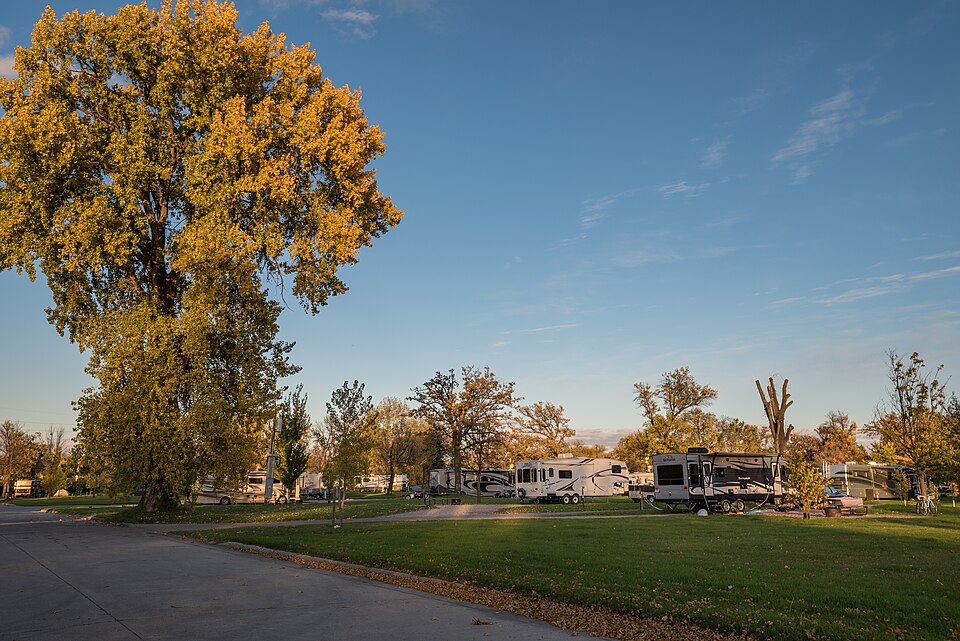
Lock in a stay for this season
Campsites near Allegheny National Forest on Campspot
Partner link · Campspot
Fall: Colorful Drives and Cooler Hiking
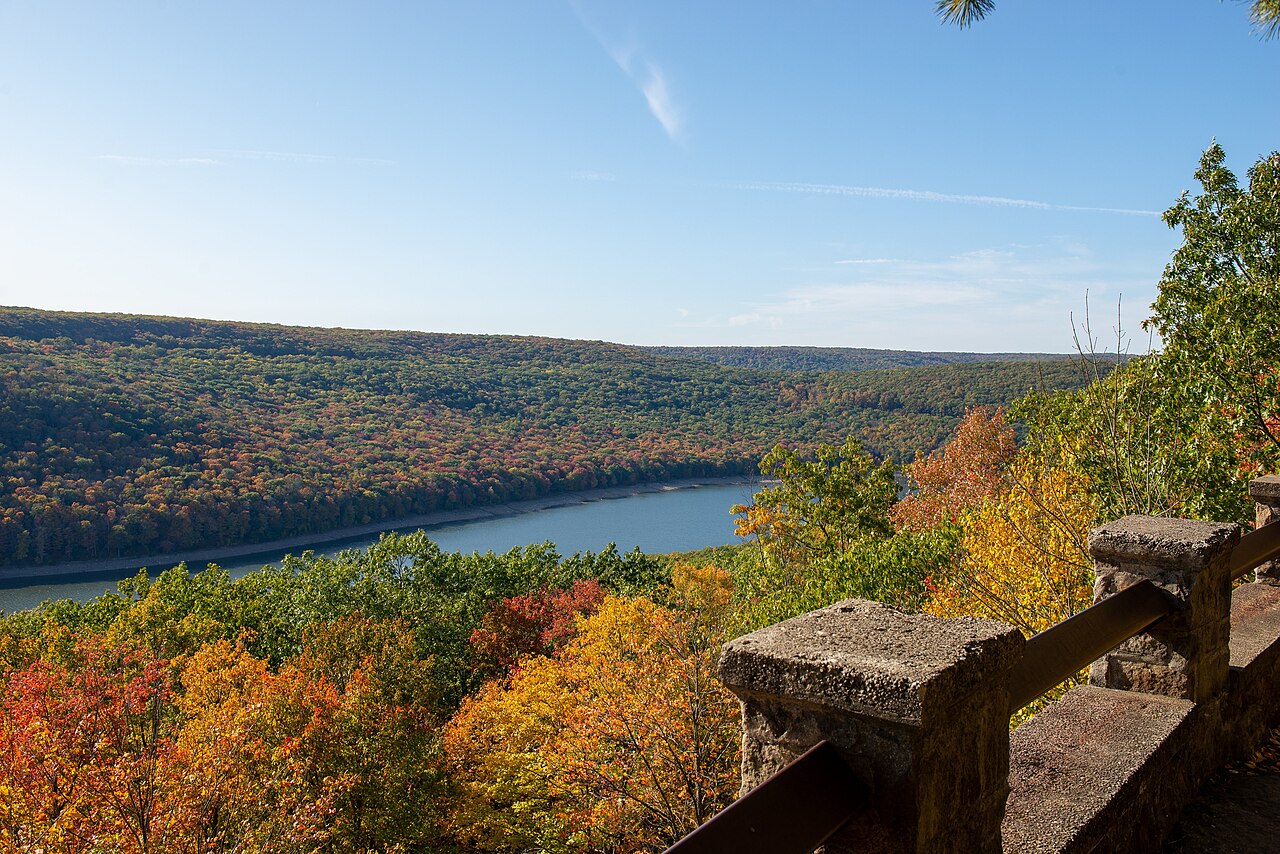
September and October combine comfortable hiking weather with increasingly colorful hardwood forests. Leaf timing varies with elevation and the year's weather, so treat any peak-color prediction as a guide rather than a promise. Reservoir overlooks and forest roads can make a satisfying trip even when colors are earlier or later than expected.
Fall foliage weekends attract visitors, particularly when the forecast is clear. A weekday stay can make popular stops feel less busy, but lodging still deserves advance planning. Nights become cold, daylight shrinks, and seasonal facilities may close before the leaves are gone. Pack insulating layers and a headlamp, and check hunting seasons and visibility recommendations before heading onto forest trails.
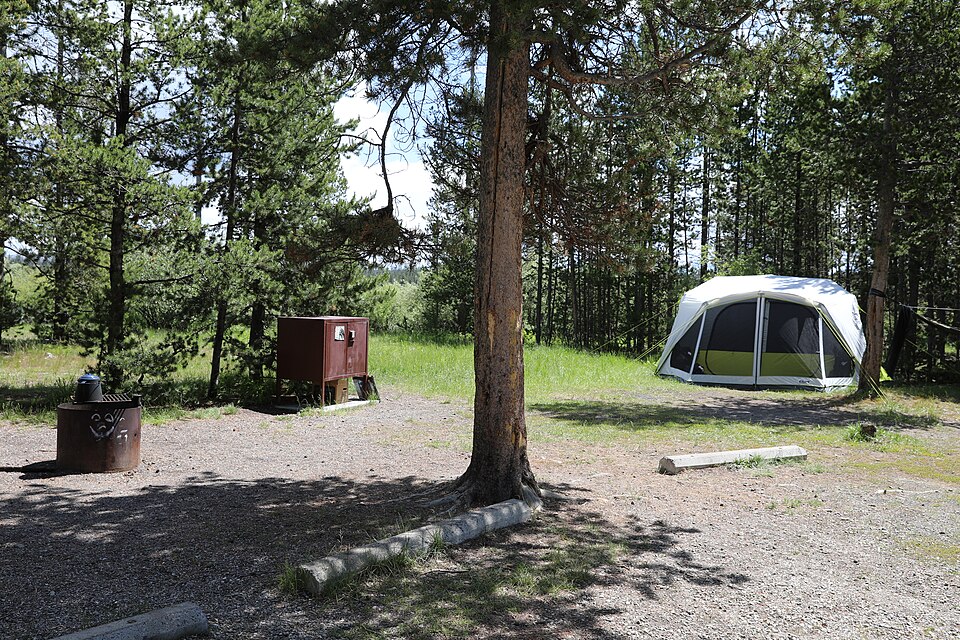
Lock in a stay for this season
Harvest Hosts stays on the way to Allegheny National Forest
Partner link · Harvest Hosts
Winter: A Different Kind of Forest Trip
Winter brings a quieter landscape, with snow and ice possible on trails and roads. It is not the simplest season for a first camping visit, but travelers comfortable with cold-weather planning may enjoy snow-covered woods and short outings from a town-based stay. Cross-country skiing and snowshoeing are options when conditions support them.
Do not assume that a road, trailhead, or campground accessible in summer will be maintained or open in winter. Short daylight hours also limit how much ground you can comfortably cover. Carry appropriate traction and extra layers, keep driving plans conservative, and check official road and recreation notices. A cabin or hotel base offers more flexibility than relying on seasonal camping infrastructure.
How Far Ahead to Plan and Reserve
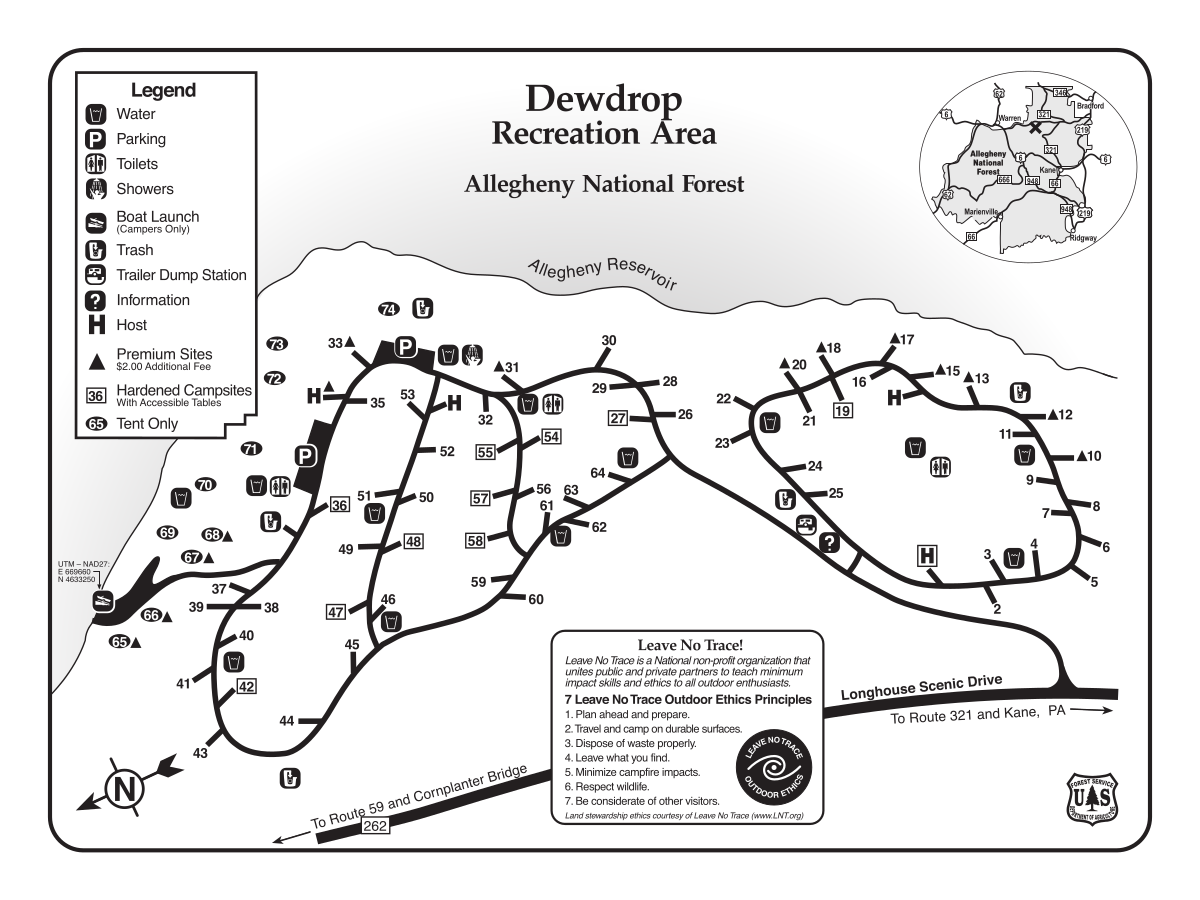
Start with the overnight stay that matters most: a reservoir-area campsite, a cabin, or lodging in Warren, Bradford, or Kane. For summer holidays and fall foliage weekends, look into reservations well ahead rather than expecting a last-minute selection. Booking windows and first-come arrangements vary by facility; use the official Forest Service website and its linked reservation pages for current rules.
No general entrance permit is required simply to visit the national forest, but individual sites and activities can involve fees, reservations, licenses, or other requirements. Check conditions again shortly before departure, including road closures and fire restrictions. If your schedule is flexible, midweek visits in late spring or early fall can offer a calmer experience.
More ways to book Allegheny National Forest
 Illustrative · U.S. Forest Service
Allegheny Reservoir Boating
One of the classic ways to experience Allegheny National Forest.
Varies (estimate)
Partner link · Viator