
Adirondacks glamping usually means trading some campsite chores for a ready-made sleeping space while keeping the woods, lakes, and outdoor evenings central to the trip. Depending on the property, that might be a furnished tent, yurt, or cabin-style stay, with amenities ranging from basic shared facilities to private bathrooms. Choose your gateway area first, then compare the actual setup carefully rather than assuming every listing offers hotel-level comfort or direct water access.
What Glamping Looks Like in the Adirondacks
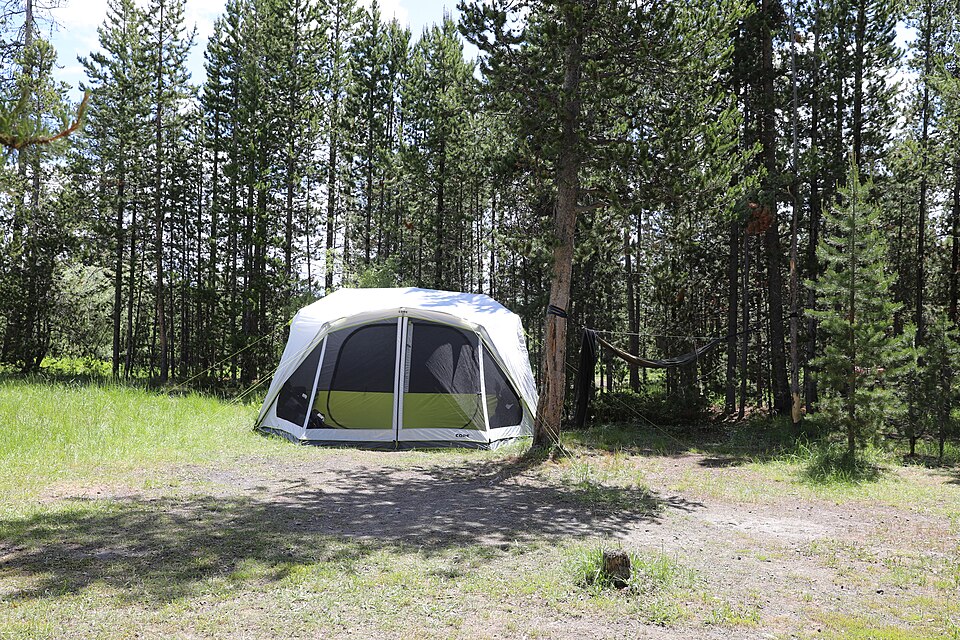
Glamping is a broad lodging label, not a standard set of amenities. A furnished canvas tent may provide a bed and lighting but still require a walk to shared bathrooms. A yurt or small cabin may offer more weather protection, yet cooking facilities, potable water, heating, and linens can still vary considerably.
Before booking, confirm the bathroom arrangement, sleeping surfaces, electricity, food-storage requirements, and distance from parking. Ask whether the unit is insulated or simply sheltered from rain, and whether bedding is included. Treat photos of lakes, fire pits, or outdoor kitchens as prompts for questions: those features may be shared, seasonal, or located elsewhere on the property rather than beside your accommodation.
Choose a Gateway That Matches Your Plans
Look around Lake Placid and nearby communities if mountain outings and Olympic attractions are your priorities. The Saranac Lake area suits a trip centered on paddling and village access, while Tupper Lake can work for travelers combining natural-history attractions with quieter outdoor days. Old Forge is a useful search area for the southwestern Adirondacks and the Fulton Chain of Lakes.
These are areas to compare, not promises of a particular lodging style or current availability. Read the property's actual location carefully: an Adirondacks address can still leave you far from your planned activities. Confirm whether lake access is public or private, whether boats are included, and how long the drive is to groceries and trailheads.
Pick the Right Season and Book Deliberately
Summer is the simplest season for a first glamping stay, especially in an uninsulated tent. Expect insects, occasional heavy rain, and cooler nights than daytime temperatures suggest. Fall offers appealing foliage and crisp evenings, but heating becomes an important question rather than a minor extra. Many accommodations operate seasonally, and a listing described as year-round still deserves a close look at winter access and amenities.
Start searching several months ahead for summer holidays and popular foliage weekends when possible. Costs vary widely by unit type, location, and included services; treat advertised starting rates as rough planning clues, not a complete trip estimate. Compare the full stay total and cancellation policy before reserving.
Pack for Outdoor Living, Not Just a Bed
Bring layers, a waterproof jacket, sturdy footwear, insect repellent, and a headlamp even if your accommodation supplies bedding. Shared bathrooms or paths between facilities make easy-on shoes useful, while a warm layer helps during cool evenings outside. Confirm whether you need towels, cooking utensils, drinking water, or a cooler rather than bringing a full camping kitchen unnecessarily.
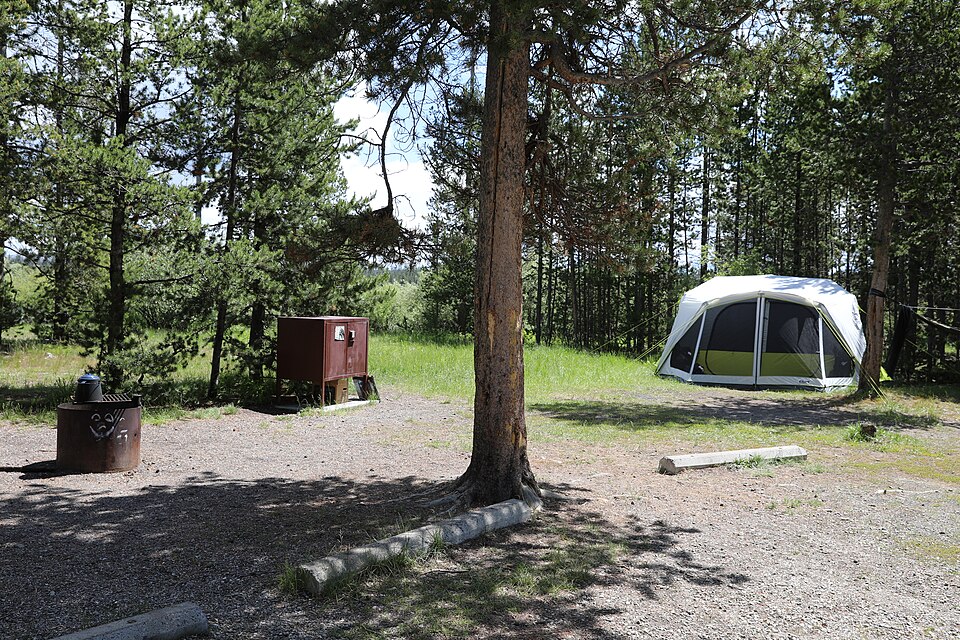
Ask how food and scented items must be stored; a furnished tent is not automatically wildlife-resistant storage. Follow property rules and current DEC guidance, including local fire restrictions. Use locally sourced firewood and follow New York's firewood movement rules. Download directions and arrival instructions before traveling, since mobile service can be inconsistent away from towns.
Glamping vs. Tent Camping vs. an RV
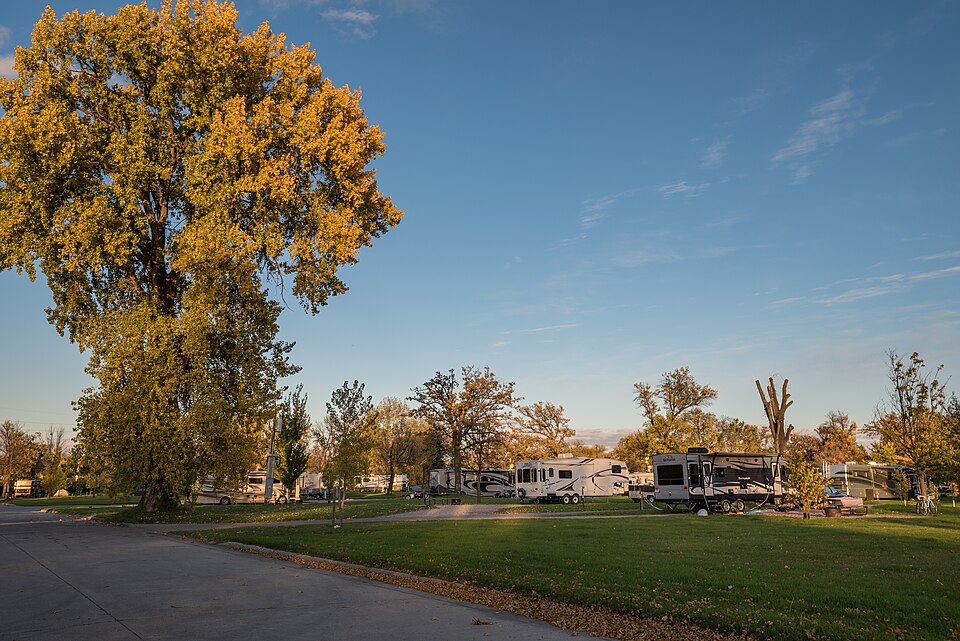
Choose glamping when you want a ready-made base and less equipment to transport, accepting that privacy and amenities vary. Traditional tent camping usually involves more setup and weather management but can offer a lower-cost approach, depending on the campground and your existing gear. An RV provides its own living space, yet brings vehicle logistics, fuel costs, and campsite-size or hookup considerations.
Compare total costs rather than nightly rates alone, including rentals, cleaning charges, transportation, and equipment. Private glamping reservations do not automatically include access to nearby public campgrounds, boat launches, or reserved trail parking. Check the official New York State DEC and relevant park websites for current conditions, camping regulations, fire guidance, and public-site reservations before your trip.