
The best time to visit the Adirondacks depends on whether you want warm lake days, colorful mountain drives, or quiet trails between the busiest seasons. Summer offers the broadest range of outdoor activities, while fall brings crisp air and foliage that can draw substantial weekend crowds. Across this six-million-acre park of public and private land, elevation and changing weather matter as much as the month on your calendar.
Spring: Quiet Towns, Muddy Trails
Spring is a transition season rather than a reliable early start to mountain hiking. Snow and ice can linger at higher elevations after village streets have thawed, and saturated trails are vulnerable to damage. Follow New York State Department of Environmental Conservation guidance on avoiding muddy high-elevation routes; lowland walks and village paths are often better choices.
Expect cool mornings, changeable rain, and some seasonal businesses still preparing to reopen. Biting insects become a factor as temperatures rise, with black flies especially noticeable in late spring and early summer. This season suits flexible travelers who enjoy quieter towns and can replace a planned summit with a lakeside stroll.
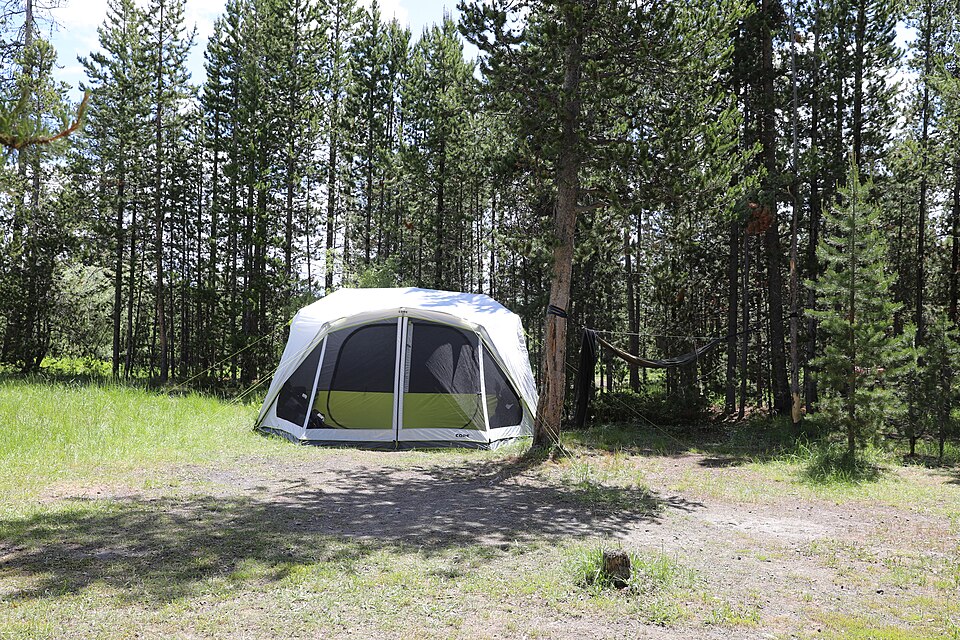
Summer: Lake Days and the Widest Choice of Activities
June through August is the most straightforward window for a first Adirondacks trip. Campgrounds, paddling opportunities, and village attractions generally offer their fullest seasonal selection, and long daylight hours make it easier to balance an outing with downtime. Lakes are popular for swimming, although water temperatures vary and early-season water can remain cold.
July and August bring busy weekends, especially around Lake Placid, Saranac Lake, and Old Forge. Book accommodations and reservable campsites ahead rather than counting on a last-minute opening. Mountain weather can turn quickly, including afternoon thunderstorms, so check forecasts before hiking and keep a shorter alternative ready. Pack rain protection and an insulating layer even during a warm spell.
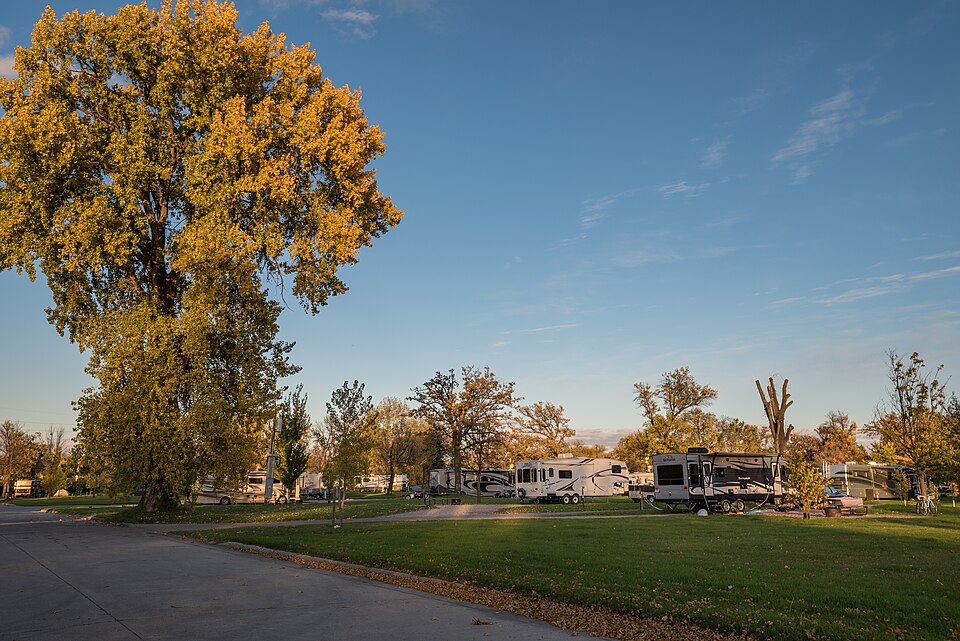
Fall: Foliage, Cool Air, and Busy Weekends
September and October are appealing for scenic drives, village walks, and hiking in cooler temperatures. Leaf color often develops earlier at higher elevations and farther north, but its timing and intensity vary each year. Plan around the overall fall atmosphere rather than a promised peak-color date.
Foliage weekends can be crowded, with pressure on lodging and popular trailhead parking. Weekday visits usually offer more flexibility, though they are not a guarantee of empty trails. As autumn progresses, daylight shortens and exposed summits can develop winter conditions. Some campgrounds, rentals, and attractions reduce operations or close seasonally, so confirm availability before building an October trip around a particular activity.
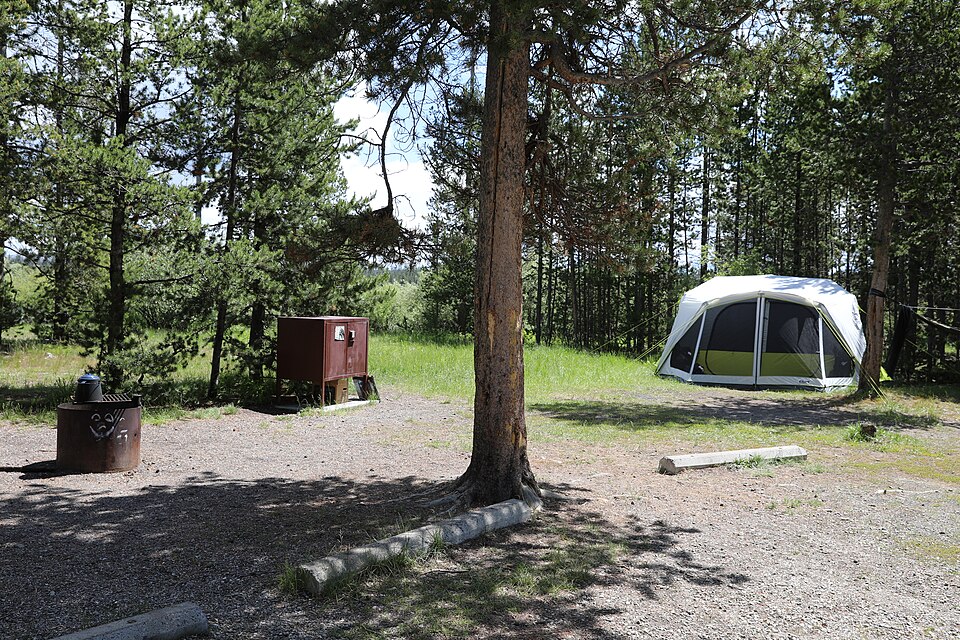
Lock in a stay for this season
Harvest Hosts stays on the way to Adirondacks
Partner link · Harvest Hosts
Winter: Snow Sports and a Different Kind of Trip
Winter transforms the Adirondacks into a destination for skiing, snowshoeing, and quiet village stays. Lake Placid makes a practical base for travelers interested in the region's Olympic heritage, while other gateway communities offer access to winter recreation. Snow coverage and trail conditions vary, so choose activities based on current reports rather than calendar dates alone.
Cold, short daylight hours, and icy roads require more planning than a summer visit. High Peaks hiking in winter calls for specialized equipment and experience; it is not simply a summer hike with an extra jacket. Book around holidays and popular winter weekends early, and allow room in your schedule for weather-related changes.
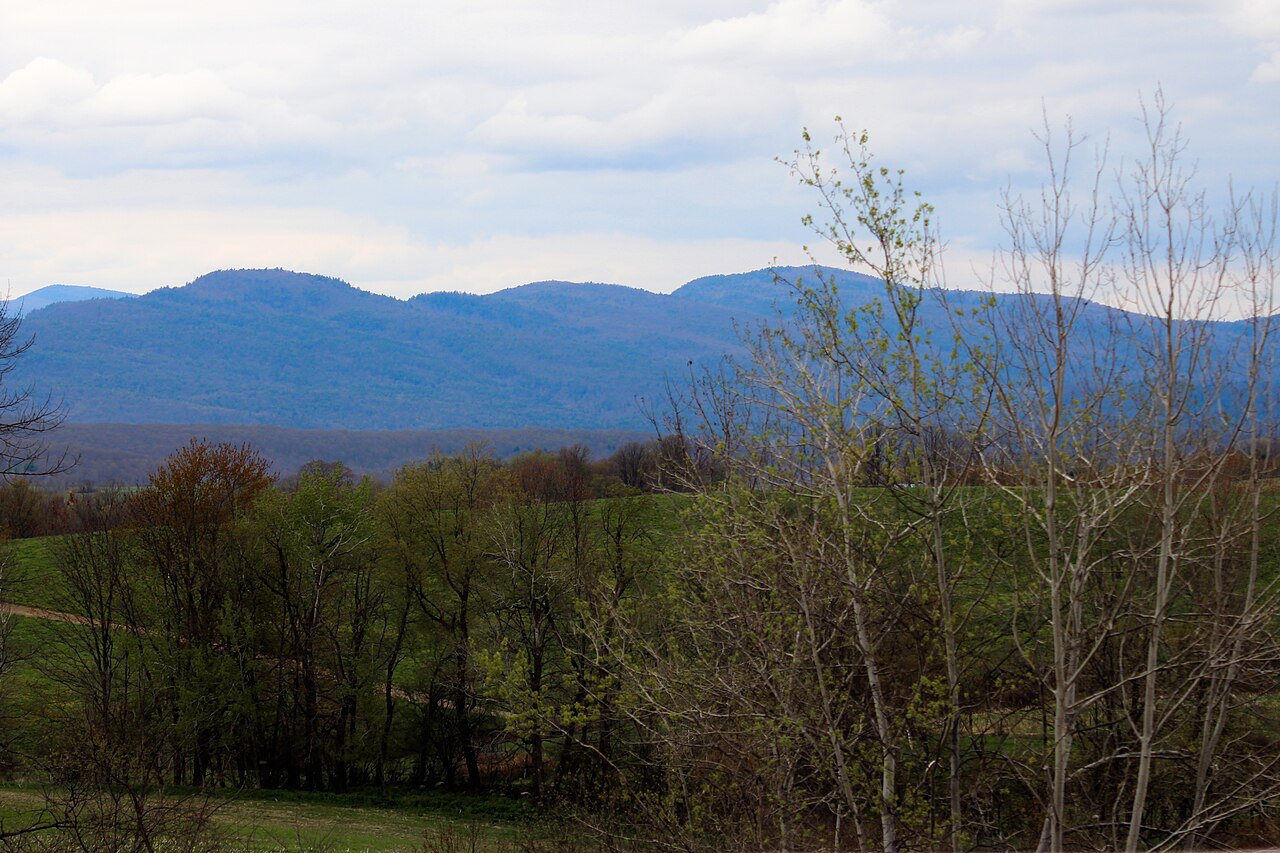
When to Reserve and How to Plan Around Weather
For summer holidays and fall weekends, start looking for lodging or campsites several months ahead when possible, then follow the actual booking window for your chosen property or public campground. There is no single reservation schedule for the entire Adirondack Park. Popular trail access can also involve specific parking arrangements or advance reservations.
Check the official New York State DEC and relevant park or attraction websites for current conditions, camping rules, and reservation requirements. The Adirondacks are not an NPS-managed national park, so local and state sources are usually the right starting point. Before departure, review mountain forecasts, road updates, and your cancellation terms; a flexible backup day is valuable in every season.
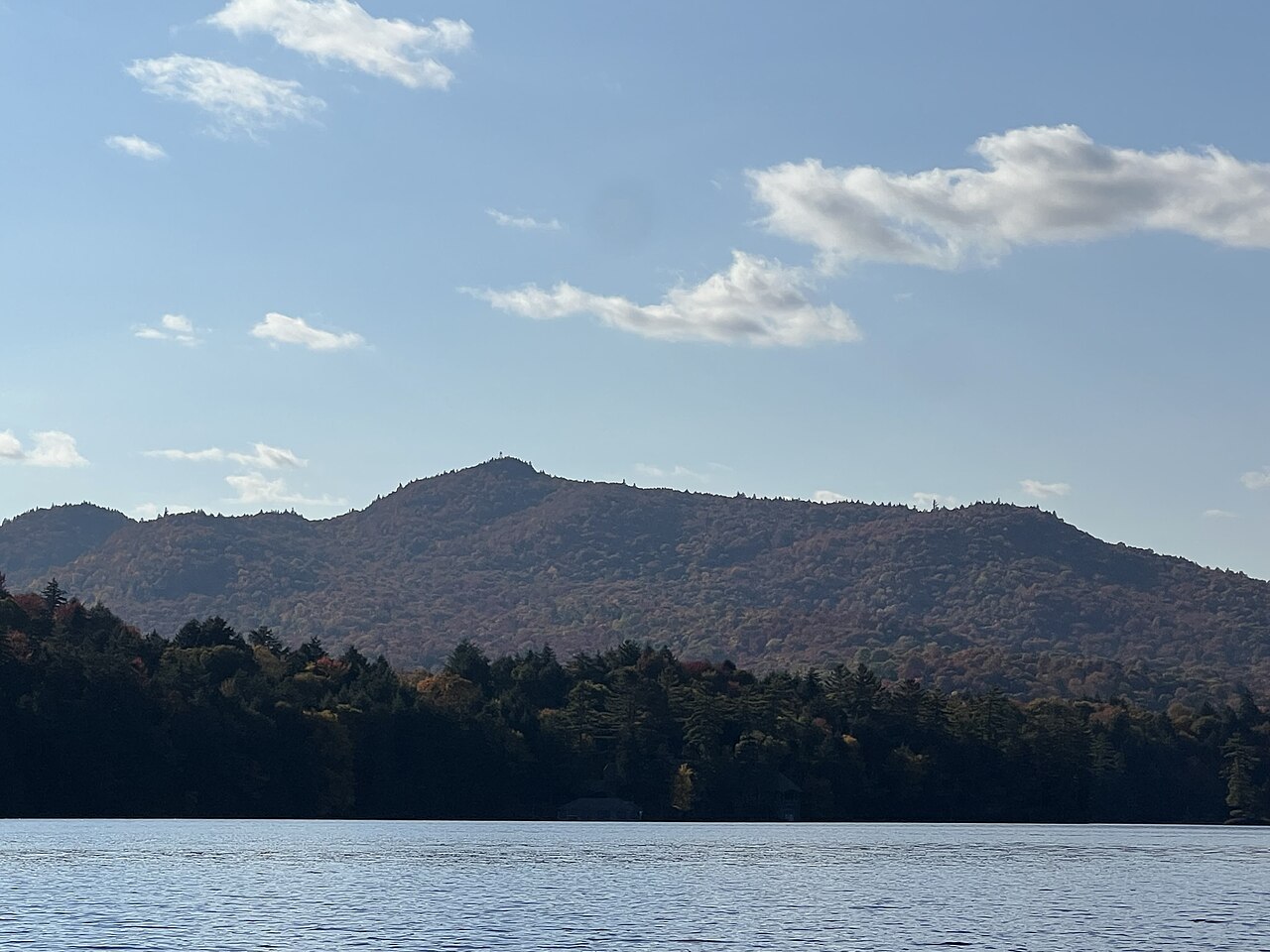
More ways to book Adirondacks
 Illustrative · wtrtwnguy from Akron, OH, United States
Whiteface Mountain Drive
One of the classic ways to experience Adirondacks.
Varies (estimate)
Partner link · Viator