
Choosing when to visit Yosemite Valley depends entirely on whether you prefer thundering waterfalls or golden autumn leaves. While the valley floor is accessible year-round, the atmosphere shifts dramatically between the quiet, snow-dusted winter and the vibrant, bustling summer months. Planning ahead is essential, as the park remains one of California's most popular destinations, often requiring vehicle reservations during peak periods.
Spring: The Season of Waterfalls
Spring is widely considered the best time to visit Yosemite Valley if your primary goal is to see the iconic waterfalls at their peak volume. As the winter snowpack begins to melt in the high sierra, the runoff feeds into Yosemite Falls, Bridalveil Fall, and Sentinel Falls, creating a thunderous roar that echoes throughout the canyon. Typically, May and June are the prime months for water flow, and the valley floor turns a lush, vibrant green with wildflowers beginning to bloom in the meadows.
Temperatures during the day are generally comfortable for hiking, often ranging from the 50s to the 70s, though evenings remain quite crisp. This is also a transition period for park access; while the valley is open, high-altitude roads like Tioga Road and Glacier Point Road may still be closed due to snow. Visitors should be prepared for varying weather, as late-season storms can occasionally bring rain or light snow to the valley floor even in late April.
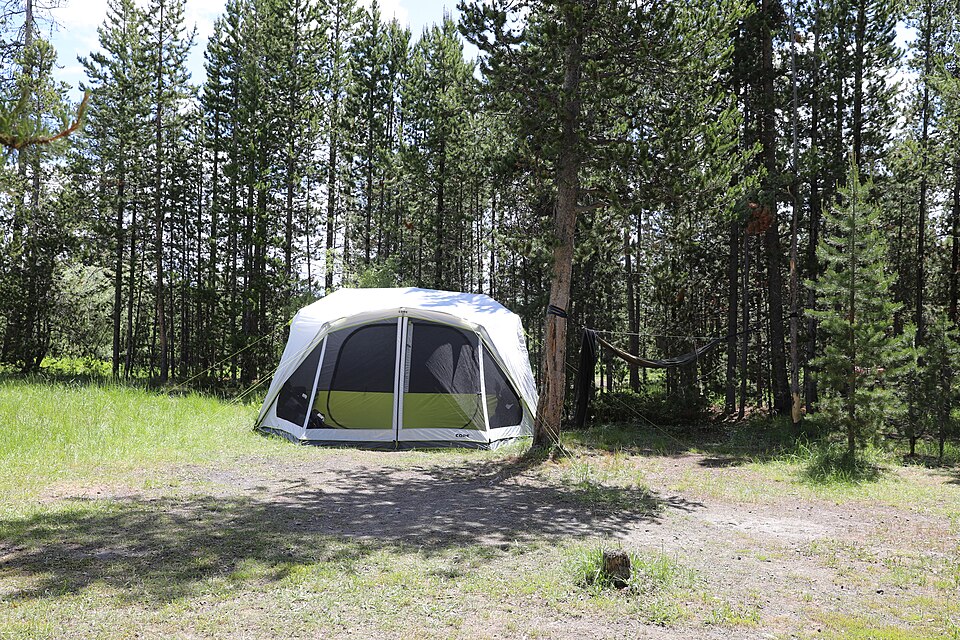
Lock in a stay for this season
RV parks near Yosemite Valley on RoverPass
Partner link · RoverPass
Summer: Warm Days and High Access
Summer brings long, sunny days and the highest visitor numbers to the valley. From July through August, the weather is consistently warm, with daytime highs often reaching the 80s or 90s, making it a popular time for families and those looking to float down the Merced River. All roads, including the high-elevation passes, are typically open by mid-summer, allowing travelers to explore the entire park beyond the valley walls. This is the best time for high-altitude hiking and overnight backpacking trips.
Because of the heavy crowds, the National Park Service often implements a vehicle reservation system during summer weekends or peak hours. You should plan to book your entry well in advance and use the park's shuttle system once inside to avoid the frustration of searching for parking. While the major waterfalls begin to narrow to a trickle by late August, the granite peaks like El Capitan and Half Dome remain spectacular under the clear blue California summer sky.
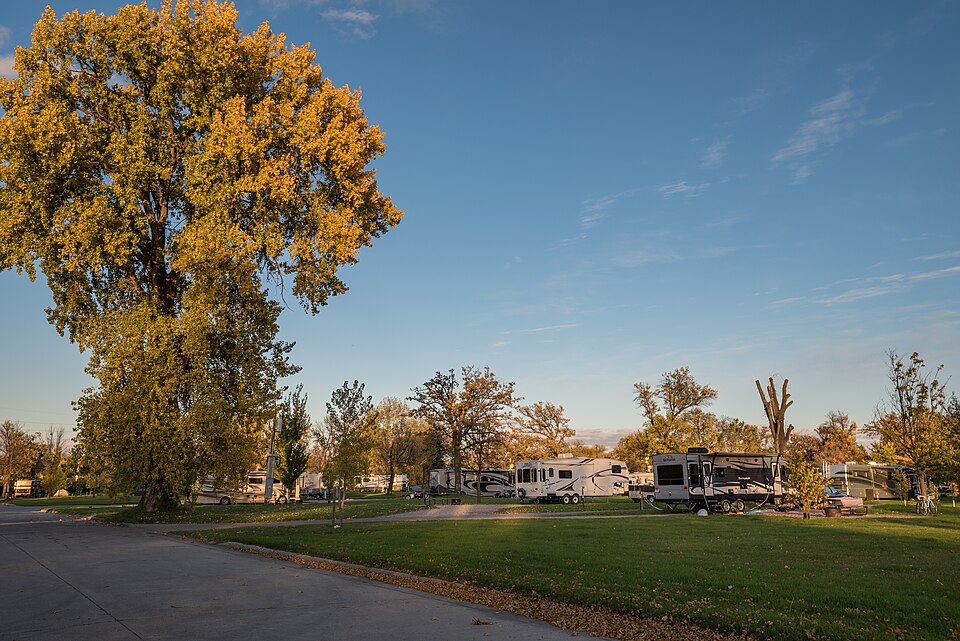
Lock in a stay for this season
Campsites near Yosemite Valley on Campspot
Partner link · Campspot
Autumn: Quiet Trails and Golden Hues
Autumn is a favorite for many photographers and hikers who prefer cooler temperatures and fewer crowds. Starting in late September and lasting through October, the valley begins to change colors. The bigleaf maples and black oaks turn brilliant shades of yellow and orange, contrasting sharply against the gray granite walls. The air is crisp and clear, providing some of the best visibility of the year for viewing Half Dome from the valley floor. Most of the waterfalls will be dry or very low during this period, but the Merced River flows gently, reflecting the changing leaves.
Daytime temperatures are mild, but nights can drop below freezing, so packing layers is essential. Many of the summer crowds have dispersed by this time, making it easier to find a quiet spot at Cookâs Meadow or along the riverbanks. Be aware that some park services, like seasonal shuttles or certain lodging facilities, may begin to reduce operations or close as the season transitions toward winter in November.
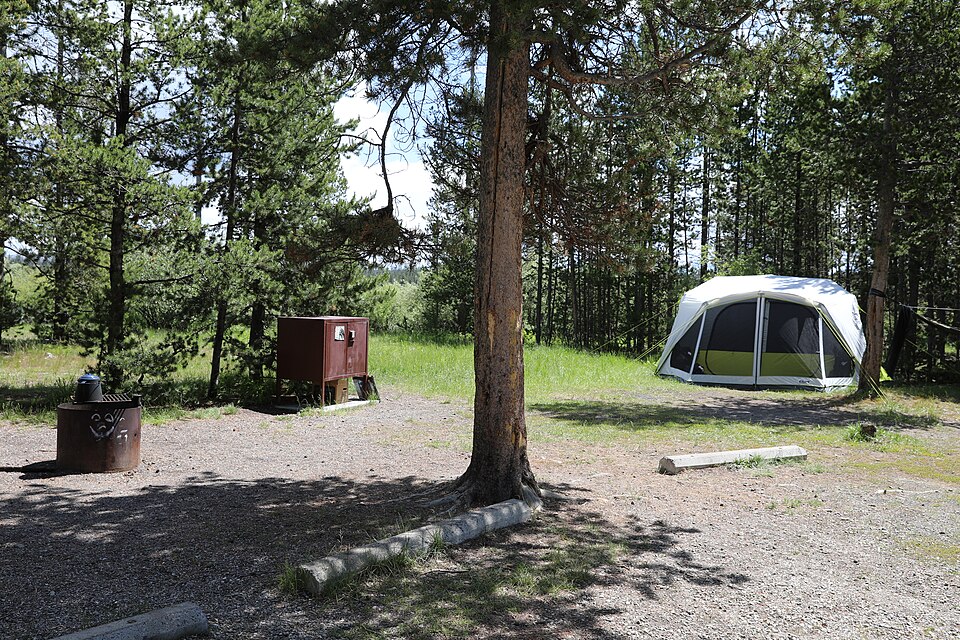
Lock in a stay for this season
Harvest Hosts stays on the way to Yosemite Valley
Partner link · Harvest Hosts
Winter: The Snowy Wonderland
Winter in Yosemite Valley is truly magical, offering a serene experience that feels worlds away from the summer rush. When snow falls, the valley is transformed into a quiet, white wonderland where the granite cliffs are draped in ice and frost. While the higher roads close for the season, the valley floor remains accessible. Visitors can enjoy ice skating at the outdoor rink in Curry Village or take a peaceful walk through the snowy meadows. The 'Firefall' phenomenon at Horsetail Fall in late February is a major draw, where the setting sun hits the water just right, making it glow like molten lava.
Winter travel requires extra preparation, including carrying tire chains and checking current road conditions frequently. Temperatures often hover near freezing, and many trails can be icy. However, the reward is a sense of solitude that is impossible to find at other times of the year. It is a fantastic time for photography, as the low winter sun creates dramatic shadows across the valley's steep vertical walls.
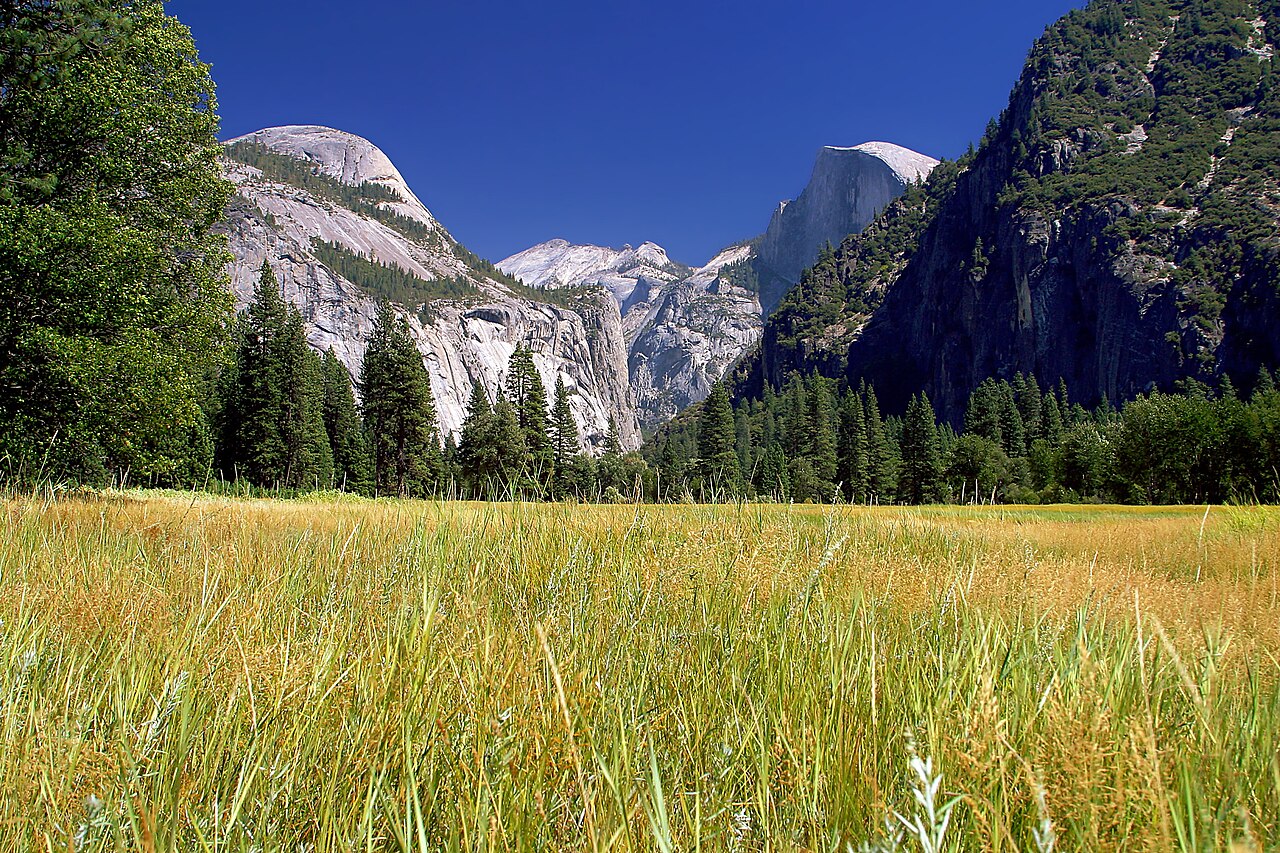
Navigating Reservations and Crowds
Regardless of which season you choose, timing your arrival is the key to a successful trip. The National Park Service frequently updates its reservation requirements based on expected visitation levels. During the busiest months from spring through early fall, you may need a pre-booked entry permit even just to drive through the gates. Generally, the best way to avoid the heaviest congestion is to enter the park before 8:00 AM or after 4:00 PM. Visiting on weekdays during the school year also offers a much more relaxed pace than holiday weekends.
Always check the official Yosemite National Park website before your departure for the most current information on alerts, road closures, and permit requirements. Planning your visit around these logistical details ensures that you spend more time enjoying the scenery and less time sitting in traffic. Whether you are coming for the spring runoff or the winter stillness, a little bit of advance research goes a long way in this popular destination.
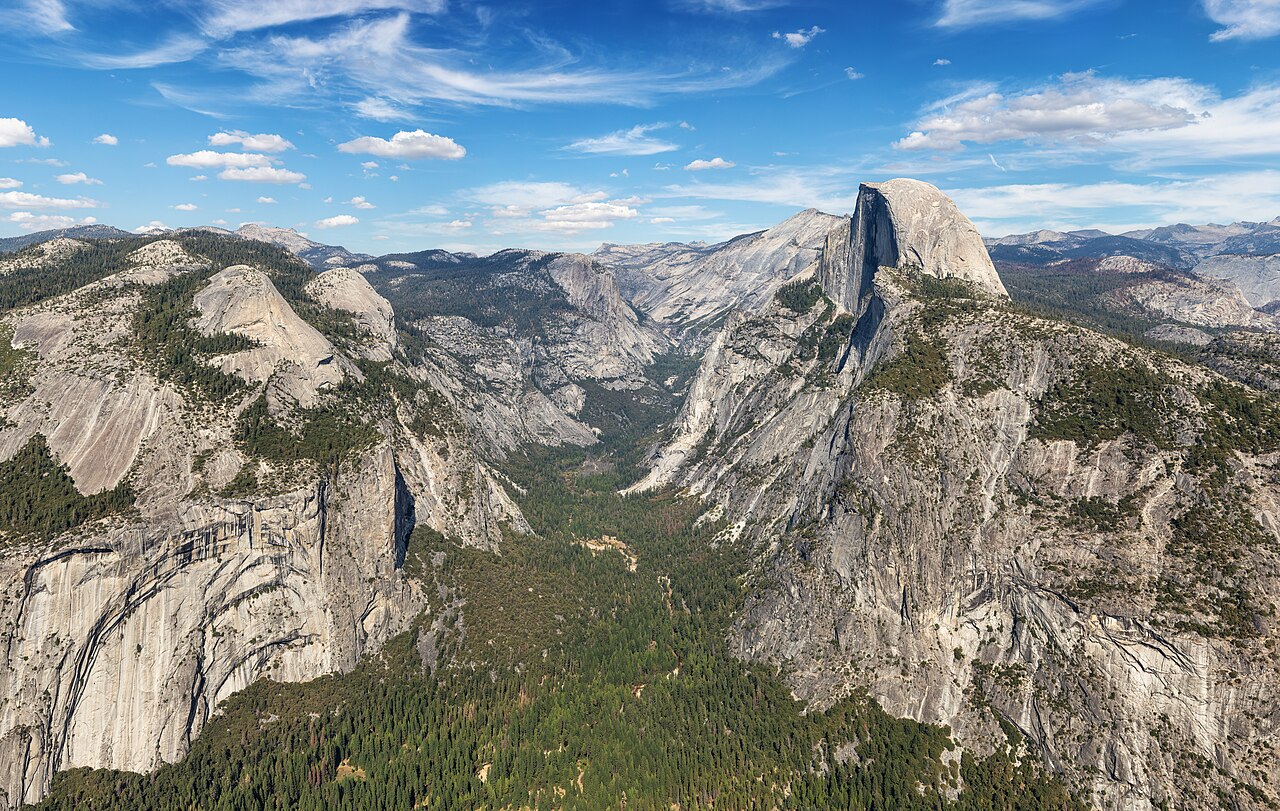
More ways to book Yosemite Valley
 Illustrative · Dietmar Rabich
Glacier Point Viewpoint
One of the classic ways to experience Yosemite Valley.
Varies (estimate)
Partner link · Viator