The best time to visit Yosemite depends on whether you picture roaring waterfalls, high-country hikes, or quieter walks beneath the valley’s granite walls. May through early October offers a broad window for outdoor travel, but snow, elevation, and seasonal road access can make two visits feel completely different. Choose your dates around a few priority experiences, then check the official Yosemite National Park website before committing to your route.
Spring: Waterfalls and a Valley That Wakes Up First
Spring is a strong choice if waterfalls are your main reason for visiting. Snowmelt typically brings powerful flows, while Yosemite Valley becomes accessible for many lower-elevation walks before the high country opens. May often offers a useful balance of waterfall viewing and hiking opportunities, although conditions vary with the winter snowpack.
Pack for cool mornings, changing weather, and wet footing near waterfalls. Higher trails can remain snowy, and Tioga Road and Glacier Point Road may still be closed. Build your trip around valley viewpoints and open trails rather than assuming mountain drives will be available. Check the official NPS website for road openings, trail restrictions, and current waterfall conditions.
Summer: High-Country Access and the Biggest Crowds
Summer generally offers the widest range of hiking and scenic-drive options once seasonal roads open. Yosemite Valley can be hot, while higher elevations are cooler and may still have lingering snow early in the season. Waterfalls usually weaken as summer progresses, so a July or August trip should not depend entirely on spring-style waterfall views.
This is also a busy travel period, especially around holidays and weekends. Start popular outings early, avoid moving your car repeatedly, and use park shuttles where operating. Afternoon thunderstorms can affect mountain plans, and wildfire smoke may change visibility or access. Leave flexibility in your schedule and consult current NPS alerts before each day’s outing.
Fall: Cooler Walks and Less Reliable Waterfalls
September and early October can suit travelers who prioritize hiking, photography, and cooler mornings over peak waterfall flow. Yosemite’s evergreen forests mean fall is not a continuous blanket of color, but deciduous trees add seasonal accents in the valley. Yosemite Falls may have little water or be dry after the summer, depending on conditions.
Crowds often ease outside weekends, though popular viewpoints and lodging can remain busy. Days shorten, nights get cold, and an early storm can affect higher trails or close seasonal roads. Treat high-country drives as weather-dependent rather than guaranteed. Bring layers and keep a valley-based backup plan if snow, smoke, or road restrictions change your itinerary.
Winter: A Quieter Valley and a Different Kind of Trip
Winter offers a slower Yosemite experience, with snowy granite views and fewer hiking choices. Yosemite Valley remains the main base for many visitors, but storms can interrupt travel and leave paths icy. Tioga Road closes for winter, and Glacier Point Road is not open for ordinary sightseeing drives through its full length.
Plan around short walks, viewpoints, and indoor interpretive stops when accessible. Carry the traction equipment required for your vehicle and route; chain requirements can apply even when the valley looks mostly clear. Daylight is limited, so avoid packing too many stops into one afternoon. Check official road conditions and weather guidance before driving into the mountains, and allow room to change plans.
When to Reserve and How to Avoid the Busiest Hours
Arrange lodging or camping as soon as your dates and the relevant booking window allow. In-park accommodation and campgrounds are popular, and each reservation system can have different release rules. Check the official Yosemite NPS website for current booking links rather than assuming every option opens on the same schedule.
Park-entry reservation requirements can change by year and travel date. Verify whether your visit needs an entry reservation, and distinguish that from lodging, camping, wilderness, or Half Dome permits. For lighter crowds, consider weekdays outside major holidays and reach popular trailheads early. Staying near your chosen entrance can help, but allow additional time for entrance lines, winding roads, and valley parking.
Book it for Yosemite National Park

Harvest Hosts stays on the way to Yosemite National Park
Membership for overnight RV stays at farms, wineries and other unique spots along your route.
Partner link · Harvest Hosts
Campsites near Yosemite National Park on Campspot
Private campgrounds, cabins and glamping just outside the park, often with availability when park sites sell out.
Partner link · Campspot
RV parks near Yosemite National Park on RoverPass
Book RV parks and campgrounds online with full hookups near the park.
Partner link · RoverPass
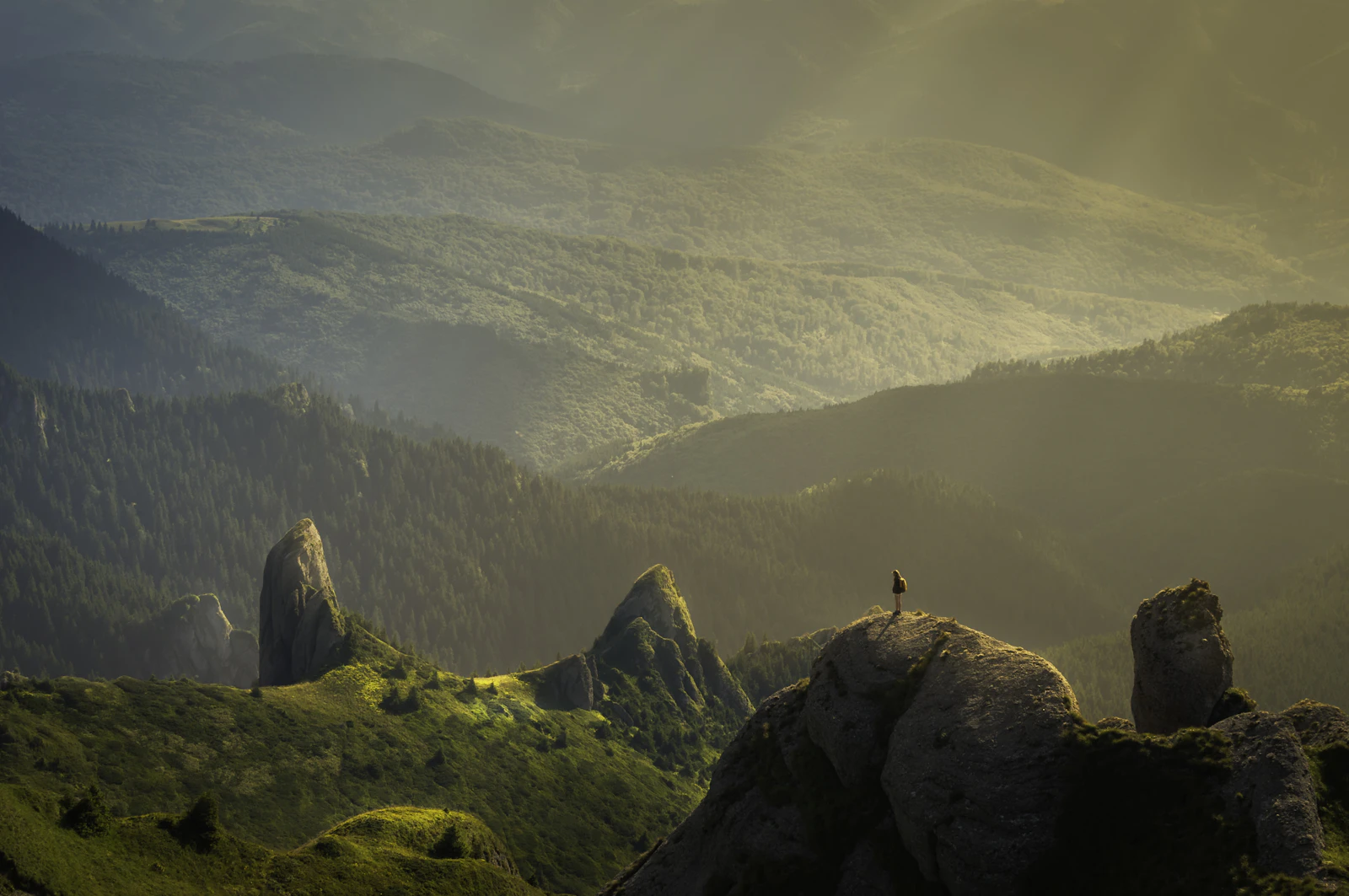
Glacier Point Sunset
Half Dome turning gold, five minutes from your parking spot.
Varies (estimate)
Partner link · Viator

Mist Trail to Vernal Falls
Waterfall spray in your face at every switchback — kids love it.
Varies (estimate)
Partner link · Viator
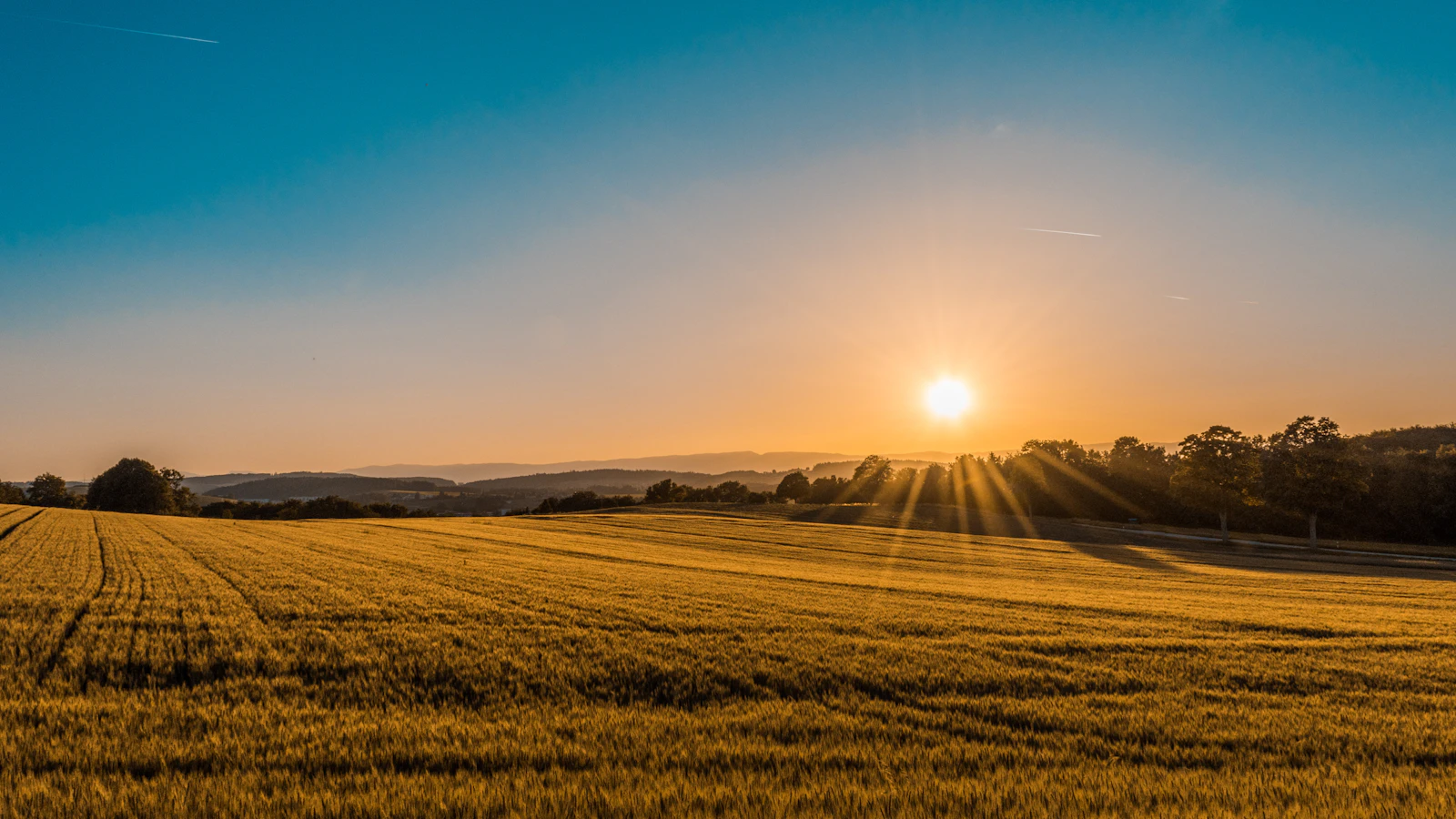
Tuolumne Meadows Loop
Cooler, quieter and greener than the valley floor in peak season.
Varies (estimate)
Partner link · Viator