
Woodstock, Vermont, is widely considered one of the most beautiful villages in the United States, and its character shifts dramatically with the changing of the seasons. Whether you are seeking the vibrant oranges of a New England autumn, the lush greenery of a mountain summer, or the quiet snowfall of a Vermont winter, timing is everything. Planning your trip requires understanding how the local landscape reacts to the elements, as the Green Mountains dictate the pace of life for both locals and visitors alike throughout the year.
Fall Foliage and Peak Autumn Colors
For many, late September through mid-October is the definitive best time to visit Woodstock. This is when the sugar maples and oaks covering the surrounding hillsides transform into a brilliant tapestry of red, gold, and amber. The crisp air is perfect for strolling across the Middle Covered Bridge or driving along Route 4 to see the colors reflected in the Ottauquechee River.
Because this is the most popular time of year, crowds are at their highest. You will find the village green bustling with photographers and weekend travelers. It is essential to monitor local foliage reports, as the 'peak' window can shift by a week or two depending on summer rainfall and early frosts. During this period, the local harvest is in full swing, and you can enjoy the unique atmosphere of a traditional New England autumn, provided you are comfortable sharing the sidewalks with fellow leaf-peepers from around the world.
Summer Adventures and Mountain Greenery
From June through August, Woodstock embraces its identity as a mountain retreat. The temperatures are generally mild, often sitting in the 70s or low 80s, making it an ideal escape from the humid heat of the southern East Coast. This is the prime season for hiking the trails of Mount Tom or exploring the managed woodlands of the Marsh-Billings-Rockefeller National Historical Park.
The landscape is exceptionally lush, with wildflowers blooming in the meadows and the forests providing deep shade for hikers. Summer is also the best time for outdoor events on the village green and visiting local farms to see agriculture in action. While popular, summer feels slightly more spread out than the autumn rush. You can expect long daylight hours, perfect for extended evening walks through the historic district where the Federal-style architecture is framed by perfectly manicured gardens and hanging flower baskets.
Winter Magic and Snow Sports
Winter in Woodstock, typically lasting from December through March, transforms the village into a scene reminiscent of a classic holiday card. The town is famous for its festive atmosphere, especially during the early winter months when the buildings are draped in lights. For outdoor enthusiasts, this is the time to visit for downhill skiing at nearby mountains or cross-country skiing through the groomed trails of the local Nordic centers.
Snowfall is consistent, often blanketing the town in several feet of white powder that stays for months. While temperatures can drop significantlyâoften well below freezingâthe dry air makes it manageable with the right gear. It is a quieter time for the town compared to the fall, offering a cozy intimacy. Visitors should be prepared for winter driving conditions, as the mountain roads can become slick. It is always wise to check the weather forecast frequently, as snowstorms can sometimes impact travel plans to and from the gateway cities.
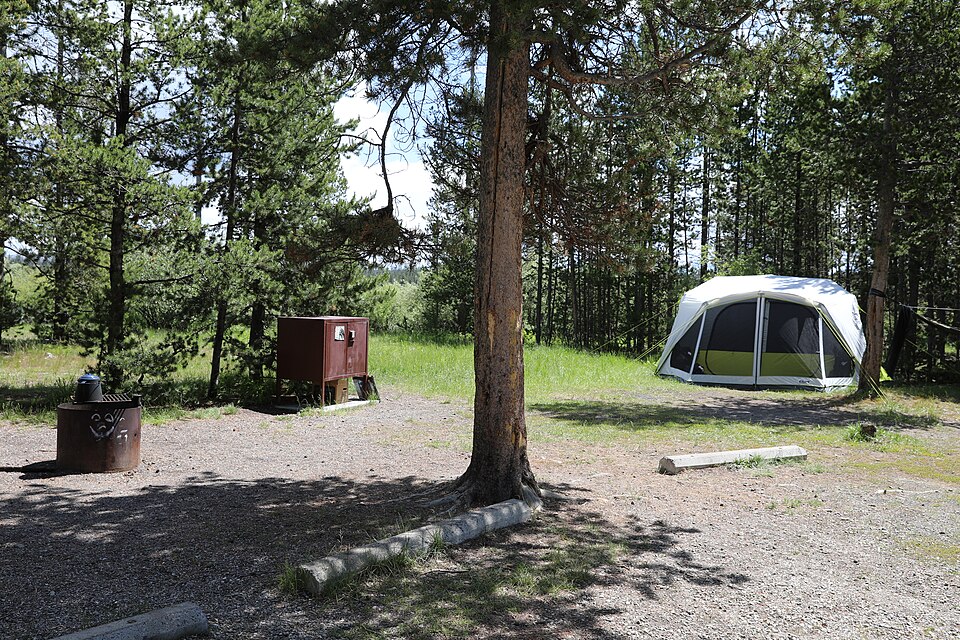
Lock in a stay for this season
Harvest Hosts stays on the way to Woodstock
Partner link · Harvest Hosts
Spring Thaw and the Quiet Mud Season
Spring in Vermont, often colloquially referred to as 'mud season,' occurs from late March through May. As the snow melts, the ground becomes saturated, and many hiking trails are temporarily closed to protect the soil from erosion. While this is the least busy time for tourism, it offers a unique look at the regionâs traditional industry: maple sugaring. The sight of steam rising from sugar shacks across the hills marks the end of winter.
By May, the valley begins to turn green again, and early spring flowers like tulips and daffodils start to pop up in the village. This is the best time for those looking for a quiet, budget-friendly retreat, as lodging rates are often at their lowest. However, be prepared for unpredictable weather that ranges from late-season snow flurries to warm, rainy afternoons. It is a period of transition where the natural world slowly wakes up, offering a sense of peace before the summer crowds arrive.
Crowds, Reservations, and Logistics
Due to Woodstock's enduring popularity as a top-tier New England destination, planning ahead is a requirement rather than a suggestion. For visits during the peak fall foliage or the busy Christmas season, booking accommodations six months to a year in advance is common practice. Even during the summer months, the most sought-after inns and restaurants can fill up weeks ahead of time.
If you prefer to avoid the largest crowds, consider visiting mid-week during the summer or late spring. Most visitors arrive on Friday afternoon and depart by Sunday, so Tuesday through Thursday offers a much more relaxed pace. Always check the official National Park Service website for the Marsh-Billings-Rockefeller site, as tour reservations for the mansion often sell out quickly. Being mindful of the seasonal calendar will ensure you experience the village at its best without the stress of missing out on the primary attractions that make this region so special.
More ways to book Woodstock
 Illustrative · Jonathan Billinger
Mount Tom Hikes
One of the classic ways to experience Woodstock.
Varies (estimate)
Partner link · Viator