
Wind Cave National Park offers a rare combination of subterranean wonder and pristine prairie wilderness. Most visitors come for the cave's intricate boxworkâa formation rarely found elsewhere in the worldâbut stay for the sprawling landscapes above. Whether you are descending into the depths of the earth or scanning the horizon for roaming bison, the park provides a diverse range of activities for every type of adventurer. From family-friendly walks to challenging backcountry hikes, there is no shortage of ways to connect with this unique South Dakota treasure.
Descend into the Cave Labryinth
The primary draw of the park is, of course, the cave itself. With over 150 miles of explored passages, it is one of the longest caves in the world. The National Park Service offers several ranger-led tours that cater to different physical abilities and interests. The Natural Entrance Tour is a classic choice, taking you through the hole where the cave's 'wind' was first discovered and into the heart of the boxwork formations. Boxwork is a fragile, honeycomb-like structure made of calcite that protrudes from the cave ceilings and walls, and Wind Cave contains approximately 95 percent of the world's known boxwork.
For those seeking a more rugged experience, the Candlelight Tour provides a glimpse into how early explorers navigated the darkness, using only hand-held lanterns to illuminate the path. For the truly adventurous, the Wild Cave Tour involves crawling through tight passages and getting a bit dirty. Regardless of the tour you choose, remember that the cave is a constant 53 degrees Fahrenheit, so a light jacket and sturdy, non-slip shoes are essential for comfort and safety underground.
Hiking the Rolling Prairies
Above the cave lies a stunning expanse of mixed-grass prairie and ponderosa pine forests. Hiking is one of the best things to do in Wind Cave to appreciate the scale of the landscape. The Rankin Ridge Nature Trail is a popular moderate hike that leads to the highest point in the park. From the lookout tower at the summit, you can see for miles, overlooking the Black Hills and the vast plains to the east. It is a fantastic spot for photography, especially during the golden hour when the light hits the long grass.
For a longer trek, the Boland Ridge Trail offers a chance to escape the crowds. This trail winds through the park's backcountry, offering spectacular views and a high probability of spotting elk or deer. The trails here are well-marked but can be exposed to the sun, so carrying plenty of water and wearing a hat is advised. The diversity of the terrain, from rocky outcrops to open meadows, ensures that every mile reveals something new about the local ecology and geology.
Wildlife Viewing and Scenic Drives
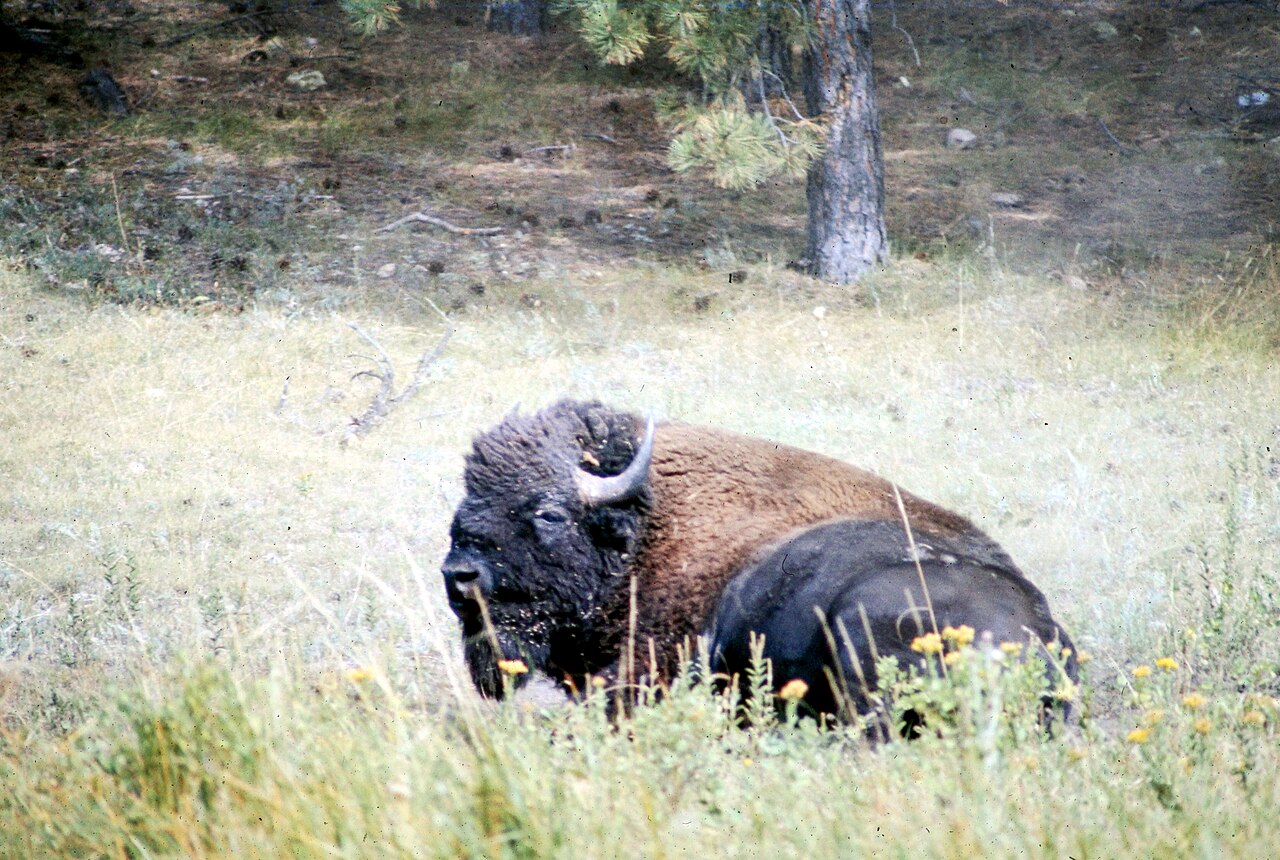
You don't always have to leave your vehicle to see the wonders of Wind Cave. The park is home to one of the few genetically pure bison herds in the United States. Driving along Highway 87 or the park's gravel backroads often results in sightings of these massive creatures grazing near the road. It is a humbling experience to see a bison up close, but visitors must always remember to maintain a safe distance and stay inside their vehicles when herds are near. Bison can be unpredictable and are surprisingly fast.
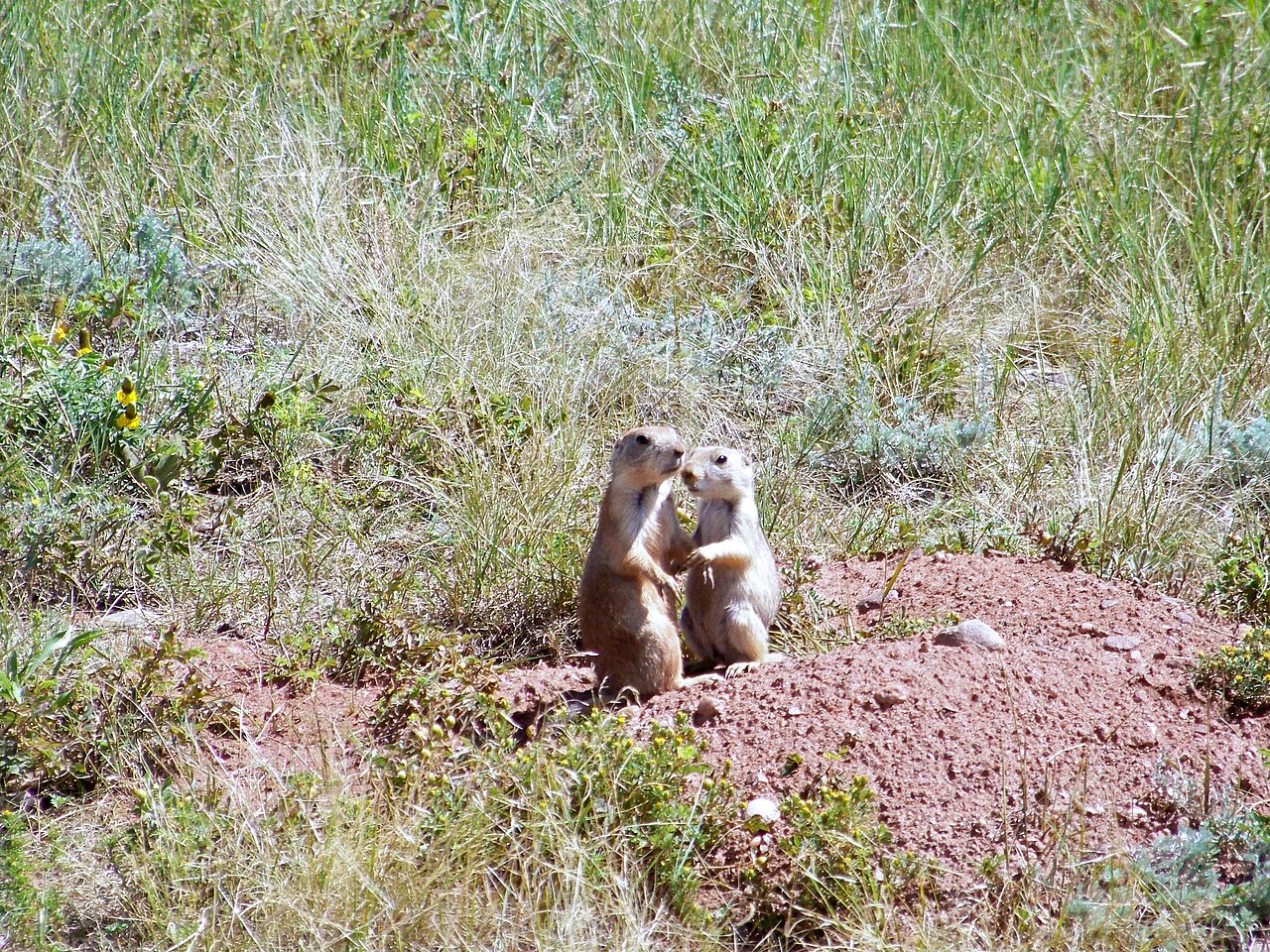
In addition to bison, the park is a haven for pronghorn, elk, and mule deer. One of the most entertaining stops is one of the many prairie dog towns scattered throughout the park. These social rodents are constantly active, popping in and out of their burrows and letting out high-pitched alarm whistles. Watching their interactions is a highlight for children and wildlife photographers alike. For the best viewing, head out at dawn or dusk when the animals are most active and the light is soft.
Family-Friendly Exploration
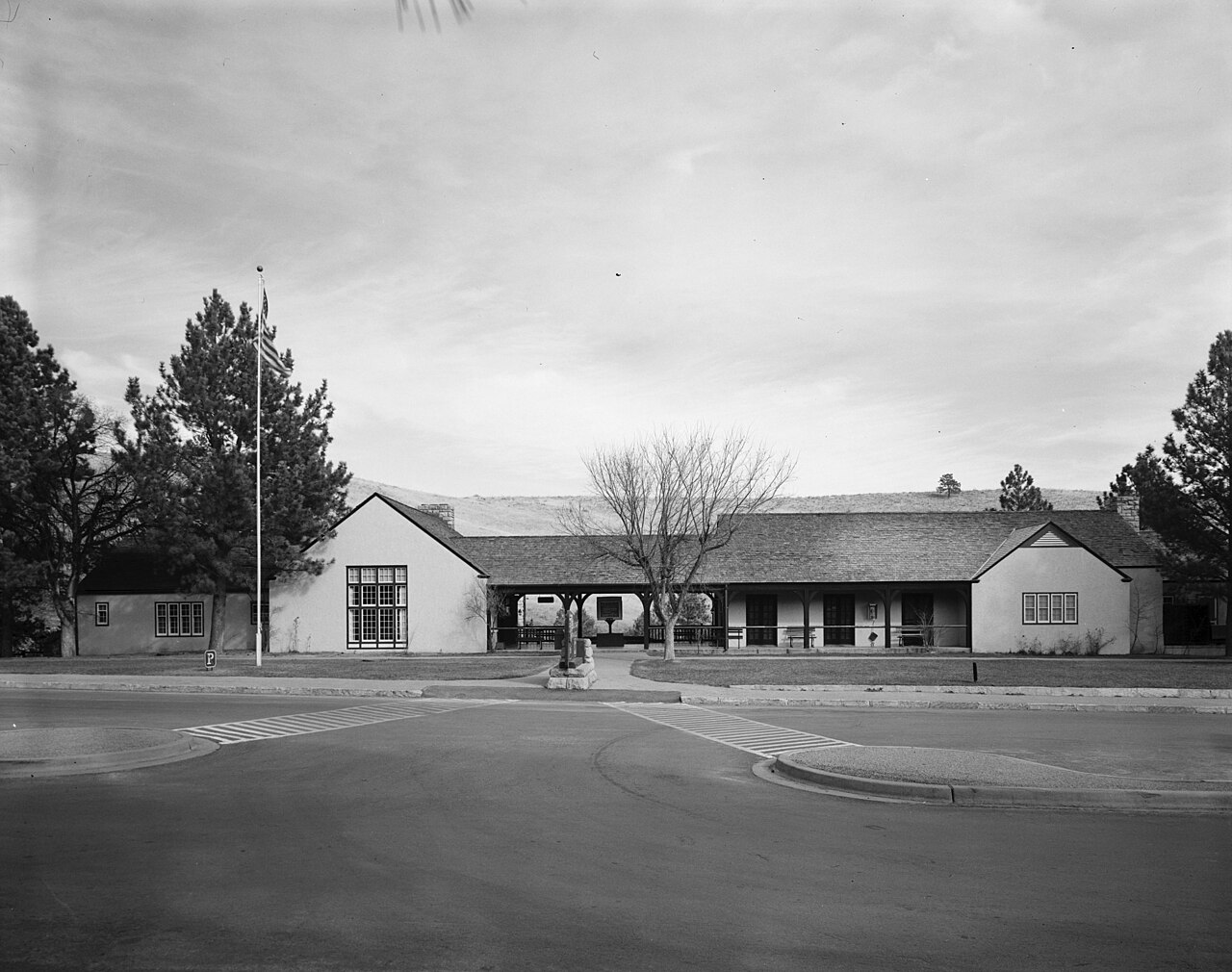
Wind Cave is an excellent destination for families. Beyond the cave tours, the Junior Ranger program is a fantastic way for children to engage with the park's history and biology. Kids can pick up an activity booklet at the visitor center, and upon completion, they receive a badge and are sworn in by a park ranger. The visitor center also features interactive exhibits that explain how the cave was formed and the significance of the Lakota emergence story, which places the origin of their people at the cave's natural entrance.
For a gentle outdoor activity, the Elk Mountain Nature Trail is a relatively flat loop that meanders through the forest and meadow near the campground. It is perfect for smaller legs and offers plenty of shade. The park also provides picnic areas where families can relax and enjoy a meal surrounded by nature. Engaging with the park at a slower pace allows children to notice the smaller details, like the different types of grasses or the tracks of wild animals in the soft earth.
Rainy Day and Indoor Activities
While much of Wind Cave's beauty is found outdoors, there are excellent options for when the weather turns sour. The cave itself is the ultimate rainy-day sanctuary, as the conditions underground remain unchanged regardless of the storm above. If tours are sold out or you are waiting for your scheduled time, the visitor center offers an extensive museum area. You can learn about the complex geology of the Black Hills and the history of the Civilian Conservation Corps (CCC) workers who built many of the park's structures during the Great Depression.
Another great indoor-adjacent activity is driving the scenic loops that connect Wind Cave to nearby attractions like Custer State Park. Even in the rain, the misty hills and dramatic rock formations of the Black Hills provide a moody and beautiful backdrop for a road trip. Always check the official NPS website for any weather-related closures or changes to the tour schedule. For those staying in nearby Hot Springs, the town offers historical architecture and indoor pools that complement a day of exploring the national park's rugged terrain.