
Choosing the best time to visit Wilmington depends on whether you prefer the bustling energy of the Atlantic surf or the quiet charm of the historic riverfront. Located in coastal North Carolina, this port city enjoys a humid subtropical climate, meaning the transitions between seasons are often lush and colorful. While summer is the peak for beachgoers, the shoulder seasons of spring and autumn offer the most comfortable temperatures for walking the brick-lined streets of the downtown district.
Spring Blooms and Pleasant Breezes
Spring is widely considered the best time to visit Wilmington for those who enjoy outdoor festivals and floral displays. Starting in late March and running through May, the city comes alive with the blooming of azaleas, which are celebrated annually with a large-scale community festival. During these months, daytime temperatures typically range from the mid-60s to the high 70s Fahrenheit, making it ideal for exploring the Airlie Gardens or walking the scenic Riverwalk without the intense humidity of late summer.
Crowds are moderate compared to the summer rush, but popular weekends during the festival season can see a surge in visitors. If you plan to visit in April, it is wise to monitor the local event calendars as accommodation availability can tighten quickly. The garden landscapes are at their peak during this window, and the inland breeze provides a refreshing backdrop for dining outdoors at the many riverfront patios that define the downtown experience.
Summer Sun and Coastal Activity
June through August represents the peak tourist season in Wilmington and its neighboring island beaches. This is the prime time for travelers who want to spend their days surfing at Wrightsville Beach or sunbathing at Carolina Beach. High temperatures often climb into the 80s and 90s, coupled with significant humidity that makes the ocean water feel particularly inviting. Afternoon thunderstorms are common during the summer months, providing a brief cooling effect before the sun returns.
Because this is the most popular time for family vacations, you should expect higher prices for lodging and increased traffic on the roads leading to the coast. Reservations for popular guided tours or boat excursions should be made well in advance. Despite the heat and the crowds, the summer atmosphere is vibrant, featuring outdoor concerts, bustling boardwalks, and a wide array of water sports ranging from paddleboarding in the sound to deep-sea fishing trips departing from the local marinas.
Autumn Colors and Warm Waters
September and October are hidden gems for travelers seeking a more relaxed pace. The Atlantic Ocean retains much of its summer warmth well into the fall, allowing for swimming long after the traditional labor day cutoff. Daytime temperatures settle back into the comfortable 70s, and the humidity levels drop significantly, providing crisp, clear air that is perfect for photography along the Cape Fear River.
This period is also the heart of the Atlantic hurricane season, so it is important to stay informed about weather patterns and check the National Park Service or local weather advisories before your trip. If the weather remains clear, fall visitors are rewarded with fewer crowds at major attractions like the Battleship North Carolina and shorter wait times at top-rated restaurants. The changing foliage along the riverbanks adds a unique aesthetic to the historic district, making it a favorite time for those who enjoy architecture and heritage walks through the city's older neighborhoods.
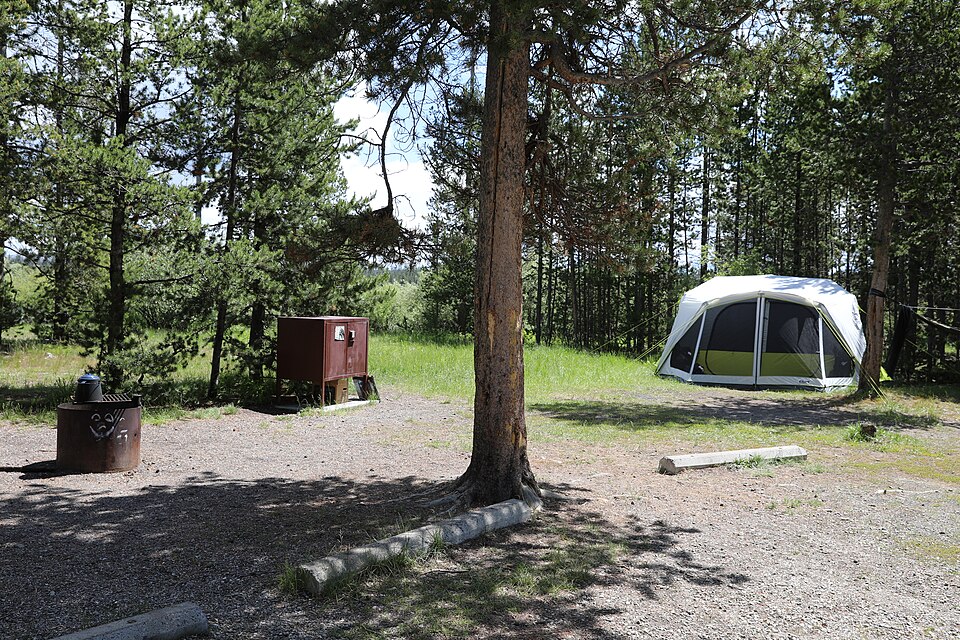
Lock in a stay for this season
Harvest Hosts stays on the way to Wilmington
Partner link · Harvest Hosts
Winter Quiet and Cultural Exploration
Winter in Wilmington, spanning from December to February, is the quietest season of the year. While temperatures can dip into the 40s at night, daytime highs often reach the 50s, which is mild compared to more northern coastal cities. Snow is extremely rare, though occasional frost can occur. This is the best time to visit Wilmington for budget-conscious travelers, as hotels often offer their lowest rates of the year and the streets are free from tourist congestion.
While beach activities are limited to brisk walks along the shore, the indoor cultural scene thrives. Visitors can spend hours exploring the Cape Fear Museum, the Wilmington Railroad Museum, or catching a performance at Thalian Hall without feeling rushed. The holiday season brings festive lights to the riverfront, creating a cozy atmosphere for shopping in the local boutiques. It is a peaceful time to reflect on the region's history and enjoy the architectural details of the Victorian and Italianate homes that dominate the downtown landscape.
Managing Reservations and Logistics
Regardless of when you choose to visit, planning ahead is the key to a smooth coastal getaway. For peak spring and summer travel, booking your accommodations three to six months in advance is highly recommended to secure your preferred location. If you are flying into Wilmington International Airport (ILM), you will find the terminal conveniently located just minutes from the city center, but car rentals can sell out during holiday weekends.
Always consult the official park websites for current conditions, especially if you plan to visit state parks like Carolina Beach or Fort Fisher, where seasonal hours may vary. Keep in mind that some seasonal attractions, such as certain boat tours or specific outdoor concessions, may have limited schedules during the winter months. By aligning your interests with the seasonal rhythms of the North Carolina coast, you can ensure that your Wilmington experience matches your expectations for adventure, relaxation, or historical discovery.
More ways to book Wilmington
 Illustrative · Internet Archive Book Images
Airlie Gardens Walk
One of the classic ways to experience Wilmington.
Varies (estimate)
Partner link · Viator