
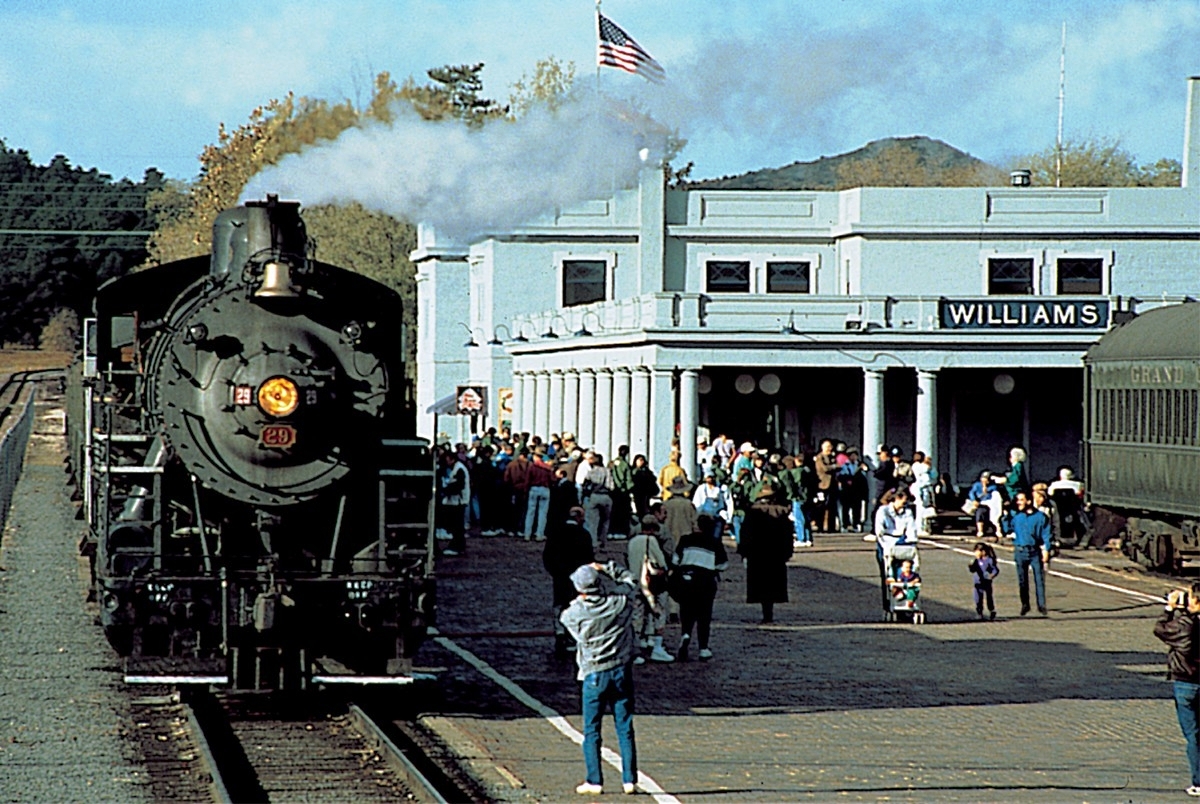
Williams serves as a high-altitude sanctuary in Northern Arizona, sitting at roughly 6,800 feet above sea level. This elevation means the town enjoys a drastically different climate than the scorching deserts of Phoenix or Tucson. Because it acts as the primary hub for the Grand Canyon Railway, timing your trip involves balancing the train's special event schedule with the region's four distinct seasons. Whether you are coming for the nostalgia of Route 66 or the gateway to the National Park, understanding the local weather patterns is essential for a comfortable stay.
The Prime Window: Late Spring through Early Fall
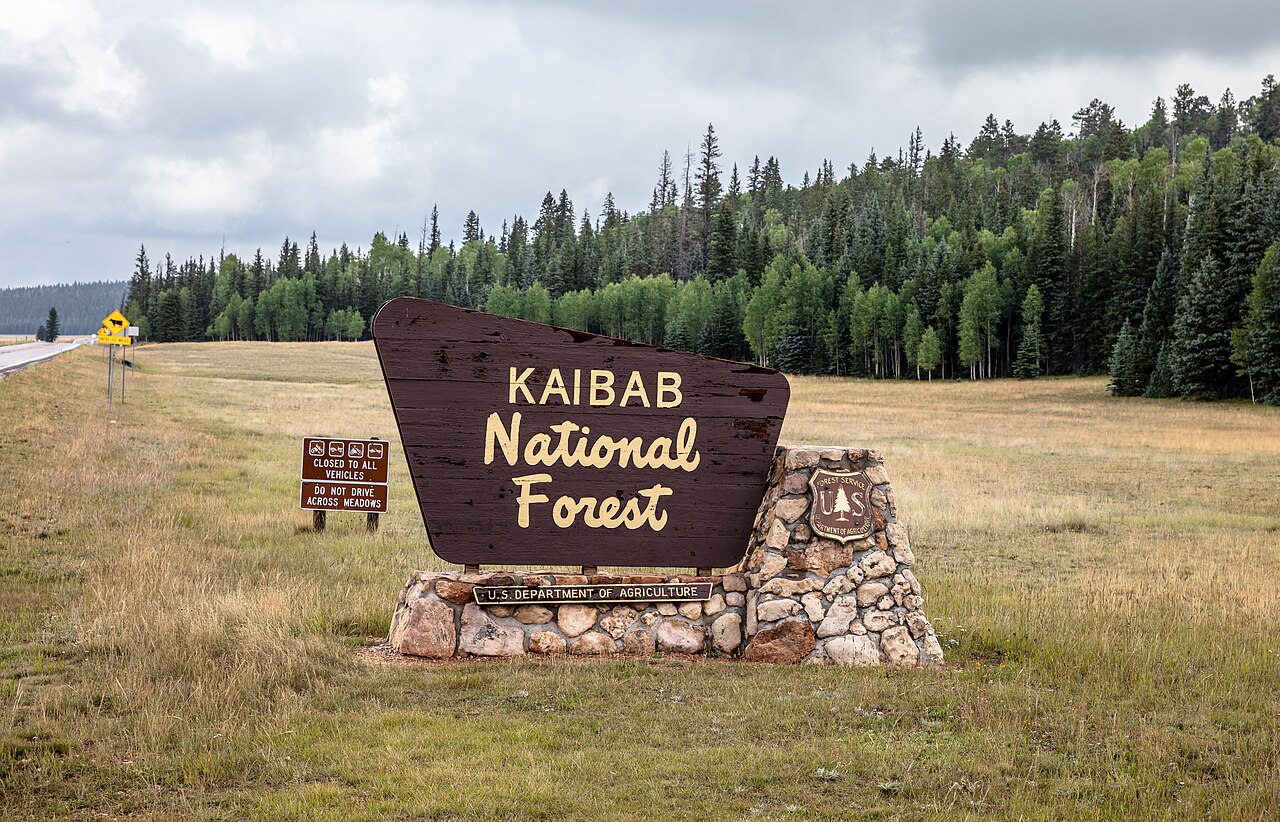
For most travelers, the best time to visit Williams is between May and October. During these months, the daytime temperatures are remarkably pleasant, often hovering in the 70s and 80s, providing a cool respite from the lower-elevation heat. Late spring is particularly beautiful as the surrounding Kaibab National Forest wakes up, and the wildflowers begin to dot the volcanic landscape. This is the peak season for the Grand Canyon Railway, so the town is bustling with energy and the sounds of train whistles.
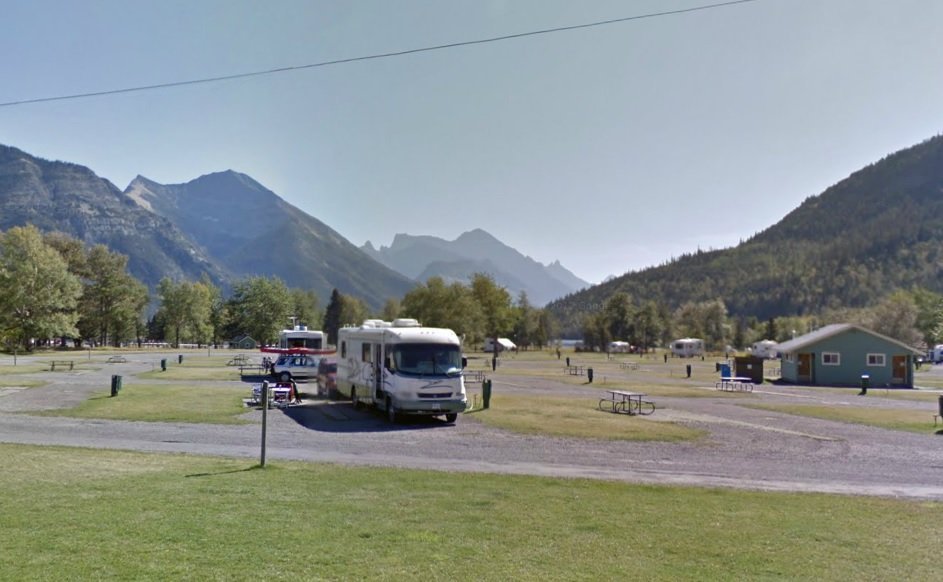
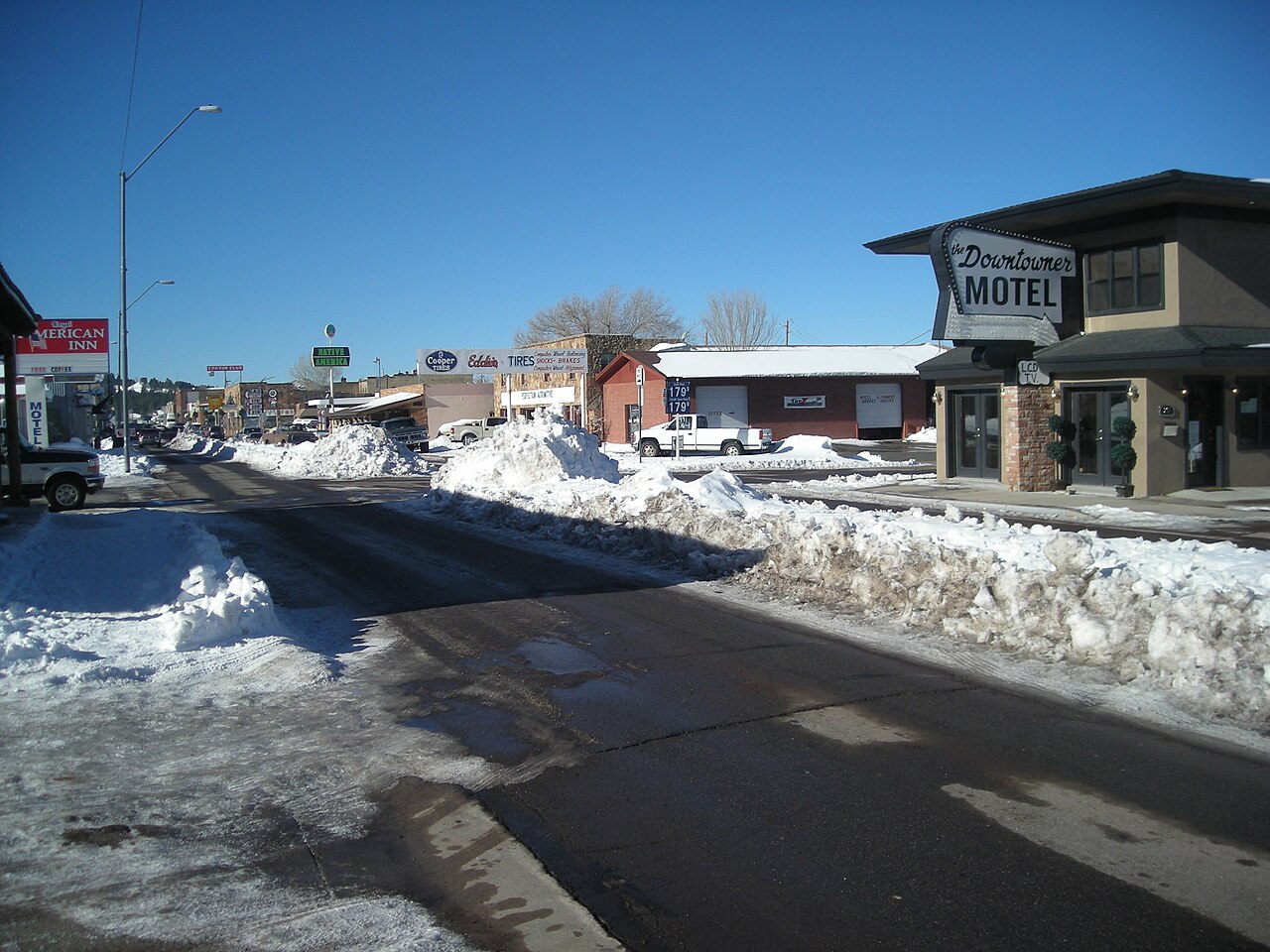
However, this popularity means that downtown accommodations and RV parks fill up quickly. If you plan to visit during the summer months, especially around the Fourth of July or Labor Day, you should look into lodging and train tickets several months in advance. The atmosphere in mid-summer is classic Americana, with neon lights glowing and vintage cars cruising the main drag, making it the most iconic time to experience the Route 66 heritage.
Summer Monsoons and Afternoon Showers
If you visit in July or August, you will likely encounter the Arizona monsoon season. This weather pattern typically brings dramatic clouds and sudden, heavy afternoon thunderstorms. While these storms can be intense, they are usually brief and do a wonderful job of cooling the air and settling the dust. For hikers heading into the nearby forest trails, it is vital to start early in the day to ensure you are off the higher ridges before the lightning begins.
The greenery that follows these rains is spectacular, turning the high desert into a lush landscape that many travelers don't expect from Arizona. The smell of wet ponderosa pines and sagebrush is a highlight of a late summer visit. Just be sure to pack a light rain jacket and stay flexible with your outdoor plans. Most local shops and indoor attractions remain open and provide a cozy place to wait out a passing shower while enjoying a slice of famous local pie.
Autumn Colors and Crisp Mountain Air
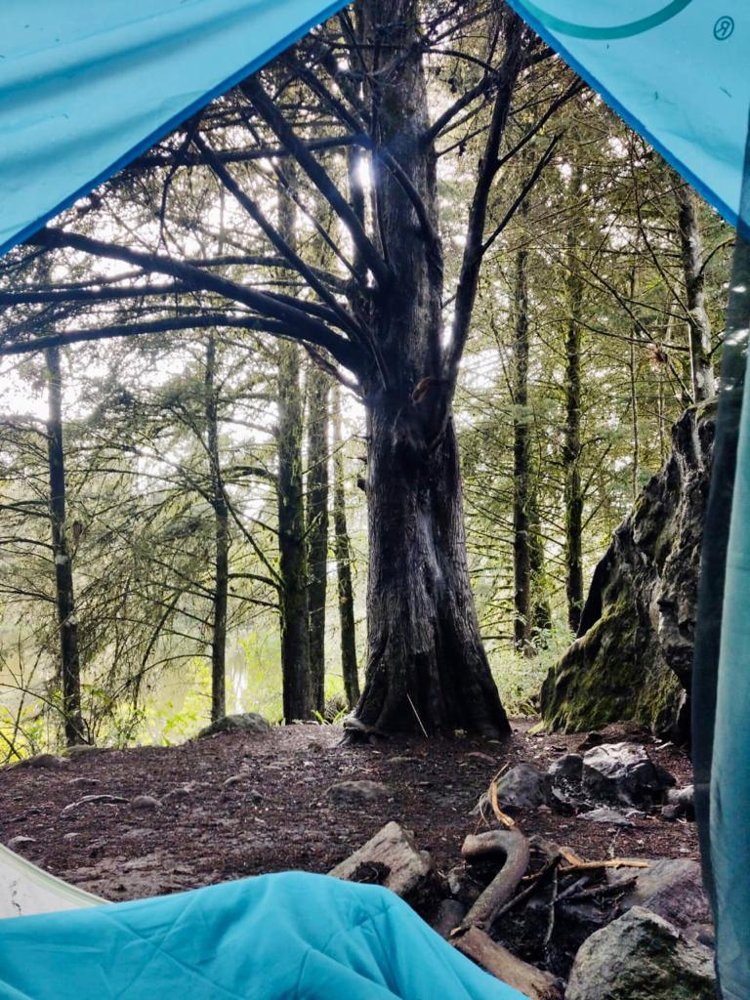
September and October represent a sweet spot for visitors who prefer fewer crowds and cooler temperatures. As the aspen and oak trees in the surrounding hills begin to change, the region transforms into a palette of gold and amber. The mornings become crisp, often requiring a heavy sweater, while the afternoons remain sunny and dry. This is an excellent time for photography and long drives toward the Grand Canyon's South Rim, as the summer rush has dissipated.
Events in the fall often focus on the town's history and the harvest season. While the Grand Canyon Railway continues its daily runs, the pace feels slightly more relaxed. Travelers visiting during this window should check the official NPS site for the Grand Canyon to see if any seasonal road closures or facility changes are planned, though Williams itself stays fully operational throughout the autumn. It is a fantastic time for evening walks down Bill Williams Avenue to admire the historic storefronts under the cooling night sky.
Lock in a stay for this season
Harvest Hosts stays on the way to Williams
Partner link · Harvest Hosts
Winter Magic and The Polar Express
Winter in Williams is a stark contrast to the rest of the year, as the town often finds itself blanketed in snow. From late November through January, the town leans heavily into its 'Christmas Train' identity. The Grand Canyon Railway transforms into a festive experience that attracts thousands of families. If you enjoy a snowy mountain town aesthetic, winter is a magical time, but be prepared for freezing temperatures and potential road closures on the I-40 or Highway 64.
Skiers and snowshoers often use Williams as a basecamp for exploring the nearby mountain slopes. While it is significantly quieter than the summer, the winter months require extra preparation for your vehicle, including ice scrapers and potentially snow tires or chains if a major storm hits. The cozy diners and breweries in town offer a warm refuge from the cold. Note that some high-forest service roads may be closed to vehicles during this time to protect the environment and public safety.
Spring Transitions and Planning Tips
Early spring, specifically March and April, is a season of transition in Northern Arizona. You might experience a bright sunny day followed by a sudden spring snowstorm. The trails can be muddy as the winter snowmelt begins, so it is not always the best time for deep backcountry hiking. However, this is an excellent time for budget-conscious travelers, as lodging rates can be lower before the summer surge begins in May.
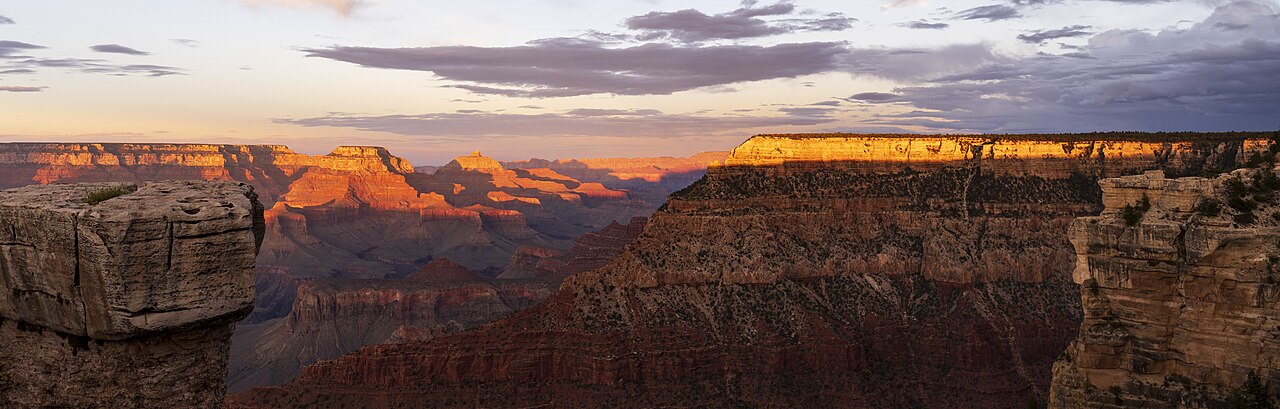
Regardless of when you choose to visit, always remember that Williams is a high-altitude environment. The sun is stronger here, and the air is much drier than at sea level. Hydration is key throughout the year. For the most current information on local events, trail conditions, and railway schedules, always refer to the official National Park Service website or the Williams visitor center resources. Planning ahead for reservations, especially for the train and downtown hotels, is the best way to ensure a smooth and memorable trip to this historic gateway.
More ways to book Williams
 Illustrative · Desiree
Bearizona Wildlife Park
One of the classic ways to experience Williams.
Varies (estimate)
Partner link · Viator