
Timing your visit to the nationâs capital can significantly change your experience, whether you are looking for the iconic pink clouds of cherry blossoms or a quiet walk through historic neighborhoods. The city transforms with each season, offering distinct advantages for photographers, history buffs, and families. While the monuments are open year-round, understanding the nuances of the Mid-Atlantic climate and the federal holiday calendar will help you avoid the largest crowds and the most humid afternoons.
Springtime and the Cherry Blossoms
Spring is widely considered the best time to visit Washington, DC, primarily due to the spectacular blooming of the Yoshino cherry trees around the Tidal Basin. This season, typically spanning from late March through May, brings mild temperatures that are perfect for long walks between the Lincoln Memorial and the Capitol Building. The air is crisp, and the cityâs many gardens, such as those at the United States National Arboretum, come alive with tulips and azaleas.
However, this is also the busiest time of year. The National Cherry Blossom Festival attracts millions of visitors, meaning sidewalks are packed and popular museums require advance planning. If you want to see the blossoms but avoid the peak congestion, consider visiting in early May when the blossoms have fallen but the lush greenery remains and the humidity has not yet peaked. Always monitor the National Park Service bloom watch to time your arrival with nature's unpredictable schedule.

Lock in a stay for this season
RV parks near Washington, DC on RoverPass
Partner link · RoverPass
Autumn Colors and Mild Weather
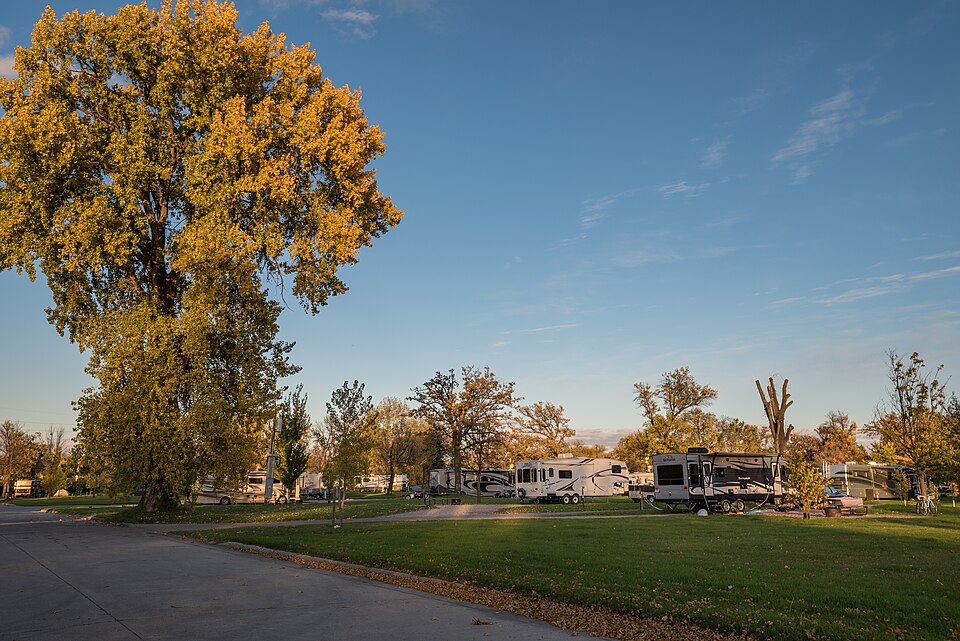
September through November is a favorite among locals and frequent travelers. As the summer heat dissipates, a comfortable cool settles over the District, making it an ideal time for outdoor exploration in Rock Creek Park or along the C&O Canal. The humidity drops significantly, and the fall foliage provides a stunning backdrop of gold and crimson against the white marble of the monuments. This period is also when the city's cultural calendar is most active, featuring various outdoor festivals and the reopening of many seasonal exhibits.
Crowds are generally more manageable in the fall compared to the spring break rush. While school groups are still common, the atmosphere is more relaxed. Late October is particularly beautiful, as the trees lining the National Mall reach their peak color. It is a fantastic time for photography, as the low autumn sun casts long, soft shadows over the Reflecting Pool, providing clear views without the hazy shimmer of summer heat.
Navigating the Summer Heat
Summer in the District, from June to August, is characterized by high temperatures and significant humidity. This is the peak season for family vacations, so expect long lines at the Smithsonian National Air and Space Museum and the National Museum of Natural History. The heat can be intense, often reaching into the 90s, which makes midday monument trekking a challenge. Many visitors choose to spend the hottest hours inside the air-conditioned halls of the National Gallery of Art or the Library of Congress.
Despite the heat, summer offers unique experiences like the Smithsonian Folklife Festival and free outdoor concerts on the Capitol grounds. Evenings are often pleasant as the sun sets and a breeze comes off the Potomac River. If you visit during this time, plan your outdoor sightseeing for the early morning or after dusk when the monuments are beautifully illuminated. Staying hydrated is essential, and many of the public parks offer water stations and shaded benches for tired travelers.

Lock in a stay for this season
Harvest Hosts stays on the way to Washington, DC
Partner link · Harvest Hosts
Winter Charm and Quiet Museums
Winter, from December through February, is the quietest time to explore the city. While the weather can be unpredictableâranging from crisp, sunny days to occasional snowstormsâthe lack of crowds is a major draw. You can often walk right into popular museums that usually require timed entry during the spring. The National Christmas Tree and the decorative displays at the Botanic Garden add a festive atmosphere to the cold months. It is an excellent time for those who prefer indoor attractions and want to experience the city's prestigious dining scene without long waits.
January and February are typically the coldest months, with biting winds blowing off the rivers. However, this is also when you will find the lowest rates for accommodation in the surrounding gateway cities like Arlington or Alexandria. If you dress in layers and plan your route to include frequent stops in heated galleries, a winter trip can be incredibly rewarding. Just be sure to check the official NPS site for any weather-related closures of outdoor sites or parks.
Reservation Timing and Peak Events
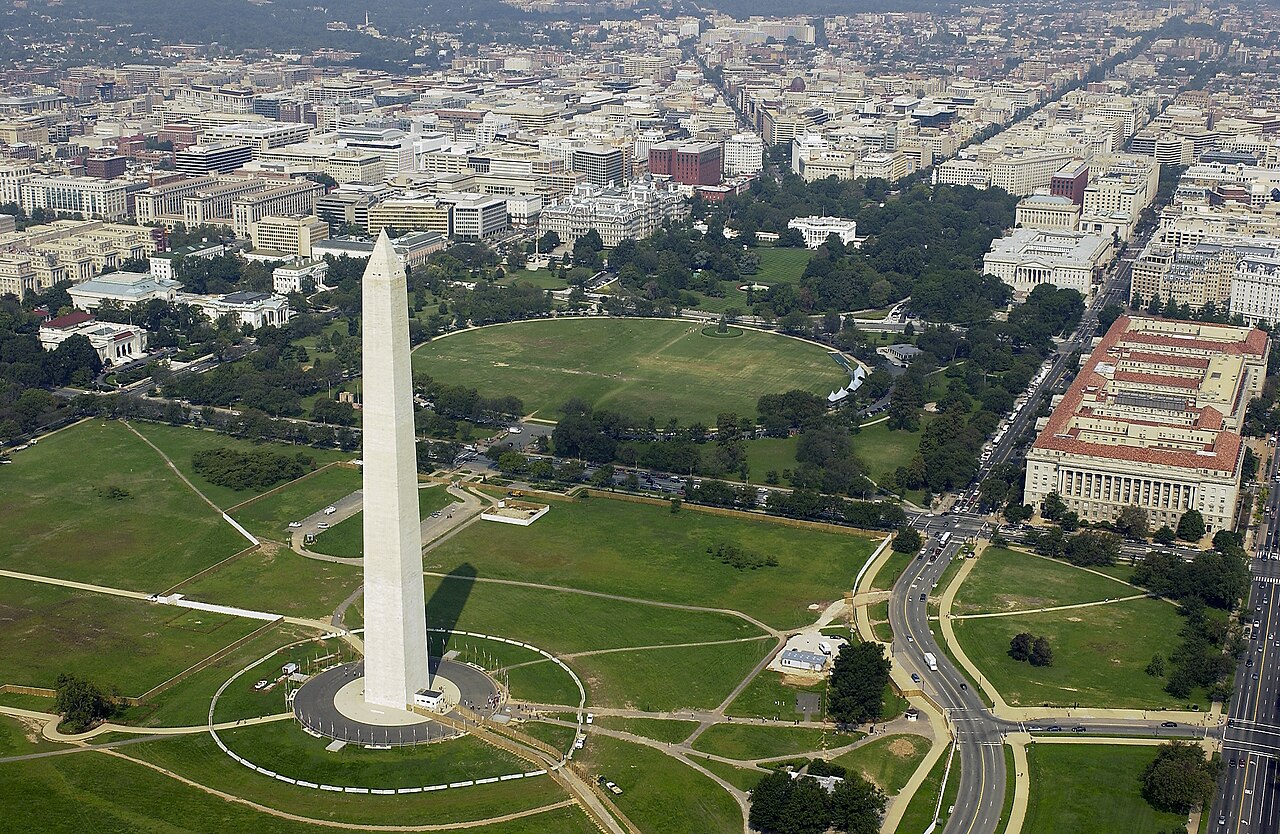
Regardless of the season, timing your reservations is crucial for a smooth trip. For high-demand experiences like a tour of the Washington Monument or the White House, you should check the official government websites months in advance. Many Smithsonian museums have moved to a timed-entry pass system, which can book up weeks ahead during the spring and summer. If your visit coincides with major events like the Presidential Inauguration or the Fourth of July, expect significant security cordons and restricted access to certain areas of the National Mall.
Traveling during the shoulder seasonsâlate April or early Septemberâoften provides the best balance of pleasant weather and availability. Avoiding federal holiday weekends can also help you navigate the city with less stress. Always have a backup plan for rainy days; the cityâs underground passages and interconnected museum wings make it easy to stay dry while still taking in the sights. Planning your logistics around the Metro schedule is also wise, as peak commute times can be crowded regardless of the tourist season.
More ways to book Washington, DC
 Illustrative · Kurt Kaiser
Rock Creek Park Trails
One of the classic ways to experience Washington, DC.
Varies (estimate)
Partner link · Viator