
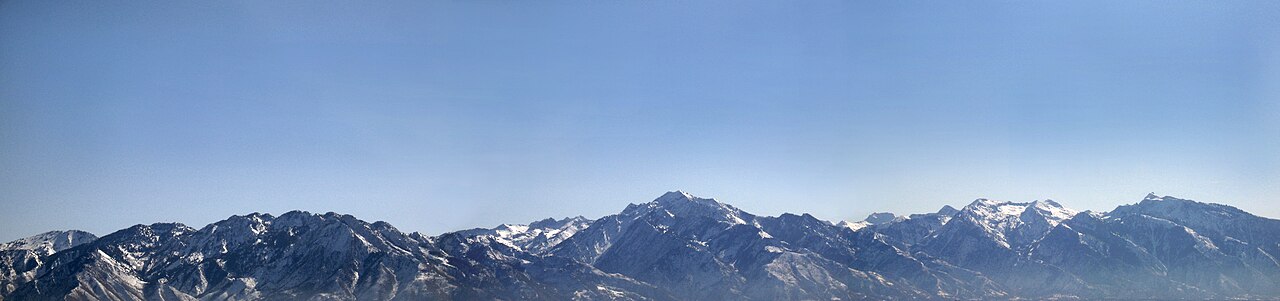
Choosing the best time to visit Wasatch Mountains depends entirely on whether you prefer carving through world-famous powder or trekking across alpine ridges blanketed in wildflowers. This towering range, which forms the eastern edge of the Great Basin, offers distinct seasonal transitions that fundamentally change the landscape. While the mountains are a year-round destination, understanding the shifts in snowmelt, foliage, and temperature will help you plan a trip that aligns with your favorite outdoor pursuits.
Summer Sun and Wildflower Blooms
Summer, typically from late June through August, is arguably the finest window for high-altitude hiking and mountain biking. During these months, the snow has finally retreated from the upper elevations of Big and Little Cottonwood Canyons, revealing lush meadows filled with lupine, Indian paintbrush, and columbine. The temperatures in the valley can often soar into the high nineties, but the Wasatch high country offers a refreshing escape, usually staying ten to fifteen degrees cooler.
This is the peak season for exploring the many alpine lakes, such as Lake Catherine or Bloods Lake, where the water remains crisp and cold even in July. Because the window for snow-free hiking is relatively short, popular trailheads near Alta and Brighton can become quite crowded on weekends. If you plan to visit during this time, starting your day at sunrise is highly recommended to secure parking and enjoy the trails before the midday heat and afternoon thundershowers occasionally roll through the peaks.
Lock in a stay for this season
RV parks near Wasatch Mountains on RoverPass
Partner link · RoverPass
Fall Colors and Crisp Mountain Air
September and October bring a dramatic transformation to the Wasatch Range as the quaking aspens turn a brilliant, shimmering gold. This is many locals' favorite time to visit, as the air turns crisp and the summer crowds begin to thin. The scenic drives, particularly the Alpine Loop and Guardsman Pass, become spectacular corridors of red maples and yellow aspens.
Daytime temperatures are mild and perfect for long-distance trekking, though you should be prepared for sudden changes. It is not uncommon to see a light dusting of snow on the highest peaks as early as late September. As the season progresses into October, many high-elevation facilities and some seasonal roads begin to close in preparation for winter. If you are looking for photography opportunities or quiet moments in the backcountry, the weeks between Labor Day and the first major snowfall offer a serene and visually stunning experience that is hard to match elsewhere in the American West.
Lock in a stay for this season
Campsites near Wasatch Mountains on Campspot
Partner link · Campspot
Winter Sports and The Greatest Snow on Earth
From late November through April, the Wasatch Mountains become a global destination for skiers and snowboarders. The range is famous for its dry, light 'lake effect' snow, often receiving hundreds of inches annually. Resorts like Snowbird, Alta, Solitude, and Brighton are buzzing with activity, and the atmosphere in the mountain towns is electric.
While the skiing is world-class, winter travel requires significant preparation. Snowstorms can be intense, leading to temporary road closures in the steep canyons for avalanche mitigation. If you are visiting for the snow, it is essential to check the Utah Avalanche Center reports and ensure your vehicle is equipped with proper tires or chains as required by state law. Beyond the resorts, winter offers opportunities for snowshoeing and cross-country skiing in areas like Millcreek Canyon. The holiday period between Christmas and New Year's is the busiest time of the year, so booking accommodations well in advance is critical if you want to stay close to the slopes.
Lock in a stay for this season
Harvest Hosts stays on the way to Wasatch Mountains
Partner link · Harvest Hosts
Spring Runoff and The Mud Season
Spring in the Wasatch, lasting from April through early June, is a season of transition known locally as 'mud season.' While the lower elevations near Salt Lake City and Provo begin to green up and sprout spring flowers, the high-country trails remain buried under several feet of snow. This is a time for 'corn snow' skiing in the mornings and perhaps a round of golf or a lower-elevation hike in the afternoons.
Waterfalls are at their most powerful during this period as the winter snowpack begins to melt. Hikes to spots like Donut Falls or Stewart Falls are spectacular in May, though you should expect muddy conditions and potential remaining ice patches. This is a quieter time for tourism, often resulting in lower lodging costs in the surrounding cities. However, many high-altitude roads, such as the Mirror Lake Highway, remain closed until Memorial Day or even later depending on the previous winter's snowfall. It is a great time for those who enjoy witnessing the raw power of the mountain water cycle.
Navigating Crowds and Making Reservations
The Wasatch Mountains are unique because of their proximity to major urban centers, meaning that 'busy' is a relative term. During the peak summer and winter months, popular canyons can reach capacity quickly. For those planning a trip, checking the official Uinta-Wasatch-Cache National Forest website is the best way to stay informed about current trailhead closures, parking restrictions, and fire regulations.
Reservations are increasingly becoming a part of the Wasatch experience. Some popular areas, particularly during the ski season or for specific campgrounds, require booking months in advance. If you are targeting a holiday weekend or the peak of the fall foliage, aim to have your lodging and any necessary permits secured at least three to six months prior to arrival. Mid-week visits are always preferable if you are seeking solitude. By avoiding the Saturday morning rush into the canyons, you will find a much more peaceful environment and have a better chance of spotting local wildlife like moose or mountain goats along the quieter ridgelines.
More ways to book Wasatch Mountains
 Illustrative · The Weather Nutz
Skiing Little Cottonwood Canyon
One of the classic ways to experience Wasatch Mountains.
Varies (estimate)
Partner link · Viator