
Choosing the best time to visit Wallowa Mountains depends largely on how high you intend to climb. Known as the Alps of Oregon, this range experiences distinct seasonal shifts that dictate when the high-alpine trails become accessible. While the valleys start to green up in early spring, the granite peaks often retain their snow well into the month of July. Visitors should always consult the official Forest Service or NPS resources for current snowpack levels and trail conditions before heading out.
Summer High Season and Alpine Access
July through August represents the peak window for exploring the Wallowa Mountains, as this is when the high-altitude passes, like Glacier Pass and Polaris Pass, typically clear of snow. During these months, the weather is generally dry and warm, with daytime temperatures in the 70s and 80s, though it can remain brisk at higher elevations. This is the prime season for backpackers looking to reach the Eagle Cap Wilderness and for families wanting to enjoy the crystal-clear waters of Wallowa Lake without the chill.
Because this is the busiest time of year, popular trailheads and the Wallowa Lake State Park can fill up quickly. It is highly recommended to make camping or lodging reservations several months in advance. Despite the popularity, the vastness of the wilderness area allows for plenty of solitude once you hike a few miles past the main entry points. Expect vibrant wildflower displays in the alpine meadows during late July, creating some of the most iconic photography opportunities in the Pacific Northwest.
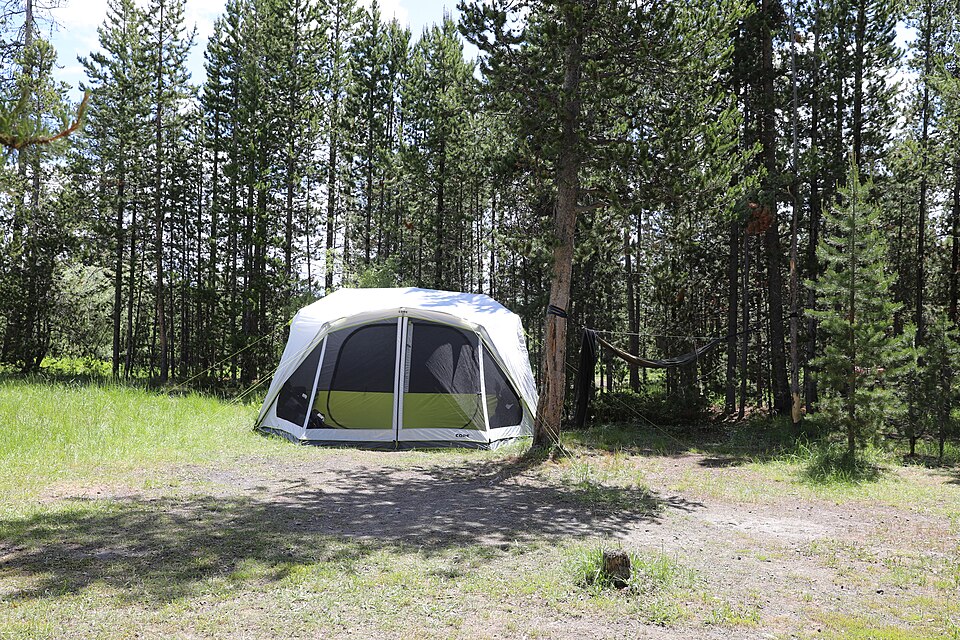
Lock in a stay for this season
RV parks near Wallowa Mountains on RoverPass
Partner link · RoverPass
Autumn Colors and Crisp Mountain Air
September and early October are often considered the best kept secret for visiting the Wallowa Mountains. As the summer crowds dissipate, the larch trees at higher elevations begin their spectacular transformation, turning a brilliant golden hue before dropping their needles. The air becomes crisp and clear, providing excellent visibility for those climbing peaks like Mount Howard. Daytime temperatures are comfortable for strenuous hiking, though nighttime temperatures frequently dip below freezing, necessitating warmer gear for overnight trips.
While some amenities in nearby towns like Joseph or Enterprise may begin to scale back hours, the natural beauty is at its peak. This is an excellent time for wildlife viewing as elk and deer are more active during the cooler parts of the day. Be aware that early season snowstorms can occur as early as late September, so hikers should be prepared for sudden changes in weather and check local forecasts diligently. Hunting season also begins in the fall, so wearing bright colors while hiking is a wise precaution.
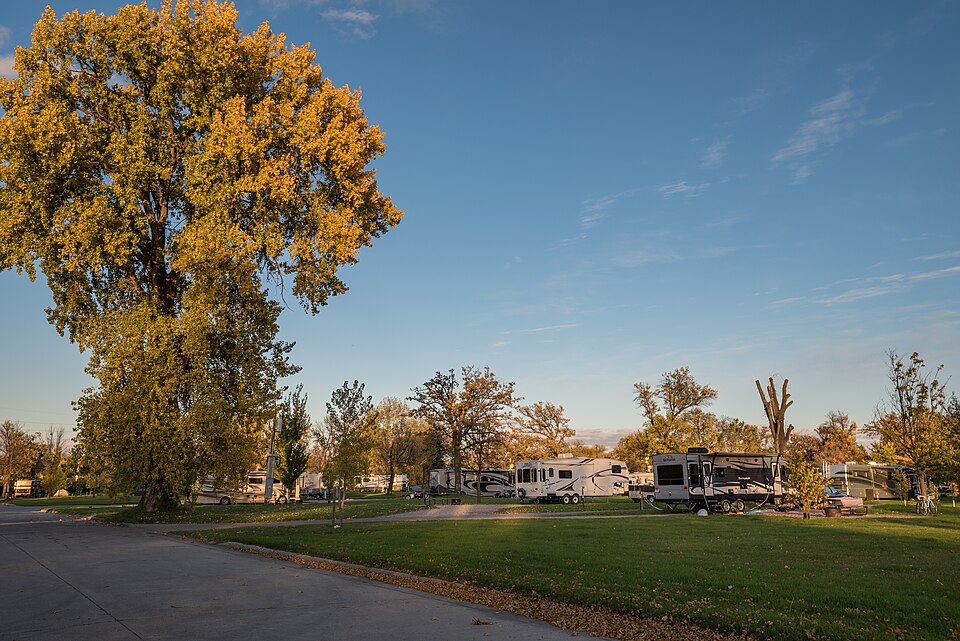
Lock in a stay for this season
Campsites near Wallowa Mountains on Campspot
Partner link · Campspot
Spring Thaw and Valley Blooms
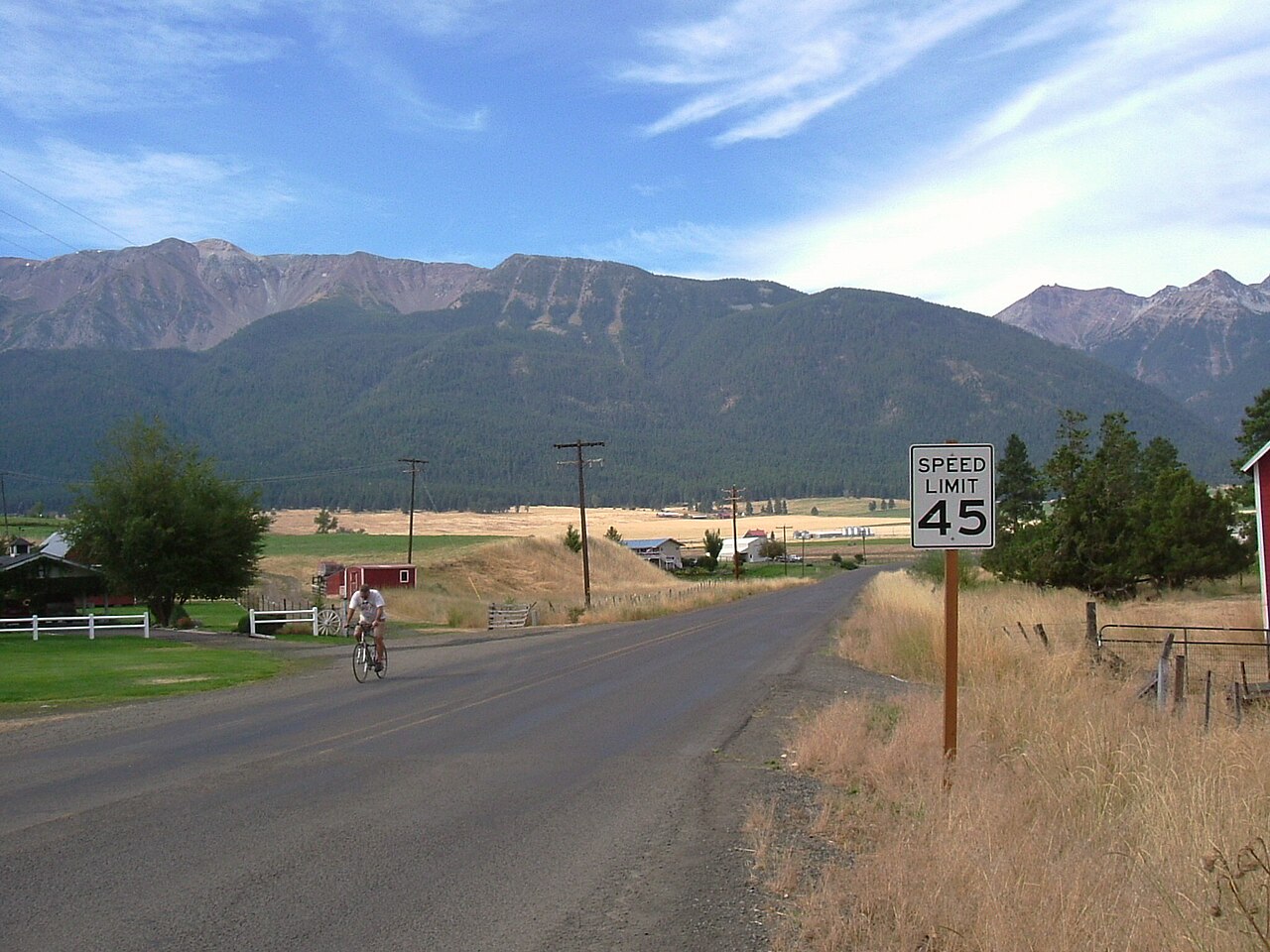
Spring in the Wallowas is a time of dramatic contrast. In May and June, the lower valleys and the shores of Wallowa Lake are lush, green, and bursting with life, while the peaks above remain locked in winter's grip. This is a wonderful time for those who enjoy photography and birdwatching, as the migratory patterns bring a variety of species through the region. You can enjoy lower-elevation hikes along the rivers where the runoff creates powerful, roaring waterfalls.
However, spring visitors should be aware that many high-country trails will be impassable without specialized snow gear like crampons or snowshoes. Creek crossings can also be dangerous due to high water levels from melting snow. If you prefer a quieter experience and don't mind staying at lower elevations, late spring offers a peaceful atmosphere before the summer rush. Budget-wise, this shoulder season can be more affordable for local lodging, though you should check which forest roads have been cleared of winter debris and fallen trees.
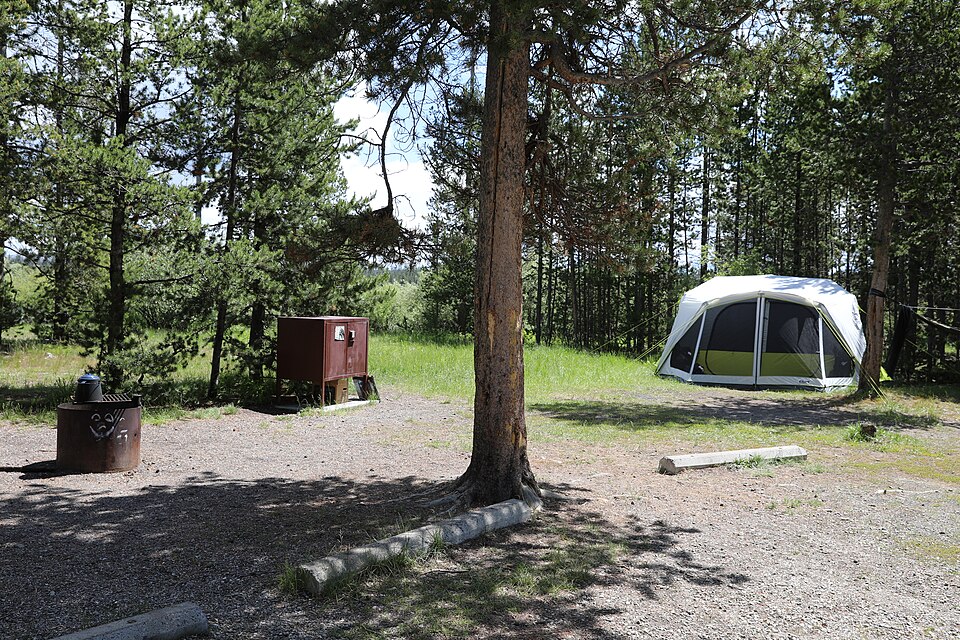
Lock in a stay for this season
Harvest Hosts stays on the way to Wallowa Mountains
Partner link · Harvest Hosts
Winter Solitude and Snow Sports
Winter transforms the Wallowa Mountains into a quiet, frozen wonderland. While the high-altitude backcountry becomes the domain of experienced mountaineers and backcountry skiers, the lower areas offer opportunities for snowshoeing and winter photography. The town of Joseph maintains its charm, though the pace of life slows down significantly. The Wallowa Lake Tramway and many upper-elevation facilities close for the season, so visitors should plan for a self-reliant trip focused on the natural silence of the range.
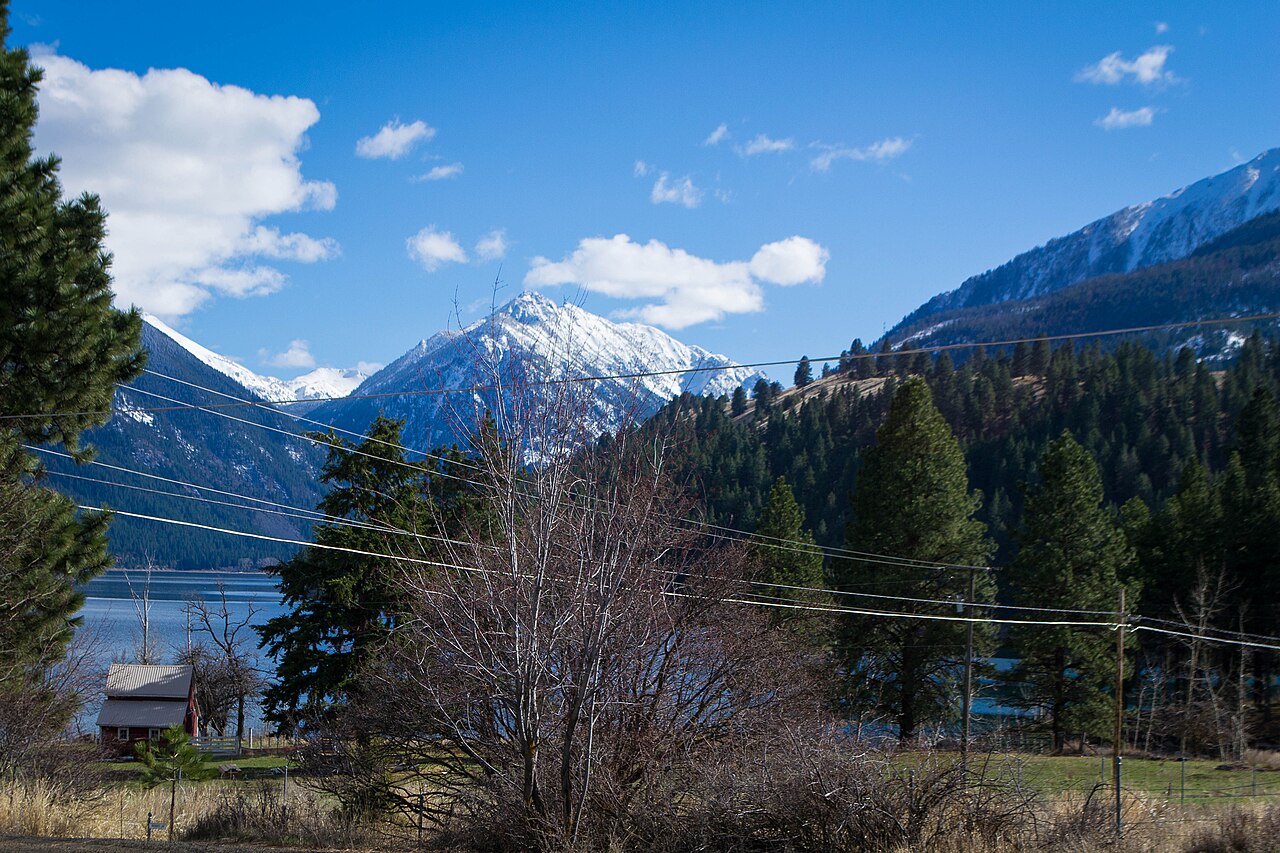
Travelers should be prepared for icy road conditions on Highway 82 and other local routes. Snowfall can be heavy, and some access roads to trailheads are not plowed during the winter months. For those who enjoy the stark beauty of snow-capped peaks against a deep blue sky, winter provides a unique perspective on the 'Oregon Alps' that few tourists ever see. Always check avalanche forecasts if you plan on entering the wilderness, as the steep terrain is prone to slides during and after heavy storms.
Reservation Timing and Crowd Management
To ensure a smooth trip, timing your reservations is just as important as choosing your season. For summer visits, especially around the July 4th holiday or during local festivals in Joseph, accommodations can book out six to nine months in advance. The Wallowa Lake State Park is one of the most popular in the state, and its campsites are highly coveted. If you are planning a backpacking trip, research the specific permit requirements for the Eagle Cap Wilderness, which typically involve self-issued permits at the trailhead for most users.
If you prefer to avoid crowds, try to schedule your visit for mid-week rather than weekends. Tuesdays and Wednesdays often see significantly fewer day-hikers on the popular East and West Fork Wallowa River trails. During the shoulder seasons of June and September, you will find much more flexibility in lodging and dining. Regardless of when you go, checking the official National Forest website for any temporary closures due to fire risk or trail maintenance is a critical final step in your planning process.
More ways to book Wallowa Mountains
 Illustrative · Visitor7
Steamboat Lake Camping
One of the classic ways to experience Wallowa Mountains.
Varies (estimate)
Partner link · Viator