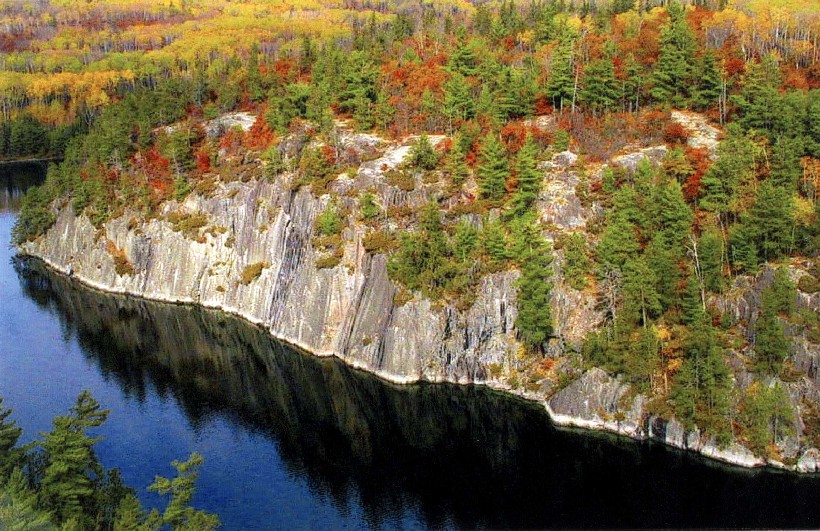
Near Voyageurs, a comfortable outdoor stay is often more about a lakeside cabin or well-equipped rental than a safari tent with hotel service. Glamping-style accommodations vary, so focus on the amenities you actually need and how you will reach the park's water-based activities. A warm bed, a usable kitchen, and a convenient boat departure can matter more here than the label attached to the lodging.
What Glamping Looks Like around Voyageurs
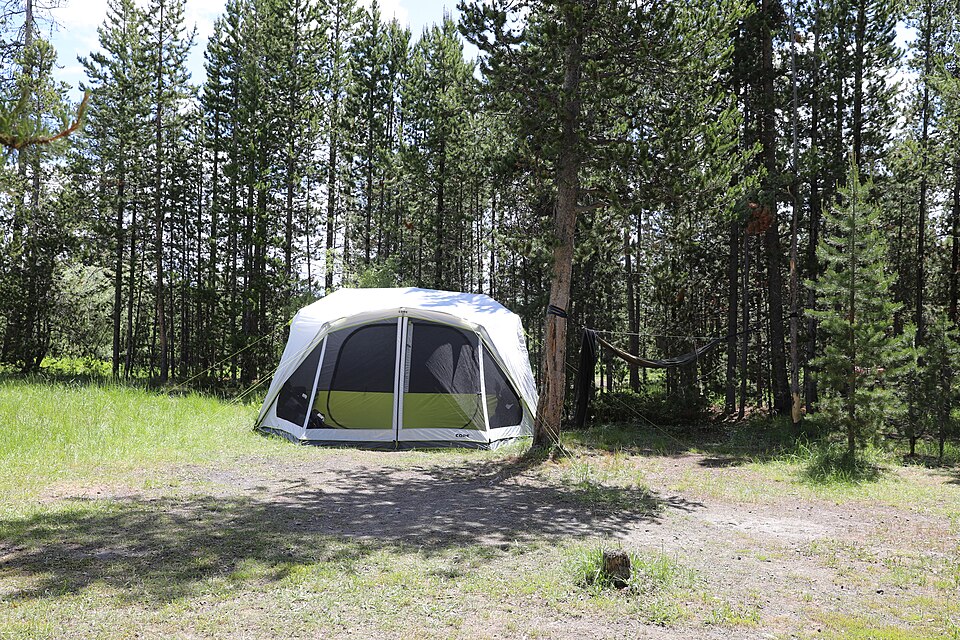
Treat glamping as a comfort checklist rather than a standardized accommodation category. Around Voyageurs, search for cabins and outdoor-oriented rentals with real beds, weather protection, and convenient access to a lake or gateway. If a listing advertises tents, yurts, or other unusual structures, verify the details directly rather than assuming those options are common throughout the area.
Ask whether bathrooms are private, whether drinking water and electricity are provided, and whether heat, bedding, and cooking equipment are included. Waterfront does not necessarily mean a swimmable beach, a usable launch, or direct access to your planned park route. Houseboats offer another comfortable way to stay on the water, but they involve navigation, docking, and overnight-use rules rather than a simple cabin check-in.
Choose a Gateway before Choosing a Property
International Falls is a practical starting point for travelers arriving at Falls International Airport and focusing on the Rainy Lake side. The Kabetogama and Ash River areas are worth investigating when your plans center on launches or boat services there. Match the lodging address to your actual departure point before booking.
Orr can be useful as a broader regional base, especially when you want to combine the park with other northern Minnesota lake experiences. However, staying near Orr does not mean you are already at a Voyageurs launch. Compare real driving routes, not straight-line map distances. If a listing is on an island or otherwise water-access-only, confirm transportation, luggage handling, parking, and what happens when weather disrupts the transfer.
Pick the Right Season for Your Comfort Level
June through September is the simplest period for pairing comfortable lodging with boating and mainland hikes. Summer brings longer days and more visitor services, but also insects and stronger demand for popular dates. A screened porch can be especially useful if spending evenings outside is part of your plan.
Early fall suits travelers who like cooler nights and a quieter pace, provided the property has adequate heat and nearby services are still operating. Ask about seasonal water systems, dock removal, and rental availability before booking late-season dates. Winter cabins require a different plan centered on snow conditions and reliable road access. Never assume a summer-oriented property operates year-round or that an advertised lake view includes suitable winter access.
Where to sleep
Harvest Hosts stays on the way to Voyageurs National Park
Partner link · Harvest Hosts
Pack for the Lake, Not Just the Bed
Even with a furnished stay, bring layers for cool mornings, a waterproof jacket, sturdy walking shoes, sun protection, and insect repellent. A headlamp, reusable water bottles, binoculars, and downloaded maps are useful additions. For boating, use dry bags for clothing and electronics and confirm that properly fitted life jackets are supplied for everyone.
Read the amenity list carefully before packing groceries or cookware. Some rentals provide a full kitchen; others offer only basic food preparation or shared facilities. Ask about linens, towels, drinking water, and food-storage expectations. Bring essential supplies from a gateway town rather than counting on a nearby store. Check current fire restrictions before planning campfire meals, and follow guidance on sourcing firewood locally to limit invasive-pest movement.
Glamping vs. Camping vs. an RV Stay
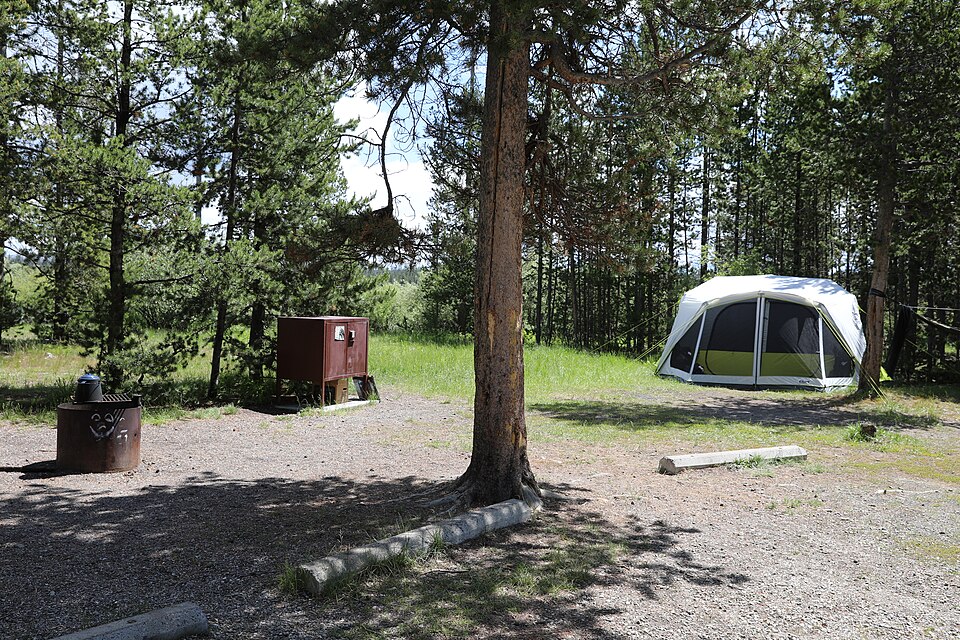
A cabin or glamping-style rental offers the easiest balance of weather protection, comfortable sleep, and a mainland base. Traditional park camping provides a more immersive experience, but established park campsites generally require boat access and advance reservations. You need an appropriate watercraft or transport arrangement, along with equipment for a self-supported stay.
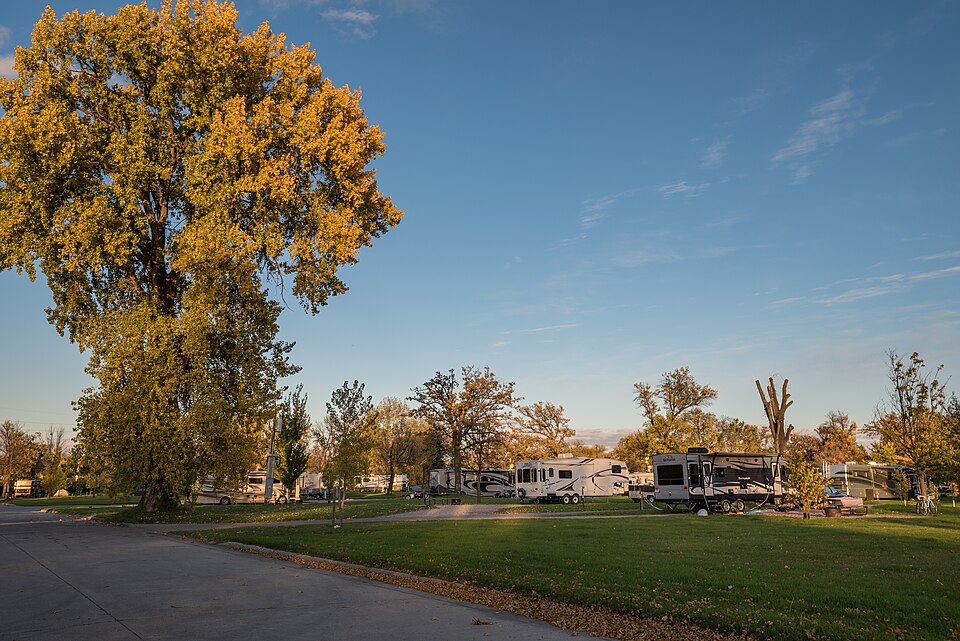
An RV works as a mainland base at campgrounds in the surrounding region; it does not provide road access to the park's island campsites. Compare total estimated costs, including transportation, rental equipment, cleaning charges, and supplies, rather than nightly lodging alone. Check the official NPS website for current camping rules, reservations, and conditions. Choose the style that supports your actual lake plans, not simply the most appealing accommodation photo.