
Virginia Beach glamping offers a unique way to experience the rugged beauty of the Atlantic coast without sacrificing the comforts of home. While traditional camping has long been a staple of the Tidewater region, the rise of elevated outdoor stays allows travelers to sleep under the stars in stylish yurts, safari tents, or vintage trailers. It is the perfect middle ground for those who want to wake up to the sound of songbirds and salt spray while enjoying a real mattress and climate control.
What to Expect from Coastal Glamping
Glamping near Virginia Beach typically emphasizes a connection to the maritime environment. Unlike the high-rise hotels of the resort area, glamping sites are often nestled within pine forests or positioned along the quiet tributaries of the Back Bay. You can expect amenities like comfortable bedding, private decks, and often a fire pit for evening gatherings. Some locations provide basic kitchenettes, while others focus on a more minimalist, eco-friendly approach that encourages you to unplug entirely.
The aesthetic often leans into the coastal theme, with light linens, driftwood accents, and plenty of screened-in space to enjoy the breeze without the company of local mosquitoes. It is a distinct shift from the bustling energy of the boardwalk, offering a sanctuary where the primary soundtrack is the wind through the sea grass. Whether you are in a luxury canvas tent or a refurbished Airstream, the goal is to provide a seamless transition between the indoor living space and the surrounding natural beauty of the Virginia coast.
Glamping vs. Traditional Camping and RVs
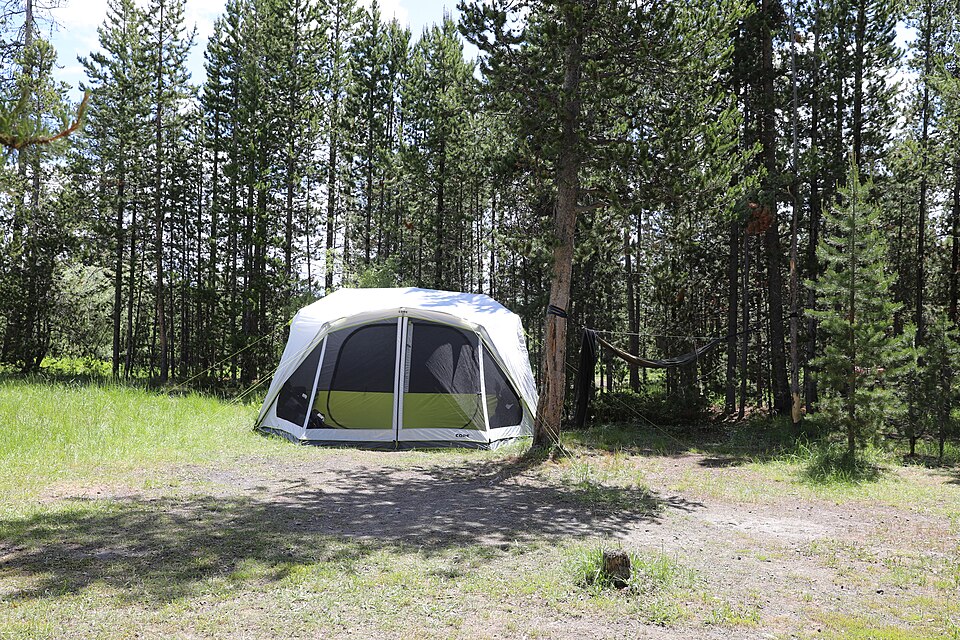
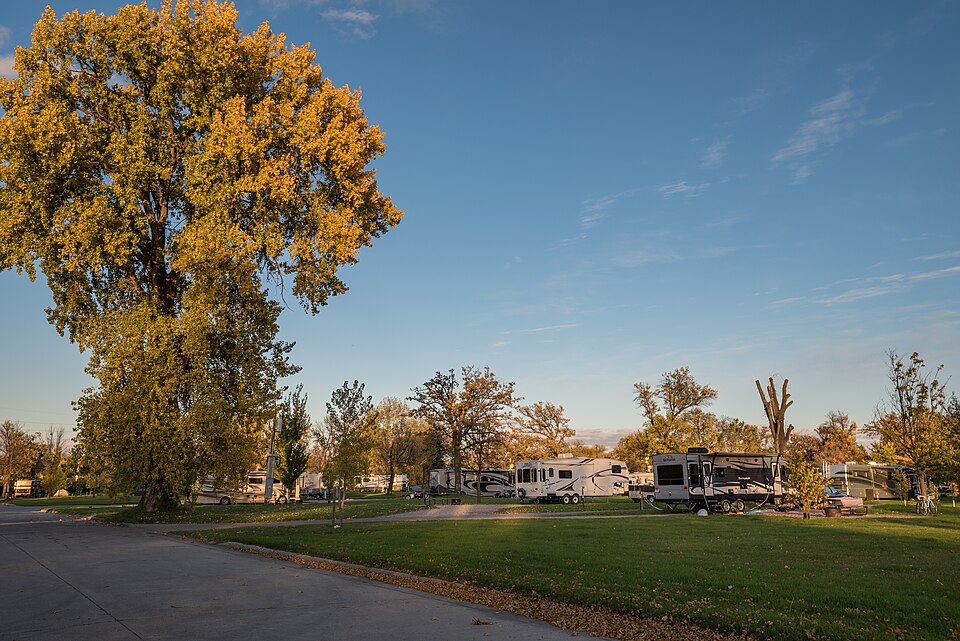
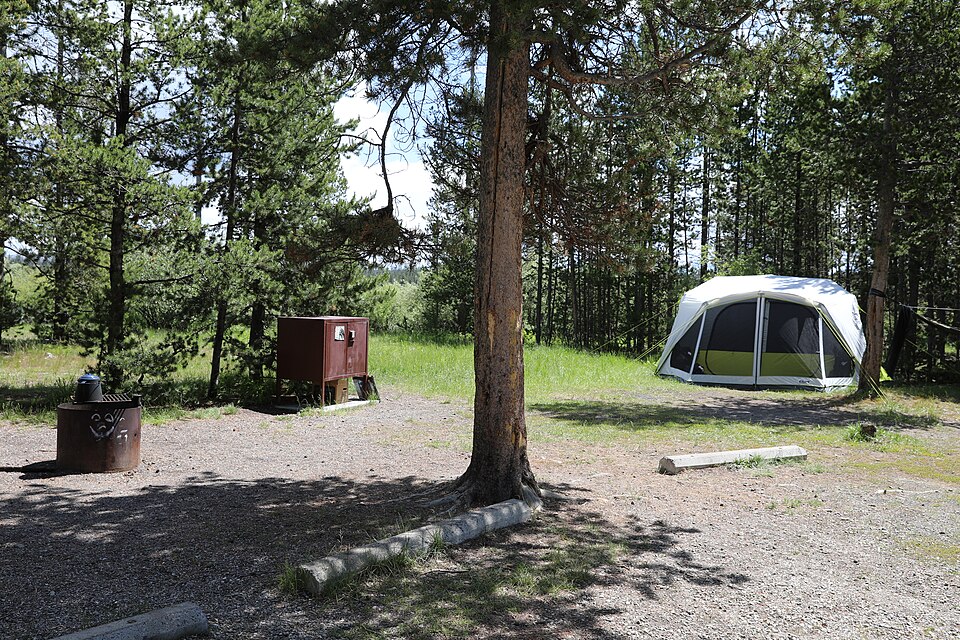
The choice between glamping, traditional tent camping, and RVing in Virginia Beach depends on your desired level of immersion and effort. Traditional camping at places like First Landing State Park is wonderful for those who love the ritual of pitching a tent and cooking over a camp stove, but it requires bringing a significant amount of gear. RVing is a popular middle ground, offering mobility and amenities, but it requires navigating large vehicles and finding sites with appropriate hookups.
Glamping removes the logistical hurdles of camping. You don't need to own a tent or worry about the weather as much, as your structure is pre-set and weatherized. It is ideal for travelers flying into Norfolk International Airport who can't bring a trunk full of gear. While traditional camping is the most budget-friendly option, glamping offers a luxury experience that feels like a boutique hotel stay, just with thinner walls and better views. It caters to those who want the adventure of the outdoors but prefer a hot shower and a plush pillow at the end of the day.
Top Glamping Locations and Environments
While you won't find glamping sites directly on the crowded resort beach, the surrounding areas offer diverse environments for these stays. The Pungo area, known for its sprawling farms and proximity to the Back Bay, is a prime location for private glamping sites that offer views of the marshes. Here, you are just a short drive from the ocean but feel worlds away in a rural, quiet setting. The Chesapeake Bay side also features pockets of wooded land where yurts are tucked away among the loblolly pines.
Some of the best glamping experiences are found just south of the city near the North Carolina border, where the land opens up into vast wildlife preserves. Staying in these areas allows you to be the first one on the trails in the morning. Always check for sites that emphasize their proximity to water access, as being able to launch a kayak directly from your glamping site is a major perk. These locations provide a sense of place that you simply can't get from a standard hotel room, placing you right in the heart of the coastal ecosystem.
Best Seasons for an Outdoor Stay
The best time for glamping in Virginia Beach is during the shoulder seasons of late spring and early fall. During May and September, the temperatures are mild enough that you don't need to rely heavily on heating or cooling, and the humidity is at a manageable level. Spring brings the bonus of blooming wildflowers and active birds, while fall offers warm water for swimming and fewer insects. Many glamping sites operate on a seasonal basis, often opening in April and closing by late October or November.
Summer glamping is also popular, though you should look for sites that offer air conditioning or heavy-duty fans, as the Virginia humidity can be intense in July and August. Winter glamping is rarer in this region, as many of the canvas-style structures aren't designed for freezing temperatures, though hard-sided yurts or cabins may remain open. Booking your stay well in advance for the summer months is essential, as the limited number of high-end glamping units means they fill up much faster than traditional hotel rooms or large campgrounds.
Preparing for Your Glamping Trip
When preparing for a Virginia Beach glamping trip, pack like you are going on a hybrid vacation. You will want comfortable hiking shoes for exploring the nearby state parks and flip-flops for the beach. Even if your site provides linens, bringing a favorite blanket or a good headlamp for nighttime trips to the fire pit can enhance the experience. Bug spray and sunblock are non-negotiable, as the coastal environment is home to plenty of biting insects and strong sun reflection off the sand and water.
Before you book, always check the official site of the glamping provider for a list of included amenities. Some may provide firewood and s'mores kits, while others might require you to bring your own cooking utensils. Also, be sure to check the proximity to the nearest grocery store, as some of the more remote sites in the Pungo or Sandbridge areas are a bit of a drive from major retailers. By doing a little bit of prep work, you can ensure your glamping getaway is a stress-free immersion into the natural wonders of coastal Virginia.