
Choosing the best time to visit Upper Peninsula depends largely on whether you prefer the emerald canopy of the summer forests or the fiery transition of the autumn leaves. This region is defined by its relationship with Lake Superior and Lake Michigan, creating unique microclimates that dictate the rhythm of travel. While the winters are legendary for their deep snow, the spring through fall window offers the most accessibility for traditional outdoor recreation and sightseeing.
Summer Sun and Great Lakes Breezes
Summer is widely considered the peak season for exploring the U.P., as the temperatures become comfortable for hiking, paddling, and swimming. During July and August, daytime highs often hover in the mid-70s to low 80s, though the proximity to the Great Lakes can bring sudden cooling breezes. This is the prime window for visiting the Pictured Rocks National Lakeshore, where the water is at its calmest for boat tours and kayaking.
However, summer is also the busiest time of year. Popular destinations like Mackinac Island and Tahquamenon Falls can see significant foot traffic. If you plan to visit during these months, it is essential to check the official NPS or Michigan State Parks websites for reservation requirements, as campgrounds and popular trailheads often reach capacity early in the day. The long daylight hours in the north provide ample time for evening bonfires and late-sunset photography along the rugged shoreline.
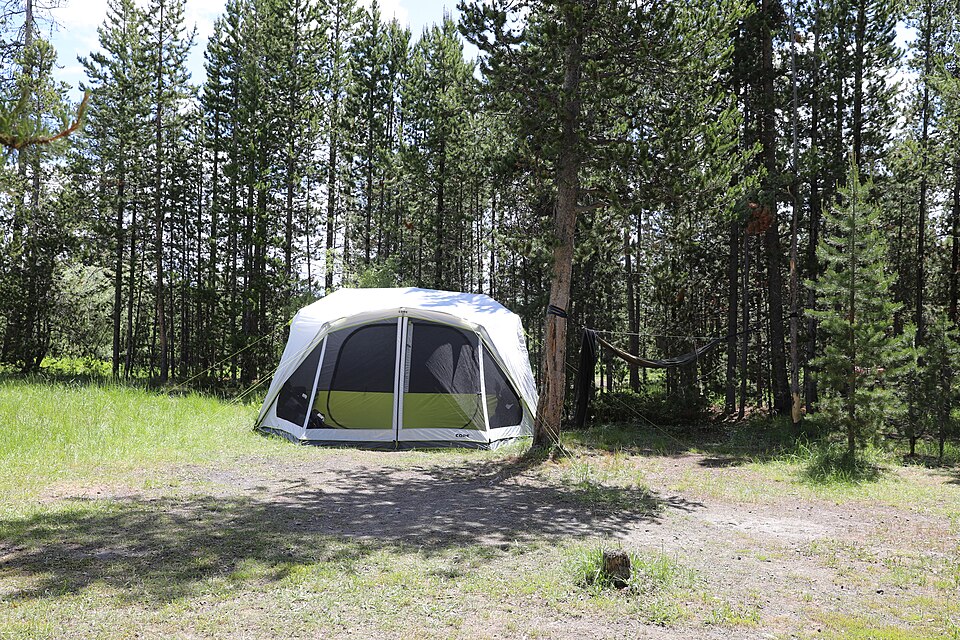
Lock in a stay for this season
RV parks near Upper Peninsula on RoverPass
Partner link · RoverPass
Autumn Colors and the Crisp Northern Air
Many locals argue that fall is the absolute best time to visit Upper Peninsula. From late September through mid-October, the dense forests of maple, oak, and birch undergo a dramatic transformation into shades of crimson, gold, and orange. The air turns crisp, making it ideal for strenuous hikes like the climb to Sugarloaf Mountain or exploring the Porcupine Mountains Wilderness State Park.
Fall also marks a decrease in the insect population, which can be a relief for those sensitive to the black flies and mosquitoes common in early summer. While the days remain bright, the nights become chilly, often dropping near freezing by late October. Travelers should pack layers and be prepared for the possibility of early lake-effect snow flurries. Because the foliage window is relatively short and highly dependent on temperature, it is wise to monitor local color reports to time your trip for the peak saturation of the canopy.
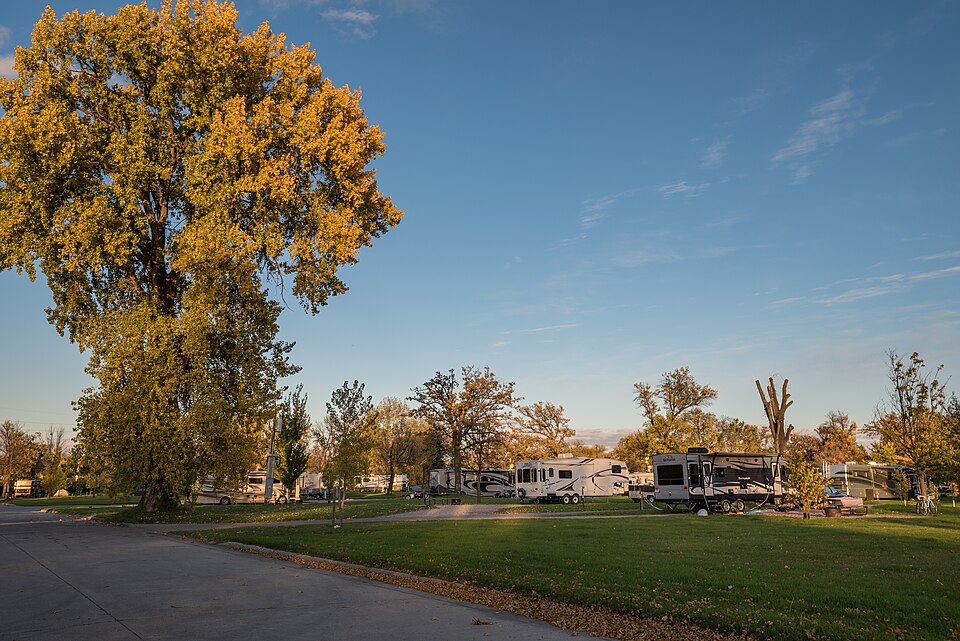
Lock in a stay for this season
Campsites near Upper Peninsula on Campspot
Partner link · Campspot
Spring Thaw and Waterfall Season
Spring in the Upper Peninsula is a season of transition, often referred to as 'mud season' by those who live there. As the massive winter snowpack begins to melt in April and May, the region's hundreds of waterfalls reach their peak volume. This is a spectacular time to witness the power of the Tahquamenon River or the hidden drops near Munising. The rushing water is a sight to behold, though travelers should be aware that many unpaved backroads may remain soft or impassable until late May.
Early spring visitors will find the region much quieter than in the summer months, offering a sense of solitude at even the most popular overlooks. However, the black fly season typically begins in late May or June, so bringing appropriate protective gear is recommended if you plan to be in the deep woods. Birdwatchers also find this time rewarding as migratory species return to the northern forests and shorelines.
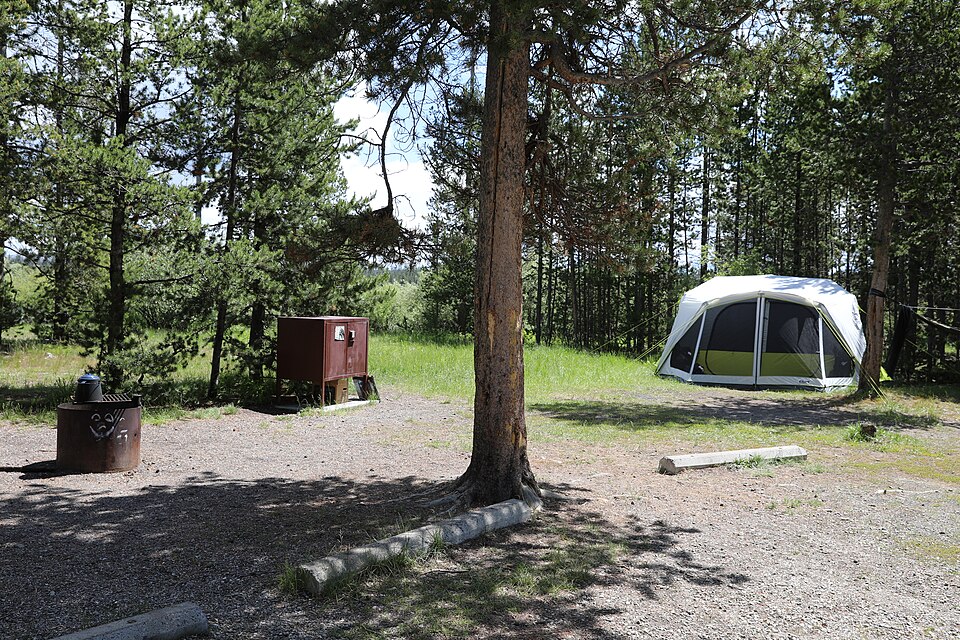
Lock in a stay for this season
Harvest Hosts stays on the way to Upper Peninsula
Partner link · Harvest Hosts
Crowds and Reservation Timing
Due to the popularity of the Upper Peninsula as a summer getaway for the entire Midwest, timing your reservations is critical. For peak summer dates, especially around the Fourth of July or Labor Day, lodging and campsites in places like Copper Harbor or St. Ignace often book out six months to a year in advance. If you prefer a quieter experience, consider visiting during the 'shoulder' weeks in early June or late September.
Mid-week visits are generally less crowded than weekends, allowing for more space on the trails and shorter waits at local eateries. Always consult the official park websites before heading out, as some areas may require vehicle permits or have specific entry windows to manage visitor flow. By planning ahead, you can ensure that you spend more time enjoying the pristine wilderness and less time navigating the logistics of a high-demand travel season.
Weather Variability and Packing Essentials
The weather in the Upper Peninsula is notoriously unpredictable due to the influence of the surrounding Great Lakes. Even in the height of summer, a sudden front can move in from Lake Superior, dropping temperatures by twenty degrees in a matter of minutes. When planning your visit, think in terms of layers. A waterproof windbreaker, a warm fleece, and sturdy, water-resistant hiking boots are essential items regardless of the month you choose.
In the fall, the humidity drops, but the wind can pick up significantly along the coastlines. In the spring, high-quality rain gear is a must to enjoy the waterfalls comfortably. Despite the variable conditions, the sheer beauty of the landscapeâfrom the white sand beaches of Lake Michigan to the rocky cliffs of the Keweenaw Peninsulaâmakes the effort worthwhile. Keeping a flexible itinerary will allow you to adjust your activities based on the day's forecast, ensuring a successful adventure in Michigan's wild north.
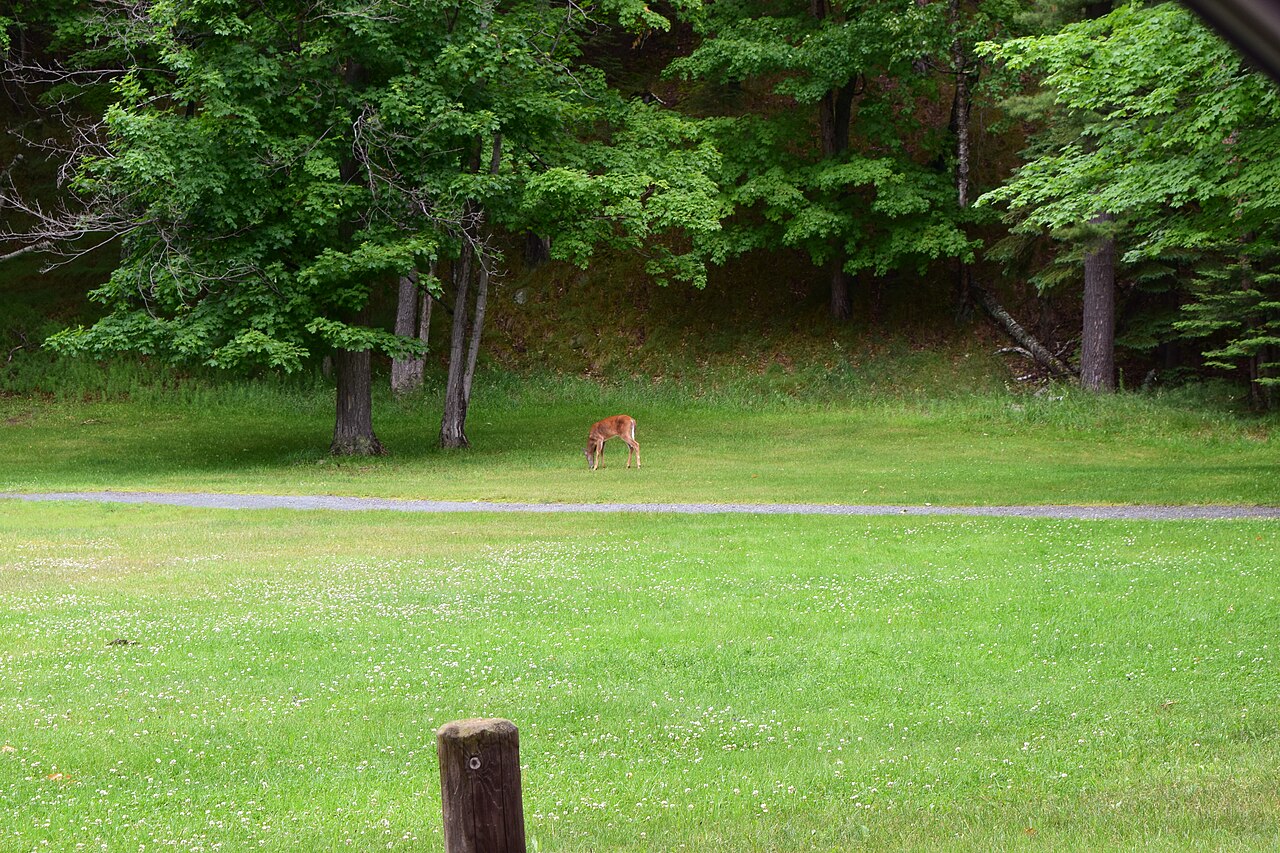
More ways to book Upper Peninsula
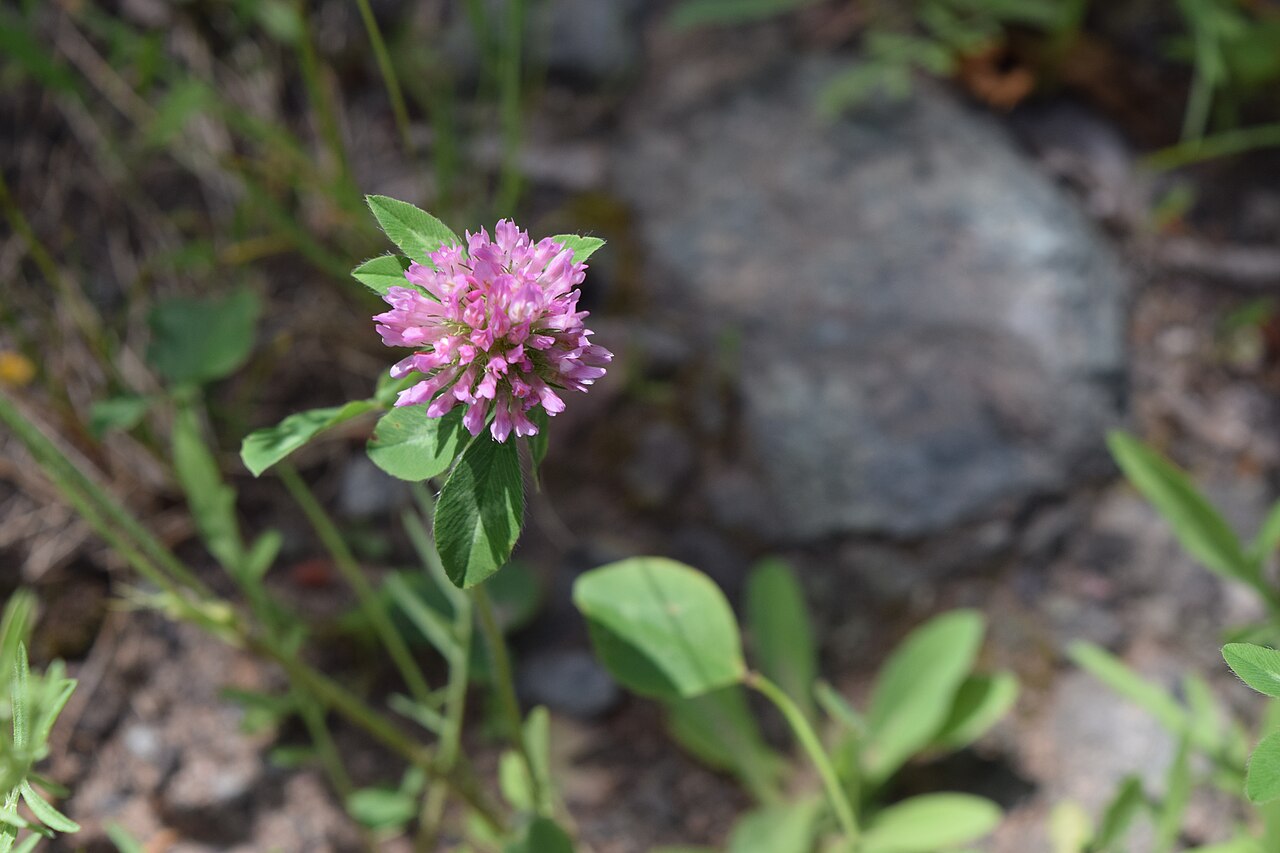 Illustrative · sgharvey@ymail.com
Mackinac Island Visit
One of the classic ways to experience Upper Peninsula.
Varies (estimate)
Partner link · Viator