
For those who want to experience the natural beauty of the Georgia coast without sacrificing the comforts of home, glamping is the perfect solution. While Tybee Island itself is primarily known for its historic cottages and beachfront hotels, the surrounding area offers several unique opportunities for elevated outdoor stays. From luxury canvas tents tucked into the maritime forest to refurbished vintage trailers, glamping allows you to fall asleep to the sounds of the marsh and wake up to the salty Atlantic breeze. Check the official Georgia State Parks and local sites for current site availability.
The Glamping Experience on the Georgia Coast
Glamping near Tybee Island offers a bridge between traditional camping and a boutique hotel experience. Instead of pitching your own tent and sleeping on the ground, you can expect sturdy structures, comfortable mattresses, and often climate control to manage the Georgia humidity. Many glamping sites in the region are designed with an aesthetic that mirrors the coastal environment, featuring driftwood accents, lanterns, and cozy outdoor seating areas. It is an ideal choice for travelers who want to be close to nature but prefer a real bed and high-quality linens.
In addition to the physical comforts, glamping sites often provide amenities that traditional campgrounds lack, such as private fire pits with pre-split wood, communal outdoor kitchens, or even proximity to artisanal coffee shops in the gateway towns. This allows you to spend your days kayaking or beachcombing and your evenings relaxing in a space that feels curated and peaceful. The focus here is on "slow travel," encouraging guests to disconnect from their devices and reconnect with the coastal landscape.
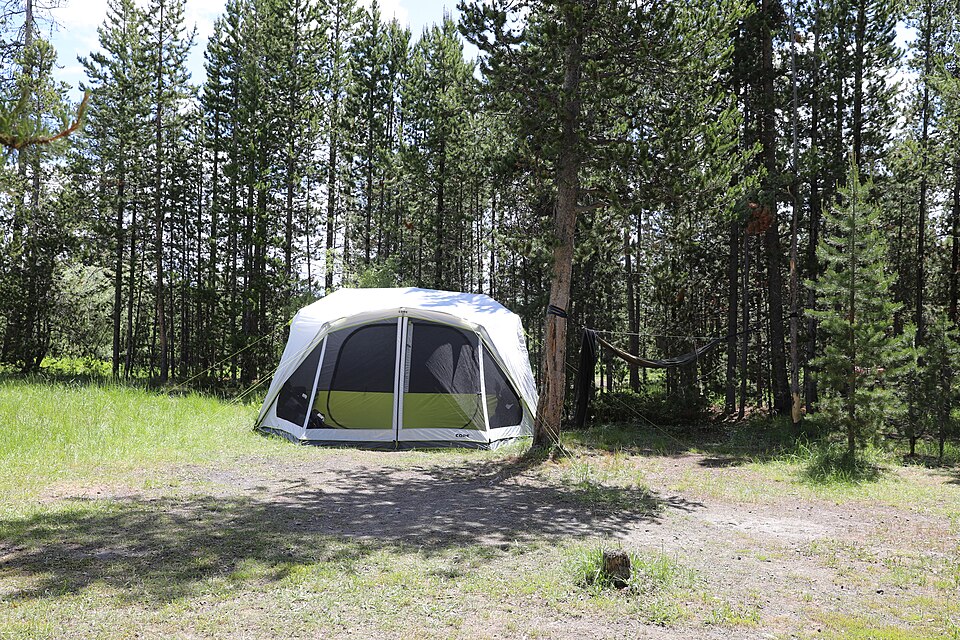
Where to Find Glamping Near Tybee
While you won't find large-scale glamping resorts directly on the crowded Atlantic beaches of Tybee, the nearby gateway areas offer excellent alternatives. The town of Thunderbolt and the outskirts of Savannah provide a more secluded, wooded setting that is only a 15 to 20-minute drive from the island's shores. These locations often feature glamping sites nestled under ancient live oaks draped in Spanish moss, providing a quintessentially Southern atmosphere that you can't get in a beachfront hotel.
Another popular area for luxury outdoor stays is Skidaway Island, located just south of Tybee. Here, you can find options that range from pre-set safari-style tents to modern cabins that offer a glamping feel with a bit more structure. Staying in these nearby communities gives you the best of both worlds: quiet, starry nights away from the island's neon lights, and easy access to the beaches and restaurants of Tybee during the day. Always verify the exact location of your site to ensure it meets your expectations for privacy and proximity to the water.
Glamping vs. Traditional Camping and RVs
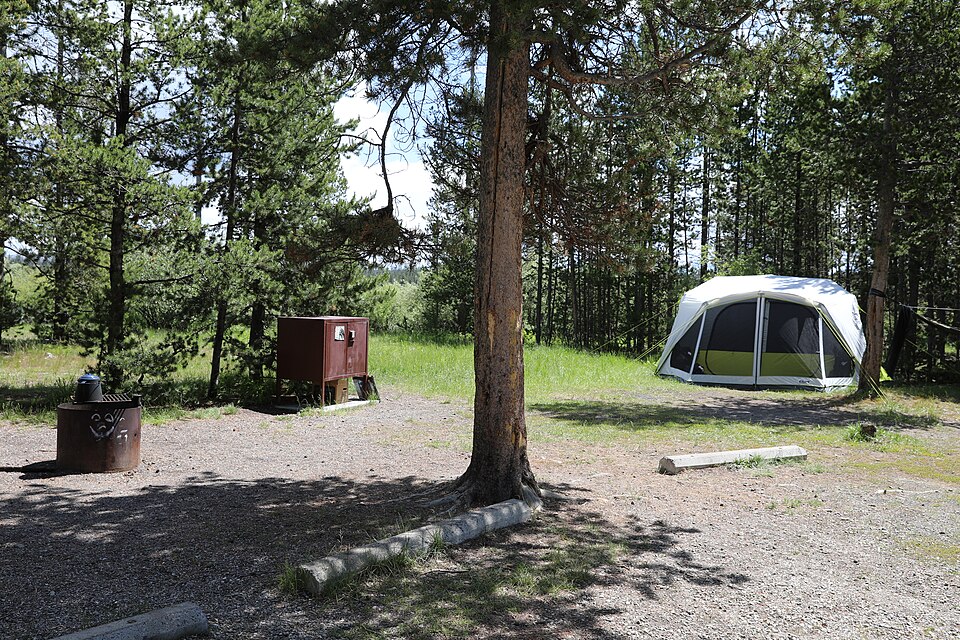
When deciding how to stay near Tybee Island, it is important to understand the differences between the various outdoor options. Traditional camping is available at several state parks and private campgrounds in the region, offering a low-cost way to stay but requiring you to bring all your own gear. For many, the heat and insects of coastal Georgia make traditional tent camping a challenge during the summer months. Glamping addresses this by providing screened-in areas and fans or air conditioning, making the outdoors much more accessible year-round.
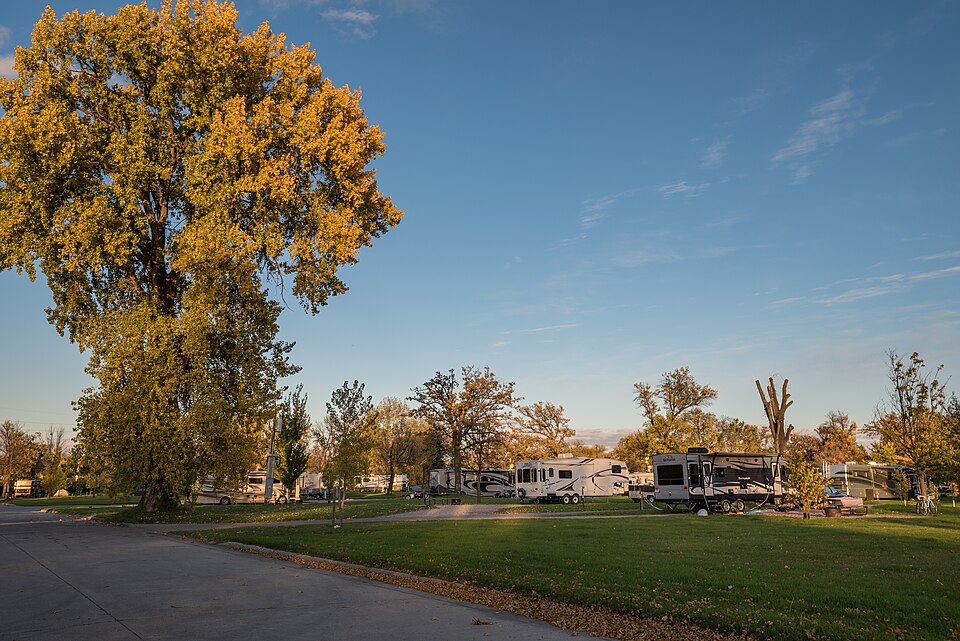
RV travel is also very popular in the area, with several parks offering full hookups. However, RVing requires owning or renting a large vehicle and navigating coastal roads. Glamping provides the "stationary" version of this lifestyleâoffering a unique, often themed dwelling without the need to drive a rig. For those who want the novelty of a stay in a renovated Airstream or a yurt but don't want the logistical hurdles of towing, glamping is the superior choice. It offers a level of style and convenience that traditional methods simply can't match.
Best Seasons for Coastal Glamping
Timing is everything when it comes to an enjoyable glamping experience in Georgia. The spring months of March through May are perhaps the most popular, as the weather is mild and the bugs are not yet at their peak. You can enjoy the outdoor sitting areas of your glamping site without being overwhelmed by the heat. Fall, particularly October and November, is another fantastic window, offering crisp mornings and comfortable evening temperatures that are perfect for a campfire. The changing colors of the marsh provide a stunning backdrop for your stay.
Winter glamping is also possible, especially in sites that offer heating. The Georgia coast rarely sees freezing temperatures, so a well-insulated tent or cabin can be quite cozy in January. Summer glamping is the most challenging due to the intense humidity and the presence of gnats and mosquitoes. If you choose to glamp in July or August, ensure your chosen site has robust climate control and consider bringing extra insect repellent. No matter when you go, booking well in advance is necessary, as unique glamping units are limited and tend to fill up quickly.
What to Pack for Your Glamping Trip
Even though your glamping site will provide the basics like bedding and light, you should pack strategically to make the most of the experience. Bring slip-on shoes for moving between your tent and the outdoor areas, and definitely pack a pair of sturdy water shoes if you plan on exploring the marshes. A high-quality headlamp or flashlight is useful for navigating the grounds at night, as many glamping sites keep lighting low to preserve the natural atmosphere and protect local wildlife. Don't forget a portable power bank if you plan on taking lots of photos of the scenic landscape.
Since you will be spending a lot of time outdoors, bring layers to adjust to the shifting coastal temperatures. A light windbreaker is essential for evenings on the water, while breathable cotton clothing is best for the daytime. You might also want to bring a small cooler for drinks and snacks, even if your site has a shared kitchen. Finally, remember that you are in a natural area; packing unscented toiletries can help minimize attracting local critters to your site. Check with your specific glamping provider to see if they offer extras like beach chairs or umbrellas, which can save you space in your car.