
Glamping in Traverse City offers the perfect middle ground for travelers who want to immerse themselves in Northern Michiganâs natural beauty without giving up the comforts of home. Surrounded by cherry orchards, rolling dunes, and dense hardwood forests, the region provides a stunning backdrop for elevated camping experiences. From safari-style tents tucked into the woods to modern yurts overlooking the bay, glamping allows you to fall asleep to the sound of the wind through the pines and wake up to the fresh lake air.
What Glamping Looks Like in Northern Michigan
Glamping near Traverse City typically involves high-end canvas tents, yurts, or even converted vintage trailers. Unlike traditional camping, these accommodations often feature real mattresses, luxury linens, and sometimes even small heating units for chilly northern nights. The aesthetic is often 'rustic chic,' utilizing natural wood, local textiles, and outdoor seating areas with private fire pits. You can expect a greater level of privacy than a standard campground, as many glamping sites are situated on private acreage or within quieter sections of larger outdoor resorts.
Many sites also provide communal amenities like upscale bathhouses, shared outdoor kitchens, and organized evening activities like marshmallow roasting or stargazing sessions. The goal is to provide a curated outdoor experience where the logistical hurdles of pitching a tent and sleeping on the ground are removed. This makes it an ideal choice for couples looking for a romantic escape or families who want the novelty of sleeping outdoors with the convenience of a hotel-like setting. It is a way to stay connected to the landscape of the Leelanau or Old Mission peninsulas while enjoying a touch of luxury.
Top Glamping Areas: From Dunes to Orchards
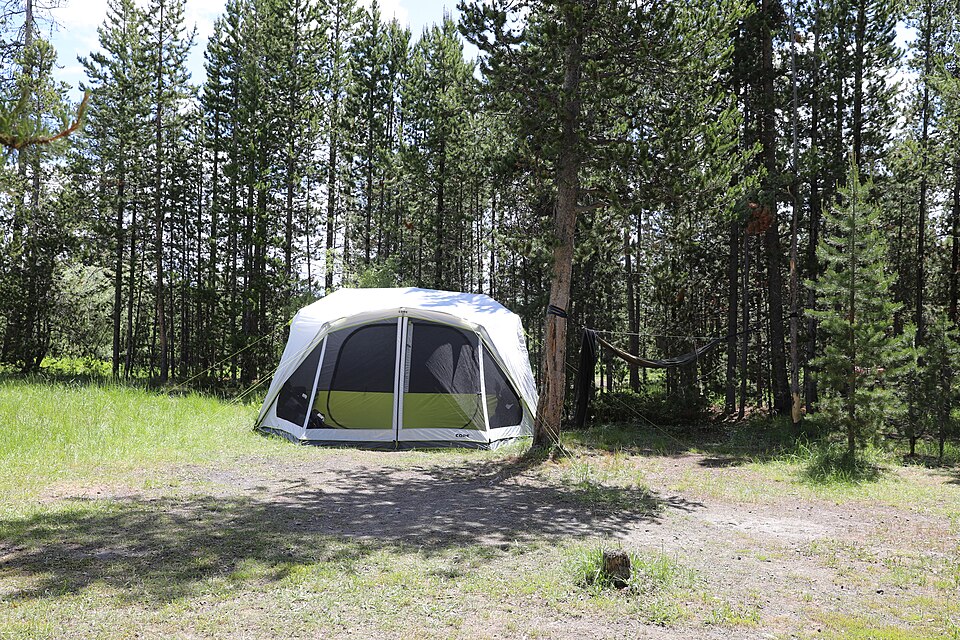
The areas surrounding Traverse City offer diverse environments for glamping. To the west, near the Sleeping Bear Dunes National Lakeshore and the town of Empire, you will find sites that focus on the rugged, sandy landscape and proximity to Lake Michigan. These locations are perfect for those who want to spend their days hiking the bluffs and their nights listening to the distant roar of the surf. The terrain here is dominated by towering pines and open meadows, providing a true wilderness feel.
Alternatively, the Leelanau Peninsula and the Old Mission Peninsula offer glamping opportunities nestled within agricultural landscapes. Imagine staying in a luxury tent overlooking a vineyard or a cherry orchard, where the rows of trees provide a sense of order and tranquility. These sites often place you closer to the regionâs famous farm-to-table culinary scene, making it easy to pick up local provisions for an evening meal at your campsite. Gateway cities like Cadillac and Petoskey also offer nearby glamping options that serve as excellent basecamps for exploring the wider Northern Michigan region.
Seasonal Considerations for Your Stay
Due to the harsh Michigan winters, the glamping season is relatively short, typically running from late May through early October. The most comfortable months are July and August, when the overnight temperatures stay in the 60s. However, June and September offer their own charms; June brings the lush green of early summer and longer daylight hours, while September features the beginning of the fall color change and fewer insects. If you choose to glamp in the shoulder seasons, be prepared for temperatures to drop significantly once the sun goes down.
Because many glamping structures are not fully insulated, checking the weather forecast is essential. Early spring and late fall can see frost, so bringing extra layers is a smart move even if your site provides blankets. Reservations for peak summer weekends should be made well in advance, as the demand for unique outdoor lodging has increased significantly in recent years. Always check the specific amenities of your chosen site, as some may operate entirely off-grid while others offer full electrical hookups and Wi-Fi access, depending on the level of 'roughing it' you desire.
Glamping vs. Traditional Camping and RVs
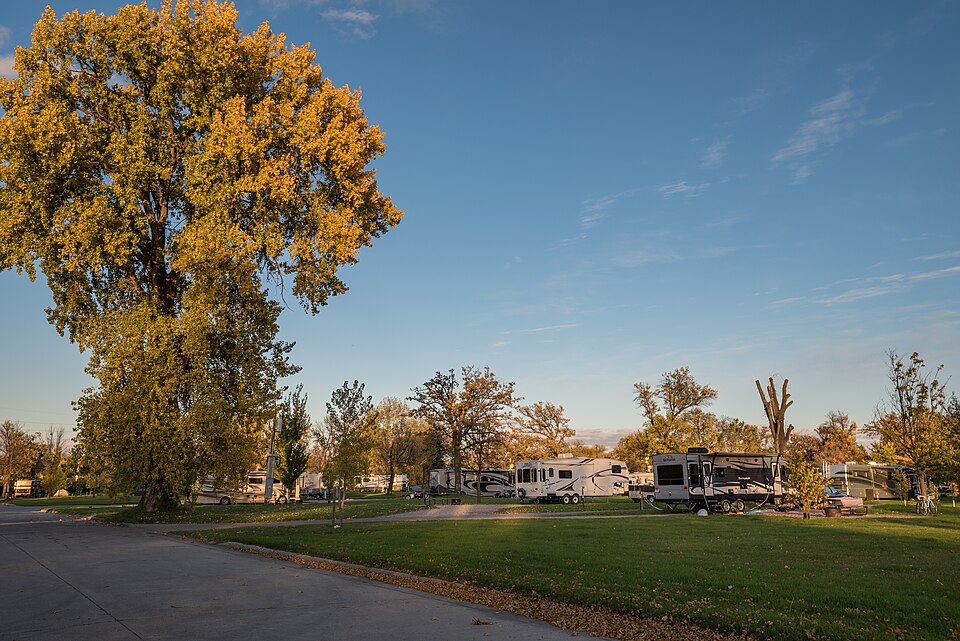
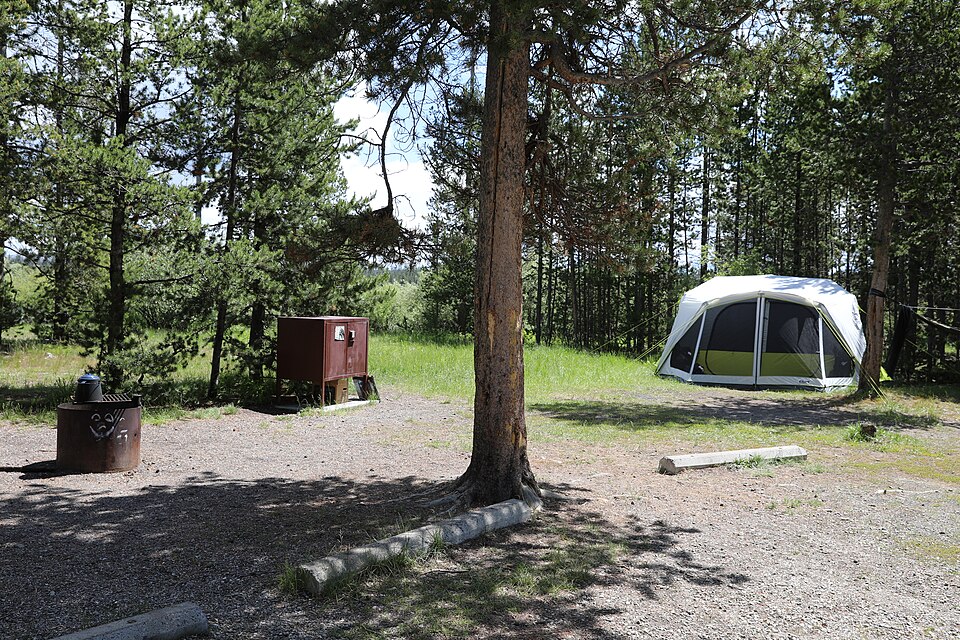
Choosing between glamping, traditional camping, and RVing depends on the type of experience you want. Traditional camping in places like the D.H. Day Campground offers a more rugged, self-sufficient experience but requires you to bring all your own gear and deal with the elements directly. RVing is a popular choice for those who want their own mobile home-base, but it can be difficult to find available sites with full hookups during the busy summer months in Traverse City, and navigating narrow peninsula roads in a large rig can be stressful.
Glamping sits in the sweet spot, providing the immersion of camping without the gear heavy-lifting. It is particularly well-suited for travelers flying into Cherry Capital Airport who cannot easily pack tents, sleeping bags, and cooking equipment. While glamping is generally more expensive than a standard campsite, the daily budget of around 190 dollars can still be managed if you balance the lodging cost with picnics and free outdoor activities like hiking the dunes. It offers a unique sense of place that a standard hotel room simply cannot match, allowing you to stay in the heart of the Northern Michigan woods.
Essential Tips for the Modern Glamper
To make the most of your Traverse City glamping trip, come prepared for the specific environment of the Great Lakes. Even in a luxury tent, you are still in nature, so bringing high-quality insect repellent and sun protection is a must. The proximity to water means that humidity can be high, and evening breezes off the bay can be surprisingly cool. It is also wise to bring a good headlamp or flashlight for navigating between your tent and the communal areas at night, as many glamping sites use minimal lighting to preserve the dark sky experience.
Respecting the local environment is key to keeping these areas beautiful. Always follow 'Leave No Trace' principles, even in a managed glamping setting. Secure your food to avoid attracting local wildlife like raccoons or black bears, which are present in Northern Michigan. Before you arrive, check the official park or site websites for information on fire bans, especially during dry spells in late summer. By blending the comfort of modern amenities with a respect for the wild character of the region, you can enjoy a truly memorable and sustainable stay in one of Michiganâs most beautiful areas.