
Townsend is known as the peaceful side of the Smokies, offering a quieter alternative to the bustling nearby tourist hubs. Choosing the right season is essential for maximizing your time outdoors, whether you are here for the vibrant wildflowers of spring or the crisp mountain air of autumn. Because the town serves as a direct gateway to Cades Cove, timing your visit influences everything from wildlife sightings to traffic levels along the scenic loops.
Spring Blooms and Mountain Awakening
Spring is widely considered the best time to visit Townsend for nature lovers. From late March through early June, the surrounding forest floor erupts in a carpet of trillium, violets, and wild geraniums. The weather is generally mild, with daytime temperatures hovering in the 60s and 70s, though evenings remain brisk. This is a prime window for birdwatching as migratory species return to the Tennessee valley.
Water levels in the Little River are typically high during this season, making it a beautiful time for riverside photography, though it may still be too cold for swimming. Crowds are manageable compared to the summer peak, but you should expect increased traffic during the annual wildflower pilgrimage events in the national park. It is a period of transition where the vibrant greens of the forest are at their most brilliant, providing a refreshing backdrop for hikers heading toward the Abrams Falls trailhead or exploring the quiet walkways near the Townsend entrance.
Lock in a stay for this season
Harvest Hosts stays on the way to Townsend
Partner link · Harvest Hosts
Summer Sun and River Recreation
Summer in Townsend is defined by the cool waters of the Little River. During July and August, the town becomes a hub for families looking to escape the heat. The humidity of East Tennessee is palpable, but the higher elevations of the Great Smoky Mountains National Park provide a natural respite. Temperatures frequently reach the upper 80s, making water-based activities like tubing and fishing the primary draw for most visitors.
This is the busiest time of year for the region. While Townsend remains quieter than Pigeon Forge, you will still encounter full campgrounds and busy trailheads. If you plan to visit during the summer months, arriving at popular spots like Cades Cove early in the morning is crucial to avoid the midday sun and the heaviest vehicle traffic. The long daylight hours allow for extended evening drives, which is often when black bears and white-tailed deer are most active in the low-lying meadows nearby. Always check the official NPS site for current water safety and road conditions.
Autumn Foliage and Crisp Air
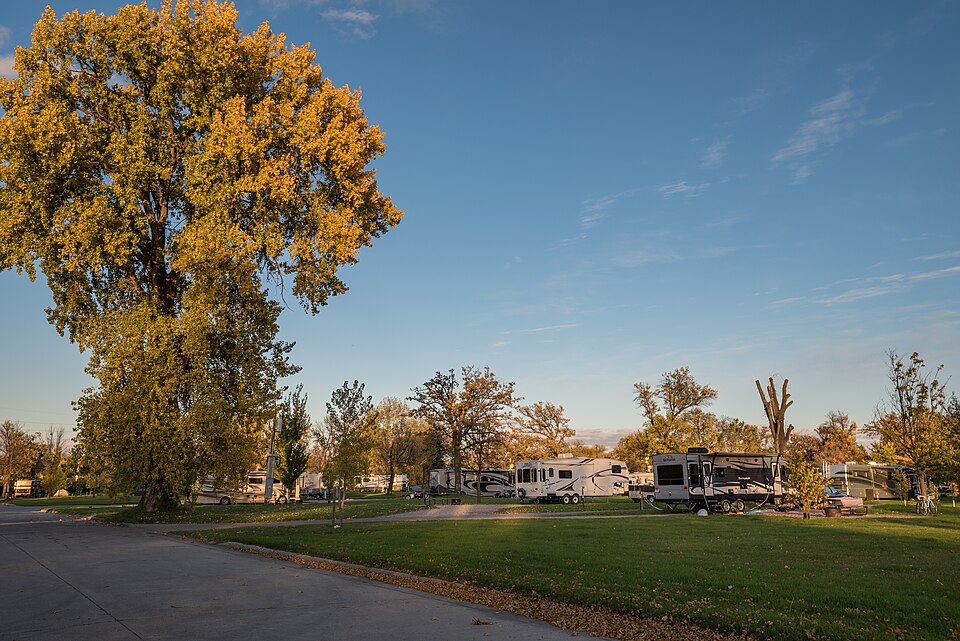
For many, the best time to visit Townsend is during the spectacular fall foliage peak, which usually occurs from mid-October to early November. The maples, oaks, and hickories transform the landscape into a sea of red, orange, and gold. The air turns crisp, with daytime highs in the 60s falling into the 40s at night, creating the perfect environment for evening campfires and cozy lodge stays.
Because the fall colors are such a massive draw, this season rivals summer for popularity. Accommodations often book up months in advance, especially for the weekends in October. Driving the Foothills Parkway during this time offers some of the most expansive views of the changing canopy in the entire Southeast. Wildlife viewing in Cades Cove is also at its peak, as the elk and deer are active during the rut. Expect slow-moving traffic on scenic drives, but the visual reward of the mountains draped in autumn hues makes every minute worth the wait.
Winter Quiet and Snowy Peaks
Winter brings a profound stillness to the peaceful side of the Smokies. From December through February, the crowds disappear, and the town takes on a slow, sleepy character. While the valley floors may only see light dusting of snow, the higher peaks visible from Townsend are often capped in white. Temperatures frequently dip below freezing at night, so warm layers and reliable footwear are essential for any outdoor exploration.
Visiting during the winter offers a unique opportunity for solitude on the trails that are usually packed during the summer. Some secondary roads within the national park may close due to ice or snow, so it is vital to check the official park website before heading out. Many local shops and smaller restaurants may operate on reduced winter hours, but the primary attractions like the Great Smoky Mountains Heritage Center remain accessible. This is the most affordable time to visit, with lower rates for cabins and lodges, making it ideal for a budget-friendly retreat.
Crowd Mitigation and Reservation Timing
To experience the best of Townsend without the stress of logistics, planning ahead is mandatory. For visits during the peak spring wildflower season or the autumn leaf-peeping window, reservations for campsites and cabins should be secured at least six months in advance. The proximity to Cades Cove means that even on the quiet side of the mountains, popular access points can reach capacity by mid-morning on weekends.
Mid-week visits are highly recommended if you want to enjoy the Little River or the local bike paths without the crowds. The daily budget for a trip here averages around 165 dollars per person, covering lodging, local meals, and park fees, but these costs can fluctuate based on the season. Always verify the current permit requirements for the national park, as vehicle tags are now required for parking within the park boundaries. By choosing the shoulder seasonsâlate April or early Septemberâyou can often find the perfect balance of pleasant weather, active wildlife, and manageable visitor numbers.
More ways to book Townsend
 Illustrative · Robstutz
Tuckaleechee Caverns Tour
One of the classic ways to experience Townsend.
Varies (estimate)
Partner link · Viator