
Thermopolis, Wyoming, is a rare destination where the primary attractionânaturally heated mineral waterâremains constant throughout the year. However, the experience of the surrounding landscape changes dramatically with the seasons. While the mineral baths offer a warm respite even in the depths of a Wyoming winter, those looking to explore the rugged Wind River Canyon, hike the red rock trails, or view the local bison herd will find that late spring through early autumn provides the most versatility for an outdoor-focused trip.
Summer: Peak Adventure Season
Summer, spanning from June through August, is widely considered the best time to visit Thermopolis for those who want to experience everything the region has to offer. The weather is typically warm and dry, with daytime temperatures often reaching into the 80s or 90s, making the cooling splash parks and outdoor mineral pools particularly inviting. This is the prime season for white-water rafting through the Wind River Canyon, where the dramatic rock walls provide a stunning backdrop for high-adrenaline river runs.
Because schools are out, summer sees the highest volume of family travelers. You should expect the most popular soaking spots and the dinosaur center to be busy, especially on weekends. While the town rarely feels overwhelmed compared to larger gateway cities, it is wise to book your accommodations several months in advance. The long daylight hours allow for evening walks along the Big Horn River, where the sunset colors play off the red rock cliffs that define the local geography.
Spring: The Awakening Landscape
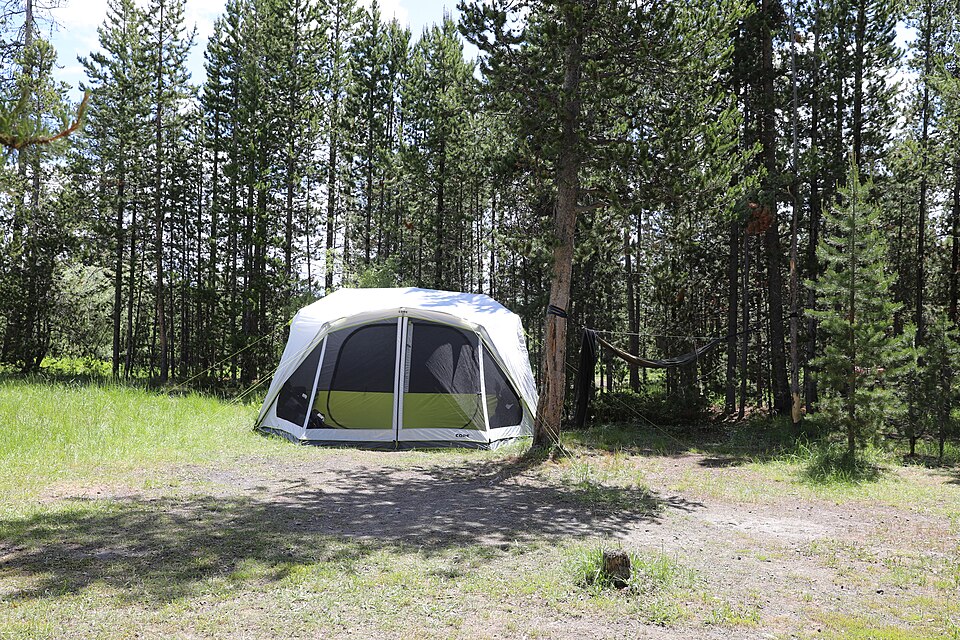
Visiting in late April or May offers a unique perspective as the high desert landscape begins to wake up. The hillsides turn a fleeting, vibrant green, and the local bison herd at Hot Springs State Park often welcomes new calves during this window. Spring weather in Central Wyoming can be unpredictable, often oscillating between bright sunshine and sudden afternoon rain showers or even late-season snow. However, the mineral springs are arguably at their most enjoyable when there is a slight chill in the air to contrast with the 104-degree water.
Crowds are significantly thinner in the spring compared to the summer months. This is an ideal time for photographers who want to capture the rushing waters of the Big Horn River at their highest flow due to mountain snowmelt. Be sure to pack layers, as the transition from the steamy bathhouses to the brisk spring wind requires versatile clothing. Many of the local trails are accessible, though some higher elevation routes in the nearby mountains may still hold mud.
Autumn: Crisp Air and Golden Hues
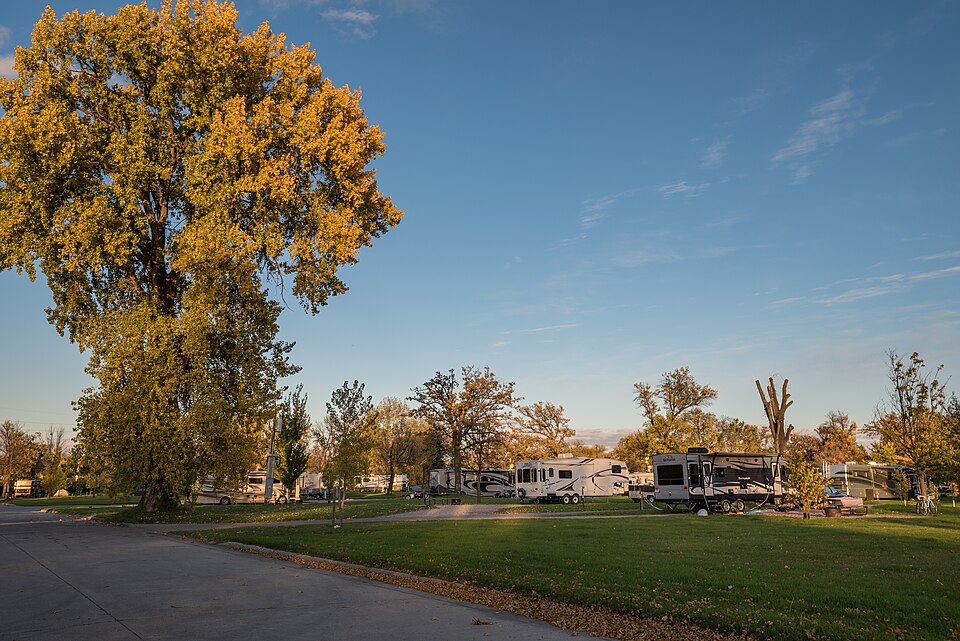
September and October represent a sweet spot for travelers seeking a quieter, more reflective experience. The intense heat of the summer fades into crisp, cool mornings and mild afternoons. The cottonwood trees lining the riverbanks turn a brilliant gold, providing a stunning contrast against the deep blue Wyoming sky and the terracotta-colored cliffs. This is an excellent time for hiking the Spirit Mountain area or exploring the petroglyphs at Legend Rock, as the temperatures are much more comfortable for long stretches of sun exposure.
Wildlife viewing is also excellent in the fall. You may notice increased activity among the elk and deer in the surrounding foothills. As the summer crowds depart, you will find more solitude at the State Bath House and local boardwalks. While most facilities remain open through the fall, it is always a good idea to check the official State Park website for any seasonal maintenance closures that typically occur during the transition into the colder months.
Lock in a stay for this season
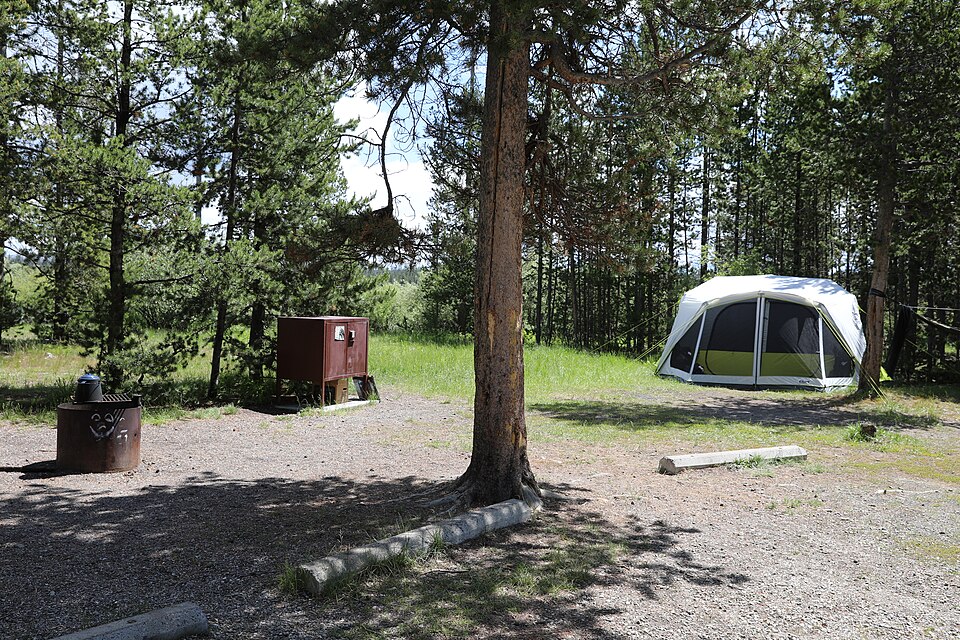
Harvest Hosts stays on the way to Thermopolis
Partner link · Harvest Hosts
Winter: A Steamy Winter Wonderland
Winter in Thermopolis is a hidden gem for those who enjoy cold-weather relaxation. While the temperatures outside can drop well below freezing, the thermal springs remain consistently hot, creating a magical atmosphere as steam rises into the frosty air. Soaking in an outdoor mineral pool while snow falls around you is a quintessential Wyoming experience that few other places can offer. The town takes on a peaceful, slow-paced character, and you will likely have many of the scenic overlooks all to yourself.
Road travel during winter requires careful planning, as Highway 20 through the Wind River Canyon can occasionally experience closures or icy conditions during heavy storms. Indoor attractions, such as the Wyoming Dinosaur Center, provide excellent refuge from the wind. If you are visiting in winter, focus your itinerary on wellness and history. The stark contrast between the white snow and the vibrant mineral terraces at the springs creates unique visual patterns that are particularly beautiful for those who appreciate quiet, natural beauty.
Crowds and Reservation Timing
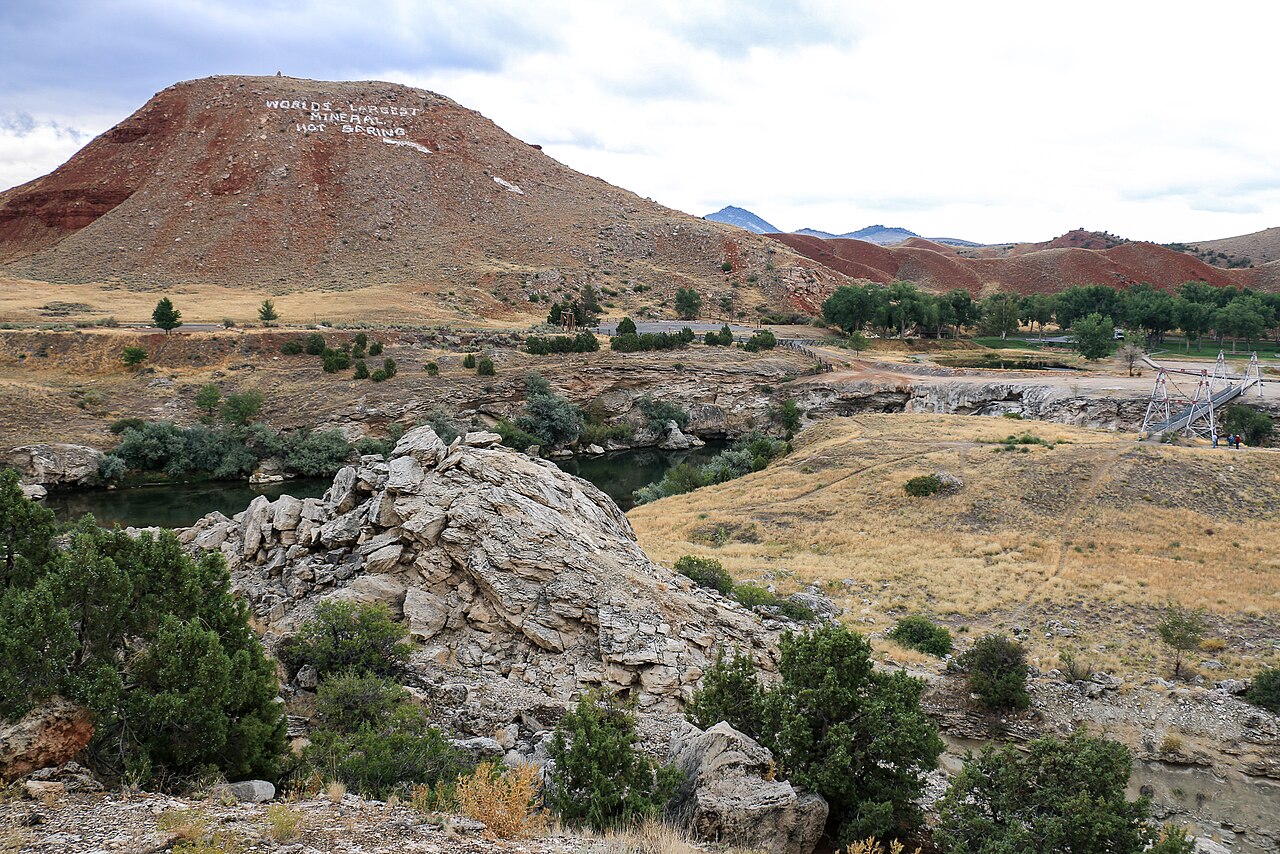
Thermopolis is a popular regional destination, drawing visitors from across Wyoming and neighboring states. During the peak summer months and around holiday weekends, the state park and local lodging can reach capacity. To ensure you get the experience you want, aim to book your stay at least three to four months out for summer travel. If your schedule allows for mid-week visits, you will find a much more relaxed environment regardless of the season.
For those interested in specific guided activities, like the popular dinosaur dig programs or guided fishing trips on the Big Horn, reservations should be made as early as possible. Most visitors spend one to two days in town, so the turnover is relatively high. Always check the official park websites for current conditions, as water levels in the river or maintenance at the public bathhouses can impact your plans. By timing your visit to the shoulder seasons of May or September, you can enjoy the best balance of pleasant weather and manageable foot traffic.

More ways to book Thermopolis
 Illustrative · Clément Bardot
Wyoming Dinosaur Center
One of the classic ways to experience Thermopolis.
Varies (estimate)
Partner link · Viator