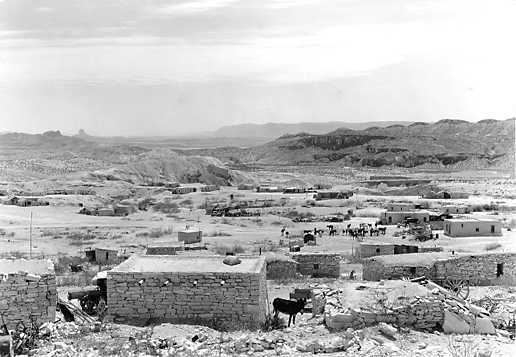
Terlingua is a place defined by the rhythm of the Chihuahuan Desert, where the vast sky dictates the pace of life. Deciding when to visit this remote ghost town depends largely on your tolerance for heat and your desire for solitude. While the region is beautiful year-round, the transition seasons offer the most comfortable temperatures for exploring the nearby national park. Planning ahead is essential, as this quiet corner of West Texas fills up quickly during peak windows, especially when the desert wildflowers begin to color the rugged landscape.
Spring Blooms and Peak Crowds
Spring is widely considered the best time to visit Terlingua, particularly from late February through April. During this window, the harsh desert climate softens, offering daytime temperatures in the 70s and 80s, making it ideal for long hikes in Big Bend. This is also when the famous Big Bend bluebonnets and ocotillo plants start to bloom, painting the dusty terrain with vibrant splashes of blue and red. However, this beauty attracts significant crowds.
March, coinciding with spring break, is the busiest month of the year. If you plan to visit during this time, you must secure your lodging or campsite months in advance. The local atmosphere is lively, but you will encounter more traffic on the few roads leading into town and longer wait times for dining. The nights remain cool, so a light jacket is still a necessity for evening stargazing sessions under the clear, dark skies.
The Scorching Desert Summer
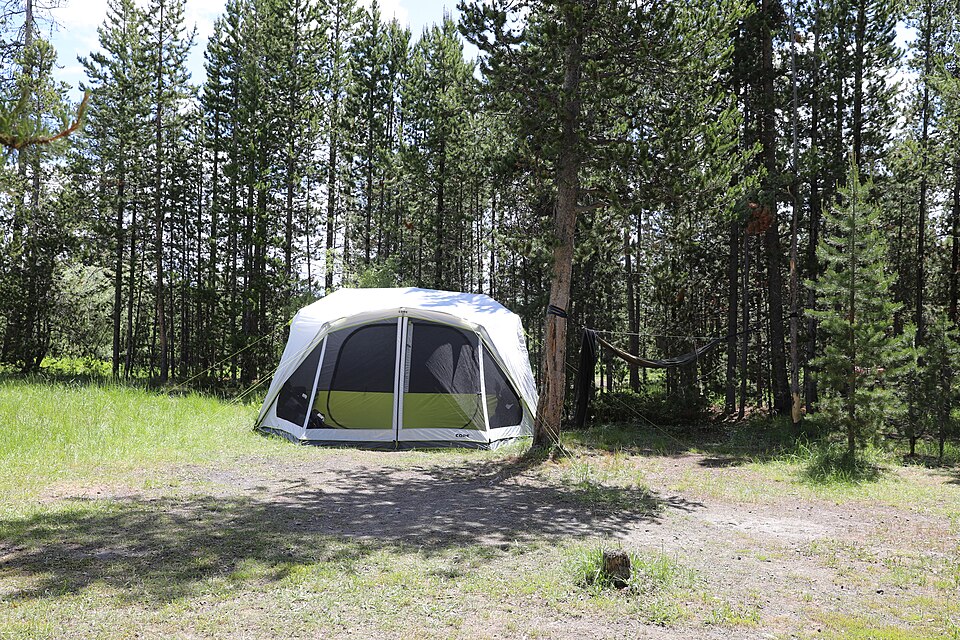
Summer in the Chihuahuan Desert is not for the faint of heart, as temperatures regularly soar above 100 degrees Fahrenheit by midday. Despite the heat, summer offers a unique sense of isolation and some of the most dramatic weather events. This is the season of the monsoon, where towering thunderheads build over the mountains in the afternoon, leading to sudden, intense rainstorms that can cause flash floods in the arroyos. The scent of creosote bush after a desert rain is one of the region's most iconic sensory experiences.
If you visit in summer, your itinerary should focus on early morning activities. Most hikers are off the trails by 10:00 AM to avoid heat exhaustion. It is a great time for river trips on the Rio Grande, where the water provides a much-needed cooling effect. You will find that accommodation prices may be slightly lower, and the town feels much more like the quiet ghost town it historically was.
Golden Autumns and Clear Nights
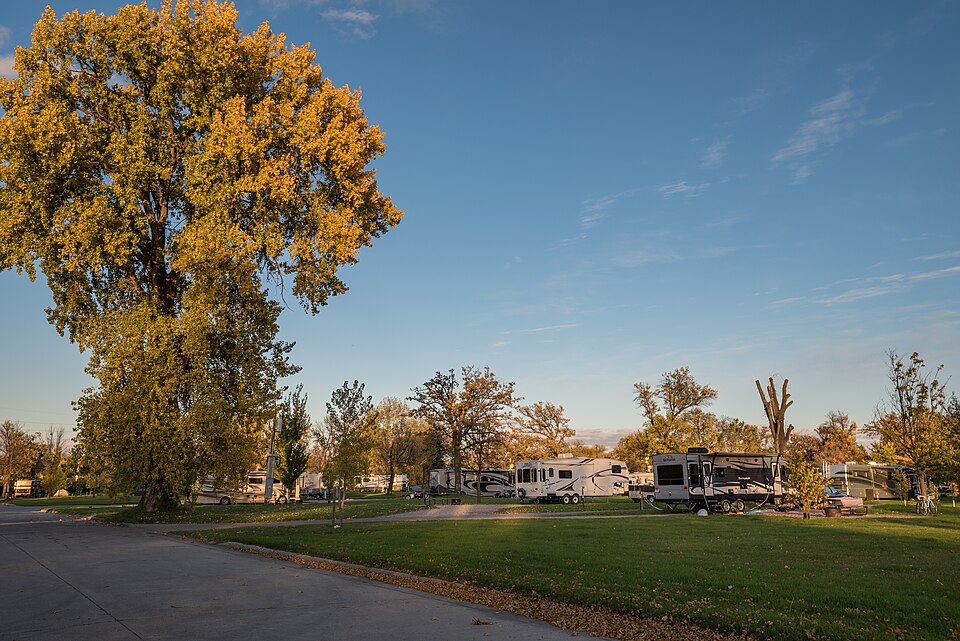
As the intense heat of summer fades, autumn arrives as a second peak season for Terlingua. Starting in October, the air becomes crisp and dry, and the light takes on a golden, crystalline quality that is a favorite for photographers. The daytime temperatures return to a comfortable range, usually in the high 70s, while the nights become cold enough for a campfire. This is an excellent time for photography and wildlife viewing, as animals become more active in the cooler weather.
November is particularly popular due to the annual chili cook-offs that draw thousands of visitors to the ghost town. If you aren't interested in the festival atmosphere, you may want to check the dates to avoid the busiest weekend of the year. Outside of event weekends, fall offers a peaceful, balanced environment for those who want to explore the backcountry without the intense crowds of spring or the dangerous heat of the mid-summer sun.
Lock in a stay for this season
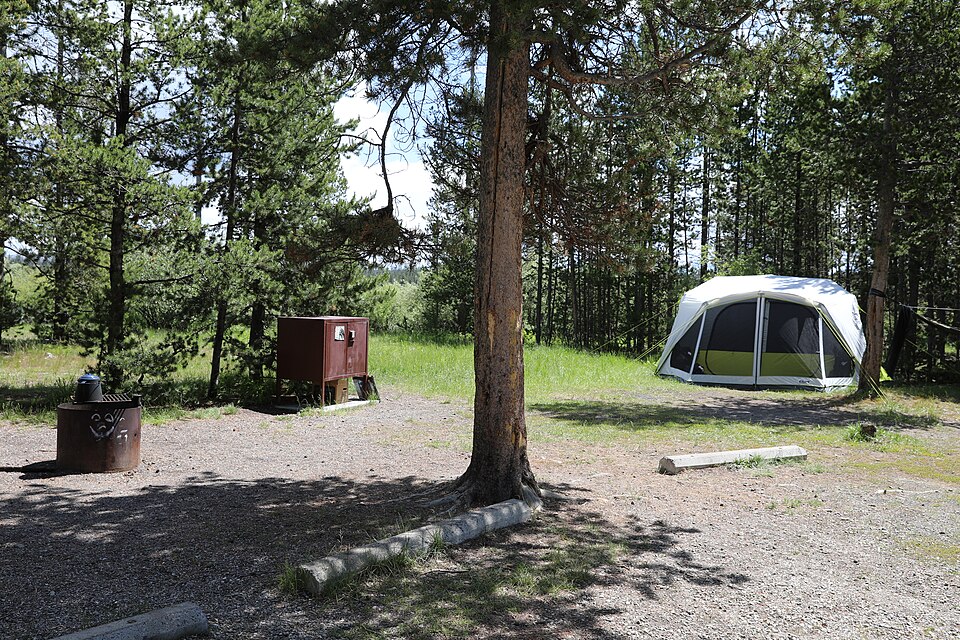
Harvest Hosts stays on the way to Terlingua
Partner link · Harvest Hosts
Winter Solitude in the Ghost Town
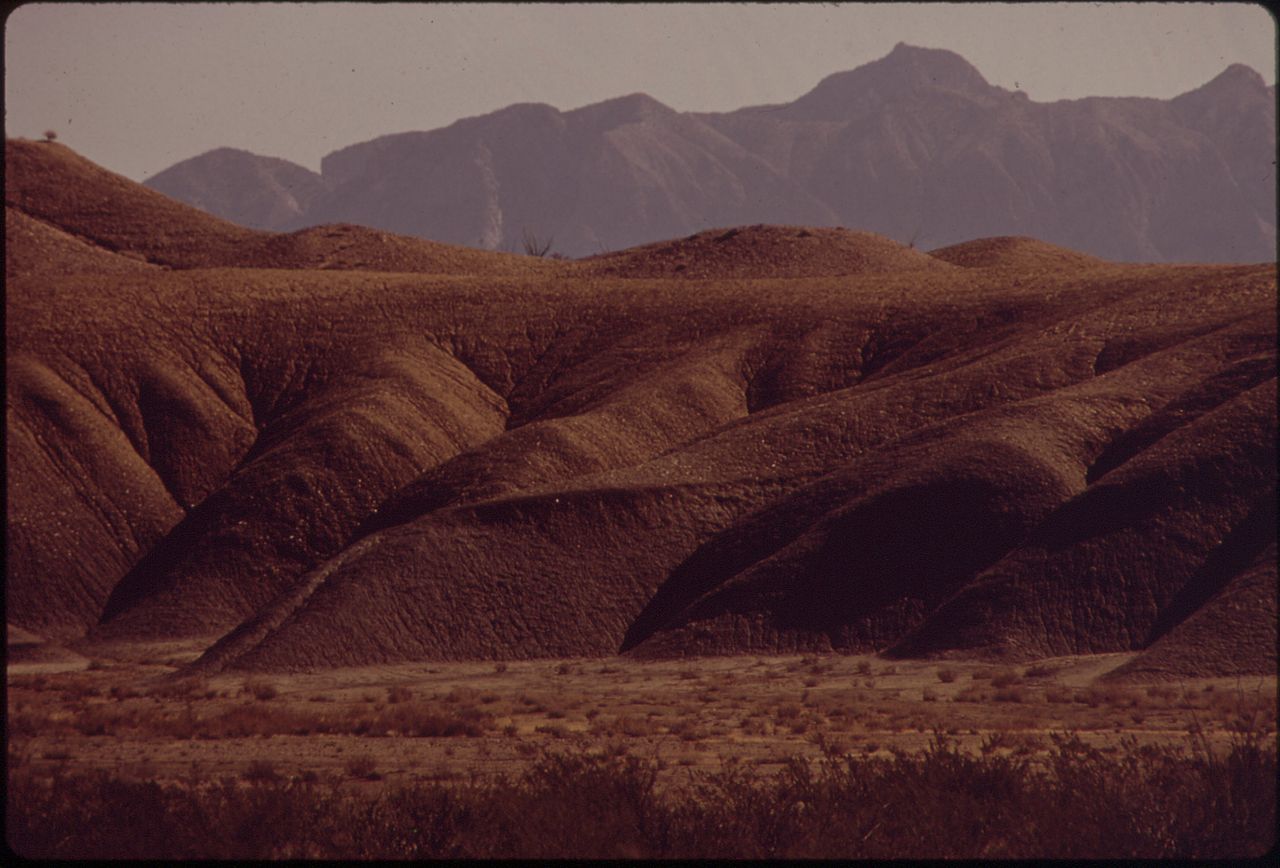
Winter in Terlingua is characterized by sharp contrasts. The days are often sunny and mild, frequently reaching the 60s, which is perfect for strenuous hiking that would be impossible in the summer. However, as soon as the sun dips below the horizon, temperatures can plummet below freezing. It is not uncommon to see a light dusting of snow on the high peaks of the Chisos Mountains, creating a stunning visual contrast against the red desert floor.
For those who value solitude above all else, winter is a fantastic time to visit. The trails are quiet, and the local establishments have a more communal, local feel. You should come prepared with layers, as the wind can be biting in open areas. Most amenities in the town remain open, though some tours may have reduced schedules. Always check the official NPS site for road closures or weather alerts, as sudden cold fronts can occasionally bring icy conditions to the higher elevations nearby.
Reservations and Planning Tips
Regardless of the season, Terlinguaâs remote location means that resources are limited. For any trip between October and May, booking your stay at least six to nine months out is highly recommended. The popularity of the area has grown significantly, and the unique lodging optionsâfrom restored miners' cabins to luxury tentsâfill up quickly. If you are camping, be aware that sites within Big Bend National Park are often reserved the moment they become available online.
Water is the most precious resource here. Always carry more than you think you need, especially if visiting during the warmer months. When planning your timing, also consider the lunar cycle; visiting during a new moon will provide the best stargazing experience, as the region is part of an International Dark Sky Park. Check the official park website for current conditions, as trail closures or water availability can change based on recent rainfall or park maintenance requirements.
More ways to book Terlingua
 Illustrative · GMG
Rio Grande Rafting
One of the classic ways to experience Terlingua.
Varies (estimate)
Partner link · Viator