
Glamping near Telluride offers the perfect middle ground for those who want to immerse themselves in the rugged beauty of the San Juan Mountains without sacrificing comfort. Imagine waking up to the sound of the San Miguel River or watching the sunrise over 14,000-foot peaks from the comfort of a plush bed. While traditional camping is abundant, the glamping scene in this region provides a more curated experience, blending the simplicity of the outdoors with thoughtful amenities that make a mountain stay truly special.
What to Expect from Glamping
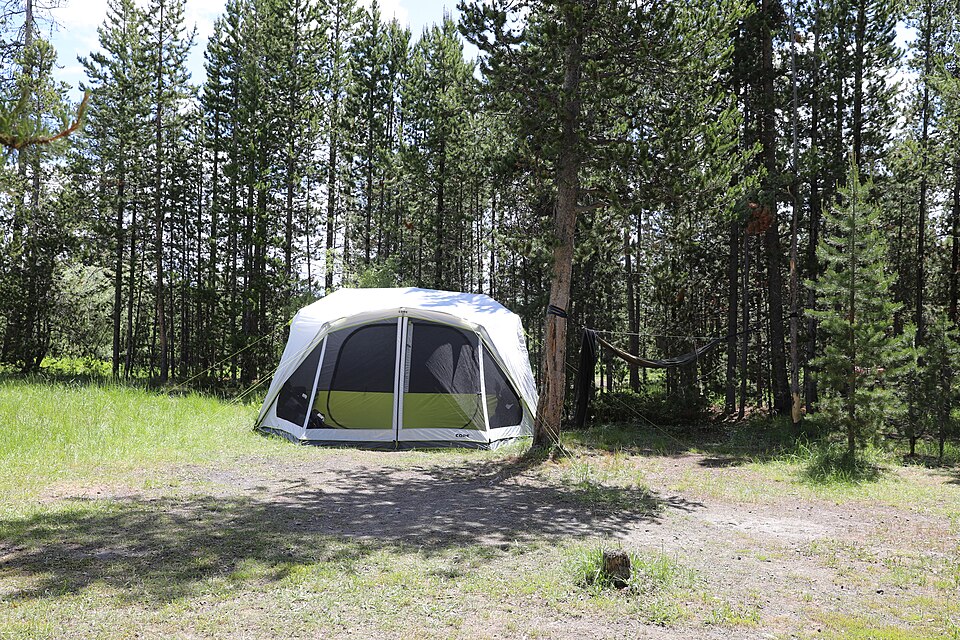
Glamping in the Telluride area typically involves staying in high-end canvas wall tents, yurts, or even refurbished vintage trailers. Unlike traditional camping, where you bring your own gear and sleep on the ground, glamping sites usually come equipped with real mattresses, linens, and often some form of heating, such as a wood-burning stove or a propane heater. Some locations offer communal kitchen areas and fire pits, fostering a social atmosphere where travelers can share stories at the end of the day. You can expect to pay more for these comforts than you would for a standard Forest Service site, but the convenience of having your 'tent' pre-pitched and fully furnished is a major draw. Many of these sites are located just outside of town, providing a quiet retreat while remaining close enough to enjoy Telluride's dining and shopping. Always check the official site of the provider for specific amenities and packing lists.
Prime Locations and Surroundings
The best glamping spots are often found on the outskirts of Telluride, particularly along the San Miguel River valley or toward the nearby town of Placerville. Staying a bit further out allows for more space and a deeper connection with the wilderness. Sites located near the Uncompahgre National Forest offer immediate access to hiking trails and fishing spots. You might also find unique accommodations tucked away near Ophir or along the road to Trout Lake. These areas provide stunning views of the surrounding peaks like Sunshine Mountain and the Wilson Range. Because Telluride is located in a narrow canyon, these outlying areas offer a more expansive feeling and often better opportunities for stargazing away from the town's lights. When booking, consider the elevation of the site, as higher spots will remain much cooler at night, even during the peak of summer, and may have different accessibility requirements depending on your vehicle.
Best Seasons for a Luxury Stay
The primary season for glamping near Telluride is from late June through September. During these months, the overnight temperatures are generally mild enough for comfortable sleeping in a tent structure. Late June and July are spectacular for wildflowers, while September offers the golden hues of the changing aspens. Some high-end yurt operations stay open during the winter, offering a unique 'ski-in, ski-out' backcountry experience for the adventurous, though these require more preparation and physical effort to reach. If you are glamping in the shoulder seasons of May or October, be prepared for freezing temperatures at night and the possibility of snow. Most glamping operators will close their doors once the heavy winter snows arrive, as the structures are not always built to withstand high-altitude snow loads. Always check with your specific site for their seasonal dates and their policy on weather-related changes to ensure a smooth trip.
Glamping vs. Camping vs. RVs
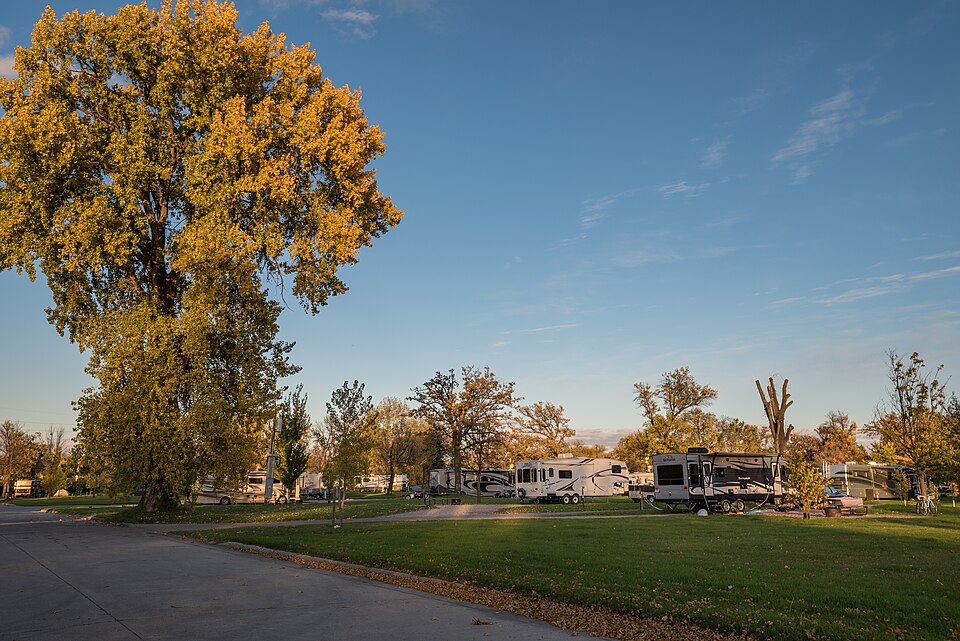
Choosing between glamping, traditional camping, and RVing in Telluride depends on your desired level of autonomy and comfort. Traditional camping in the National Forest is the most budget-friendly option but requires a full set of gear and a tolerance for the elements. Telluride's Town Park offers a popular campground, but it fills up months in advance. RVing is a great way to have your own kitchen and bathroom, but large rigs may find the winding mountain roads and narrow town streets challenging to navigate. Glamping sits in the 'sweet spot' for travelers who want the aesthetic of campingâthe fresh air, the sounds of nature, and the lack of concrete wallsâwithout the hassle of packing a stove, tent, and sleeping pads. It is particularly popular for couples on a romantic getaway or families who want an outdoor adventure that feels more like a vacation than a survival exercise. Consider your groupâs needs and how much 'roughing it' you truly want to do.
Planning Tips and Reservations
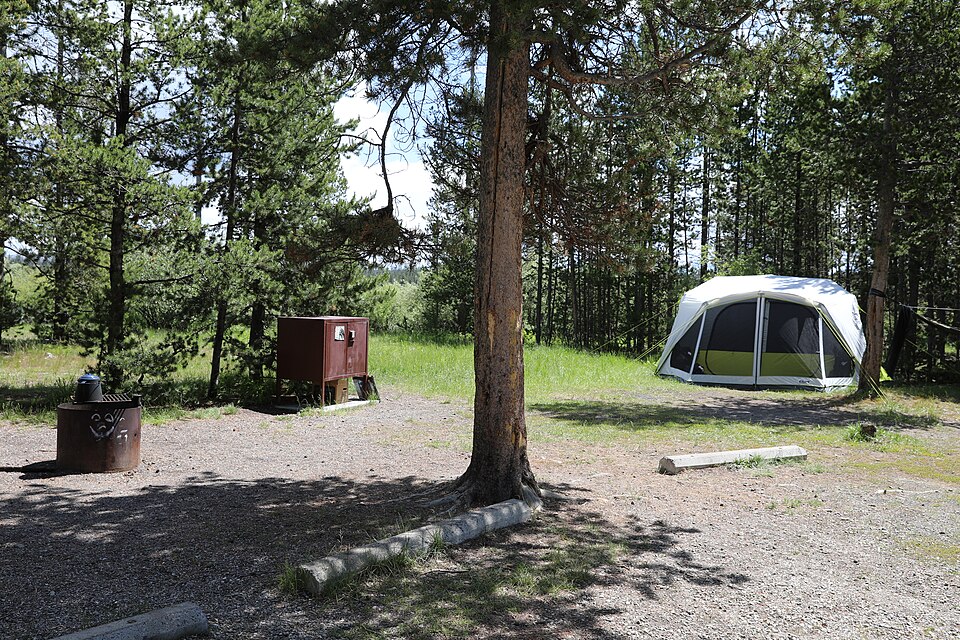
Because glamping sites are limited in number and highly sought after, early booking is essential. Many of the most popular spots are reserved six months to a year in advance, particularly for weekends during the summer festival season. When planning your trip, think about logistics like water and power. While some glamping sites offer solar power and potable water, others are more off-grid, requiring you to bring your own drinking water or power banks for your devices. It is also important to remember that you are in bear country. Even in a luxury tent, you must follow strict food storage protocols to avoid attracting wildlife. This usually means keeping all food, trash, and scented items in a locked vehicle or a provided bear-proof locker. Finally, check the official Forest Service website for any fire restrictions that might be in place, as campfires are often prohibited during dry spells to prevent wildfires in the dense Colorado forests.