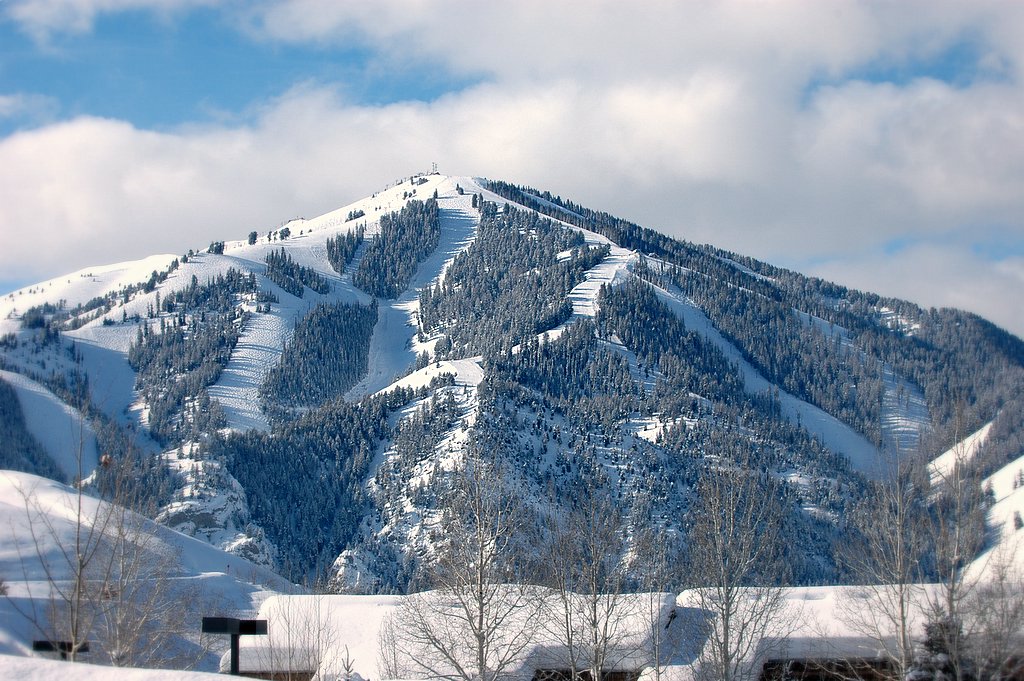
Sun Valley, Idaho, is a year-round destination where the high-altitude climate dictates the pace of adventure. While famous for its status as the first destination ski resort in America, the valley transforms into a vibrant playground of wildflowers in the summer and golden aspen groves during the autumn months. Knowing when to go depends on whether you prefer the crisp air of a mountain morning on the trails or the soft crunch of fresh powder under your skis.
Summer Sun and Wildflowers
Mid-June through August represents one of the most popular periods to experience the Sawtooth National Forest. During these months, the snow has typically cleared from the higher elevations, opening up hundreds of miles of single-track trails for hikers and mountain bikers. The weather is generally dry and sunny, with daytime temperatures hovering in the high 70s or low 80s, though the mountain air cools down significantly once the sun sets.
This is the season for the famous Sun Valley Symphony and outdoor markets. Because this is a peak season, you should anticipate larger crowds in the downtown areas of Ketchum and Sun Valley. It is essential to check the official Sawtooth National Forest website for trail conditions, especially in early June when lingering snow patches can make high-altitude passes impassable. Wildflower blooms peak in July, turning the hillsides into a colorful tapestry of lupine and balsamroot, making it an ideal window for photographers and nature lovers.
The Golden Hues of Fall
September and October are arguably the best-kept secrets of the Wood River Valley. As the summer crowds dissipate, a quiet calm settles over the region. The temperatures remain comfortable for active exploration, usually ranging from the 50s to the 60s, though overnight frosts become common. The primary draw during this window is the spectacular change in foliage; the thick stands of aspen trees turn a brilliant, shimmering gold against the dark green backdrop of the evergreens.
This is also the time for the annual Trailing of the Sheep Festival, a unique cultural event that celebrates the region's ranching history. Since this is considered a shoulder season, you may find that some seasonal shuttle services or specific summer attractions have reduced hours. However, the lack of crowds on popular trails like Proctor Mountain or the White Clouds loop offers a more solitary and peaceful experience. It is a fantastic time for fly fishing in the Big Wood River, as the water levels are manageable and the trout are active.
Winter Sports and Powder Days
From late November through March, Sun Valley returns to its roots as a premier winter destination. Bald Mountain and Dollar Mountain become the centers of activity, offering world-class downhill skiing and snowboarding. The region is known for its consistent sunshine even in the depths of winter, earning it the name Sun Valley. Snowfall is typically reliable, but the resort also utilizes extensive snowmaking capabilities to ensure quality coverage throughout the season.
Beyond the downhill slopes, the winter months offer extensive Nordic skiing at the Sun Valley Resort and the North Fork Studio. If you are planning a winter visit, keep in mind that the town of Ketchum fills up quickly during the holiday weeks and mid-February. Reservations for dining and activities should be made well in advance. While the temperatures can drop well below freezing, the dry climate makes the cold feel less biting than in more humid regions. Always check local weather reports and avalanche forecasts before heading into any backcountry areas during the winter months.
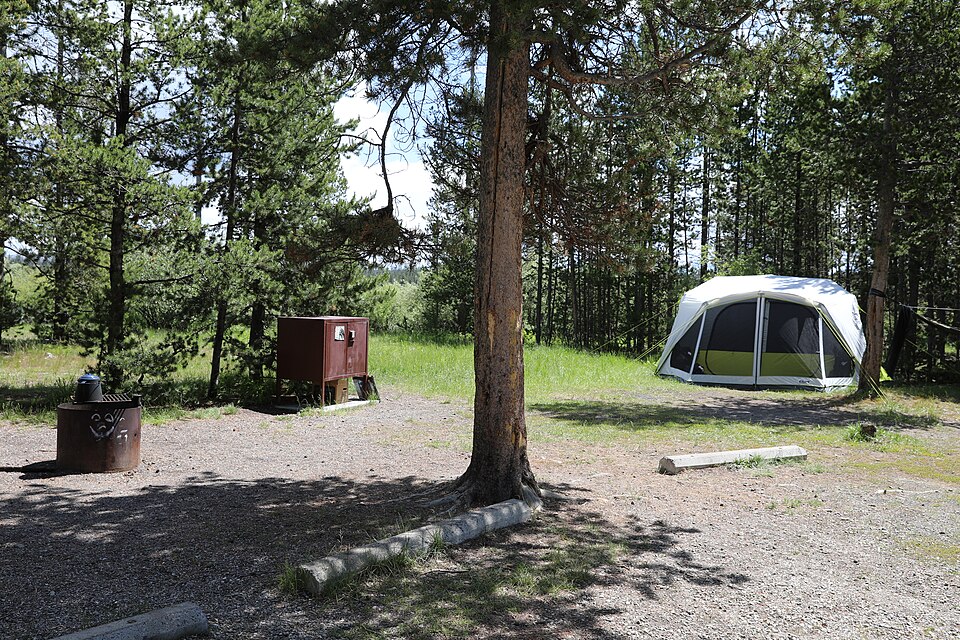
Lock in a stay for this season
Harvest Hosts stays on the way to Sun Valley
Partner link · Harvest Hosts
Spring Mud Season and Runoff
April and May are traditionally known as 'mud season' in central Idaho. As the snow melts, the trails can become quite saturated, and many higher-elevation roads remain closed due to snowpack or soft conditions. While this is the quietest time to visit, it presents challenges for those looking to hike or bike. However, the lower elevations near the valley floor often dry out first, offering early-season access for those who don't mind a little bit of dirt.
This period is great for those looking for a slower pace and lower costs on lodging, as many hotels offer off-season rates. It is a transitional time when you might experience a four-season day, starting with a snow flurry in the morning and ending with warm sunshine by the afternoon. The Big Wood River often runs high and fast during the spring runoff, so water-based activities like fishing may be limited. If you visit during the spring, focus on the paved Wood River Trail, which stretches for miles and stays clear for walking and cycling.

Crowds and Reservation Planning
To ensure the best experience, timing your reservations is just as important as choosing the right month. For peak summer and winter periods, it is wise to book your lodging and any specific guided excursions at least four to six months in advance. Summer weekends, especially around the Fourth of July, see the highest concentration of visitors. If you prefer a quieter atmosphere, consider visiting mid-week during the shoulder months of June or September.
Permits are generally not required for day hiking in the immediate Sun Valley area, but if you plan to venture further into the Sawtooth Wilderness for overnight trips, you will need to secure the proper documentation at the trailhead or forest service office. Always check the official NPS or Forest Service sites for the most current information on fire restrictions, which are common in the late summer. Being prepared for the high-altitude environment means packing layers regardless of the season, as the weather in the Idaho mountains can change with very little warning, even during the most stable summer weeks.
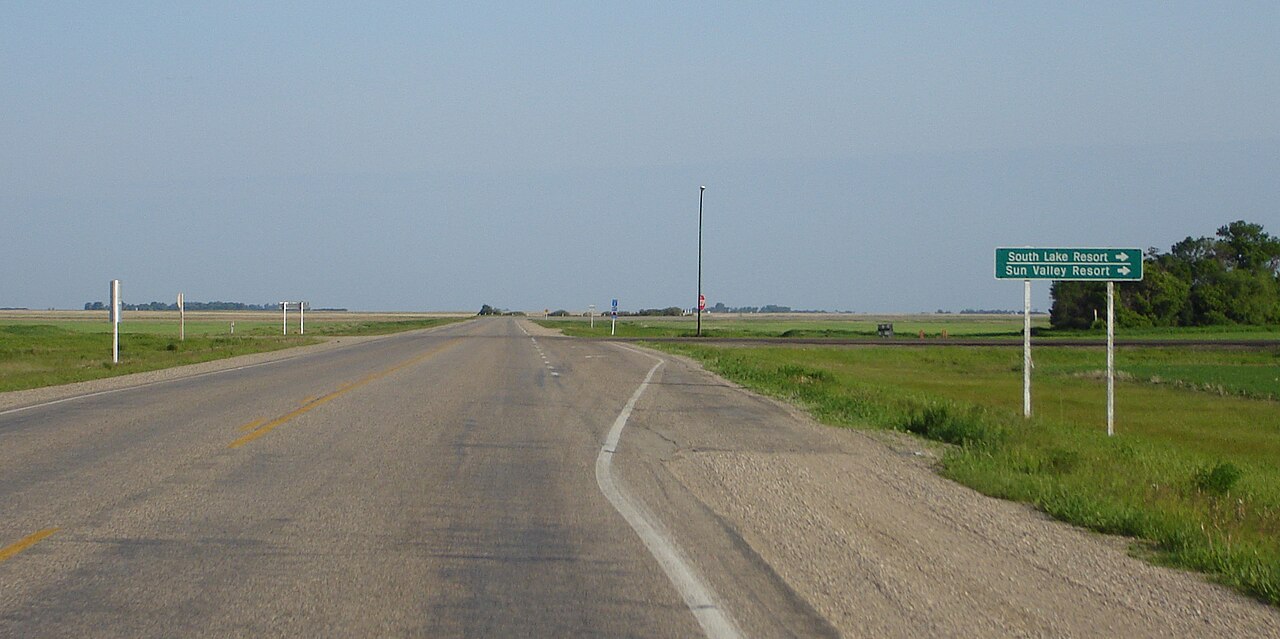
More ways to book Sun Valley
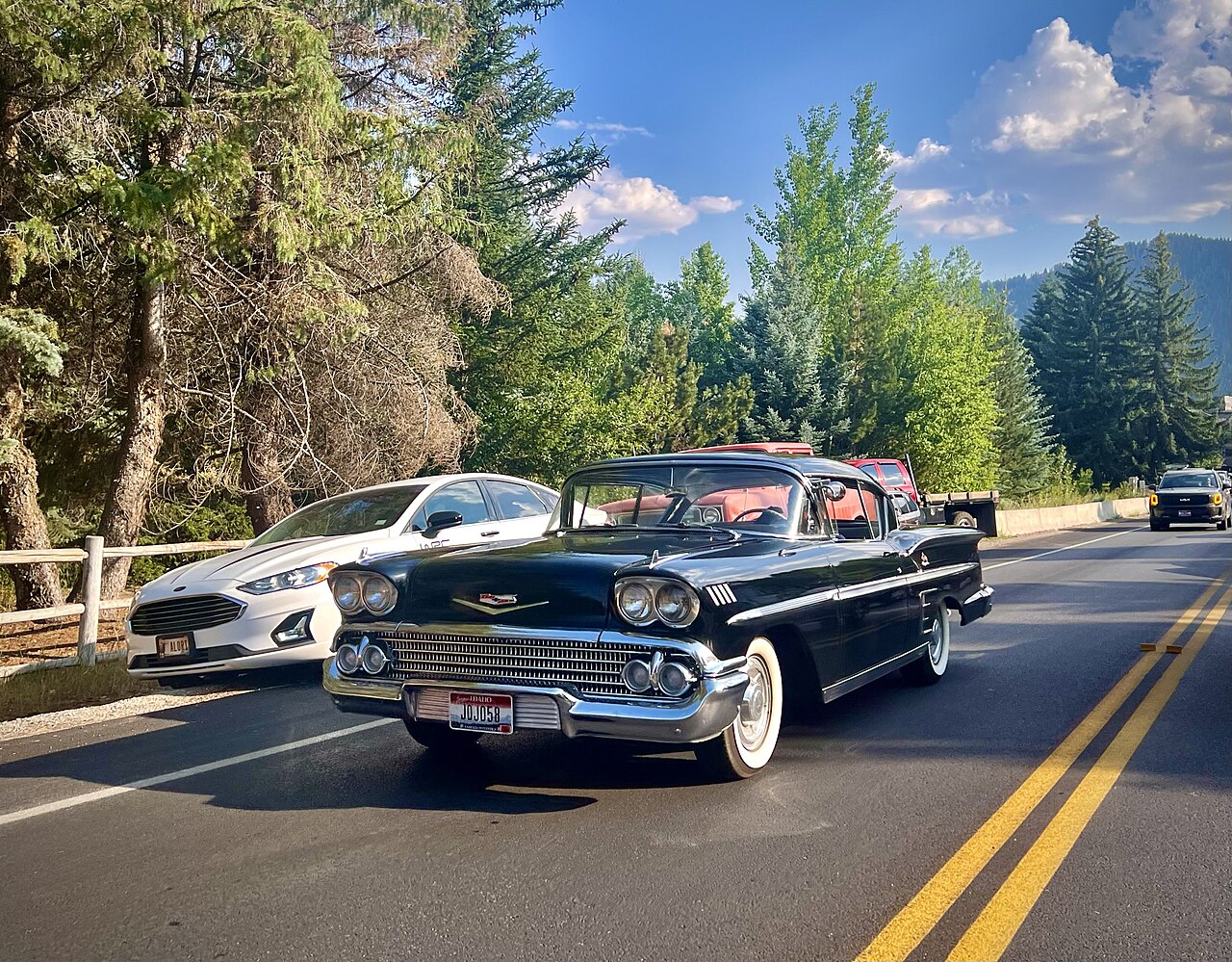 Illustrative · Sharon Hahn Darlin
Wood River Trail Cycling
One of the classic ways to experience Sun Valley.
Varies (estimate)
Partner link · Viator