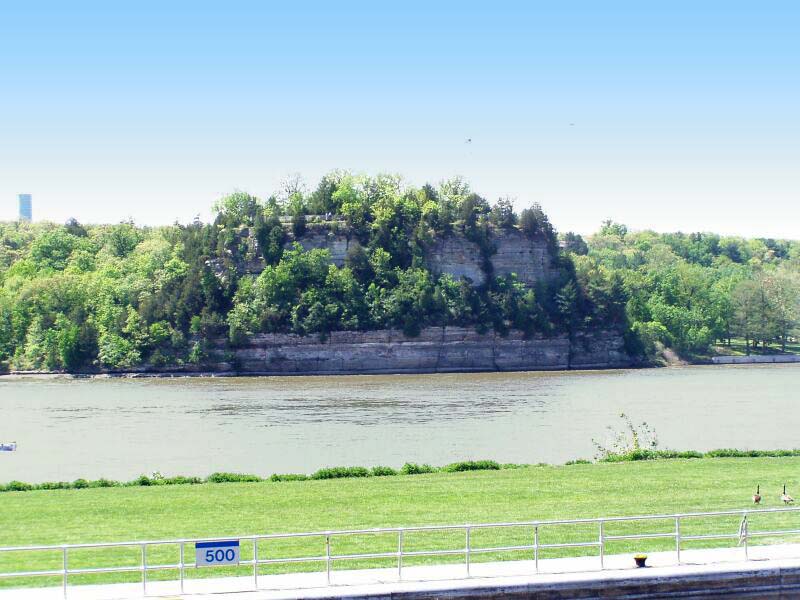
Deciding on the best time to visit Starved Rock depends largely on whether you want to see rushing waterfalls, vibrant autumn leaves, or rare winter wildlife. Located in Northern Illinois, this park transforms dramatically with the Midwest seasons, offering distinct experiences from the icy heights of Wildcat Canyon to the lush, shaded trails of early summer. While the park is a year-round destination, timing your arrival can help you avoid the largest crowds and ensure the natural features you most want to see are at their peak performance.
Spring for Waterfall Viewing
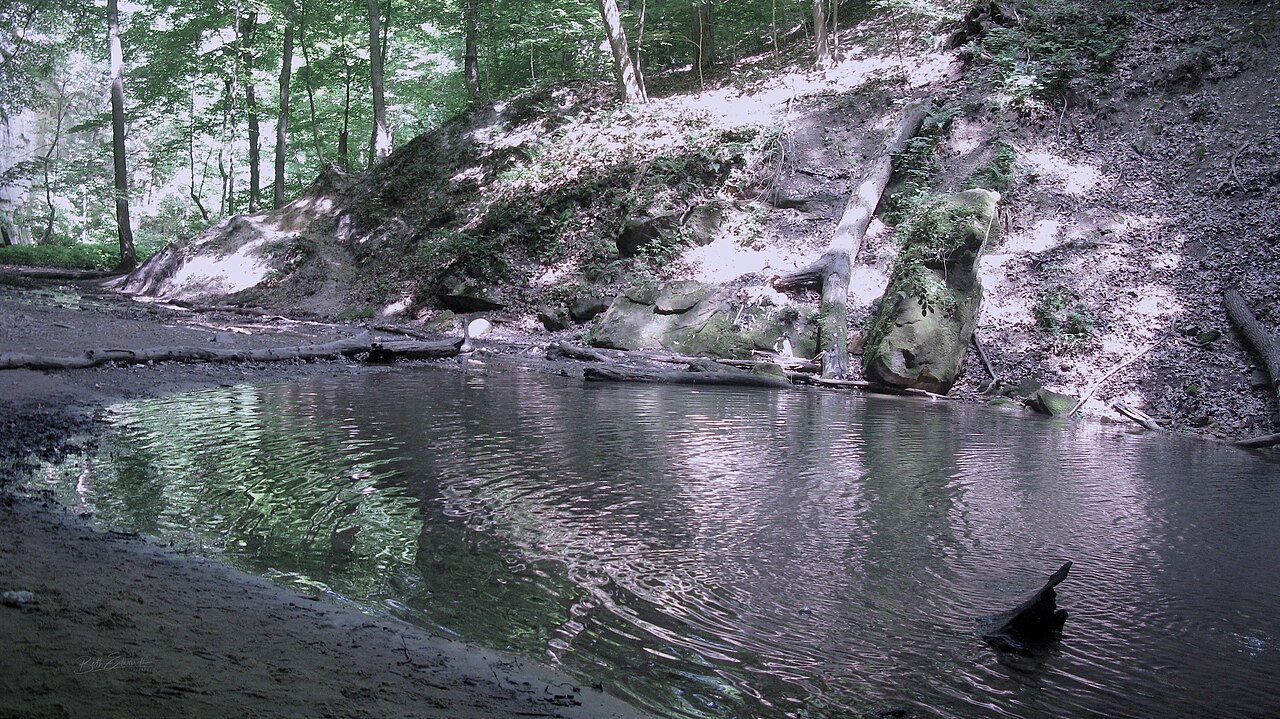
Spring is arguably the most popular time for photographers and nature lovers because the park's famous waterfalls are most active during this period. From April through June, the combination of melting snow and seasonal rain showers fills the eighteen sandstone canyons with flowing water. St. Louis Canyon and French Canyon are particularly stunning during these months. Visitors should be prepared for muddy trail conditions and variable temperatures that can swing from brisk mornings to humid afternoons.
Because this is a peak season, the parking lots often fill up by mid-morning on weekends. If you are planning a spring visit, aim for a Tuesday or Wednesday to enjoy the sound of the falls without the heavy foot traffic. The spring wildflower bloom also begins in late April, bringing carpets of bluebells and trillium to the forest floor, adding a layer of delicate color to the rugged sandstone walls that define the Illinois River valley.
Fall Foliage and Crisp Air
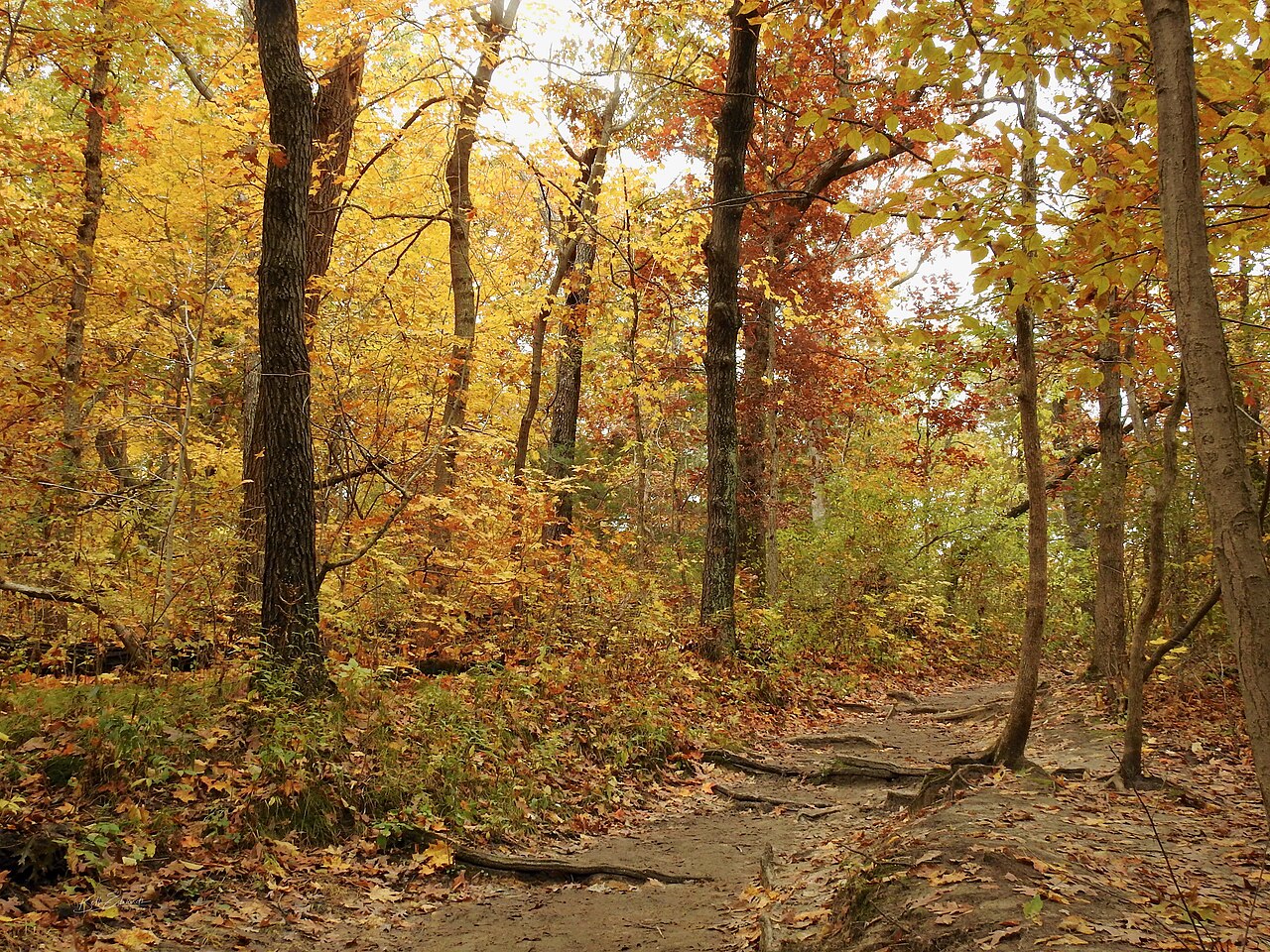
Autumn brings a spectacular transformation to the hardwood forests of Northern Illinois. September and October are peak months for those seeking the golden and crimson hues of changing oak and hickory trees. The humidity of the Midwestern summer begins to fade, replaced by crisp, dry air that makes long-distance hiking much more comfortable. The view from Lover's Leap Overlook provides a panoramic vantage point to see the colored canopy stretching along the banks of the Illinois River.
This is also a prime time for birdwatching as migratory species begin their journey south. The cooler weather is ideal for evening campfires, though you should pack layers as temperatures drop significantly once the sun sets behind the bluffs. Like spring, fall weekends are extremely busy, so making reservations for nearby lodging or campsites several months in advance is highly recommended to ensure you have a basecamp for your autumn adventures.
Winter Eagle Watching
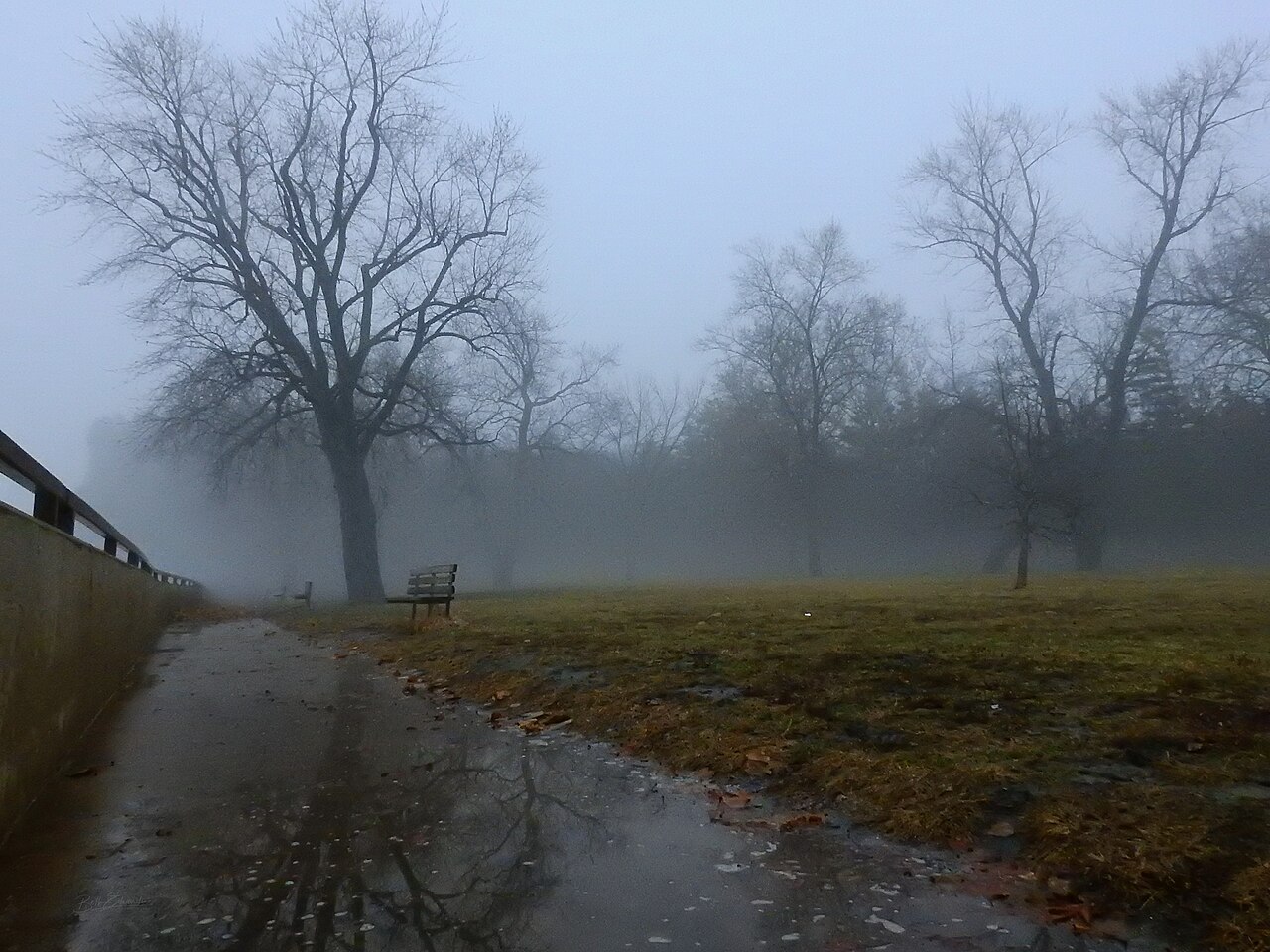
Winter offers a quieter, more starkly beautiful version of the park. When temperatures stay below freezing for several days, the waterfalls transform into massive ice sculptures, attracting ice climbers to specific canyons. One of the biggest draws in January and February is the arrival of American Bald Eagles. These majestic birds congregate near the Starved Rock Lock and Dam because the churning water remains unfrozen, providing easy access to fish.
Viewing spots like Eagle Cliff offer excellent vantage points for spotting eagles perched in the trees or soaring over the river. While the trails can be icy and require traction cleats, the lack of foliage allows for much clearer views of the rock formations and the river. Many visitors find the winter months to be the most peaceful time to visit, as the summer crowds have dispersed, leaving the frozen canyons in a state of quiet solitude that feels far removed from the nearby metropolitan areas.
Lock in a stay for this season
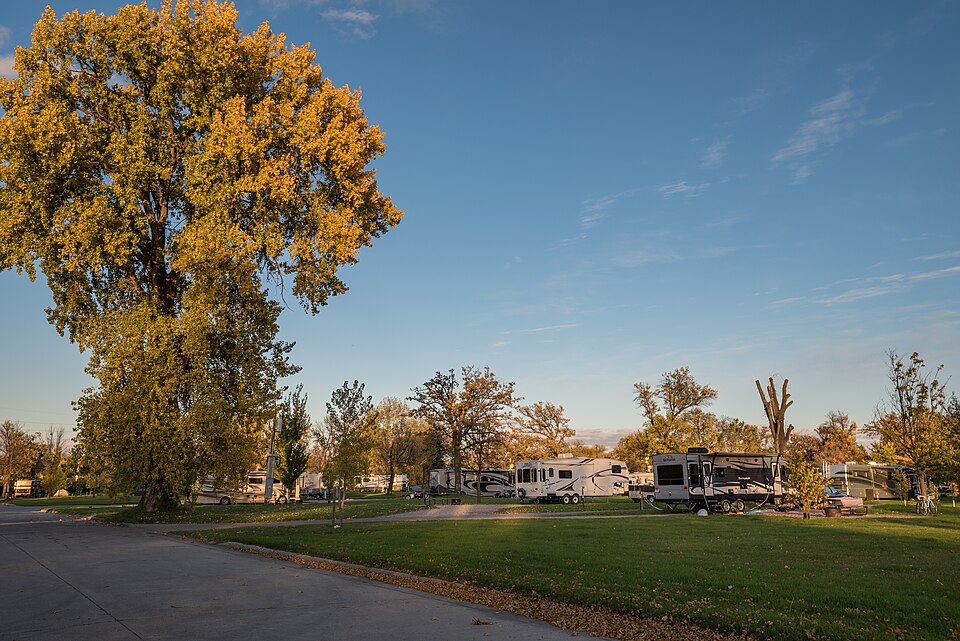
Harvest Hosts stays on the way to Starved Rock
Partner link · Harvest Hosts
Summer Recreation and Heat
Summer in Northern Illinois is characterized by high humidity and warm temperatures, often reaching into the upper 80s or 90s. While the waterfalls may slow to a trickle or dry up entirely during July and August, the deep sandstone canyons remain significantly cooler than the open trails, providing a natural refuge from the sun. The lush green canopy is at its thickest, creating a jungle-like atmosphere within the gorge walls.
This is a great time for water-based activities on the Illinois River, such as boating or fishing. However, visitors should be aware that insects, including mosquitoes and gnats, are most active during the summer months, so bringing appropriate repellent is a must. Because school is out, summer sees a steady stream of families and tourists. To beat the heat and the crowds, start your hikes at sunrise and plan to be off the most popular trails by noon when the sun is at its strongest.
Managing Crowds and Reservations
Regardless of the season, Starved Rock is one of the most visited state parks in the region, meaning planning is essential. During peak weekends in the spring and fall, the park may reach capacity and temporarily close its gates to new vehicles. Checking the official NPS or Illinois Department of Natural Resources website for real-time updates on parking availability and trail closures is a vital part of a successful trip.
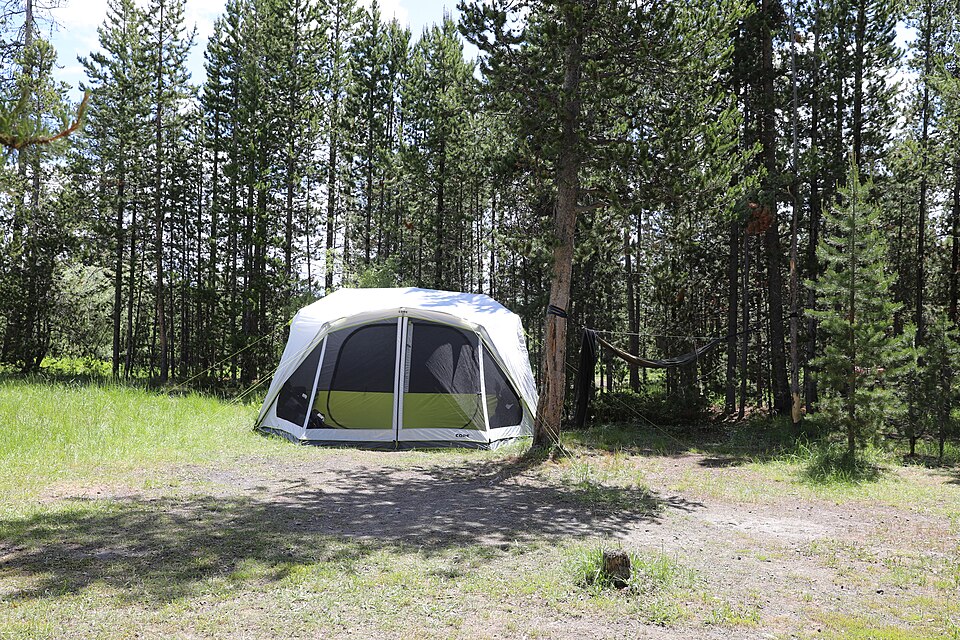
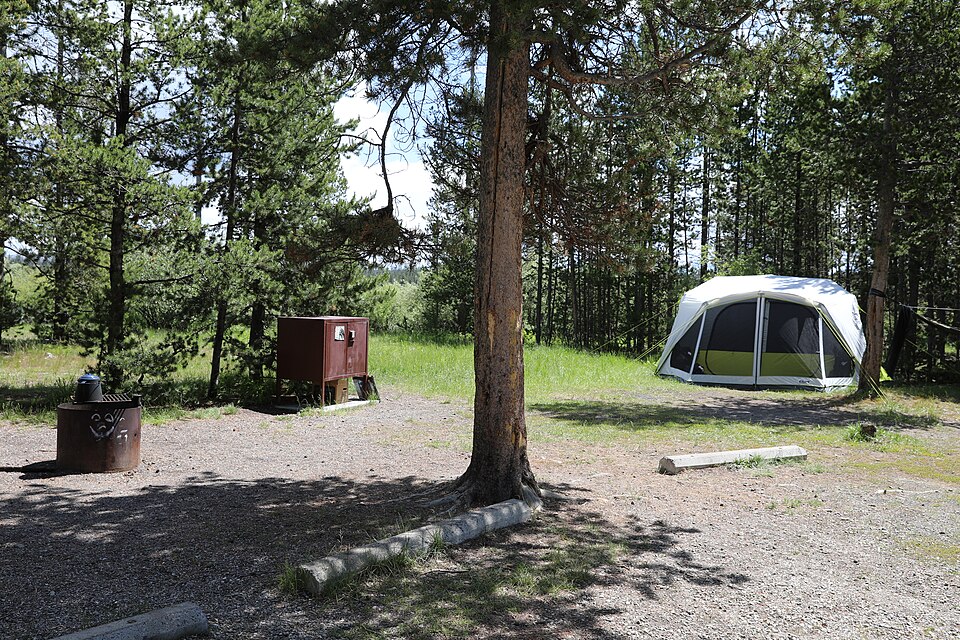
If you plan to stay overnight, whether in a tent, an RV, or a local lodge, you should look for bookings at least three to six months out, especially for holiday weekends. Mid-week visits are the secret to a high-quality experience, as you will find more parking, shorter lines for amenities, and a more intimate connection with the landscape. Budgeting for your trip should include fuel, food, and potential gear needs, as daily costs for a family can average around a hundred and sixty dollars depending on your chosen level of comfort and activities.
More ways to book Starved Rock
 Illustrative · B3thedw
Lover's Leap Overlook
One of the classic ways to experience Starved Rock.
Varies (estimate)
Partner link · Viator