

Choosing the best time to visit St. Louis depends on your tolerance for humidity and your desire for outdoor activities along the Mississippi River. The city experiences four distinct seasons, each offering a unique perspective on the Gateway to the West. While spring and fall provide the most comfortable temperatures for walking the historic neighborhoods, summer brings a lively atmosphere with local baseball games and riverfront festivals that define the local culture. Travelers should always check official park websites for updated seasonal hours and weather-related closures.
Springtime Blooms and Mild Weather
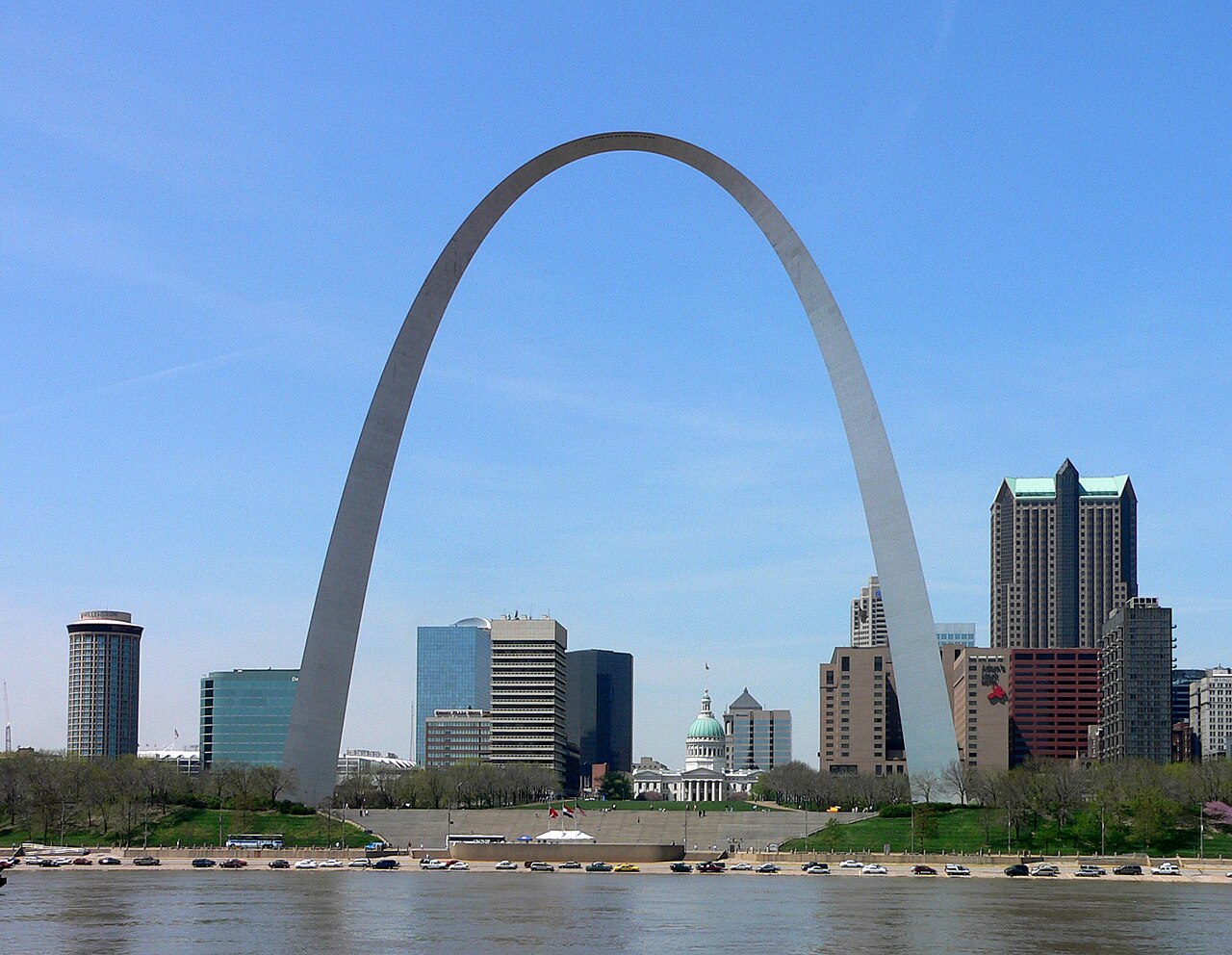
Spring is widely considered one of the prime windows for visiting St. Louis, particularly between April and early June. During this period, the city's extensive park systems, including the massive Forest Park, burst into color with blooming tulips and dogwoods. Temperatures typically range from the mid-50s to the low 70s, making it ideal for walking between the Gateway Arch and the Old Courthouse without the intense heat of the coming summer months.
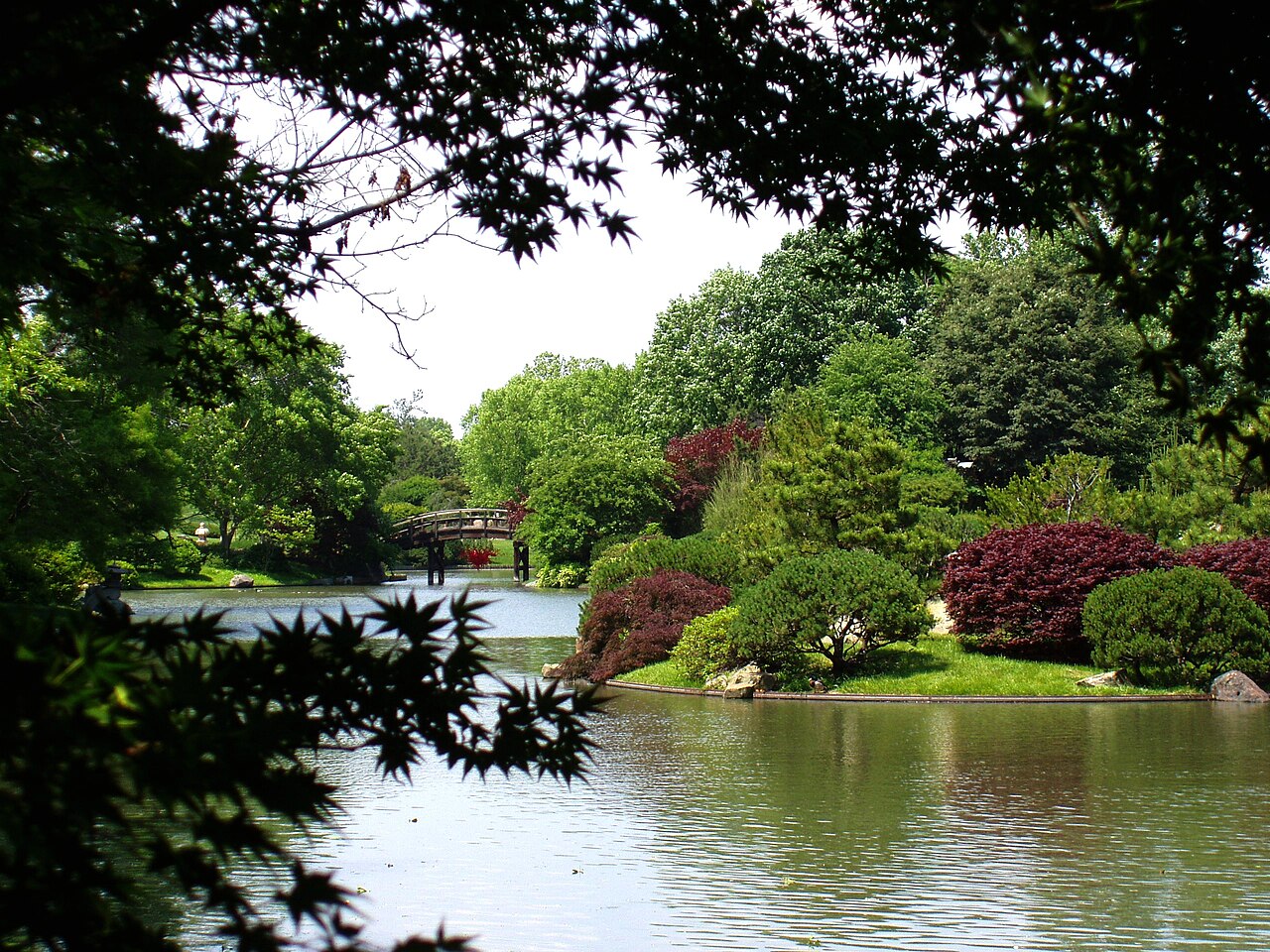
However, spring in the Midwest can be unpredictable with occasional rain showers and thunderstorms. If you are planning a visit during this time, it is wise to pack layers and a waterproof jacket. The pleasant weather draws moderate crowds to the National Park sites, so booking your tram tickets to the top of the Arch well in advance is highly recommended to secure a spot. This is also a fantastic time to explore the Missouri Botanical Garden, which is world-renowned for its diverse floral displays and traditional Japanese garden.
Summer Heat and Festival Energy
Summer in Missouri is characterized by high humidity and temperatures that frequently climb into the 80s and 90s. Despite the heat, July and August remain popular for families who are visiting during school breaks. The city comes alive with outdoor concerts, food festivals, and the undeniable energy of a Cardinals baseball game at Busch Stadium. The riverfront becomes a hub of activity, though the humidity can make prolonged outdoor activities strenuous for some.
To manage the summer heat, many visitors choose to explore indoor attractions like the St. Louis Art Museum or the Science Center during the peak sun hours of the afternoon. If you plan to visit the Gateway Arch during the summer, aim for early morning slots to avoid the largest crowds and the midday sun reflecting off the stainless steel monument. Be prepared for higher accommodation rates during holiday weekends like the Fourth of July, when the city hosts massive celebrations near the riverfront.
Fall Foliage and Crisp Air
September and October represent another peak season, often cited as the overall best time to visit St. Louis for outdoor enthusiasts. As the humidity breaks, the air turns crisp and the foliage along the Mississippi and Missouri Rivers begins to transform into brilliant shades of gold and orange. The temperate climate is perfect for hiking in nearby state parks or biking the many trails that crisscross the metropolitan area.
Fall also marks the season for numerous harvest festivals and neighborhood street fairs. Crowds at major landmarks tend to thin out slightly compared to the peak summer months, though weekends remain busy with regional visitors. This is a great time to enjoy the city's famous food scene, as outdoor dining remains comfortable well into October. Because this is a popular time for regional travel, it is still advisable to make hotel reservations and monument bookings at least several weeks before your arrival to ensure availability.
Lock in a stay for this season
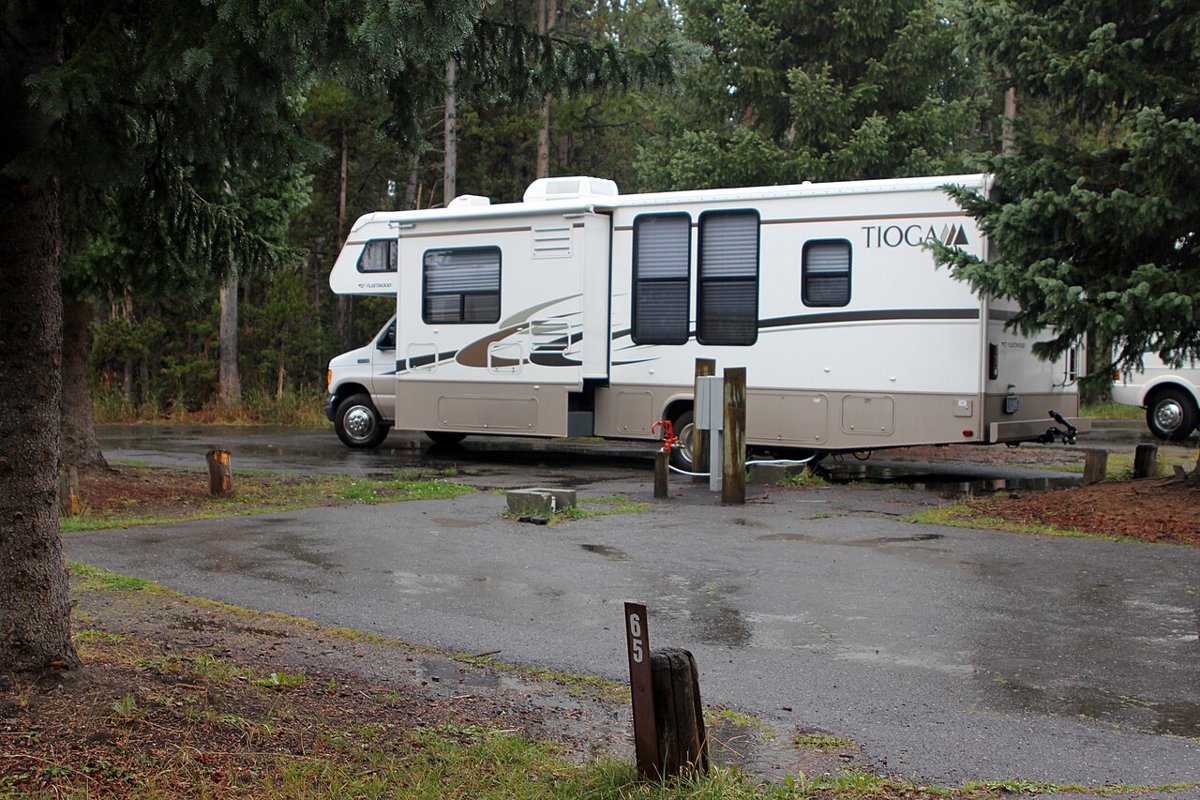
Harvest Hosts stays on the way to St. Louis
Partner link · Harvest Hosts
Winter Chill and Holiday Lights
Winter in St. Louis can be quite cold, with temperatures often dropping below freezing and occasional snowfall dusting the Gateway Arch. While this is the off-peak season for tourism, it offers a quieter, more intimate experience for those who don't mind the chill. The city glows during the holidays with impressive light displays in the Missouri Botanical Garden and Forest Park, creating a festive atmosphere that helps combat the winter gloom.
Travelers visiting in January or February will find the lowest rates on lodging and fewer lines at popular museums. However, some outdoor attractions may have limited hours or seasonal closures, so checking official sites for the most current information is essential. Indoor activities like visiting the historic Union Station or the various galleries throughout the city become the focal point of a winter itinerary. If you are driving into the city, be mindful of potential ice on the roads, especially when traveling from nearby gateway cities like St. Charles or Chesterfield.

Managing Crowds and Reservations
Regardless of the season, St. Louis is a major regional hub, and popular sites can reach capacity quickly. The Gateway Arch National Park is a primary draw year-round; therefore, securing tram reservations weeks or even months in advance is the best way to guarantee a ride to the top. During peak periods like spring break and summer holidays, the downtown area can become quite congested with both tourists and local commuters.
To avoid the heaviest crowds, consider scheduling your visits to major attractions on weekdays rather than weekends. Many of the city's historic districts, such as Soulard or Lafayette Square, offer a more relaxed pace even during busy seasons. Keep in mind that major sporting events or conventions can also impact hotel availability and traffic patterns. Always check the official NPS website for any scheduled maintenance on the monuments or changes in visitor center operations before you set out for the day, ensuring your trip remains seamless and enjoyable.
More ways to book St. Louis
 Illustrative · [https://www.flickr.com/photos/11399912@N00 B0iwehijro2i0-
]
`1l]] from Davis, CA, USA
Missouri Botanical Garden Walk
One of the classic ways to experience St. Louis.
Varies (estimate)
Partner link · Viator