
Timing your trip to the Nationâs Oldest City requires balancing Floridaâs subtropical humidity with its popular festival calendar. While St. Augustine attracts visitors year-round, the shoulder seasons of spring and late fall offer the most comfortable climate for walking the narrow brick streets of the historic district. Understanding the nuances of coastal weather and regional holidays will help you plan a trip that avoids the most intense heat and the largest crowds.
Spring: The Sweet Spot for Exploring
From March through May, St. Augustine experiences its most pleasant weather, making this arguably the best time to visit for outdoor enthusiasts. Daytime temperatures typically hover in the 70s and low 80s, providing a perfect backdrop for wandering through the Castillo de San Marcos or lounging on Anastasia Island. The humidity remains relatively low compared to the summer months, and the ocean breeze is refreshing rather than biting.
However, this is also a popular time for families and school groups. March and April see an uptick in domestic travelers due to spring break cycles. If you visit during this window, you will enjoy blooming azaleas and vibrant greenery throughout the city's plazas. Be sure to book your accommodations several months in advance, as the combination of great weather and local festivals makes hotels in the historic district fill up quickly. It is a prime time for birdwatching at the local alligator farm and coastal marshes.
Fall: Cooling Temples and Cultural Events
As the summer heat begins to break in October, St. Augustine enters a second peak season that lasts through December. The transition from September to October brings a noticeable drop in both temperature and humidity, though it is important to remember that hurricane season runs through the end of November. Visitors during this time should monitor weather updates closely, as coastal conditions can change rapidly. By late October, the air is crisp, and the evening walks along St. George Street become much more enjoyable.
November and December are particularly famous in St. Augustine due to the city's extensive holiday light displays, which draw massive crowds from across the Southeast. While the lights are a spectacular sight, be prepared for heavier traffic and longer wait times at popular restaurants. This season is perfect for those who enjoy a festive atmosphere and don't mind wearing a light jacket while exploring the waterfront at night. The cultural calendar is packed with heritage festivals and colonial reenactments during these months.
Summer: High Heat and Coastal Crowds
June through August represents the peak of Florida summer, characterized by high temperatures, intense humidity, and daily afternoon thunderstorms. Despite the heat, this is a very busy season for the city's beaches as families flock to Anastasia State Park and Vilano Beach to cool off in the Atlantic. If you choose to visit during the summer, plan your outdoor historical tours for the early morning hours and retreat to air-conditioned museums or shaded beach spots during the midday sun.
The humidity can be taxing for those not used to the Southern climate, so staying hydrated is essential. The afternoon rains are usually brief but heavy, often providing a temporary reprieve from the heat. This is a great time for water-based activities like kayaking the Matanzas River or taking a boat tour of the harbor. Expect higher prices for beachfront rentals and busier sidewalks in the downtown area. Always have a backup plan for indoor activities, such as visiting the Lightner Museum or the local distillery, to escape the midday showers.
Lock in a stay for this season
Harvest Hosts stays on the way to St. Augustine
Partner link · Harvest Hosts
Winter: Quiet Charm and Mild Days
January and February are the quietest months in St. Augustine, offering a different kind of charm for visitors who prefer a slower pace. While the rest of the country might be buried in snow, St. Augustine sees daytime highs in the 60s, though occasional cold fronts can drop temperatures into the 40s at night. This is the best time for budget-conscious travelers to find lower rates on lodging and shorter lines at the city's major historical sites.
The Atlantic waters are generally too cold for swimming during this period, but the beaches remain beautiful for long walks and shell collecting. It is a fantastic time for photographers who want to capture the Spanish architecture without large crowds blocking the view. Keep in mind that while the weather is generally mild, it can be damp and gray on certain days, so packing layers is crucial. Many local residents enjoy the tranquility of this season, and you will find a more authentic, local feel in the cafes and shops that line the historic avenues.
Navigating Crowds and Making Reservations
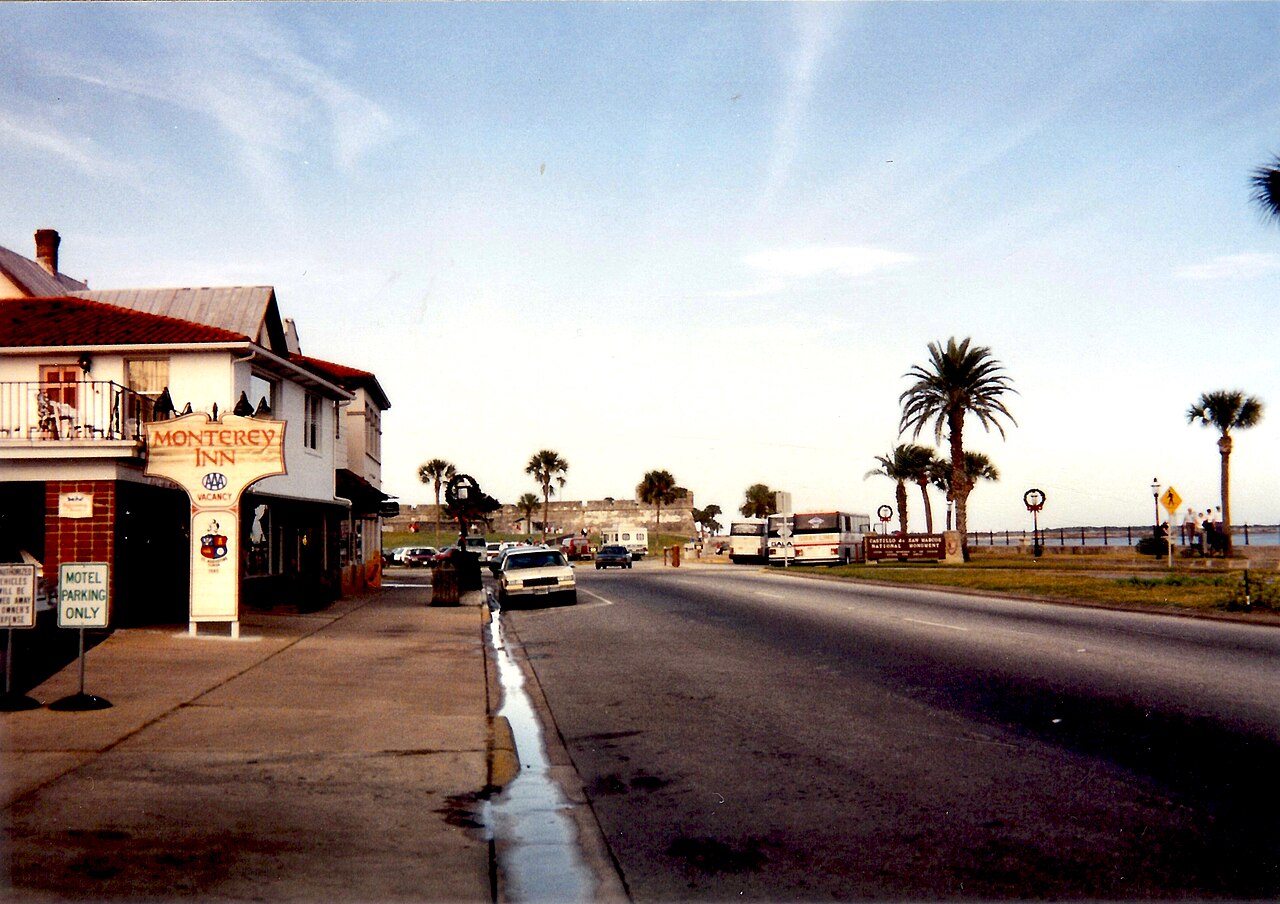
St. Augustine is a compact city, which means that even a moderate increase in tourists can make the historic district feel congested. To ensure a smooth trip, it is highly recommended to check the official National Park Service website for the Castillo de San Marcos for current hours and any required reservations for fort tours. Weekends are consistently busier than weekdays throughout the year, as the city is a popular weekend getaway for residents of Jacksonville and Orlando.
For dining, popular restaurants in the colonial quarter often require reservations several days in advance, especially during the fall and spring. If you are planning to visit during the holiday light season or major holiday weekends, aim to book your lodging at least four to six months out. Using public parking garages early in the morning can save you the frustration of navigating the narrow streets once the day-trippers arrive. Always verify the status of local attractions, as seasonal maintenance or special events can occasionally limit access to certain historic landmarks or parks.
More ways to book St. Augustine
 Illustrative · clembore
Anastasia State Park Biking
One of the classic ways to experience St. Augustine.
Varies (estimate)
Partner link · Viator