
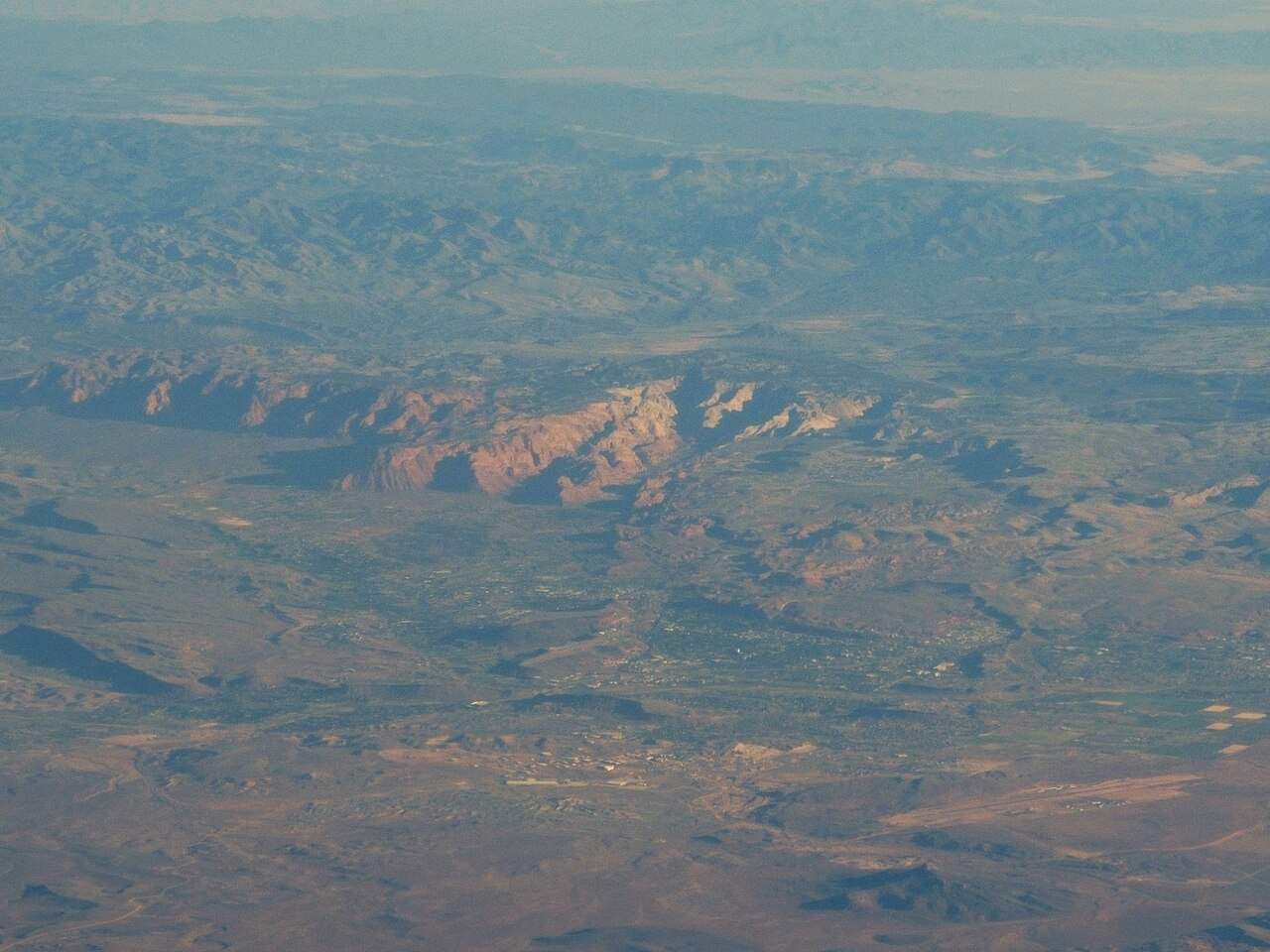
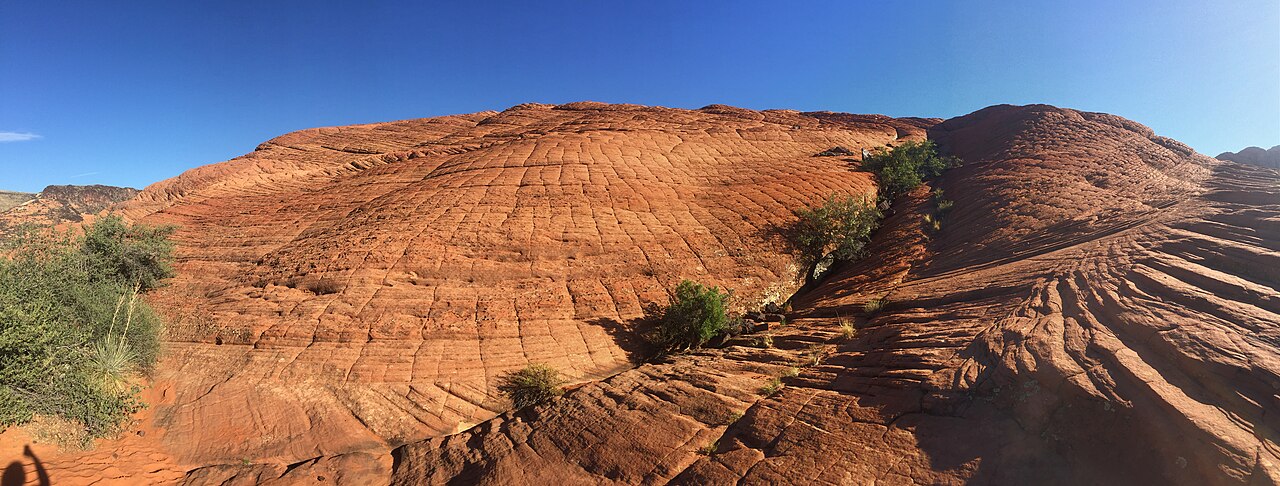
Tucked into the scenic Red Cliffs Desert Reserve, Snow Canyon State Park offers a unique landscape where black basaltic lava flows collide with towering orange and white sandstone. Because of its low elevation in Southwestern Utah, the timing of your visit significantly impacts your comfort and access to the trails. While many travelers overlook this gem for nearby Zion, choosing the right window ensures you experience the vibrant colors of the Mojave desert without the intense summer heat. Generally, spring and fall offer the most temperate conditions for outdoor exploration.
Springtime Blooms and Perfect Temperatures
March through May is widely considered the best time to visit Snow Canyon. During these months, daytime temperatures typically hover in the comfortable 60s and 70s, making it the ideal window for long treks through the petrified dunes or the strenuous climb up to the parkâs northern overlooks. The desert landscape comes alive during the spring as wildflowers like the desert marigold and globemallow begin to bloom against the dark lava rocks.
Wildlife activity also peaks during this season. You are much more likely to spot a desert tortoise or a Gila monster sunning itself near the trailheads before the high heat of summer arrives. Because this is the most popular time for visitors, especially during spring break weeks, the small parking lots at popular trailheads like Jennyâs Canyon can fill up by mid-morning. It is wise to arrive shortly after sunrise to secure a spot and enjoy the soft morning light hitting the red canyon walls.
Autumn Colors and Crisp Desert Air
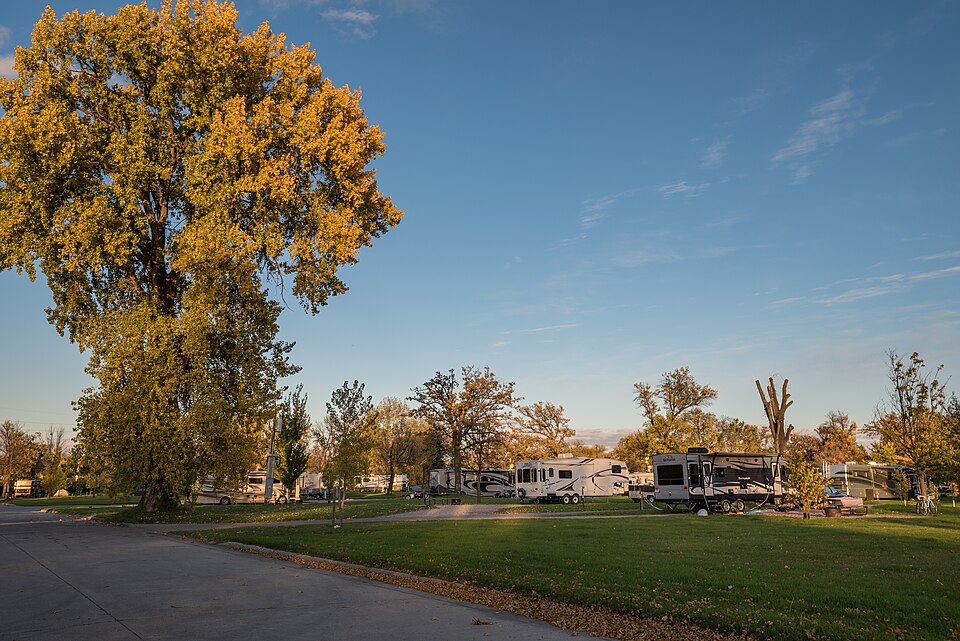
Fall, particularly from late September through November, offers a second peak season that many locals prefer over spring. As the summer heat fades, the air turns crisp and clear, providing exceptional visibility for photographers looking to capture the contrast between the blue Utah sky and the fiery sandstone. Temperatures are remarkably stable during this time, usually resting in the low 70s during October. Unlike the higher elevations in Northern Utah, Snow Canyon stays warm well into the late autumn.
The cottonwood trees scattered along the canyon floor begin to turn a brilliant gold in late October, adding another layer of color to the already vibrant scenery. While the park is busy during the weekends, midweek visits in the fall are often tranquil. This is an excellent time for technical rock climbing on the parkâs famous sandstone faces, as the rock is no longer too hot to touch, yet the daylight hours remain long enough for significant afternoon excursions.
Winter Solitude in the Low Desert
Winter in Snow Canyon is a hidden secret for those who enjoy solitude and mild weather. While much of Utah is buried under feet of snow, this corner of the state rarely sees significant accumulation. When it does snow, the sight of white powder resting on the red rocks is breathtaking, though it usually melts by noon. Daytime highs in December and January frequently reach the 50s, which is perfectly comfortable for hiking if you wear a light jacket or layers.
The park is at its quietest during the winter months. You can often hike the Hidden Pinyon trail without seeing another soul, providing a meditative experience in the desert. However, be aware that once the sun dips behind the high canyon walls, temperatures drop rapidly toward freezing. If you plan to camp during the winter, you will need high-quality cold-weather gear. It is the perfect season for those who prioritize peace and quiet over the warmth of the spring sun.
Lock in a stay for this season
Harvest Hosts stays on the way to Snow Canyon
Partner link · Harvest Hosts
Navigating the Intense Summer Heat
Summer in Southwestern Utah is characterized by extreme heat, with temperatures regularly exceeding 100 degrees Fahrenheit from June through August. Visiting during this time requires a specific strategy to remain safe and comfortable. The park remains open, but hiking is best restricted to the very early morning hours, typically between 6:00 AM and 10:00 AM. After midday, the heat radiating off the black lava flows can make the trails feel significantly hotter than the ambient air temperature.
If you visit in summer, focus on scenic drives and short walks to viewpoints rather than long backcountry treks. There is very little shade within the canyon, and the sun can be relentless. This is the season when the park sees its lowest visitation numbers for hikers, though the nearby reservoirs in the St. George area draw crowds looking to cool off. Always check the official NPS or Utah State Park sites for heat advisories, and never start a long hike without significantly more water than you think you will need.

Managing Reservations and Peak Capacity
Snow Canyon is a popular day-use destination for residents of St. George and Ivins, which means it can reach capacity during holiday weekends such as Memorial Day or Labor Day. Unlike some national parks, Snow Canyon does not currently require a timed-entry reservation for general admission, but the park may temporarily close its gates if all parking areas become full. This usually happens on Saturday mornings in the spring.
For those planning to stay overnight, the parkâs single campground is highly sought after. Reservations can be made several months in advance through the Utah State Parks booking system and are highly recommended. If you are visiting during the peak months of April or October, you should aim to book your campsite as soon as the window opens. For day-trippers, arriving before 9:00 AM or after 4:00 PM is the best strategy to ensure you get through the gate and find parking at your preferred trailheads without delay.
More ways to book Snow Canyon
 Illustrative · joannapoe
Jenny's Canyon
One of the classic ways to experience Snow Canyon.
Varies (estimate)
Partner link · Viator