
Perched at an elevation of 7,000 feet, Santa Fe offers a unique high-desert climate that is vastly different from the scorching heat found in lower New Mexico regions. Deciding on the best time to visit Santa Fe depends entirely on whether you prefer the crisp air of a mountain spring, the vibrant colors of fall, or the festive atmosphere of a snowy winter. Each season brings a distinct flavor to the city's storied streets and nearby wilderness areas, ensuring that there is never a bad time to explore this historic capital.
Spring Blooms and Mountain Breezes
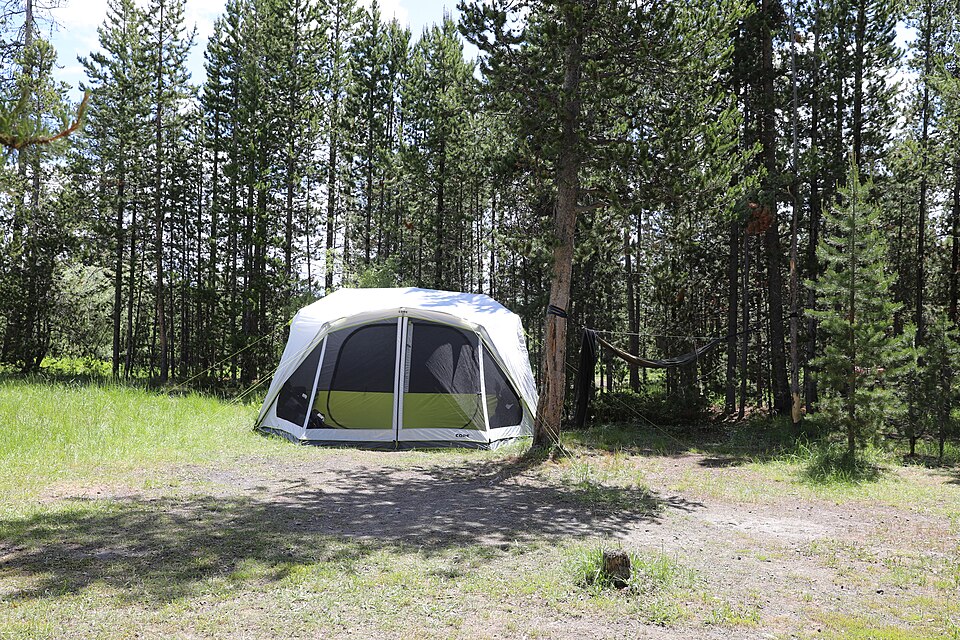
Spring in the high desert is a season of transition, where the lingering chill of winter gradually gives way to sun-drenched afternoons and blooming wildflowers. March and April can be unpredictable, with occasional snow showers still possible, but by May, the city truly comes alive. This is an excellent time for hikers to hit the lower-elevation trails before the summer heat intensifies. You will find that the crowds are relatively thin compared to the peak summer months, making it easier to secure table reservations at popular local eateries.
Temperatures typically range from the low 40s to the high 60s, so layering is essential. The surrounding Sangre de Cristo Mountains may still hold snow on their peaks, providing a stunning backdrop to the blooming cactus and chamisa plants in the valley. If you enjoy crisp air and quiet galleries, late spring offers a peaceful window to experience the city's cultural heart without the hustle of the festival season.
Summer Festivals and Monsoon Rains
Summer is undeniably the busiest time in Santa Fe, drawing visitors from around the globe for its world-renowned art markets and outdoor opera. While daytime temperatures can climb into the 80s and occasionally the 90s, the low humidity keeps the heat manageable. One characteristic feature of a Santa Fe summer is the afternoon monsoon. These brief, dramatic thunderstorms typically roll in during July and August, providing a cooling respite and leaving the air smelling of fresh sage and rain-soaked earth.
Because this is peak season, you should expect higher demand for lodging and more activity around the historic Plaza. Planning your outdoor adventures for the early morning is wise to avoid both the midday sun and the potential for afternoon lightning. The lush green foliage in the nearby Santa Fe National Forest is at its peak during these months, offering a beautiful escape for those looking to hike among the tall ponderosa pines and aspens.
Fall Foliage and Golden Aspens
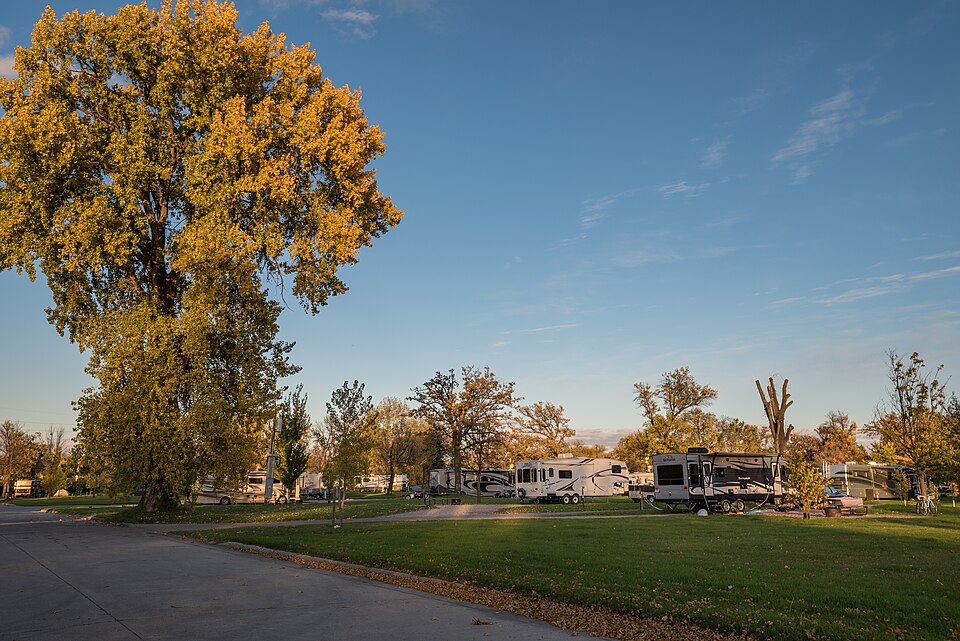
Many locals consider autumn to be the absolute best time to visit Santa Fe. From September through October, the weather is consistently mild, with bright blue skies and comfortable temperatures in the 60s and 70s. The true draw, however, is the changing of the leaves. The aspen groves in the surrounding mountains turn a brilliant, shimmering gold, creating a spectacular contrast against the deep green conifers. Driving up towards the local ski basin offers some of the most accessible and breathtaking fall color viewing in the entire Southwest.
Beyond the scenery, fall is the season of the harvest. You will likely smell the aroma of roasting green chiles wafting through the air in every neighborhood. Festivals continue into the early fall, but the general pace of the city slows down slightly compared to the mid-summer peak. It is a fantastic time for photographers and outdoor enthusiasts who want to enjoy the trails while the air is crisp and the light is golden.
Lock in a stay for this season
Harvest Hosts stays on the way to Santa Fe
Partner link · Harvest Hosts
Winter Magic and Holiday Traditions
Winter in Santa Fe is a magical experience characterized by snowy adobe rooftops and the scent of piñon wood smoke. While it is a mountain town, the valley stays relatively sunny even in the coldest months, though nighttime temperatures frequently drop well below freezing. The city becomes particularly festive during the holiday season, with farolitosâsmall paper lanternsâlining the walkways and buildings. Skiers and snowboarders flock to the nearby slopes, which are just a short drive from the downtown area, offering high-altitude terrain without the massive crowds of larger resorts.
If you visit during the winter, you will find that the pace is much slower, except for the week between Christmas and New Year's. It is an ideal time for those who want to cozy up by a kiva fireplace after a day of exploring museums or soaking in local hot springs. Be sure to check weather reports if you are driving, as mountain passes can occasionally become treacherous during heavy snow cycles.
Reservations and Planning Tips
Because Santa Fe is a premier destination, timing your bookings is crucial for a smooth trip. For visits during the major summer art markets or the winter holidays, it is highly recommended to book your lodging and dining reservations several months in advance. Many of the most sought-after restaurants near the Plaza fill up quickly, especially on weekends. If your schedule allows for mid-week travel, you may find more flexibility and slightly lower rates at boutique hotels and inns.
Always check the official National Park Service or National Forest websites if you plan on visiting nearby monuments like Bandelier. Some areas require timed entry or have seasonal road closures that could impact your itinerary. Regardless of when you choose to visit, remember that the high altitude requires extra hydration and sun protection. Planning your trip with a mix of indoor cultural activities and outdoor excursions will help you make the most of the city's unique environment, no matter what the thermometer says.

More ways to book Santa Fe
 Illustrative · BugWarp
Bandelier National Monument
One of the classic ways to experience Santa Fe.
Varies (estimate)
Partner link · Viator