
For those who want to immerse themselves in the rugged beauty of the Pacific Northwest without sacrificing the comforts of home, San Juan Islands glamping is the perfect solution. Imagine falling asleep to the sound of wind in the Douglas firs and waking up in a real bed with high-quality linens, all while being just steps away from a shoreline or a forested trail. This style of accommodation allows you to skip the gear-heavy logistics of traditional camping while still enjoying the crackle of a campfire under the stars.
The Glamping Experience
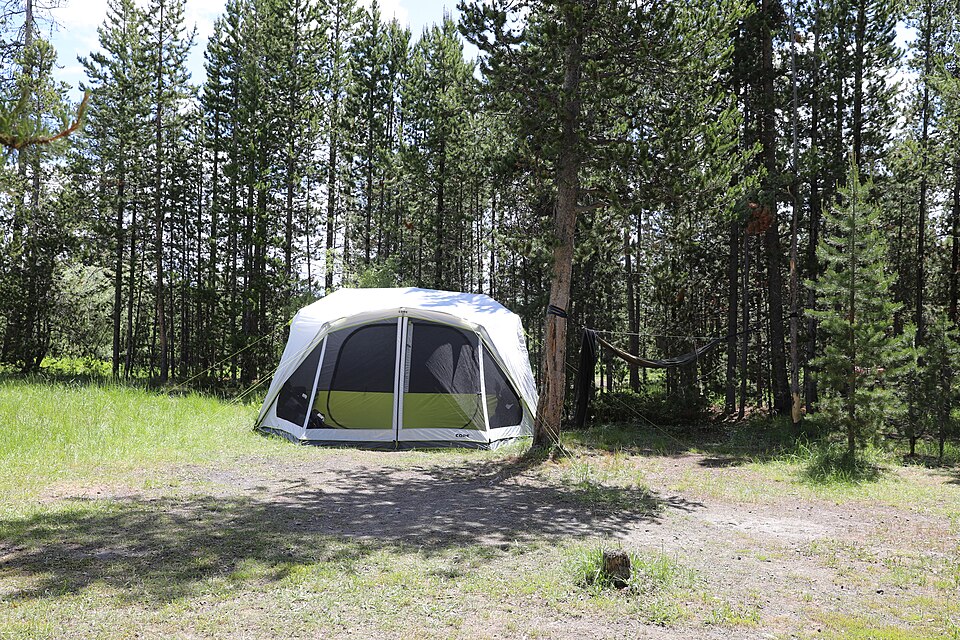
Glamping in the San Juans typically takes the form of large, canvas wall tents perched on wooden platforms. These structures are often elegantly furnished with queen or king-sized beds, cozy rugs, and sometimes even small wood-burning stoves for chilly evenings. You might find amenities like battery-powered lanterns, bedside tables, and outdoor seating areas where you can enjoy your morning coffee while watching for local deer.
While you won't usually find a full kitchen inside your tent, most glamping sites provide communal areas with fire pits, grills, and sometimes a shared outdoor kitchen setup. The bathrooms are typically located in a nearby central bathhouse, which is often a significant upgrade from standard campground facilities, featuring hot showers and modern plumbing. It is the ideal middle ground for travelers who love the idea of the outdoors but prefer a good night's sleep on a supportive mattress. The focus here is on 'soft adventure'âexperiencing the wildness of the islands with a touch of sophistication.
Where to Find Glamping Sites
The majority of glamping opportunities are found on the two largest islands, San Juan and Orcas. On San Juan Island, look for sites nestled in the woods near the center of the island or tucked away on the outskirts of Friday Harbor. These locations offer a sense of seclusion while remaining close enough to town for dinner reservations or a quick supply run. Some properties are located on former farmland, providing wide-open views of meadows and the occasional sighting of foxes or eagles.
On Orcas Island, glamping is often integrated into the lush, mountainous landscape. You might find luxury tents situated near the edges of Moran State Park, providing immediate access to miles of hiking trails. There are also sites located near the quieter bays on the eastern side of the island, where the water is calm and the atmosphere is deeply peaceful. Each location offers a slightly different vibe, from forest immersion to coastal breezes, so consider what kind of natural backdrop you want for your stay.
Glamping vs. Traditional Camping and RVs
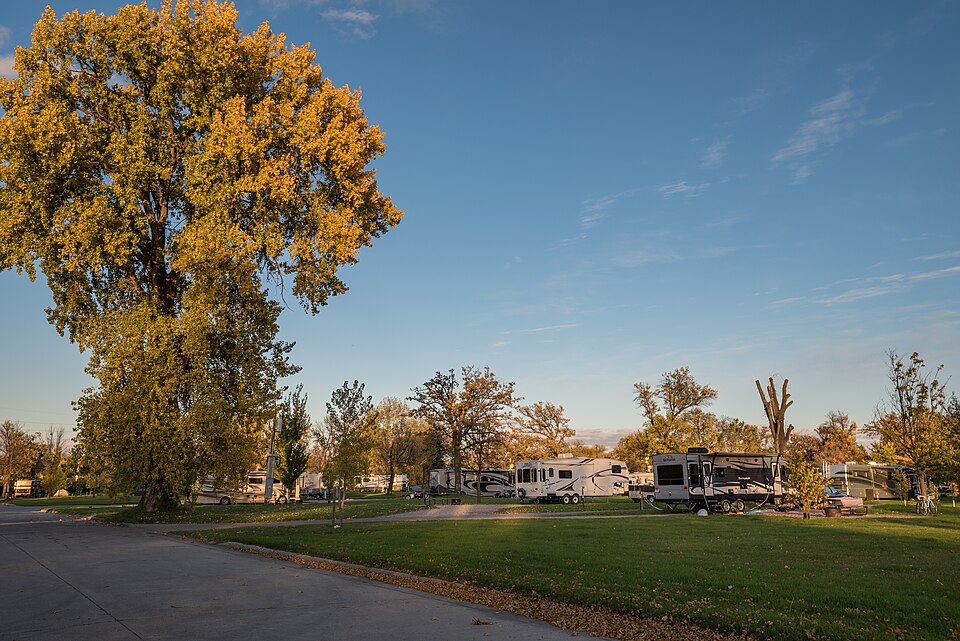
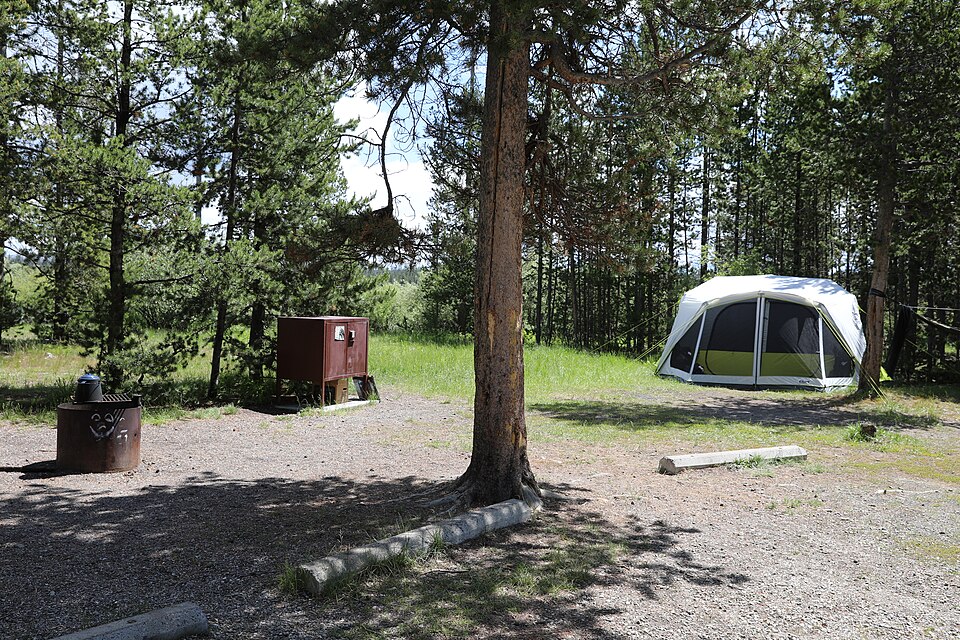
Choosing glamping over traditional camping or RVing changes the dynamic of your trip. Traditional camping in the islands, available at state and county parks, requires you to bring all your own gearâtents, sleeping bags, stoves, and water filtration. It is the most budget-friendly way to stay but involves significant packing and setup time. RVing is another popular option, with several parks offering hookups, but navigating the narrow, winding island roads and securing ferry space for a large vehicle can be challenging and more expensive.
Glamping removes these hurdles. You don't need to worry about pitching a tent in the rain or hauling heavy bins of gear on the ferry. It is especially appealing for those flying into the region who don't want to pay for extra baggage or rent camping equipment. While glamping is generally more expensive than a standard campsiteâoften rivaling the cost of a boutique hotel roomâthe value lies in the unique atmosphere and the seamless blend of nature and comfort. It is an excellent choice for a romantic getaway or a special family treat.
Seasonal Considerations for Glampers
Since glamping units are typically canvas-walled, they are highly seasonal. Most sites open in late spring, around May, and close for the season in late September or early October. During the peak of summer, these tents are airy and comfortable, but in the shoulder seasons, the nights can get quite chilly. Many operators provide extra blankets or even heated mattress pads, but you should still pack warm layers and wool socks to stay comfortable after the sun goes down.
Booking a glamping stay requires early planning, often as much as six months in advance for summer weekends. These unique accommodations are in high demand and limited in number. If you are looking for a quieter experience, consider booking a mid-week stay in June or September. Always check the specific amenities of your chosen site, as some may offer more 'primitive' glamping while others are fully outfitted with electricity and luxury perks. Be sure to check the official park or operator sites for their specific cancellation policies and check-in procedures, as they can differ from standard hotels.
Packing for Your Glamping Adventure
Even though you are staying in a luxury tent, you are still in the Pacific Northwest wilderness. Your packing list should include a mix of items for both comfort and outdoor activity. Bring a headlamp or a high-quality flashlight for navigating to the bathhouse at night, as paths can be dark and uneven. Even if your glamping site provides bedding, a small personal travel pillow or a favorite throw blanket can make the space feel more like home.
Footwear is crucial; bring a pair of sturdy hiking boots for the trails and a pair of easy-to-slip-on shoes or sandals for moving between your tent and the communal areas. Don't forget rain gear, even in the summer, as a passing mist is always a possibility. Since you will likely be spending your evenings outdoors, pack some eco-friendly insect repellent and sunblock. Finally, bring a reusable water bottle and perhaps some local snacks from a Friday Harbor market to enjoy on your private deck. Glamping is about enjoying the simple pleasures, and having the right gear makes those moments even better.