

Choosing the best time to visit San Antonio depends largely on your tolerance for the legendary Texas heat and your desire to participate in the city's frequent cultural festivals. While the city is a year-round destination, the shoulder seasons of spring and fall offer the most comfortable balance of mild weather and outdoor accessibility. During these months, the humidity is manageable, and the landscape is either bursting with bluebonnets or glowing with the soft hues of late-year foliage, making it ideal for exploring the historic missions.
Spring Blooms and Festivals
Spring, particularly from March through May, is widely considered the absolute best time to visit San Antonio. The weather is spectacular, with daytime highs typically ranging from the 70s to low 80s Fahrenheit. This is the season when the Texas Hill Country, just north of the city, explodes in a blanket of bluebonnets and other native wildflowers. The moderate temperatures make long walks along the River Walk and visits to the San Antonio Missions National Historical Park incredibly pleasant before the summer humidity sets in.
Beyond the weather, spring is the height of the city's social calendar. The famous Fiesta San Antonio, a massive city-wide celebration featuring parades, food, and music, typically takes place in April. Because this is peak tourism season, visitors should plan to book accommodations well in advance. While the crowds are larger during festival weeks, the vibrant atmosphere and perfect walking weather provide an quintessential South Central Texas experience that is hard to beat during other times of the year.
Autumn's Cultural Warmth
If you prefer to avoid the spring break crowds, September through November is another stellar window for a visit. The oppressive heat of the Texas summer begins to break in late September, giving way to crisp mornings and warm, sunny afternoons. This period is particularly special for those interested in local culture, as the city celebrates Dia de los Muertos with elaborate altars, processions, and riverside events. The humidity drops significantly compared to the summer months, making it a great time for outdoor dining and evening strolls.
Fall also brings a different kind of natural beauty to the region. While Texas isn't known for dramatic foliage like New England, the cypress trees lining the San Antonio River turn a beautiful rusty orange. For travelers coming from colder climates, the mild November weather serves as a perfect escape. It is generally easier to find hotel availability in the fall compared to the spring, though major holiday weekends like Thanksgiving still draw significant crowds to the downtown core and the nearby Pearl District.
Navigating the Texas Summer
Summer in San Antonio, spanning June through August, is characterized by high temperatures that frequently soar above 90 degrees, often accompanied by high humidity. While this is a popular time for families on school break, it requires a different approach to sightseeing. The midday sun can be intense, so seasoned travelers plan their outdoor activities—like hiking the Mission Reach trail—for the early morning hours. During the heat of the day, the city's many museums, air-conditioned shopping centers, and indoor attractions become the primary focus of most itineraries.
To manage the heat, many visitors take advantage of the region's water features. The River Walk provides a cooler microclimate thanks to its shade trees and proximity to the water, and nearby water parks or natural swimming holes in the surrounding Hill Country offer much-needed relief. If you visit during the summer, staying hydrated is crucial. The benefit of a summer visit is that many hotels offer lower rates during the hottest weeks, and the long daylight hours give you plenty of time to enjoy the city's vibrant nightlife once the sun goes down and the air finally cools.
Lock in a stay for this season
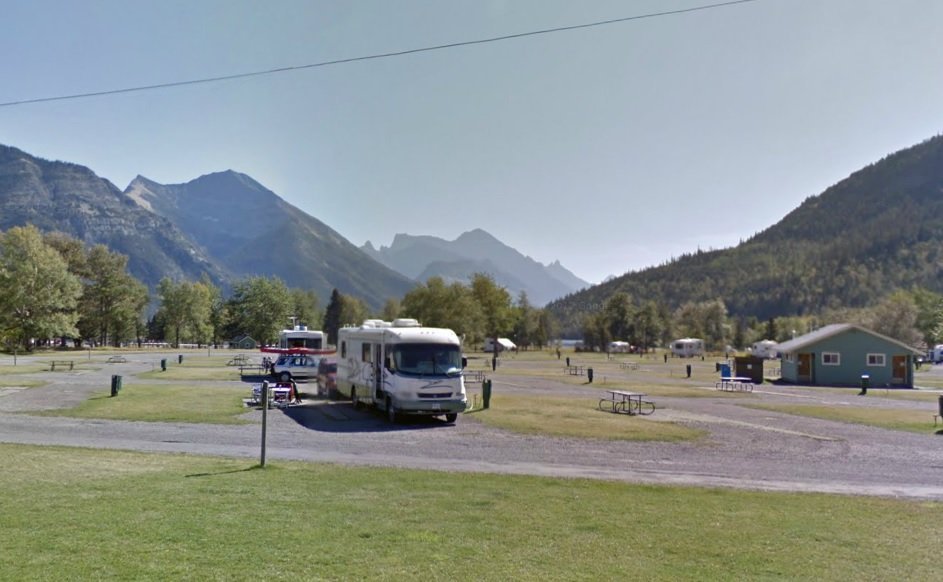
Harvest Hosts stays on the way to San Antonio
Partner link · Harvest Hosts
Winter Charm and Holiday Lights
Winter in South Central Texas is generally mild and short, lasting from December through February. While occasional cold fronts can bring freezing temperatures, daytime highs often hover in the comfortable 60s. This is the quietest time for tourism, making it an excellent choice for budget-conscious travelers or those who prefer a more tranquil pace. The city takes on a magical quality during the holiday season, as the River Walk is illuminated by thousands of colorful lights hanging from the cypress trees, a tradition that typically begins in late November and lasts through early January.
Although you won't see the lush greenery of spring, the winter months are perfect for exploring the indoor history of the Alamo or the San Antonio Museum of Art without the bustle of large tour groups. It is worth noting that January and February can be somewhat rainy, so packing layers and a waterproof jacket is advisable. For hikers and birdwatchers, the cooler winter air is actually preferable for visiting the city's natural areas, as the lack of bugs and heat allows for longer treks through the scrublands and oak mottes.
Reservations and Planning Tips
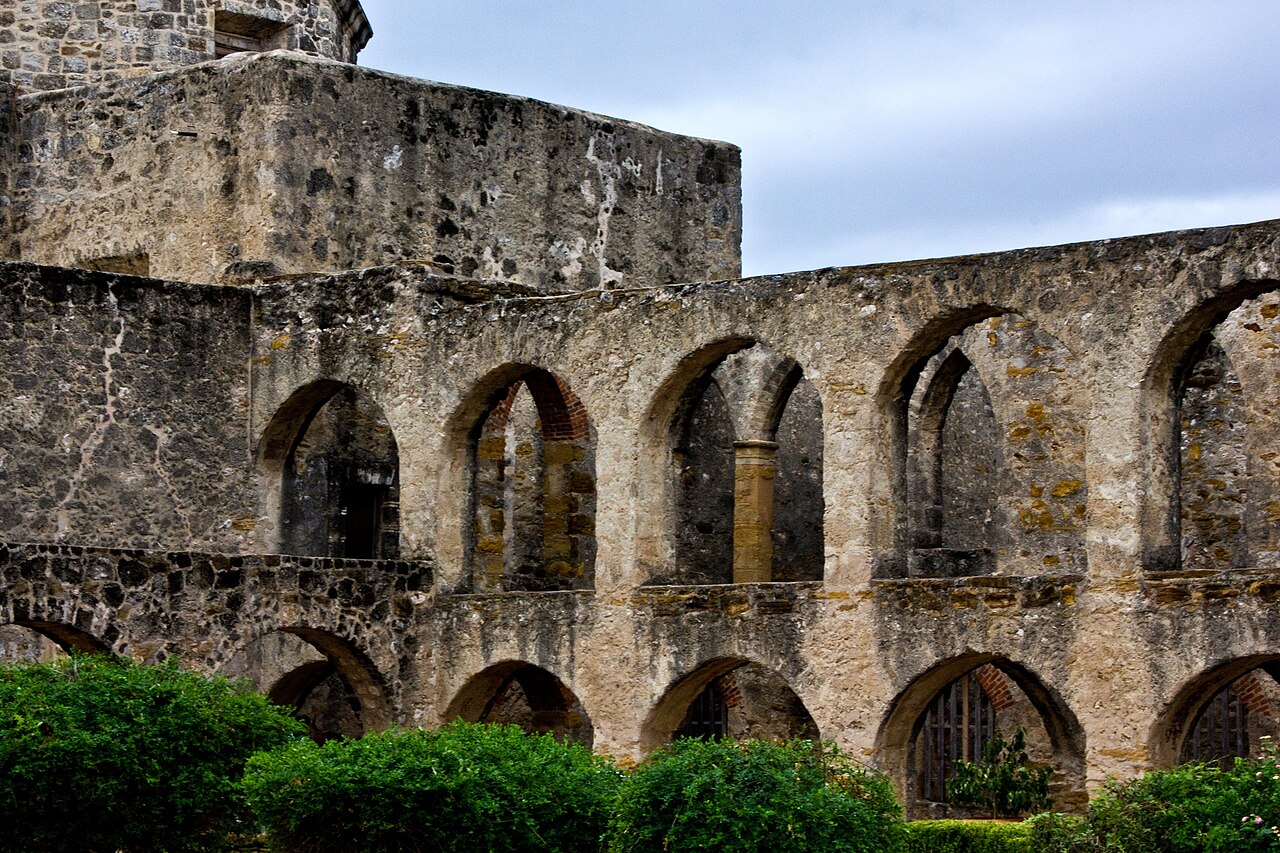
Regardless of when you choose to visit, checking the official National Park Service website for the San Antonio Missions is essential, as certain historic buildings may have seasonal hours or restoration projects underway. For peak periods like Fiesta in April or the holiday light season in December, hotel reservations should be secured at least three to four months in advance to ensure proximity to the downtown area. If your visit coincides with major conventions, which the city hosts frequently, you may find that downtown availability tightens significantly.
Consider the timing of your flights into San Antonio International Airport as well. Arriving mid-week can often lead to smoother transitions and fewer crowds at popular spots like the Pearl Farmers Market or the Japanese Tea Garden. For those looking to see the wildflowers, the timing can vary by a few weeks each year depending on winter rainfall, so checking local wildflower reports in late February is a smart move. Always remain flexible with your daily schedule, as Texas weather can shift rapidly, and having a backup plan for a rainy afternoon ensures your trip stays on track.
More ways to book San Antonio
 Illustrative · Corey Leopold
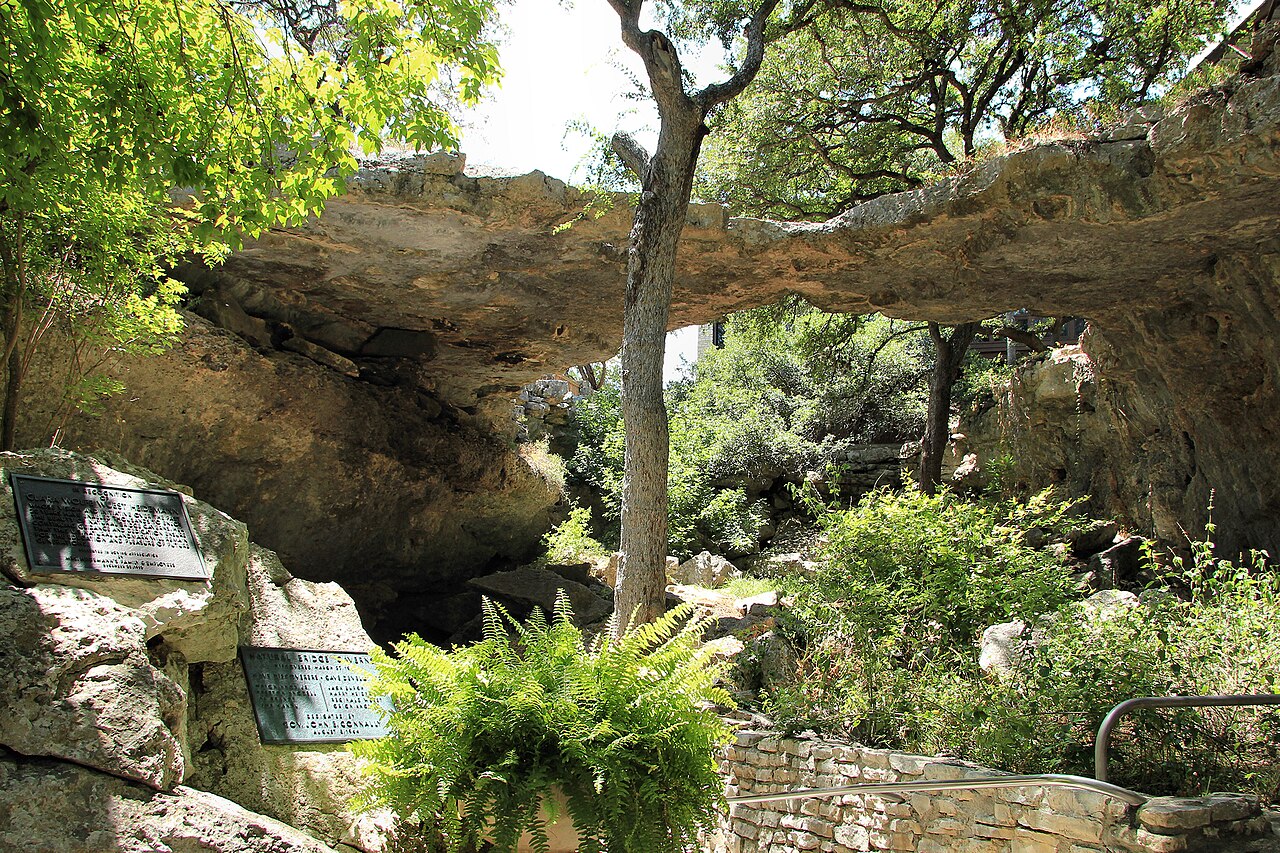
San Antonio Missions Hike
One of the classic ways to experience San Antonio.
Varies (estimate)
Partner link · Viator