
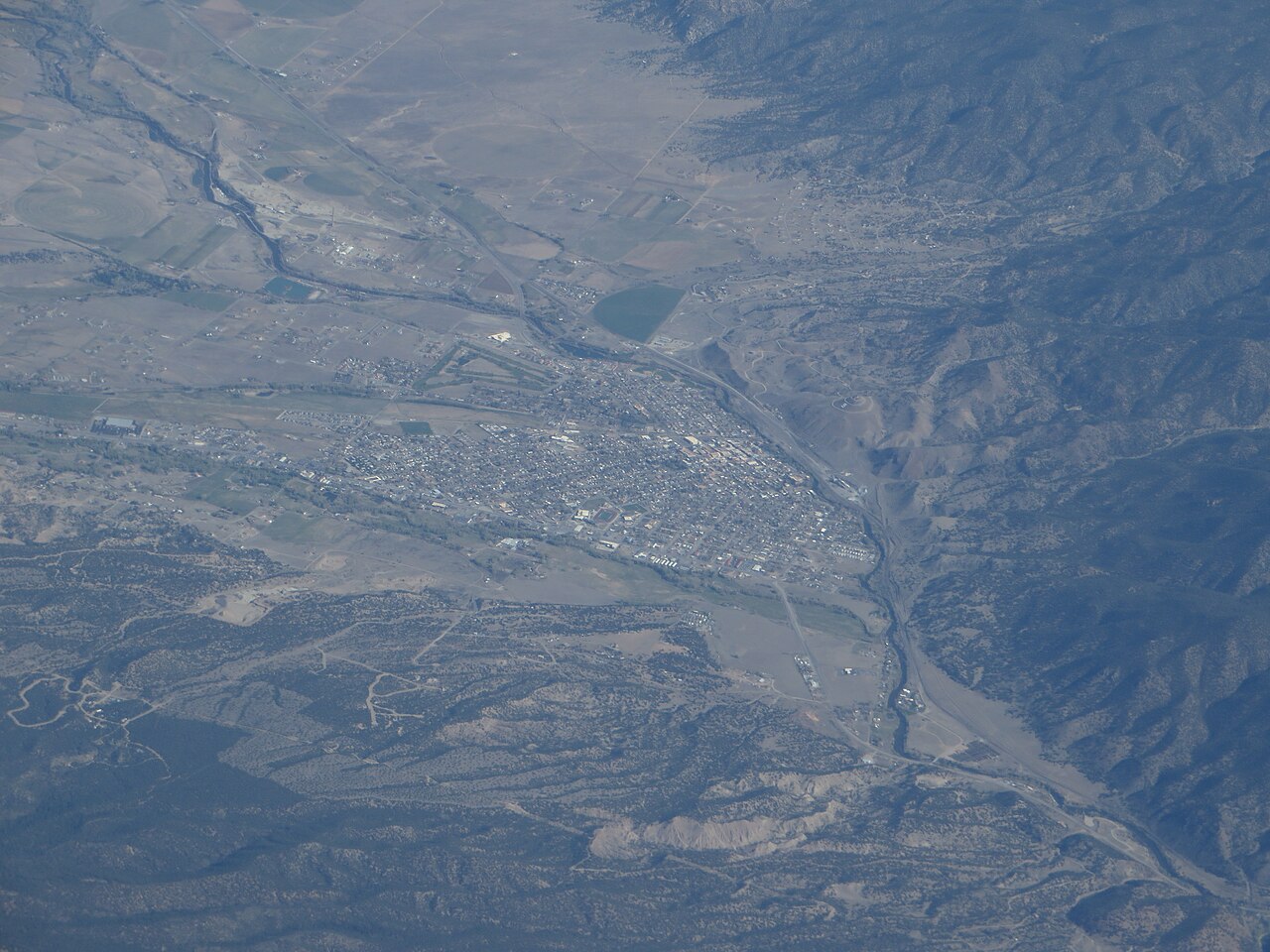
Salida sits in the heart of the Arkansas River Valley, sheltered by the towering Sawatch Range in a region often called the Banana Belt of Colorado. Because of its unique geography, the town enjoys milder winters and more sunshine than many other high-alpine destinations. However, choosing the right month is essential depending on whether you want to navigate world-class whitewater, hike fourteen-thousand-foot peaks, or soak in the local hot springs under a canopy of falling golden aspen leaves.
Summer High Season
Summer is arguably the best time to visit Salida if you are looking for the quintessential Colorado outdoor experience. From June through August, the town vibrates with energy as the Arkansas River reaches its peak flow. This is the prime window for whitewater rafting through Browns Canyon National Monument. The weather is warm, often reaching the eighties during the day, though the high elevation ensures cool, crisp evenings that are perfect for outdoor dining.
Because this is the busiest time of year, you should expect more visitors around the F Street bridge and the downtown river park. It is highly recommended to check the official NPS or state park websites for river conditions and to book your guided trips or riverside campsites well in advance. Hiking trails at higher elevations, like those leading up to Mount Shavano or Mount Princeton, are typically clear of snow by late June, offering a vast playground for mountaineers and backpackers looking to bag a few peaks.
Fall Foliage and Gold Medal Fishing
September and October bring a dramatic transformation to the valley. As the heat of summer fades, the aspens on the surrounding mountainsides turn a brilliant gold, creating a stunning contrast against the dark evergreens and blue sky. This is a favorite time for photographers and hikers who prefer cooler temperatures and fewer crowds. The air becomes brisk, and the first dustings of snow may appear on the high summits, while the valley floor remains temperate and dry.
For anglers, fall is perhaps the best time to visit Salida. The Arkansas River is famous for its Gold Medal trout fishing, and the autumn insect hatches bring brown and rainbow trout to the surface. The lower water levels make wading easier and more accessible than during the spring runoff. While many summer tourists have headed home, you should still check for availability at local lodges, as the fall colors draw weekend travelers from across the Front Range looking for a quiet mountain escape.
Winter at Monarch Mountain
Winter in Salida offers a different pace compared to the glitzy resort towns further north. While the town itself stays relatively mild, nearby Monarch Mountain receives hundreds of inches of natural snow, making it a haven for skiers and snowboarders who prefer natural terrain and a local vibe. The lack of man-made snow creates a soft, authentic skiing experience that complements the town's laid-back atmosphere.
Even if you are not a skier, winter is a fantastic time to enjoy the area's geothermal features. Soaking in a hot spring while snow falls on the surrounding pines is a highlight of the season. The crowds are significantly thinner than in summer, making it easier to find a table at local eateries or a spot at a nearby hot springs resort. Be aware that mountain passes can become treacherous during winter storms, so always check CDOT for road closures and current conditions before driving from gateway cities like Leadville or Canon City.
Lock in a stay for this season
Harvest Hosts stays on the way to Salida
Partner link · Harvest Hosts
Spring Runoff and Variable Weather
Spring in the Central Rockies is a season of transition, often characterized by a mix of late-season snowstorms and bright, sunny days. In April and May, the snow begins to melt in the high country, causing the Arkansas River to rise rapidly. This period, known as the runoff, is an exciting time for experienced rafters, though some sections of the river may become too intense for beginners.
The trails at lower elevations, such as the Arkansas Hills Trail System right above town, usually dry out faster than the high-alpine routes, providing early-season mountain biking and hiking opportunities. However, mud season can be unpredictable; one day might feel like summer, while the next brings a heavy spring slush. If you visit during this time, pack layers and be flexible with your plans. It is a quiet period for the town, offering a peaceful atmosphere before the summer rush begins in earnest in June.
Reservations and Planning Tips
Regardless of when you decide to visit, planning ahead is key to a smooth trip. For summer visits, booking your accommodations and rafting permits several months in advance is wise, as the town fills up quickly during festivals and holiday weekends. If you are aiming for a winter trip, keep an eye on the snow reports for Monarch Mountain, as the natural snowpack determines the start and end of the ski season.
Always consult the official National Forest Service or Bureau of Land Management websites for the most current information on trail closures, fire bans, and wilderness permits. Salida's elevation is over 7,000 feet, and the surrounding peaks exceed 14,000 feet, so visitors should always prepare for intense sun and rapid weather changes. Bring plenty of water, high-SPF sunscreen, and high-quality rain gear, regardless of the season. Understanding the local climate will ensure you have the best possible experience in this ruggedly beautiful corner of Colorado.
More ways to book Salida
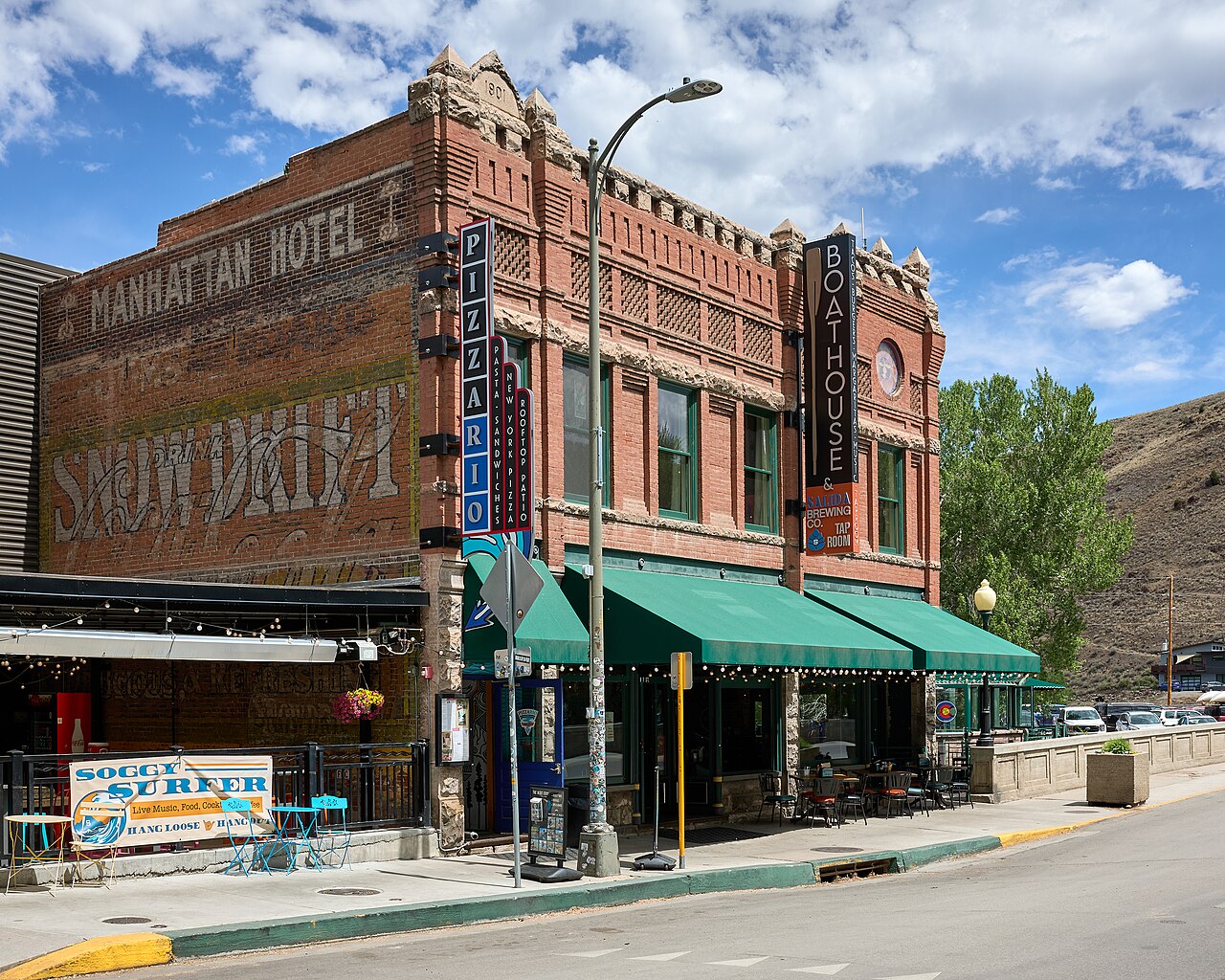 Illustrative · Frank Schulenburg
Mount Shavano Hike
One of the classic ways to experience Salida.
Varies (estimate)
Partner link · Viator