
Saguaro National Park offers a unique blend of accessible scenic drives and rugged wilderness, all centered around the tallest cacti in the United States. Whether you are looking for a gentle stroll through a cactus garden or a challenging trek into the high mountains, there are activities for every skill level. The park's two districts, East and West, each offer distinct landscapes and perspectives on the Sonoran Desert, ensuring that your visit is filled with diverse experiences and stunning vistas.
Scenic Drives and Iconic Vistas
One of the best ways to get a sense of the park's scale is by taking a scenic drive through its two districts. In the West District (Tucson Mountain District), the Bajada Loop Drive is a graded dirt road that winds through dense forests of saguaros. It offers numerous pullouts where you can step out and admire the giant cacti up close. The drive is suitable for most passenger vehicles and provides some of the most iconic photography opportunities in the park.
In the East District (Rincon Mountain District), the Cactus Forest Scenic Loop Drive is a paved, one-way road that offers a different perspective. This route features rolling hills and sweeping views of the Rincon Mountains. It is a favorite for both motorists and road cyclists. Along the way, you will find several trailheads and picnic areas, making it easy to spend half a day exploring at a slow pace. Both drives are particularly beautiful during the golden hour, just before sunset, when the saguaros cast long shadows across the desert floor.

Hiking the Desert Trails
Hiking is undoubtedly one of the top things to do in Saguaro. For a short but rewarding walk, the Valley View Overlook Trail in the West District provides a stunning panorama of the Avra Valley and Picacho Peak. It is a relatively flat path that weaves through a dense cactus forest, making it perfect for families. If you are interested in history, the Signal Hill Trail leads to a collection of ancient Hohokam petroglyphs, where you can see rock art dating back hundreds of years.
For those seeking a more strenuous adventure, the East District offers the Tanque Verde Ridge Trail. This hike gains significant elevation and provides breathtaking views of the Tucson basin and the surrounding mountain ranges. As you climb, the vegetation changes, offering a glimpse into the different life zones of the region. Always remember that desert hiking requires ample water, sun protection, and sturdy footwear. Even shorter trails can be taxing in the dry Arizona heat, so come prepared and know your limits before heading out.
Wildlife Spotting and Desert Flora
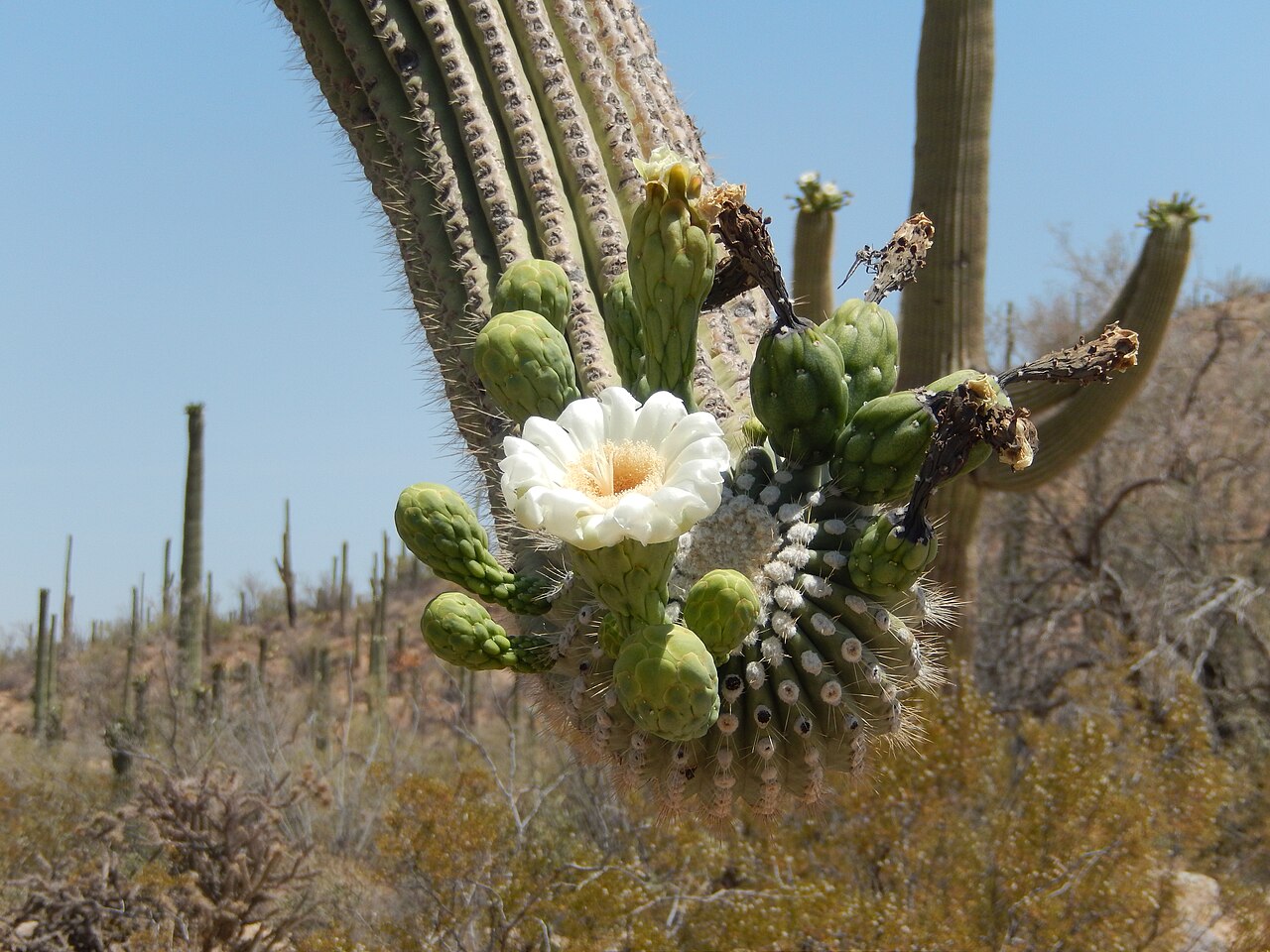
The Sonoran Desert is teeming with life, much of which is uniquely adapted to the arid environment. While the saguaros are the stars of the show, you should also look for other cactus species like the barrel cactus, prickly pear, and the fuzzy-looking but prickly teddy bear cholla. If you visit in late spring, you might see the saguaros crowned with waxy white flowers, which are the state flower of Arizona.
Wildlife enthusiasts should keep their eyes peeled for Gila woodpeckers and gilded flickers, which excavate nesting holes in the saguaros. You might also spot Greater Roadrunners darting across the trails or Javelinas (collared peccaries) foraging in the brush. In the early morning or evening, desert tortoises and Gambel's quail are frequently seen. While more elusive, bobcats and mountain lions also inhabit the park. Birdwatchers will find the park particularly rewarding, as it serves as a habitat for a variety of desert-dwelling species. Bringing a pair of binoculars and a local field guide will greatly enhance your wildlife viewing experience.
Activities for Families and Kids
Saguaro National Park is a fantastic destination for families. The Junior Ranger program is a highlight, offering kids an interactive way to learn about desert ecology and conservation. Visitor centers in both districts have educational exhibits that explain the lifecycle of the saguaro, which can live for over 150 years. The Desert Discovery Nature Trail in the West District is an easy, paved loop with interpretive signs that are perfect for young explorers.
Picnicking is another popular family activity. Areas like Sus Picnic Area or Signal Hill offer shaded tables and grills, allowing you to enjoy a meal surrounded by the giant cacti. It is a great way to take a break between hikes and let children observe the smaller details of the desert, like lizards scurrying over rocks or colorful insects on the plants. Be sure to teach children about the importance of not touching the cacti, as even the smallest spines can be painful. The park's accessibility and engaging landscape make it an educational outdoor classroom for visitors of all ages.
Rainy Day and Indoor Options
While rain is infrequent in the Sonoran Desert, it does happen, particularly during the winter months or the summer monsoon season. If you encounter a rainy day, the Red Hills Visitor Center in the West District and the Rincon Mountain Visitor Center in the East District offer excellent indoor experiences. You can watch orientation films that provide a deep dive into the natural and cultural history of the park. The bookstores inside the centers are also worth a visit, featuring a wide selection of titles on desert survival, geology, and local history.
Another great rainy-day alternative is the Arizona-Sonora Desert Museum, located just outside the West District. While it is primarily an outdoor facility, it has several indoor galleries, a cave simulation, and an aquarium. It is widely considered one of the best ways to understand the complexity of the Sonoran Desert ecosystem. If the rain is light, a drive along the paved Cactus Forest Loop in the East District can be quite beautiful, as the moisture brings out the rich scents of the creosote bush and makes the desert colors pop.