June through September is the most practical window for a first visit to Rocky Mountain National Park, especially if hiking and high-elevation scenery lead your list. But Northern Colorado does not follow a tidy summer calendar: snow can linger on trails, afternoon thunderstorms can interrupt plans, and fall weather can turn quickly. Choose your dates around the landscapes you want to reach, then build in room for changing conditions.
Spring: Quieter Gateways, Winter Conditions Up High
Spring brings a split personality to the park. Around Estes Park and lower-elevation meadows, warmer afternoons can make short walks appealing, while shaded trails and higher basins often remain snowy or icy. This is a better season for flexible outings and mountain views than for counting on long alpine hikes.
Pack layers and waterproof footwear, and choose routes based on current trail reports rather than the calendar. Mud and melting snow can complicate even modest walks. Much of Trail Ridge Road remains seasonally closed during winter and spring, so do not plan a cross-park drive without checking its status. For fewer visitors, look beyond holiday weekends, while remembering that popular trailheads can still feel busy.
Summer: Broadest Access and the Busiest Trailheads
Summer offers the widest range of activities, with long daylight hours, wildflowers at different elevations, and access to many higher trails as snow melts. June can still bring substantial snow on alpine routes; July and August are usually more practical for hikers seeking higher terrain. Conditions vary with the year's snowfall and weather.
This is also peak visitation season. Bear Lake-area parking is especially competitive, and an early outing requires checking any applicable entry rules rather than assuming the park is unrestricted before breakfast. Afternoon thunderstorms are a regular planning concern. Start exposed hikes early, keep a turnaround time, and avoid treating a sunny morning as a promise of all-day clear weather.
Fall: Aspen Color, Elk Activity, and Changing Access
September is a strong choice if you want cool hiking weather, aspen color, and a chance to observe the elk rut. Color and wildlife activity vary from year to year, so treat any peak-date prediction as a rough guide. Popular meadow viewpoints can draw substantial crowds, especially around dawn and dusk.
Stay well back from elk, use binoculars, and never approach animals for a photograph. Fall also means shorter days, colder mornings, and an increasing chance of snow at elevation. By October, high-country plans become less dependable, and road closures may reshape your route. Weekdays can offer a calmer experience than weekends, but autumn is not a reliably empty shoulder season.
Winter: Snowy Scenery Without a Cross-Park Drive
Winter suits travelers who are happy to trade alpine-road access for snowy forests, mountain views, and shorter outdoor outings. Estes Park remains a useful eastern base, but the seasonal closure of Trail Ridge Road prevents a straightforward drive across the park. Plan eastern and western visits as separate approaches rather than connected day stops.
Snowshoeing and winter walking may be possible on appropriate routes, but equipment needs depend on snow, ice, and terrain. Summer mileage alone is not a good measure of winter difficulty. Check current advisories, avoid avalanche terrain without suitable training, and be ready to shorten your day. Wind, cold, limited daylight, and changing driving conditions deserve more attention than a packed sightseeing schedule.
When to Reserve and How to Handle Crowds
For summer and early fall, start researching lodging and park access several months ahead. Timed-entry systems, reservation release dates, and the areas they cover can change. Check the official Rocky Mountain National Park website for current requirements and follow its reservation links; do not assume a park pass replaces a timed-entry reservation.
Book accommodations once your dates are firm, then match your daily routes to the access you secure. Bear Lake Road may have requirements different from other park areas. Shuttle operations and campground availability also need a current check. Keep a lower-elevation backup plan, allow extra time at entrances, and remember that an entry reservation does not guarantee a parking space at your preferred trailhead.
Book it for Rocky Mountain National Park

Harvest Hosts stays on the way to Rocky Mountain National Park
Membership for overnight RV stays at farms, wineries and other unique spots along your route.
Partner link · Harvest Hosts
Campsites near Rocky Mountain National Park on Campspot
Private campgrounds, cabins and glamping just outside the park, often with availability when park sites sell out.
Partner link · Campspot
RV parks near Rocky Mountain National Park on RoverPass
Book RV parks and campgrounds online with full hookups near the park.
Partner link · RoverPass
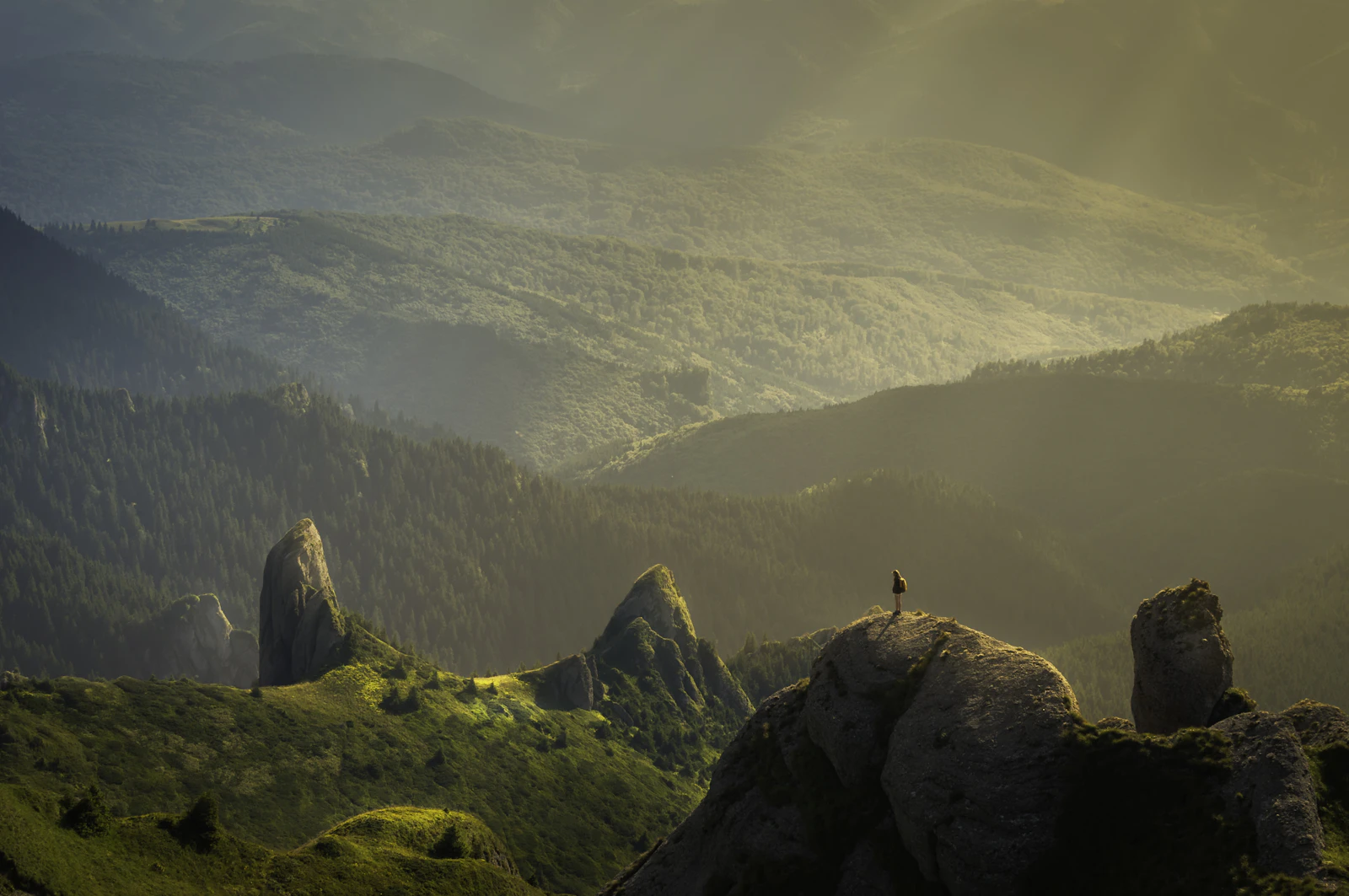
Trail Ridge Road Drive
You reach alpine tundra without hiking a single mile.
Varies (estimate)
Partner link · Viator
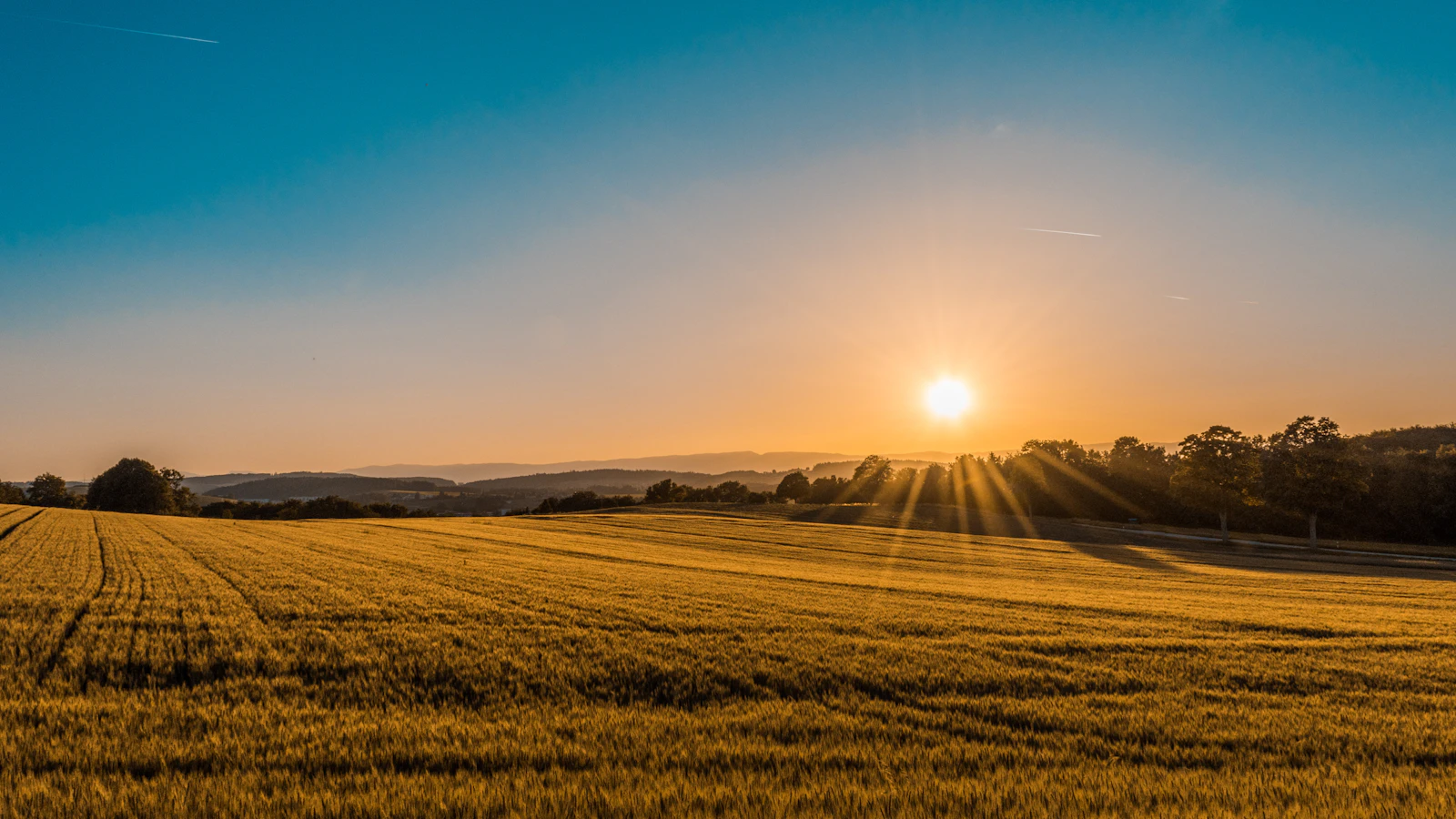
Emerald Lake Trail
The best scenery-per-step ratio in Colorado.
Varies (estimate)
Partner link · Viator
Elk Bugling Evening in Moraine Park
September evenings here sound like nowhere else in the Rockies.
Varies (estimate)
Partner link · Viator