
Reno is a rare high-desert destination where the neon lights of the city compete with the rugged beauty of the Sierra Nevada. Choosing the best time to visit Reno depends largely on whether you prefer the adrenaline of alpine skiing or the sun-drenched festivals of a Nevada summer. While the city stays active year-round, the transitions between the crisp mountain air and the dry desert heat define the local character and dictate the best outdoor adventures available.
Summer Sun and Festival Season
Summer, spanning June through August, is arguably the most vibrant period in Northern Nevada. The weather is hot and dry, with daytime temperatures often climbing into the 90s, though the lack of humidity makes it feel manageable for most travelers. This is the peak season for major events, including hot air balloon races and classic car rallies that draw thousands to the downtown corridor.
Outdoors, the snow in the higher elevations finally melts away, opening up high-country hiking trails and mountain biking paths that were inaccessible just weeks prior. Because this is the busiest time for tourism, you should expect higher rates for lodging and more crowded trails, particularly on weekends. If you plan to head toward the Truckee River for rafting or tubing, this is the prime window to catch the refreshing snowmelt runoff. Evening temperatures drop significantly once the sun sets over the peaks, providing a cool, comfortable atmosphere for outdoor dining or walking along the Riverwalk District.
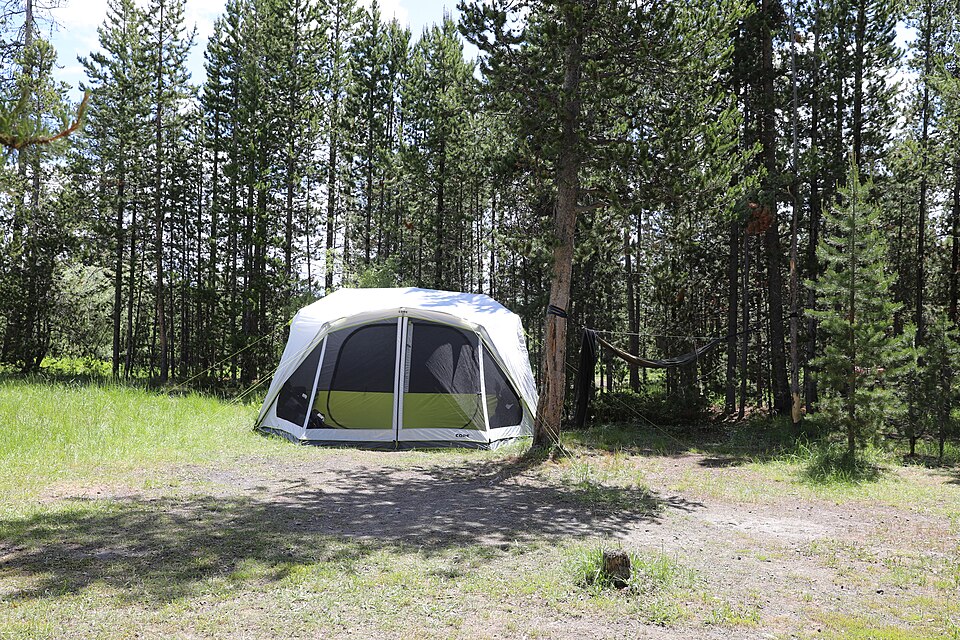
Winter Snow and Alpine Sports
From December through March, Reno transforms into a gateway for world-class winter sports. While the city itself typically sees light snow that melts quickly, the surrounding Sierra Nevada mountains receive heavy snowfall, fueling nearby ski resorts. This is the best time for those looking to balance casino entertainment with downhill skiing, snowboarding, or snowshoeing.
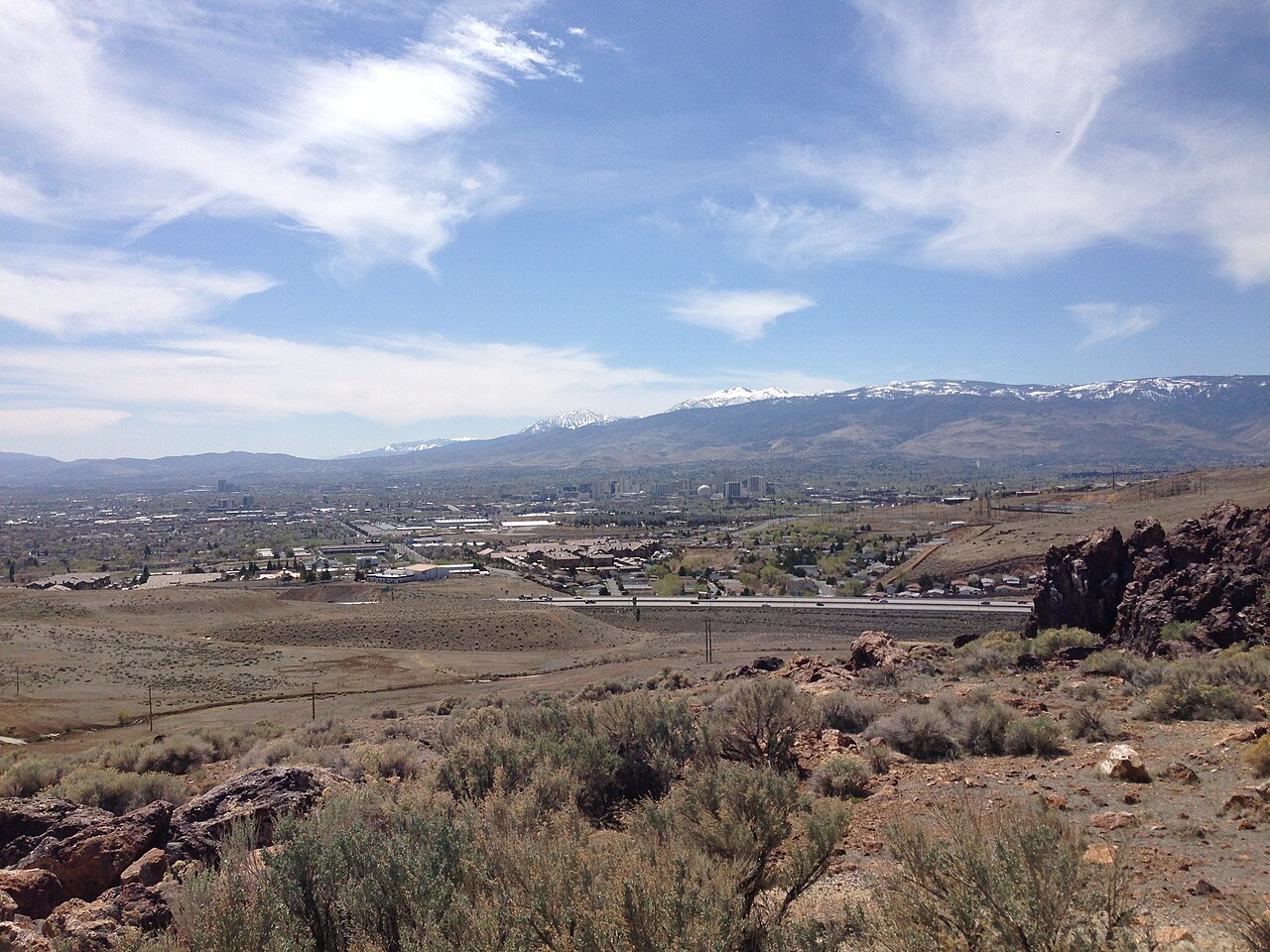
Winter visitors should be prepared for variable road conditions; the passes between Reno and Lake Tahoe often require chains or four-wheel drive during storms. Crowds peak during the Christmas to New Yearâs window and again during late February, so mid-week visits in January are ideal for those seeking quieter slopes. The dry desert air means you will need to pack plenty of layers and moisturizer, as the combination of high altitude and low humidity can be intense. Even if you aren't a skier, the winter scenery offers a stark, beautiful contrast between the white-capped mountains and the deep blue Nevada sky.
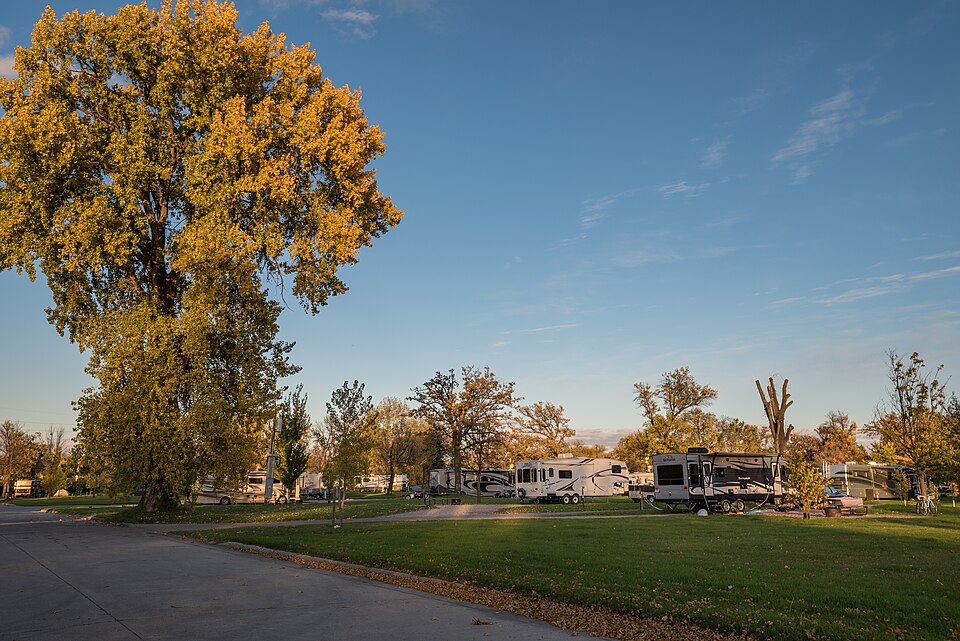
Autumn Colors and Crisp Air
September and October represent a sweet spot for travelers who want to avoid the summer heat and the winter crowds. The weather remains mild, with sunny days in the 70s and crisp, cool nights that hint at the coming frost. This is a spectacular time for photographers, as the aspens and cottonwoods along the Truckee River and in the nearby canyons turn brilliant shades of gold and orange.
Hiking is arguably at its best in the fall, as the trails are dry and the air is clear of the smoke that can occasionally drift in from regional summer wildfires. You will find that local parks are less crowded, and getting a reservation at popular restaurants becomes much easier. The harvest season also brings local farmers' markets and food festivals, celebrating the agricultural roots of the surrounding valleys. It is a peaceful time that allows for a deeper connection with the natural landscape before the first heavy snows arrive in late November.
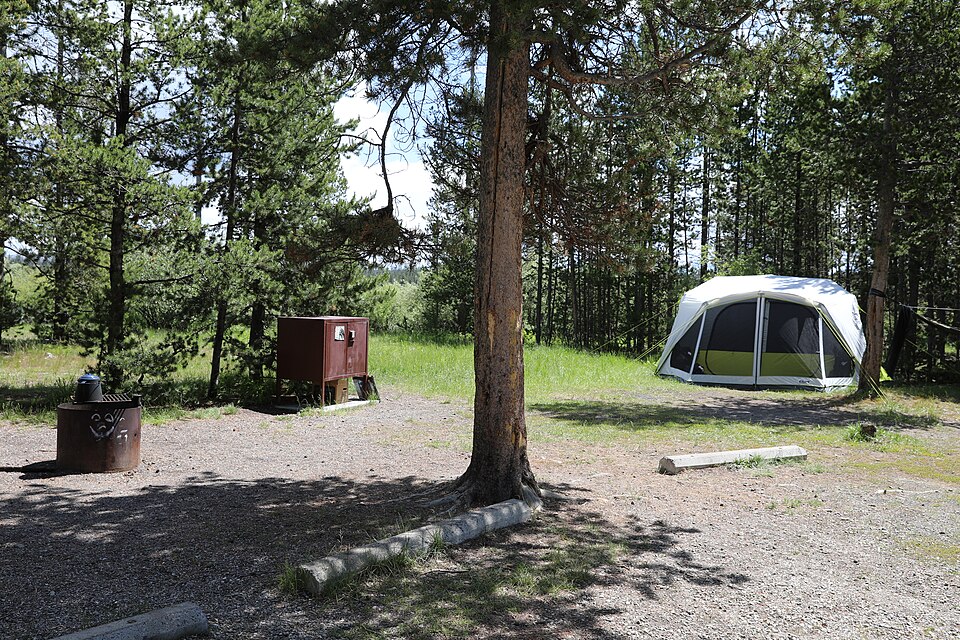
Lock in a stay for this season
Harvest Hosts stays on the way to Reno
Partner link · Harvest Hosts
Spring Awakening and High Water
Spring in Reno, from April to May, is a season of dramatic change. One day might feel like mid-summer, while the next brings a sudden Sierra squall. This is the time of year when the desert flowers begin to bloom and the river reaches its peak flow due to melting snow. For those interested in whitewater sports, the Truckee River Park in the heart of the city becomes a hub of activity as kayakers take advantage of the high water levels.
While the high-altitude trails may still be covered in slush or deep snow, the lower-elevation desert hikes are at their most green. You will notice a significant decrease in lodging costs during these months, as the ski season winds down and the summer crowds have yet to arrive. It is a fantastic time for bird watching at nearby marshes and lakes, where migratory species stop on their way north. Just be sure to pack a waterproof jacket, as spring showers are frequent and unpredictable.
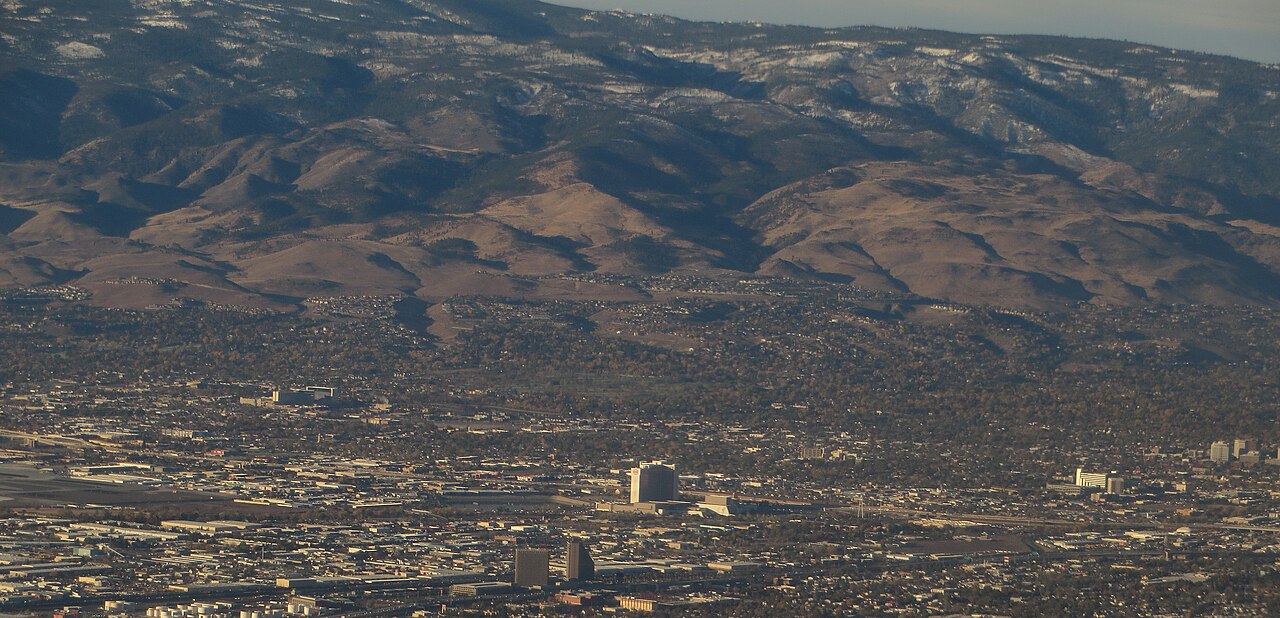
Planning Your Trip and Reservations
Regardless of when you choose to visit, planning ahead is essential for a smooth Nevada experience. For summer festivals or winter ski weekends, booking your accommodations at least three to four months in advance is highly recommended to secure reasonable rates and availability. If you are planning to visit nearby National Forest lands or State Parks, check the official park websites for current trail conditions and any required day-use permits.
Transportation is another key consideration; while the city is navigable, reaching the best outdoor spots requires a vehicle. If you are visiting in the winter, ensure your rental car is equipped for mountain travel. Renoâs proximity to the mountains means weather can change in an instant, so staying updated via local forecasts and the NPS site for regional alerts is a smart move. Budgeting for your trip should include rough estimates for dining, equipment rentals, and parking fees at popular trailheads, which are increasingly common in the region to support conservation efforts.
More ways to book Reno
 Illustrative · Famartin
National Automobile Museum
One of the classic ways to experience Reno.
Varies (estimate)
Partner link · Viator