
Rangeley Lakes is a four-season destination, but the timing of your trip drastically changes the landscape. Nestled in the Western Maine Mountains, this region experiences true northern winters and vibrant, fleeting summers. Whether you are coming to see the purple lupines blanketing the fields in early summer or the fiery maples reflecting off the water in autumn, understanding the local weather and tourist cycles is essential. Preparation is key, as conditions in the High Peaks can shift rapidly, making some months better for water sports and others for scenic drives.
Summer: Lakes and Lupines
June through August is widely considered the best time to visit Rangeley Lakes for traditional outdoor recreation. During late June, the region becomes famous for its lupine festivals, where fields are covered in pink and purple wildflowers. The weather is generally mild, with daytime temperatures hovering in the 70s, though evenings can remain quite cool. This is the peak season for boating, kayaking, and swimming in Rangeley Lake or Mooselookmeguntic Lake.
Because this is the busiest time of year, boat rentals and lakeside lodging fill up months in advance. You should check the official Maine state park site for campsite availability if you plan on staying at Rangeley Lake State Park. While the water remains crisp, the long daylight hours provide ample time for summiting nearby peaks like Saddleback Mountain. Bug season, particularly black flies, usually tapers off by late June, making July and August the most comfortable months for deep-wood hiking.
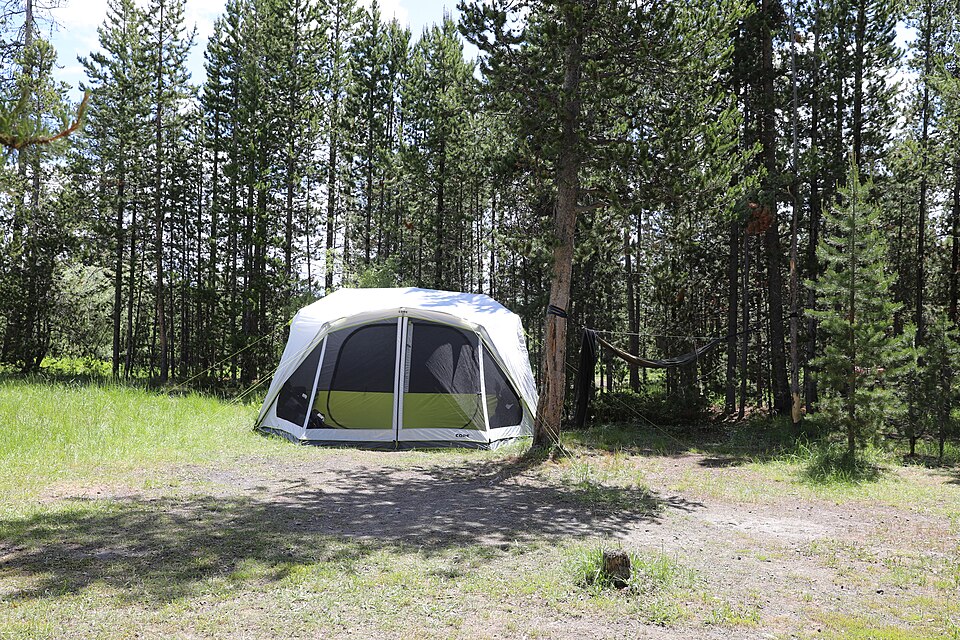
Lock in a stay for this season
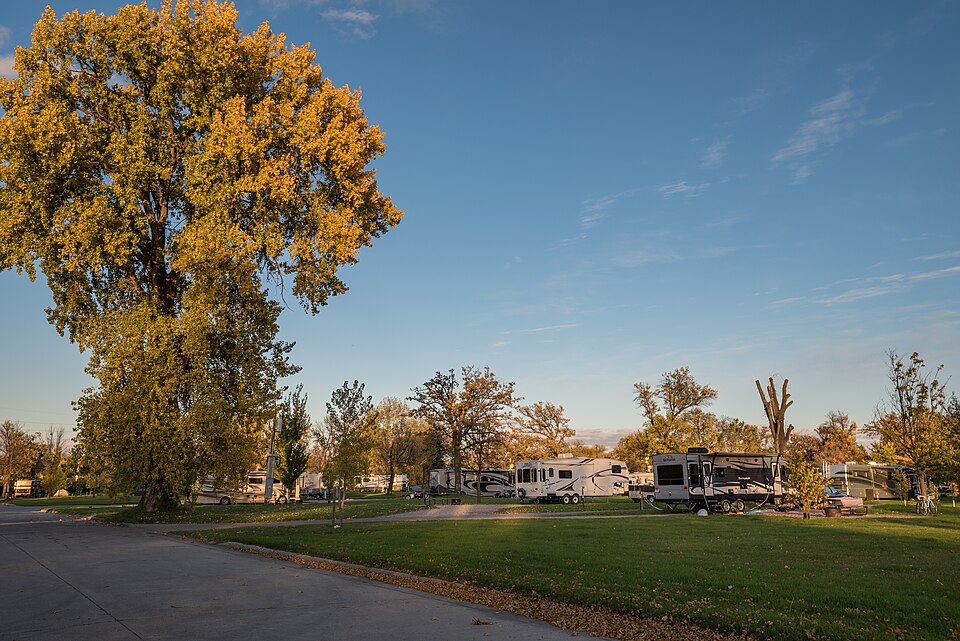
RV parks near Rangeley Lakes on RoverPass
Partner link · RoverPass
Fall: A Foliage Masterpiece
September and October represent a spectacular window for photographers and leaf-peepers. The High Peaks of Maine are among the first areas in the state to show color, often peaking in late September or the first week of October. The air turns crisp and dry, providing excellent visibility from scenic overlooks like Height of Land. During this time, the summer crowds begin to thin, offering a more serene experience on the trails.
While the days are perfect for hiking, temperatures can drop below freezing at night, so packing layers is vital. Many seasonal businesses in Rangeley and Oquossoc begin to wind down their operations by mid-October, so it is wise to verify dining and supply options before arriving. The contrast of the dark blue water against the brilliant orange and red hillsides makes this the most visually stunning season for a visit. Hunting season also begins in the fall, so hikers should be mindful of local regulations and wear blaze orange when venturing into multi-use forest lands.
Winter: The Snowmobile Capital
From December through March, Rangeley transforms into a winter wonderland, often receiving significantly more snow than the Maine coast. This region is a major hub for snowmobiling, with a vast network of groomed trails connecting the mountains to the lakes. The lakes freeze thick enough to support ice fishing shanties, creating temporary villages on the ice. Downhill skiers and snowboarders frequent Saddleback Mountain, which offers some of the highest elevation terrain in the state.
Winter travel requires a vehicle equipped for deep snow and ice, as mountain passes can be treacherous during storms. While the town stays active, the vibe is cozy and centered around fireplaces and hearty meals. If you enjoy snowshoeing or cross-country skiing, the Rangeley Lakes Heritage Trust maintains trails that offer quiet, snowy vistas. Be sure to monitor local weather reports, as temperatures can frequently dip well below zero during January and February, requiring specialized gear for any outdoor excursions.
Lock in a stay for this season
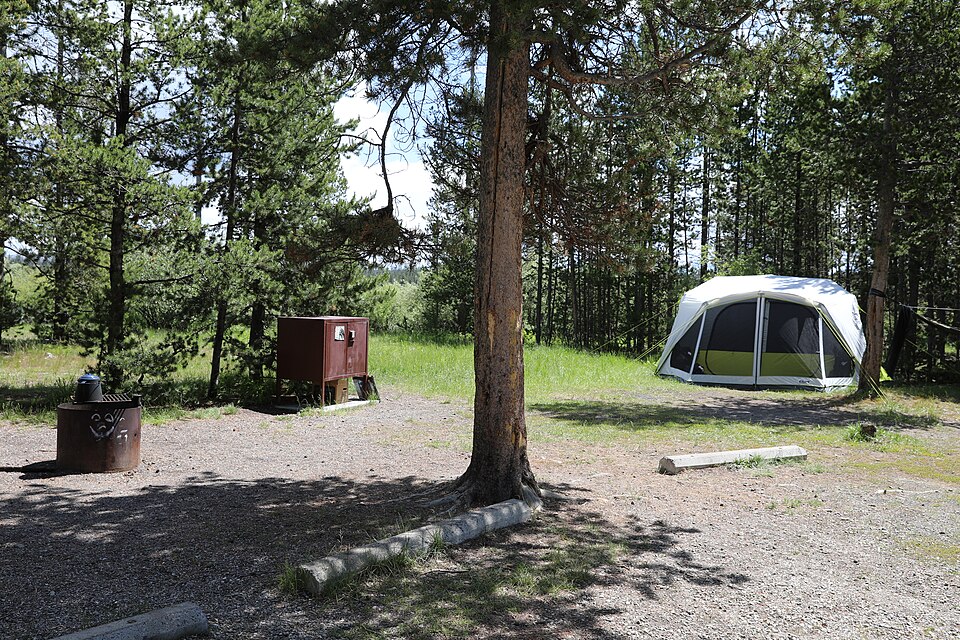
Harvest Hosts stays on the way to Rangeley Lakes
Partner link · Harvest Hosts
Spring: The Quiet Mud Season
Spring in the Western Maine Mountains is often referred to locally as 'mud season.' From April through May, the snow melts and the ground becomes saturated, leading to many hiking trails being closed to prevent erosion. However, this is a prime time for fly fishing, as the ice clears from the streams and the brook trout and landlocked salmon become active. The rivers are at their highest flow, making local waterfalls particularly impressive.
Wildlife viewing is also excellent in the spring; moose are often seen near the roadsides as they emerge to find salt and new growth. Visitors should be prepared for variable weather, ranging from late-season snowstorms to warm, rainy days. Because this is the low season, you will find the most peace and quiet, but you must also contend with the emergence of black flies in late May. Always check the official NPS or Maine forest service updates regarding trail conditions before attempting any high-elevation hikes during this transitional period.

Reservations and Crowds
Despite its remote location, Rangeley Lakes is a popular escape for New Englanders. For a summer visit, especially around the Fourth of July or during the Lupine Festival, you should aim to book your accommodations at least four to six months in advance. State park campsites are particularly competitive. If you prefer a quieter experience, consider visiting during the 'shoulder' weeks in early September, after Labor Day but before the peak foliage rush.
Mid-week visits generally offer more solitude on the trails and better availability at local eateries in Rangeley and Oquossoc. During the winter, weekends are busy with the snowmobiling crowd, so booking a lodge with trailer parking is essential. Regardless of when you choose to go, always have a backup plan for lodging and activities, as the mountainous terrain and limited infrastructure mean that popular spots can fill quickly. Checking local event calendars can also help you avoidâor joinâlarge regional festivals that impact traffic and availability.
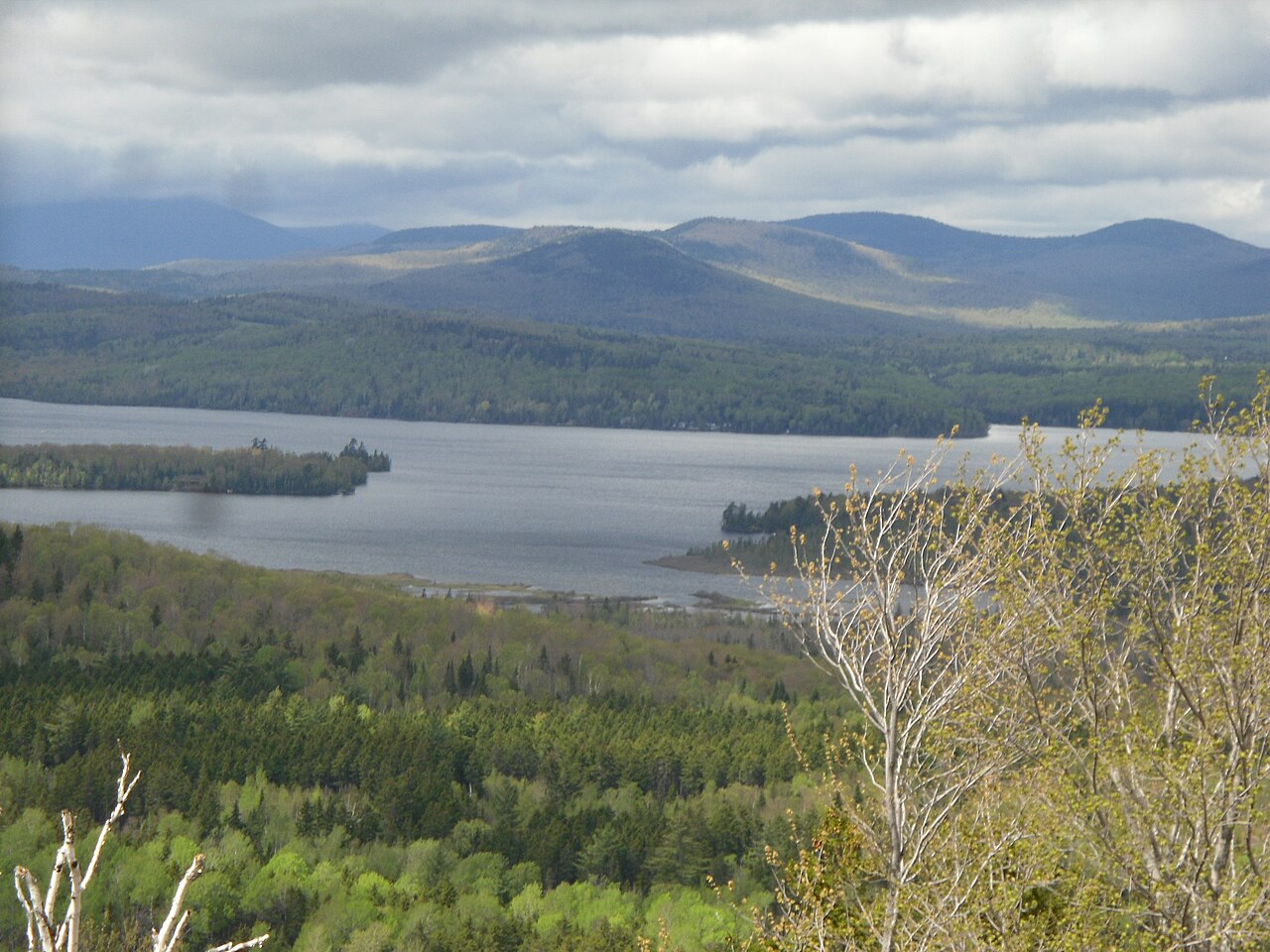
More ways to book Rangeley Lakes
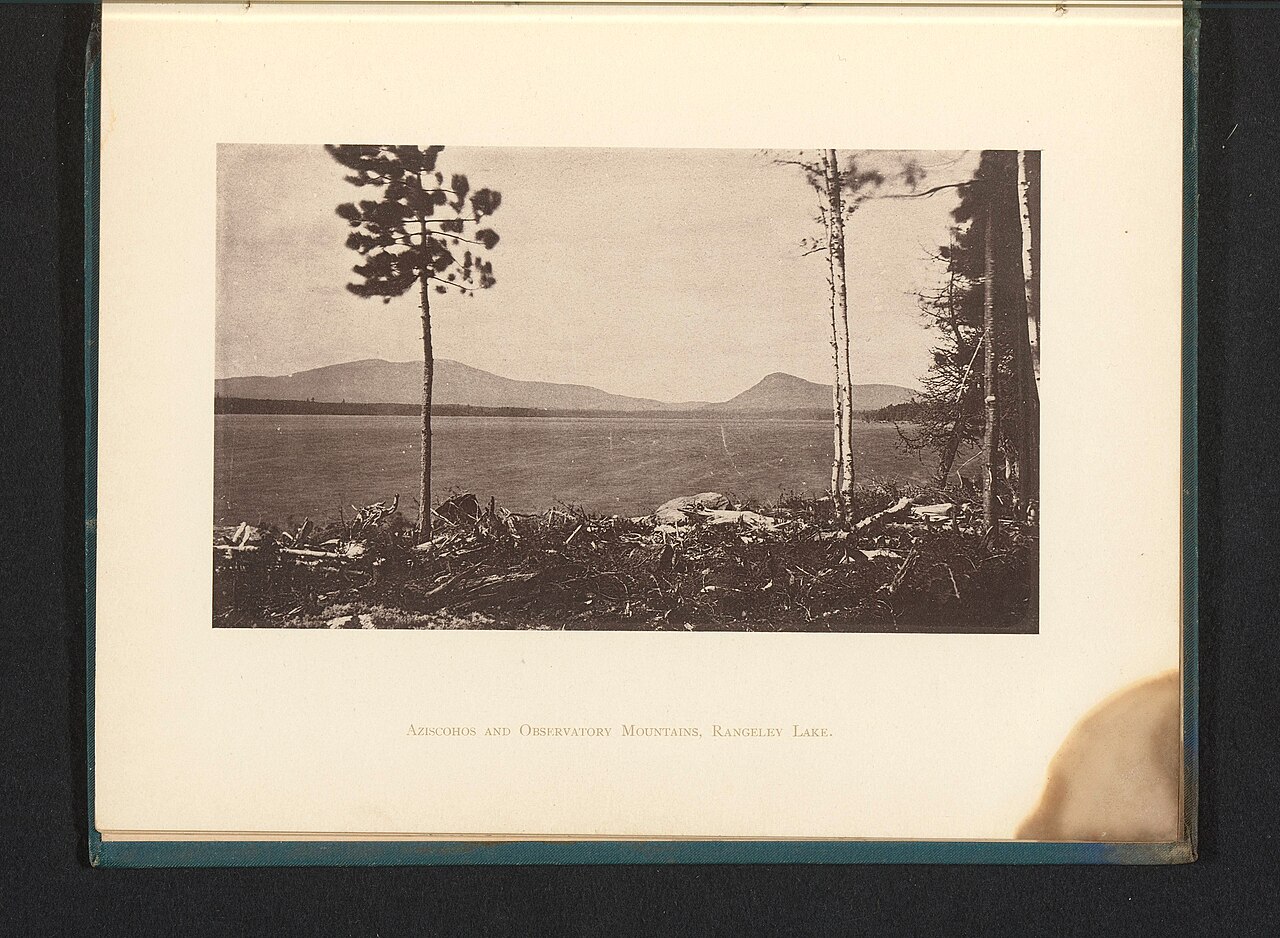 Illustrative · Rijksmuseum
Rangeley Lake State Park
One of the classic ways to experience Rangeley Lakes.
Varies (estimate)
Partner link · Viator