
Priest Lake is a year-round destination, but the character of the experience shifts dramatically with the changing seasons in Northern Idaho. While the summer months offer the most classic lake experience with warm temperatures and endless daylight, the shoulder seasons provide a sense of solitude that is hard to find elsewhere. Choosing the right time depends on whether you prefer bustling beaches or quiet, snow-dusted trails through the Selkirk Mountains.
Summer Highs and Golden Days
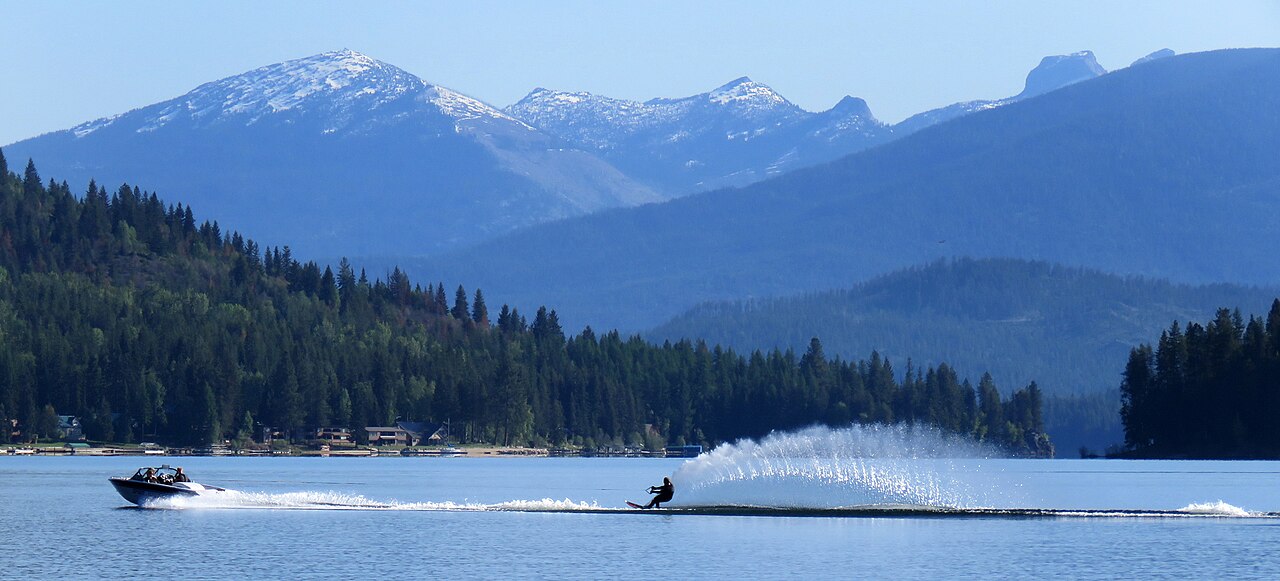
Summer is widely considered the best time to visit Priest Lake for those seeking the quintessential Idaho lake vacation. From late June through August, the water temperatures reach their peak, making it the prime window for swimming, water skiing, and paddleboarding. During this period, the long Northern Idaho days stretch until late evening, allowing for extended sunset cruises and campfires that last well into the night.
The weather is generally stable and dry, though occasional mountain thunderstorms can roll through in the late afternoon. Because this is the most popular season, you should expect the main boat launches and popular sandy beaches like those near Luby Bay to be busy. If you enjoy a vibrant atmosphere where the sound of motorboats mixes with the laughter of families on the shore, summer is your ideal window. Be prepared for warm afternoons in the 80s, followed by crisp, refreshing mountain evenings that remind you of the high elevation.
The Quiet Charm of Autumn
As September arrives, the crowds begin to thin, and a peaceful hush falls over the Selkirk Mountains. Fall is a hidden gem for visitors who prefer hiking and photography over water sports. The larch and aspen trees begin their transformation, dusting the emerald-green hillsides with splashes of brilliant gold and orange. The air becomes crisp and energized, perfect for tackling the steeper trails like the hike up to Mount Roothaan without the summer heat.
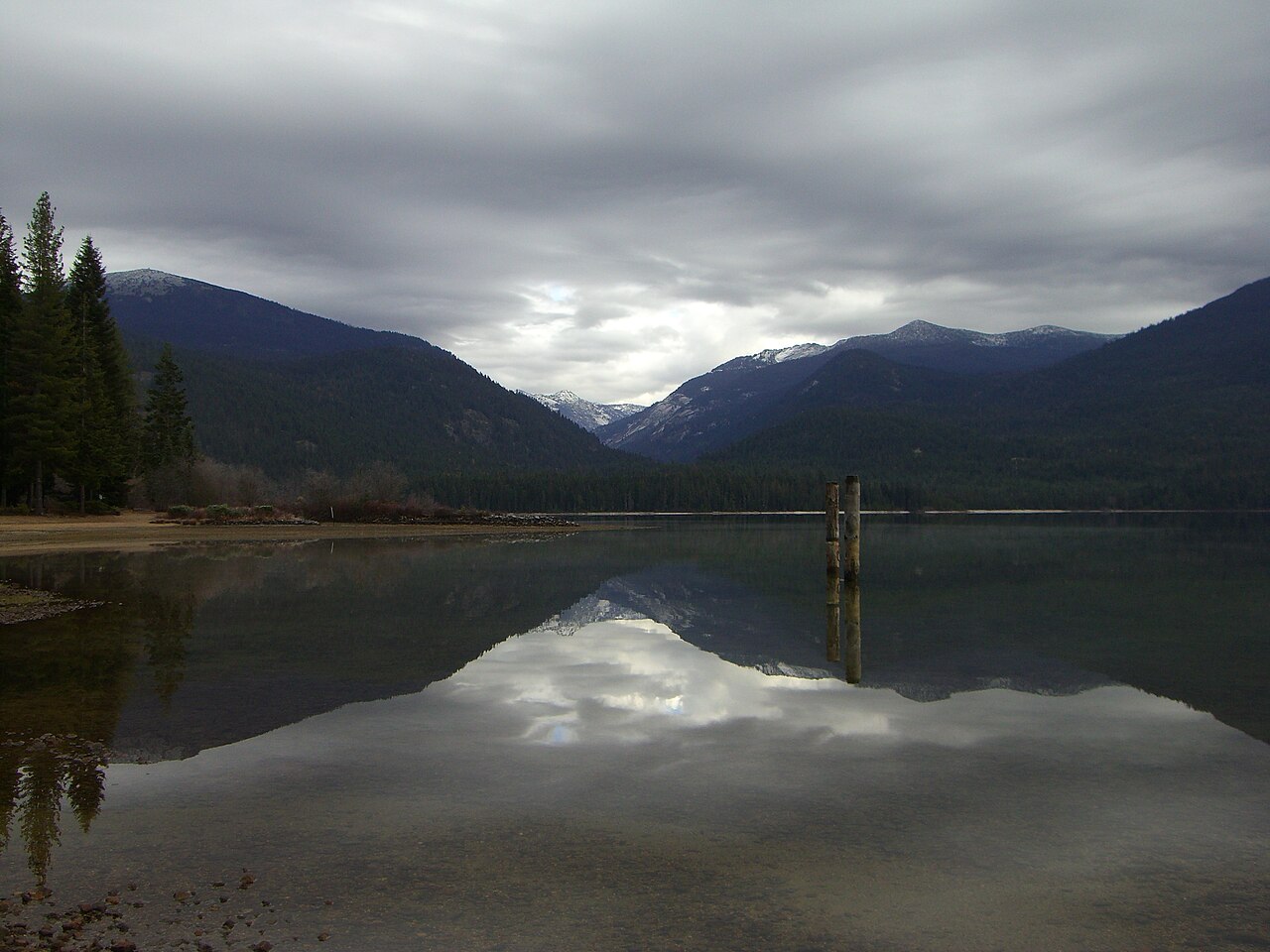
While the water begins to cool down, the lake remains glass-calm, offering incredible reflections for morning kayakers. You will find that many of the local services remain open through September, though some seasonal amenities begin to wind down toward the end of the month. This is an excellent time for wildlife viewing, as moose and deer are frequently spotted near the shoreline during the quieter morning hours. Morning frosts become common by October, so packing heavy layers is essential for a comfortable stay.
Winter Solitude and Snow Sports
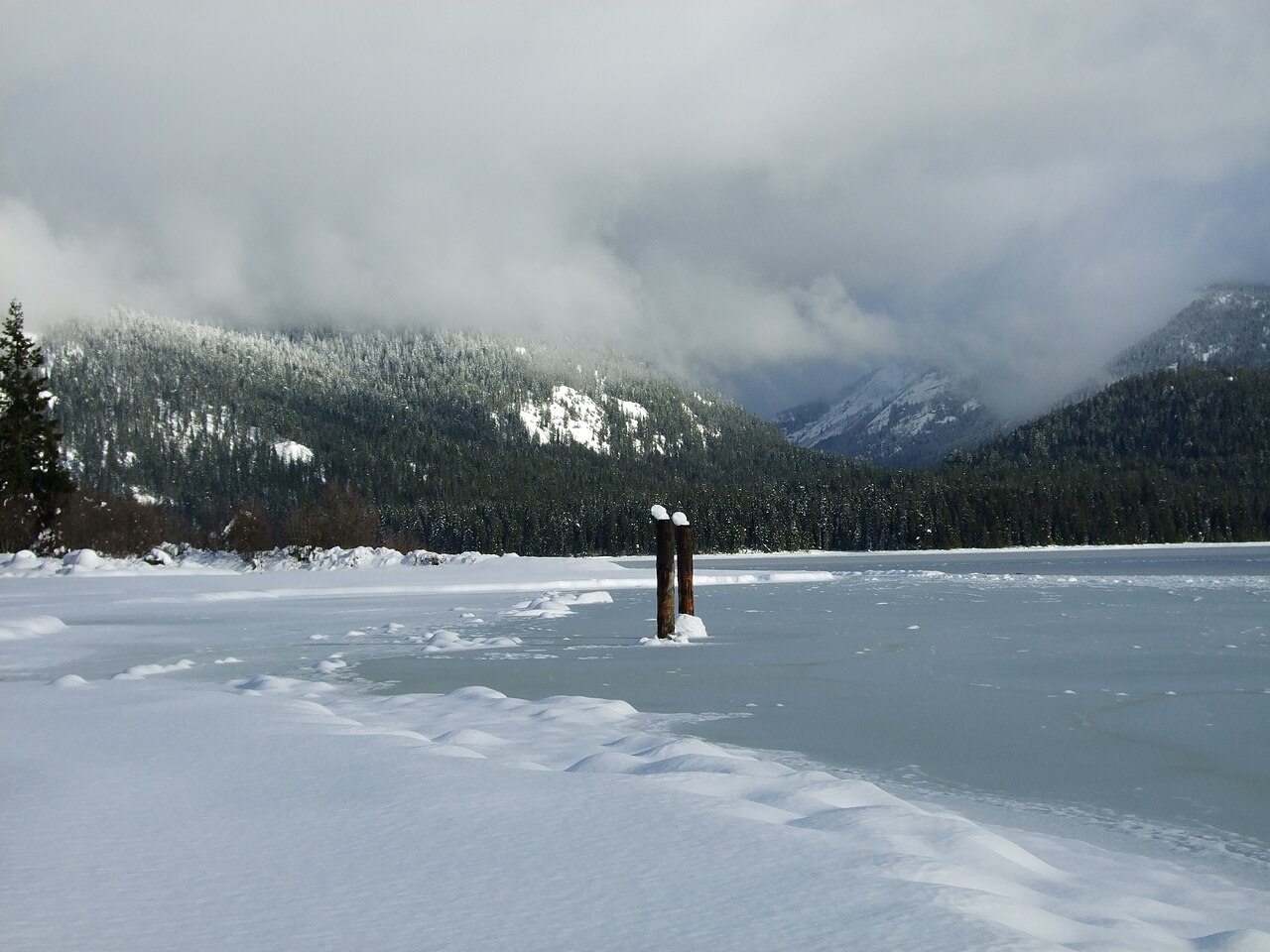
Winter transforms Priest Lake into a snowy wonderland, attracting a different breed of outdoor enthusiast. The region receives significant snowfall, often burying the cedar forests in several feet of white powder. For those who enjoy snowmobiling, the area offers hundreds of miles of groomed trails that wind through the mountains, offering panoramic views of the frozen lake below. Cross-country skiing and snowshoeing are also popular activities, with many trails accessible directly from the main roads.
The atmosphere during the winter is exceptionally quiet, with only a few lodges remaining open to host those seeking a cozy retreat by a fireplace. It is a time for slow mornings watching the steam rise off the water and early evenings tucked away with a good book. If you plan to visit during this time, ensure your vehicle is equipped for deep snow and icy mountain passes. While the drive from Spokane is generally well-maintained, winter weather can change rapidly, making the journey part of the adventure.
Lock in a stay for this season
Harvest Hosts stays on the way to Priest Lake
Partner link · Harvest Hosts
Spring Awakening and Runoff
Spring at Priest Lake is a season of transition, typically running from April through May. This is when the mountain snowpack begins to melt, feeding the creeks and filling the lake to its maximum level. The forests become incredibly lush and vibrant as the ferns and mosses thrive in the damp conditions. While the hiking trails at higher elevations may remain blocked by snow until late June, the lower-elevation paths along the lakeshore offer beautiful walks through the budding cedar groves.
This is a fantastic time for birdwatching and seeing the waterfalls at their most powerful. However, visitors should be prepared for "mud season," where unpaved roads and trails can be quite soft. The weather is notoriously unpredictable during the spring, ranging from bright sunshine to chilly rain showers within the same hour. For those who don't mind the damp, it is the most affordable and quiet time to visit, as the summer rush has not yet arrived.
Navigating Crowds and Reservations
Because Priest Lake is a beloved destination for Pacific Northwest locals, timing your reservations is critical. For summer visits, especially around the Fourth of July or Labor Day, campsites and lodge rooms often book out many months in advance. If you are looking for a weekend stay in July, it is wise to start your planning in early winter. During the peak season, the popular day-use areas can reach capacity by midday, so early arrivals are recommended for those wanting to snag a prime spot on the sand.
If your schedule allows, visiting mid-week during the summer can offer a significantly more relaxed experience than the busy weekends. For those seeking total solitude, the Upper Priest Lake area, accessible only by boat or trail, remains relatively quiet even during the height of summer. Always check the official Idaho State Parks or Forest Service websites for the most up-to-date information on site availability, seasonal closures, and any required permits for parking or boating to ensure a smooth trip.
More ways to book Priest Lake
 Illustrative · Peckycox
Lakeside Camping
One of the classic ways to experience Priest Lake.
Varies (estimate)
Partner link · Viator