

For those who want to immerse themselves in the mossy forests and dramatic landscapes of the Pacific Northwest without sacrificing the comforts of home, glamping is the perfect solution. The area surrounding Portland offers a diverse range of high-end outdoor accommodations, from refurbished vintage trailers to expansive canvas wall tents. These sites allow you to wake up to the sound of the wind through the Douglas firs while enjoying a plush mattress and a warm cup of locally roasted coffee.
What to Expect from the Glamping Experience
Glamping in the Portland area is designed to bridge the gap between a traditional hotel stay and a rugged camping trip. Unlike standard camping, where you bring your own tent and sleeping bag, glamping sites come fully equipped. You will typically find real beds with high-quality linens, heating elements (essential for those chilly Oregon nights), and often some form of electricity. Some locations even offer private decks, fire pits with pre-chopped wood, and gourmet breakfast baskets delivered to your door.
While you are closer to nature, you are also paying for the convenience and the curated aesthetic. Many sites are located on working farms, vineyards, or private forest land, providing a level of privacy you won't find at a crowded public campground. It is a way to experience the 'wild' side of Oregon—watching the mist rise over the hills or listening to owls at night—without the logistical headache of packing gear or sleeping on the hard ground. However, you should still expect to walk a short distance to shared or private bathroom facilities in most cases.
Top Glamping Destinations: The Columbia River Gorge
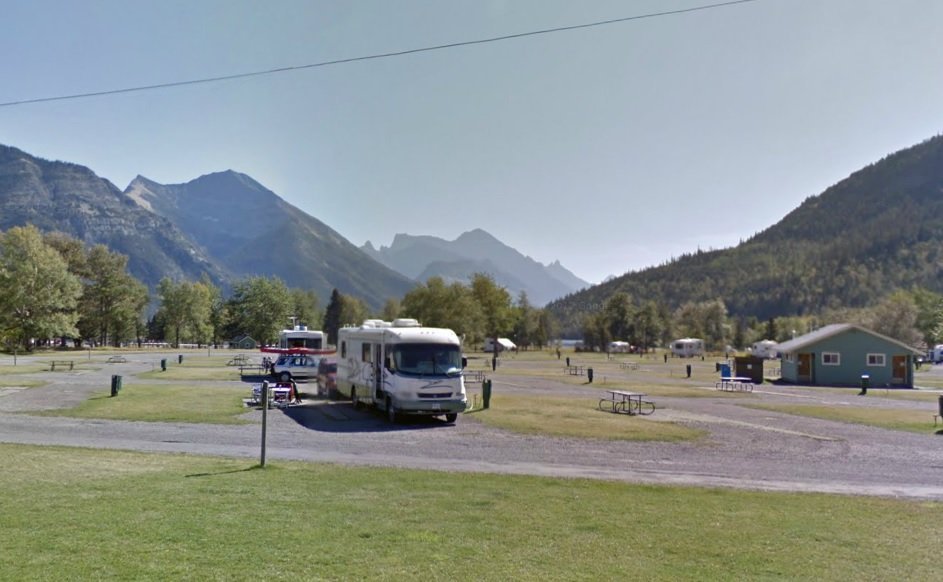
One of the most popular areas for glamping near Portland is the Columbia River Gorge. Located just 30 to 45 minutes east of the city, this region offers dramatic cliffside views and proximity to dozens of waterfalls. Glamping sites here often take the form of luxury wall tents or 'tiny houses' perched on the ridges overlooking the river. This location is ideal for travelers who want to spend their days hiking steep trails like Dog Mountain or Angel’s Rest and their evenings watching the sunset over the water.
In the Gorge, the weather can be significantly windier than in the city, so look for glamping options that mention windproofing or sturdy structures. Being based in the Gorge also puts you close to the town of Stevenson or Hood River, where you can stock up on supplies or enjoy a meal at a local bistro. The proximity to the water means you can easily transition from a morning of kiteboarding or kayaking to an afternoon of relaxing in a hammock outside your luxury tent. Always check if a site provides potable water and kitchenettes if you plan on cooking.
Vineyard and Valley Retreats: Willamette Valley
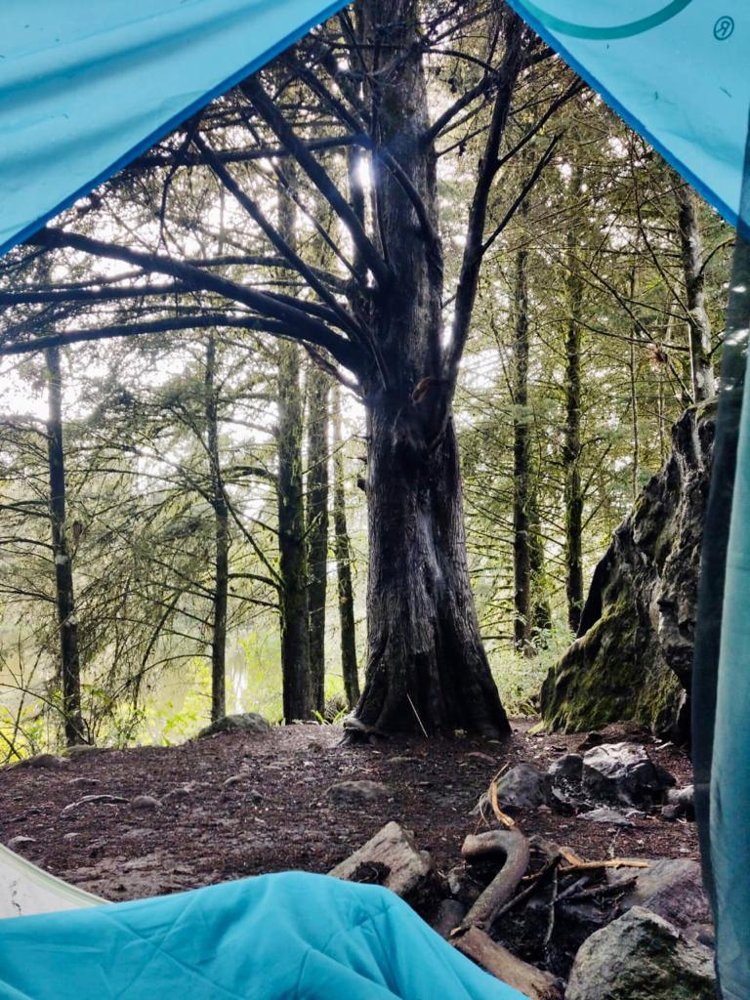
To the south and west of Portland lies the Willamette Valley, Oregon’s premier wine-growing region. Glamping here often involves staying in beautifully appointed Airstreams or yurts situated right on the edge of a vineyard. It is a sophisticated way to experience the outdoors, focusing on the rolling hills and agricultural beauty of the valley. Many hosts offer wine tastings or farm-to-table dinners as part of the stay, making it a popular choice for couples or food enthusiasts.
During the summer and fall harvest, the valley is exceptionally beautiful, with golden light and vibrant greenery. Glamping in this region allows you to skip the long drive back to a city hotel after a day of touring tasting rooms. Many sites are located near small towns like McMinnville or Newberg, providing easy access to some of the best dining in the state. Because this area is slightly more sheltered than the Gorge, the nights are often a bit warmer, though a sweater is still necessary once the sun sets. Reservations for vineyard glamping should be made well in advance, especially during the peak summer wedding season.
Glamping vs. Traditional Camping and RVs
Choosing between glamping, traditional camping, and RVing depends on your travel style and budget. Traditional camping in sites like those found in Mt. Hood National Forest is the most affordable and immersive option, but it requires significant gear and preparation. RVing offers more mobility and amenities but can be challenging to navigate through Portland’s narrow streets or up winding mountain roads. Glamping sits in the middle, offering the best of both worlds: a deep connection to the environment with none of the physical strain.
Glamping is also a great entry point for those who are new to the Pacific Northwest outdoors. You don't have to worry about whether your tent is waterproof enough for an Oregon downpour or how to start a fire in damp conditions. Most glamping hosts have already accounted for the local climate. However, if you are looking for total solitude, traditional dispersed camping in the national forest may be better, as glamping 'resorts' often have several units in close proximity. Consider what level of 'roughing it' you are truly comfortable with before booking.
Seasonal Considerations and Booking Tips
The best time for glamping near Portland is from late May through September when the weather is most reliable. During these months, you can fully enjoy the outdoor amenities like outdoor showers or open-air kitchens. Some glamping sites do stay open in the winter, offering heavily insulated yurts or cabins with wood-burning stoves, but many of the canvas tent operations close down once the heavy rains arrive in November. Always check the specific seasonal availability on the host's website.
Because glamping has become incredibly popular in Oregon, sites book up months in advance, particularly for weekend stays. If you are looking for a more affordable rate, try booking a midweek stay in the shoulder seasons of May or October. Be sure to read the fine print regarding heating and cooling; while Oregon is generally mild, a canvas tent can get quite warm in a July heatwave or quite chilly in an October frost. Finally, always verify the pet policy if you plan on bringing a dog, as many glamping sites are located on sensitive farmland or near wildlife habitats where pets may be restricted.