
Choosing the best time to visit Pine Barrens depends largely on whether you prefer vibrant spring wildflowers, warm river paddling, or the crisp air of a coastal autumn. This million-acre biosphere reserve offers a distinct experience in every season, though the shoulder months generally provide the most comfortable conditions for hiking the sandy trails. Planning ahead is essential, as the region serves as a major outdoor escape for the surrounding metropolitan areas of Philadelphia and New York.
Spring Blooms and Migrations
Spring is widely considered the best time to visit Pine Barrens for nature enthusiasts. From late April through June, the forest floor comes alive with rare flora, including the pink lady's slipper orchid and the delicate pine barrens gentian. As the pitch pines begin their new growth, the air is filled with the scent of pine resin and damp earth. This is an ideal period for birdwatching, as migratory songbirds return to the cedar swamps and oak forests.
Temperatures during this window are typically mild, making long-distance hiking on the Batona Trail far more enjoyable than in the heat of mid-summer. However, spring also brings the emergence of local insects. Visitors should be prepared for ticks and biting flies, which are common in the thickets. Light-colored clothing and long sleeves are recommended during these months. Because this is a popular time for school groups and weekend hikers, checking the official NPS or state park sites for trail closures is always a wise move.
Summer Sun and River Paddling
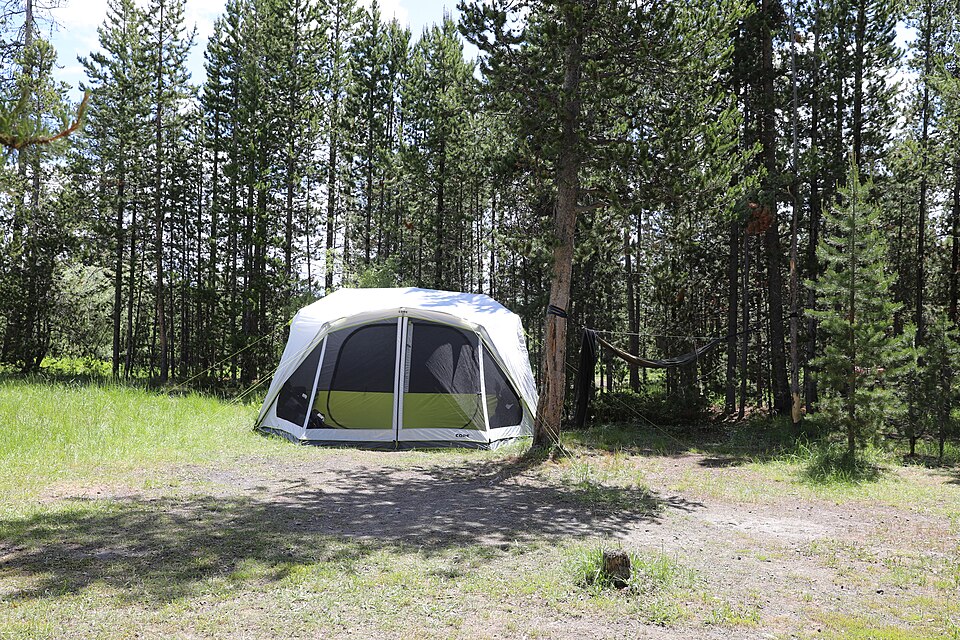
Summer in the Pine Barrens is characterized by humidity and warmth, with temperatures often climbing into the high 80s or 90s. While the sandy soil can become quite hot, the region's winding rivers offer a cool sanctuary. The tea-colored waters of the Mullica, Wading, and Batsto Rivers remain refreshingly cool due to the cedar-stained runoff and shade provided by overhanging Atlantic white cedars. July and August are the peak months for canoeing and kayaking, drawing families and groups to the water.
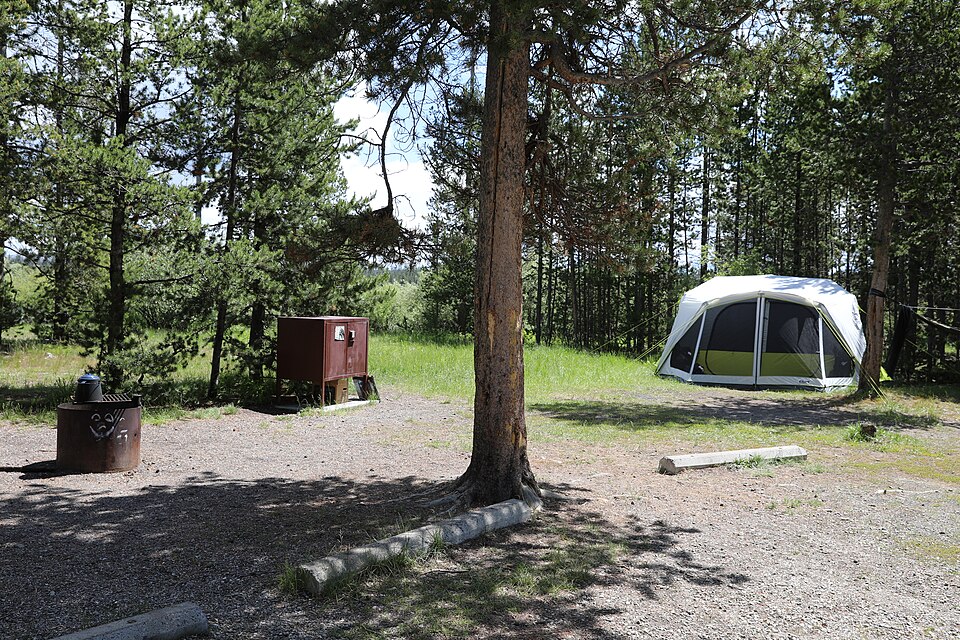
If you plan a summer trip, it is vital to secure your equipment rentals and campsite reservations well in advance. Weekend crowds are significant, especially near popular launch points like those found near Chatsworth or Hammonton. To avoid the midday heat, many visitors choose to start their hikes at sunrise, retreating to the shaded riverbanks or nearby swimming holes by noon. Afternoon thunderstorms are common in late summer, providing brief but intense relief from the humidity.
Autumn Foliage and Crisp Air
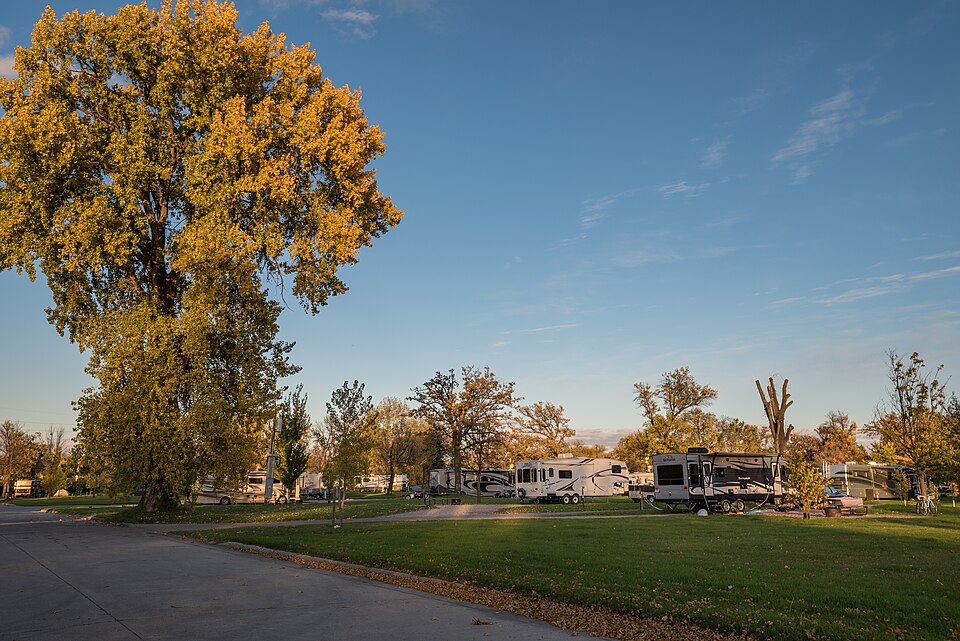
As September turns to October, the Pine Barrens undergo a subtle but beautiful transformation. While the evergreen pitch pines remain constant, the deciduous oaks and huckleberry bushes turn vibrant shades of scarlet, gold, and deep bronze. This is arguably the most comfortable season for heavy physical activity. The humidity drops, the biting insects vanish, and the sandy trails become firm and easy to navigate. The clear, dry air also makes for some of the best stargazing opportunities in the state, as the lack of light pollution in the heart of the wilderness is remarkable.
Fall is also harvest time in the surrounding agricultural areas. The Pine Barrens are famous for cranberry bogs, and late autumn visitors can often see the crimson berries being harvested in the flooded fields near Chatsworth. This season is less crowded than summer, but popular campgrounds still fill up on weekends when the foliage peaks. It is a prime time for photographers looking to capture the contrast between the dark cedar water and the brilliant fall leaves.
Lock in a stay for this season
Harvest Hosts stays on the way to Pine Barrens
Partner link · Harvest Hosts
Winter Solitude and Silence
Winter in the Pine Barrens is a season of profound quiet. While the region does experience snow, it rarely lingers as long as it does in the northern parts of the state. The forest remains green thanks to the predominant pines, but the lack of undergrowth provides long, clear sightlines through the woods, making it an excellent time for spotting white-tailed deer and red-tailed hawks. Daytime temperatures often hover in the 30s or 40s, which is suitable for brisk hiking, though nights can be freezing.
Camping during this time requires cold-weather gear and a bit of grit, as many seasonal facilities may be closed or limited. However, for those seeking true solitude, winter offers a chance to experience the wilderness without the noise of summer crowds. The ground can be muddy during thaws, so waterproof boots are a necessity. Always check the official state park websites for winter hours and to ensure that dirt access roads remain passable after heavy rain or snow.
Crowd Management and Planning
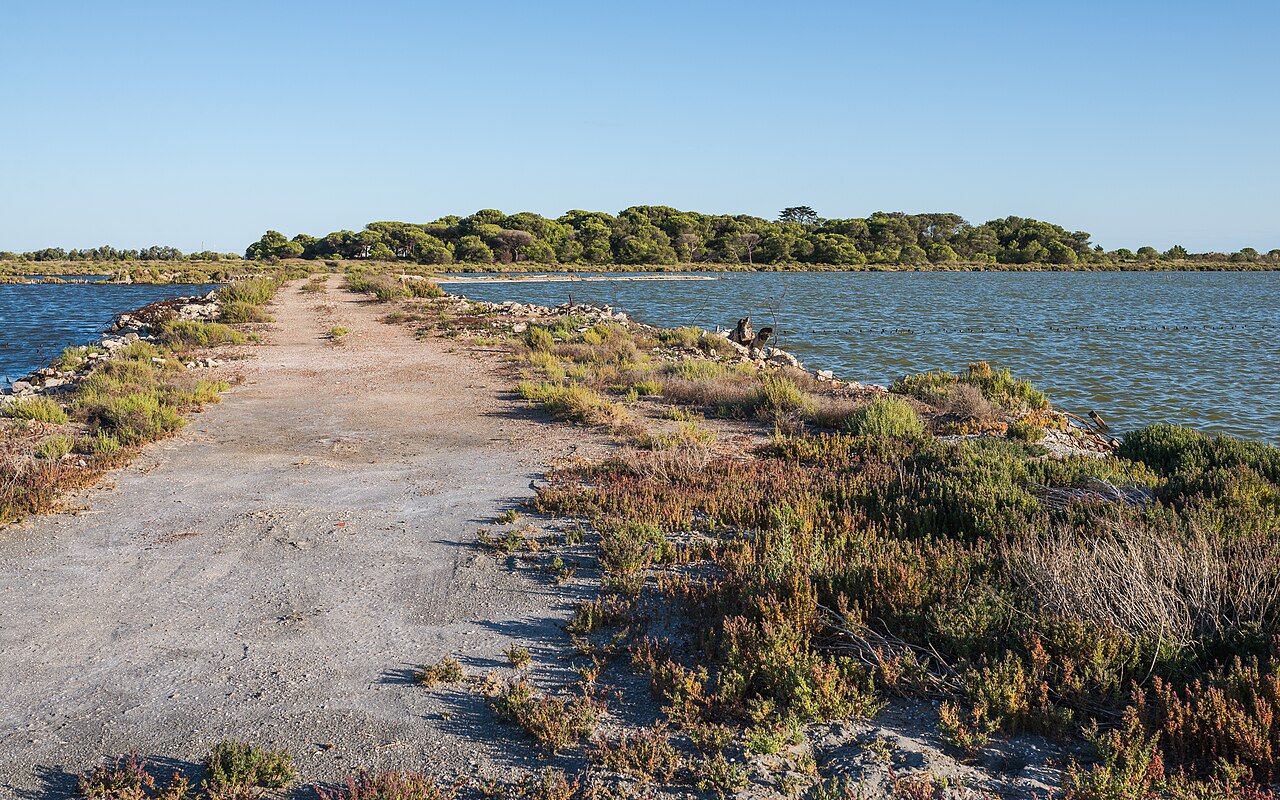
To ensure the best experience, timing your visit to avoid peak holiday weekends is highly recommended. Memorial Day, the Fourth of July, and Labor Day see the highest concentration of visitors, particularly at developed sites like Batsto Village or Wharton State Forest. If you must visit during these times, aim for a mid-week trip to enjoy the trails in peace. Regardless of the season, the Pine Barrens require permits for camping and certain water activities.
Reservations for the most popular sites often open months in advance, and they sell out quickly for the spring and fall seasons. Always keep an eye on the weather forecast, as heavy rains can lead to localized flooding on the flat, sandy roads that crisscross the region. By checking the official park websites before you depart, you can stay informed about controlled burns, trail maintenance, or water level warnings that might impact your itinerary. A little preparation ensures that your time in this unique ecosystem is both safe and memorable.
More ways to book Pine Barrens
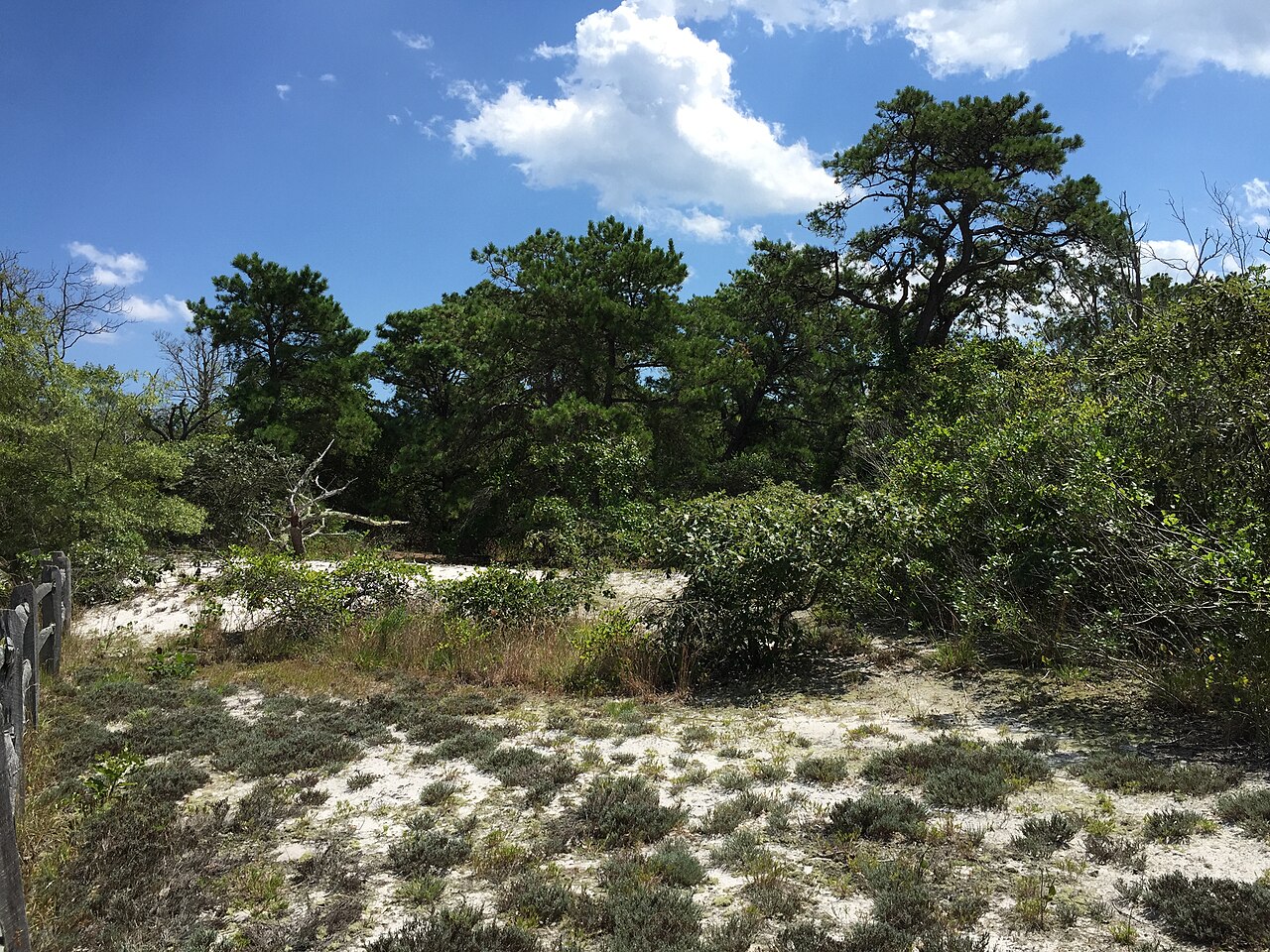 Illustrative · Famartin
Batona Trail Hiking
One of the classic ways to experience Pine Barrens.
Varies (estimate)
Partner link · Viator