
For those who love the idea of sleeping under the stars but prefer a real mattress to a sleeping pad, glamping near Pictured Rocks is the perfect solution. The Upper Peninsula of Michigan has seen a rise in unique, elevated outdoor accommodations that allow you to immerse yourself in the Northwoods without sacrificing modern comforts. From luxury safari tents to cozy yurts, glamping provides a basecamp that feels as adventurous as the park itself.
The Glamping Experience in the Northwoods
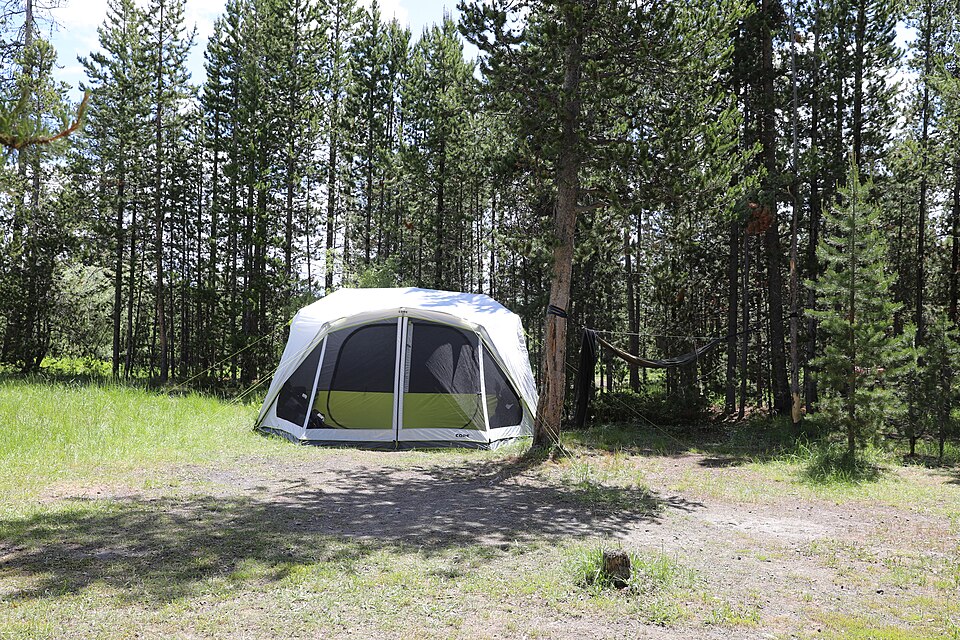
Glamping in the Pictured Rocks area typically involves staying in large, canvas wall tents or specialized cabins located on private lands just outside the park boundaries. These accommodations often feature queen or king-sized beds, high-quality linens, and sometimes even small wood-burning stoves for chilly Michigan nights. It is a far cry from traditional camping where you have to pitch your own tent and cook over a portable stove.
Many glamping sites provide shared or private fire pits, outdoor lounge chairs, and sometimes even curated breakfast baskets. The goal is to provide a seamless connection with nature. You can wake up to the sound of wind through the pines and step out onto a wooden deck to enjoy your morning coffee, all while being just a short drive from the parkâs main trailheads. This style of lodging is particularly popular for couples looking for a romantic getaway or for families who want a "camping lite" experience without the hassle of hauling a trunk full of gear.
Where to Find Glamping Near the Park
Since Pictured Rocks National Lakeshore is a federally managed area, the most luxurious glamping options are found in the gateway communities rather than inside the park itself. The area surrounding Munising is the most common hub for these accommodations. Here, you can find sites tucked into the forest that offer easy access to both the lakeshore and the town's amenities.
Another growing area for glamping is near Grand Marais on the eastern end of the park. This side of the park is generally quieter and offers a more secluded feel, perfect for those who want to truly unplug. Some sites are situated near smaller inland lakes or along the rivers that feed into Lake Superior, providing opportunities for fishing or paddling right from your doorstep. When searching for a place to stay, look for locations along the H-58 corridor, as this road acts as the main artery connecting all the major glamping hubs to the National Lakeshore's most famous landmarks.
Glamping vs. Traditional Camping and RVs
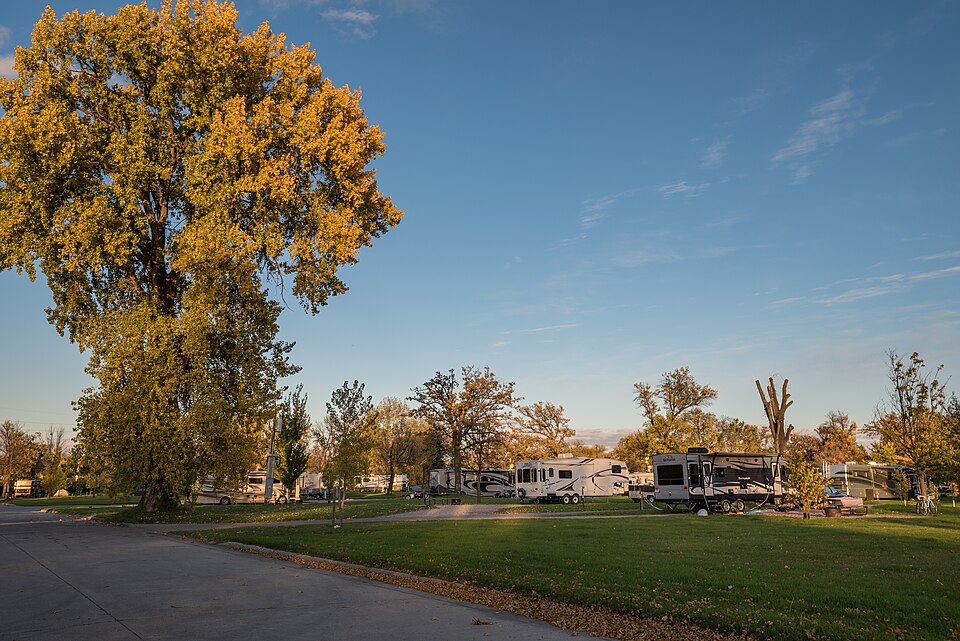
Choosing between glamping, traditional camping, or an RV depends on your desired level of comfort and involvement. Traditional camping inside Pictured Rocks at spots like Twelvemile Beach or Hurricane River offers an unbeatable proximity to the water, but these sites are rustic with no hookups and require competitive reservations. RVing is a popular choice for those who want their own mobile home, with several private RV parks in Munising providing full water and electric connections that the National Park campgrounds lack.
Glamping sits in the middle; it offers more comfort than a tent and more style than a standard RV park. You don't need to own an expensive vehicle or master the art of tent stakes. It is an ideal middle ground for travelers who are flying into the region and don't want to check extra bags full of camping equipment. While glamping is typically more expensive than a standard campsite, the cost reflects the convenience and the high-end amenities provided by the hosts.
Seasonal Availability and Preparation
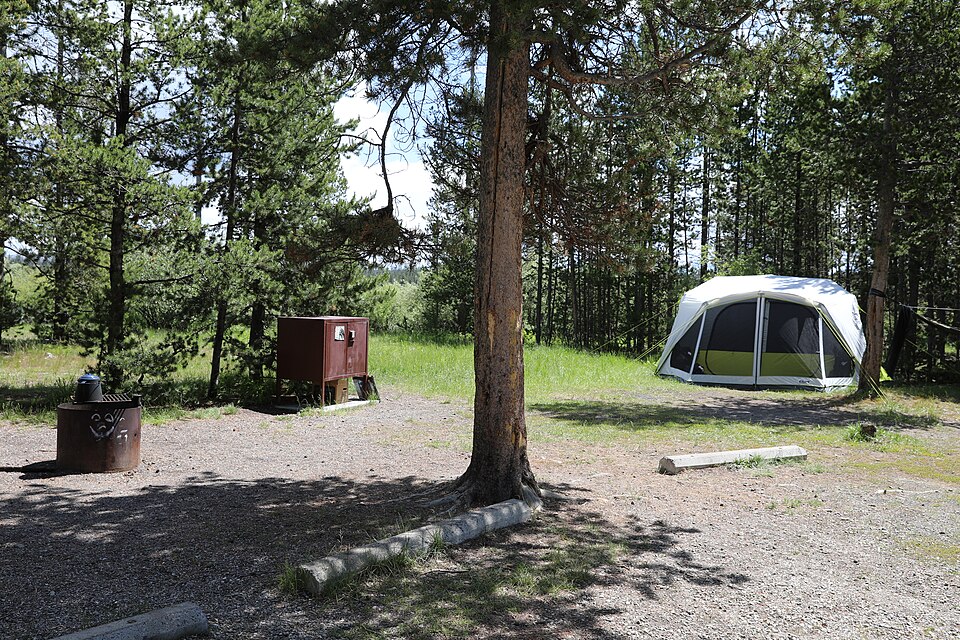
It is important to note that glamping near Pictured Rocks is a seasonal venture. Most sites operate from late May through early October, mirroring the peak tourism season of the Upper Peninsula. Because these units are often canvas-walled, they are not suited for the deep snow and sub-zero temperatures of a Michigan winter. Even in the summer, nights in the UP can be surprisingly cool, so most glamping hosts provide extra blankets or small heaters.
When preparing for a glamping trip, you should still bring outdoor essentials. While your bed is provided, you will want sturdy hiking boots, rain gear, and plenty of layers. Bug spray is a necessity, as the woods are home to mosquitoes and black flies during the early summer months. Booking early is essential, as the number of glamping units is limited compared to traditional hotel rooms or campsites, and they often fill up months in advance for peak summer weekends and the fall foliage season.
Sustainable Glamping and Respecting the Land
Many glamping operators in the Pictured Rocks area emphasize sustainability and eco-friendly practices. This might include using solar power for lighting, providing biodegradable soaps, or utilizing composting toilets. As a guest, you are encouraged to embrace this "leave no trace" ethos. Even though you are in a luxury setting, you are still in a wild environment where local wildlife, including bears and raccoons, are active.
Always follow the host's rules regarding food storage and trash disposal to avoid attracting animals to the site. Staying at a glamping site is a wonderful way to support the local economy of the Upper Peninsula while enjoying a low-impact vacation. It allows you to appreciate the rugged beauty of Lake Superiorâs coastline during the day and return to a cozy, quiet sanctuary at night. For the most up-to-date information on park regulations and to ensure your visit aligns with current conservation efforts, always check the official NPS website before your arrival.