

Choosing the best time to visit Phoenix is all about balancing the legendary Arizona sunshine with the specific outdoor activities you have planned. While the city is a year-round destination, the shift between the mild, golden winters and the intense heat of the desert summer fundamentally changes the rhythm of the valley. Timing your trip correctly allows you to fully enjoy the rugged mountain trails and vibrant botanical gardens without the constraints of extreme midday temperatures.
Springtime Bliss and Wildflowers
Spring is widely considered the absolute best time to visit Phoenix, specifically from late February through April. During these months, the Sonoran Desert undergoes a stunning transformation as brittlebush, lupine, and Mexican poppies bloom across the foothills. The temperatures are nearly perfect, often hovering between the high 60s and low 80s, making it the prime window for long-distance hiking on the Pemberton Trail or climbing the iconic Echo Canyon.
This is also the height of Cactus League Spring Training, where baseball fans gather under blue skies to watch professional teams prepare for the season. Because this is the peak travel window, you should expect the largest crowds and the highest rates for accommodations. Advanced planning is essential during this period, as popular trailheads often reach capacity early in the morning. The atmosphere is electric, filled with outdoor festivals and patio dining, but those seeking solitude may find the popular parks like Camelback Mountain quite busy.
Winter: The Ultimate Escape from Cold
From November through January, Phoenix serves as a premier refuge for those fleeing colder northern climates. Winter in the Valley of the Sun is characterized by crisp mornings, bright afternoons, and cool evenings that often require a light jacket. Daytime highs usually rest in the mid-60s, which is ideal for golfers and casual explorers who want to spend all day outside without the risk of overheating.
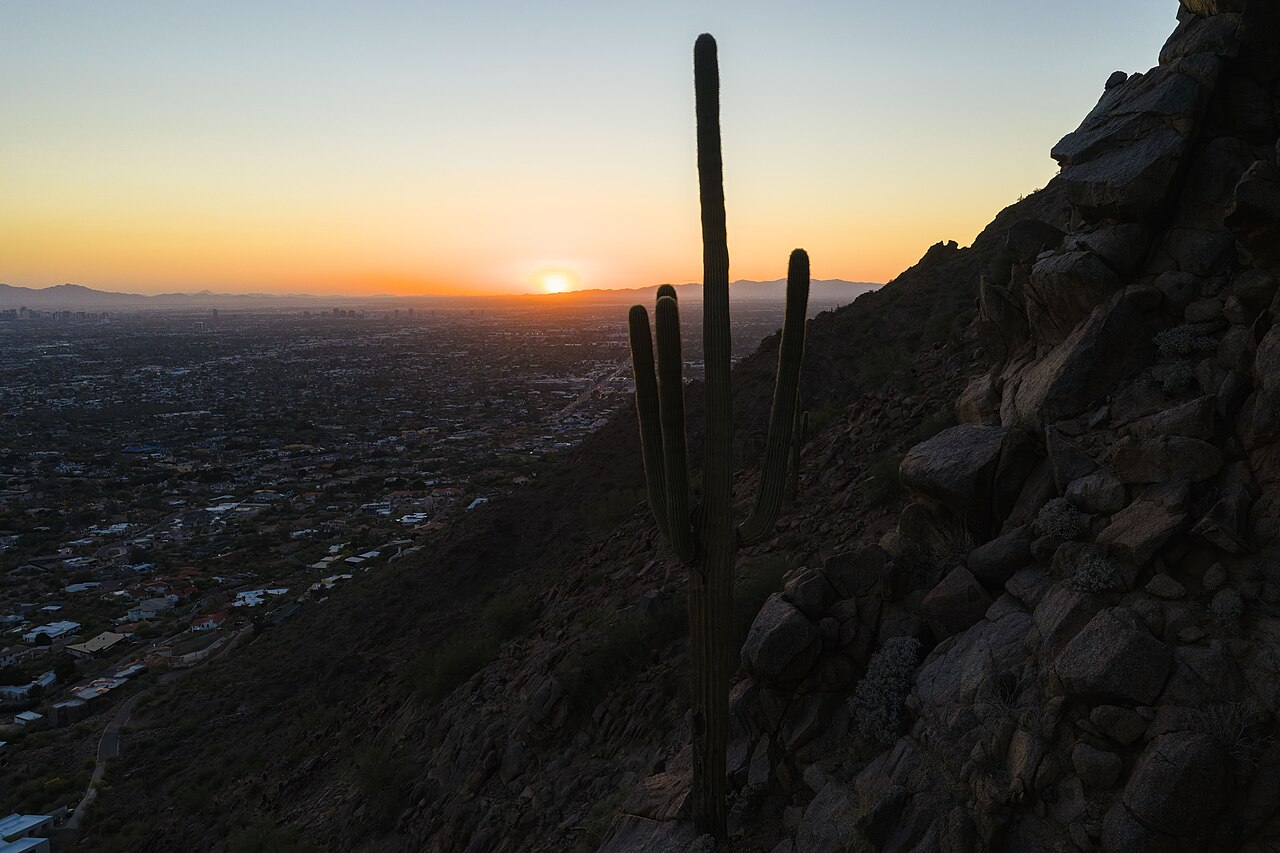
While the desert can occasionally see brief winter rains, the skies remain clear the majority of the time. The winter months are perfect for exploring the Desert Botanical Garden during their evening light displays or wandering through the historic districts of nearby Scottsdale. This is a popular time for seasonal residents, so while the city is lively, it lacks the frenetic pace of the spring baseball season. It is a fantastic time for photographers who want to capture the long shadows and soft golden light hitting the red rocks of Papago Park.
Fall: The Return to the Outdoors
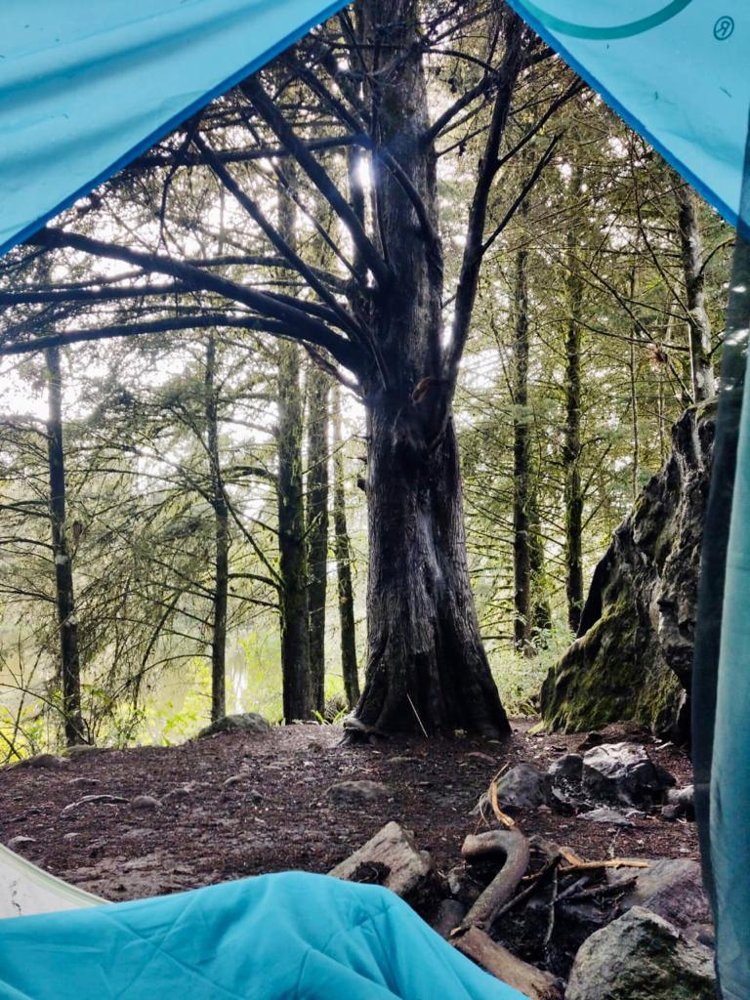
As the intense heat of summer begins to fade in late September and October, Phoenix welcomes the fall season. This transition period is a hidden gem for travelers who want to avoid the peak winter crowds while still enjoying warm, pleasant weather. Early fall can still be quite warm, with temperatures occasionally reaching the 90s, but the lack of humidity makes it manageable for morning excursions.
By October, the evenings become cool enough for outdoor fire pits and starlight dinners. This is an excellent time for rugged off-road tours or visiting the local lakes like Saguaro Lake, where the water remains warm enough for kayaking or paddleboarding. Fall is also the start of the festival season, with various cultural events and food markets popping up across the valley. It offers a balanced experience where you can find lower lodging rates compared to the spring peak, provided you avoid major holiday weekends or large conventions.
Lock in a stay for this season
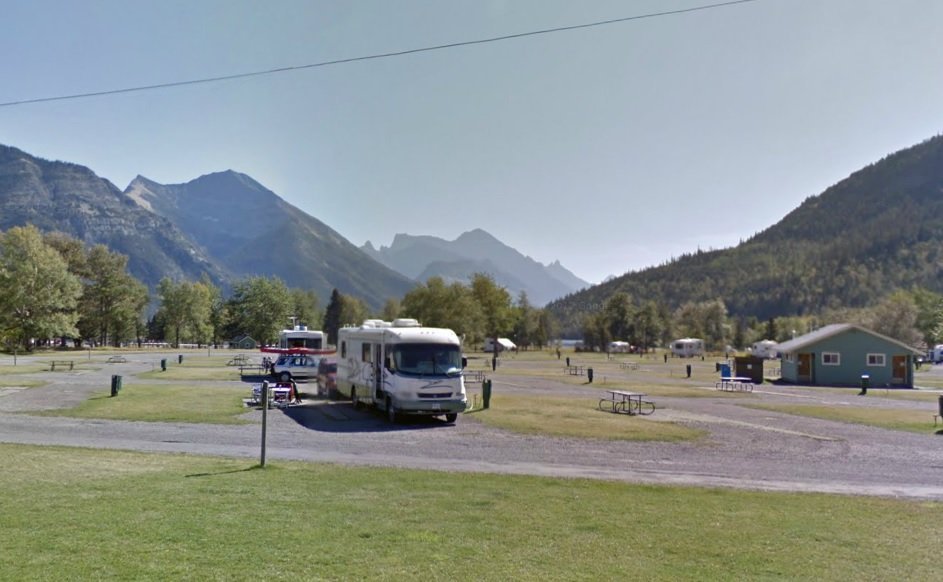
Harvest Hosts stays on the way to Phoenix
Partner link · Harvest Hosts
Surviving the Sonoran Summer
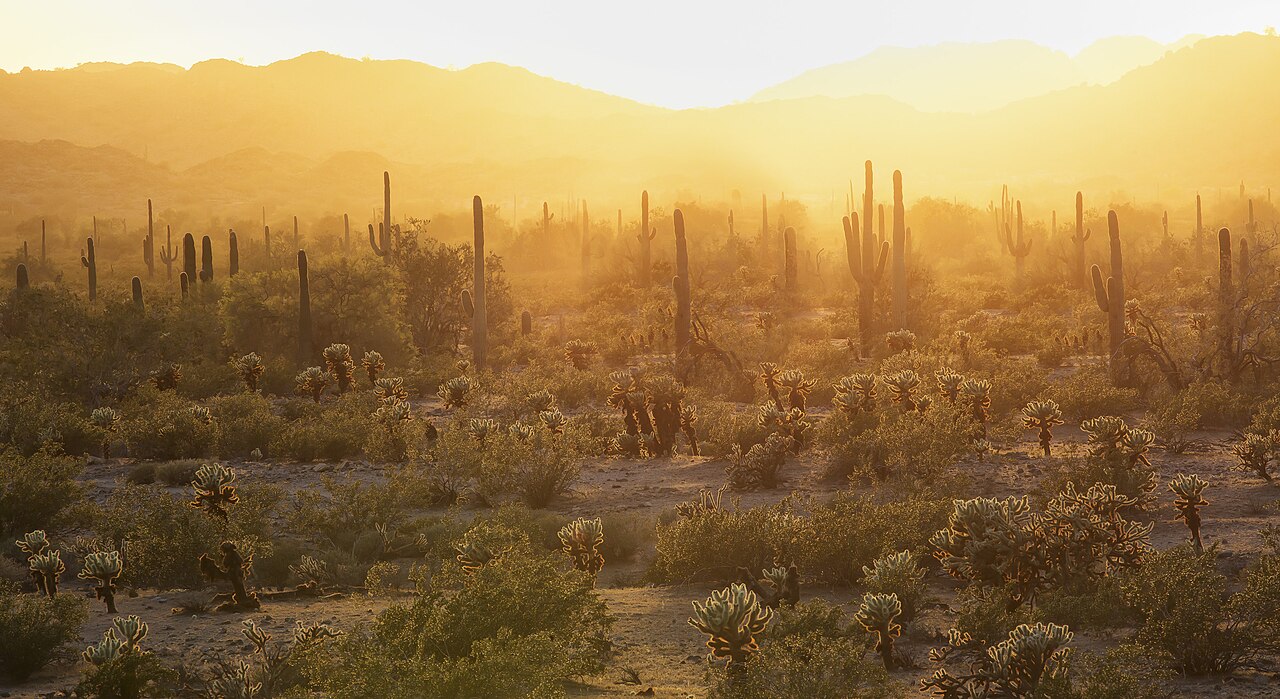
Summer in Phoenix, spanning from June through August, is defined by extreme heat, with daily temperatures frequently exceeding 110 degrees Fahrenheit. While this is the most affordable time to visit, it requires a significant shift in behavior to stay safe. Outdoor activity is generally restricted to the hours between dawn and 8:00 AM. After the sun rises high, most visitors retreat to the city’s many air-conditioned museums, world-class resorts, and elaborate pool complexes.
July and August also mark the arrival of the monsoon season. These dramatic weather events bring sudden, powerful thunderstorms, towering dust clouds known as haboobs, and localized flash flooding. Watching a monsoon storm roll across the desert floor from a safe vantage point is a breathtaking experience unique to the Southwest. If you visit during this time, focus on indoor attractions like the Musical Instrument Museum or take short, early-morning walks in the shaded areas of the Boyce Thompson Arboretum.
Planning and Reservations Timing
Because Phoenix is a major metropolitan hub and a premier vacation destination, timing your reservations is as important as timing the weather. For visits during the peak spring and winter months, it is highly recommended to book your lodging and car rentals at least four to six months in advance. Popular hiking permits or guided tours in the surrounding wilderness areas can also sell out quickly during the temperate weekends.
Always check the official National Park Service or local municipal park websites for current trail conditions and any temporary closures due to heat or maintenance. If you are planning to visit during the shoulder seasons, you might find more flexibility, but the most popular resorts still maintain high occupancy. For those looking to save, mid-week stays in the late fall often offer the best value. Regardless of when you go, having a vehicle is almost always necessary to navigate the sprawling geography of the valley and reach the distant mountain preserves.
More ways to book Phoenix
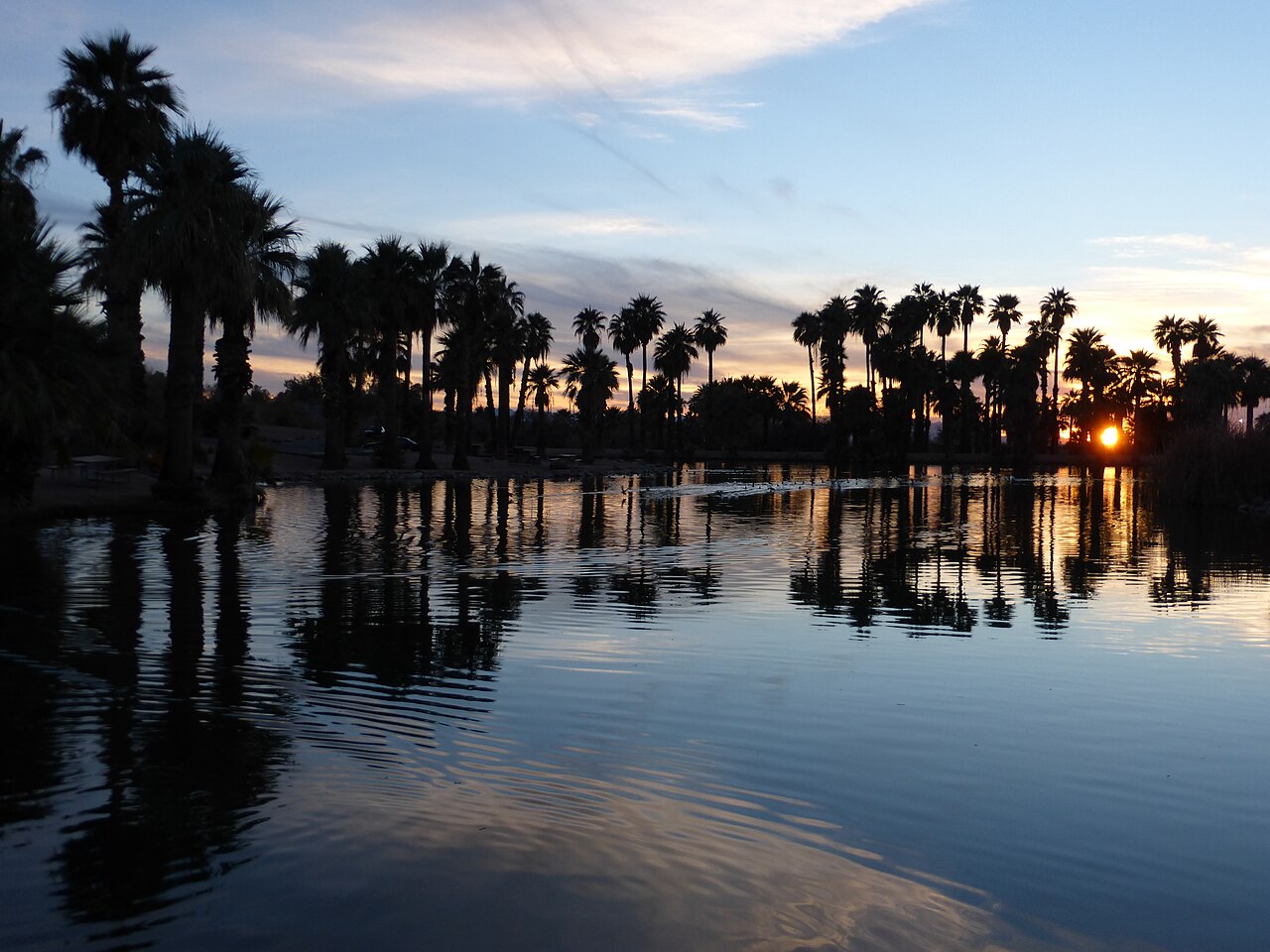
 Illustrative · Quintin Soloviev
Papago Park Exploration
One of the classic ways to experience Phoenix.
Varies (estimate)
Partner link · Viator