

Philadelphia is a city that experiences the full breadth of the four seasons, each bringing a distinct flavor to its historic streets and public squares. While the city remains a year-round destination for history buffs and foodies, timing your visit can greatly impact your comfort and the accessibility of popular sites. From the blooming cherry blossoms of the Schuylkill River to the crisp autumn air surrounding Independence Hall, choosing the right window ensures you experience the City of Brotherly Love at its absolute finest.
Springtime Blooms and Mild Temperatures
Spring, particularly from April through June, is widely considered the premier time to explore Philadelphia. As the city shakes off the winter chill, the Fairmount Park system comes alive with vibrant cherry blossoms and tulips. The weather is typically mild, with daytime temperatures ranging from the 60s to the 70s, making it the perfect climate for long walking tours through Old City or wandering the Italian Market.
This season offers a wonderful balance of manageable crowds and pleasant outdoor conditions. However, May can bring occasional rain showers, so packing a light waterproof jacket is wise. Many of the city’s outdoor beer gardens and seasonal pop-up parks begin to open during this window, providing plenty of spots to rest between museum visits. Because this is a popular time for school field trips to historic landmarks, we recommend checking the official NPS site for current conditions and reservation requirements for Independence Hall and other key sites early in your planning process.
Summer Heat and Festive Crowds
Summer in Philadelphia is characterized by high humidity and warm temperatures, often reaching into the high 80s or 90s. Despite the heat, July is a massive month for the city as it hosts extensive Independence Day celebrations. The Wawa Welcome America festival brings concerts, fireworks, and parades to the Benjamin Franklin Parkway, drawing visitors from across the country.
While the atmosphere is electric, be prepared for longer lines at major attractions like the Liberty Bell and the Philadelphia Museum of Art. To beat the heat, many visitors spend their afternoons in the city’s world-class indoor institutions or take advantage of the shade in Rittenhouse Square. If you plan to visit during the mid-summer peak, budget extra time for security screenings at federal sites and consider booking your accommodations several months in advance to secure a spot near the historic district where walking is most convenient.
Autumn Foliage and Crisp Air
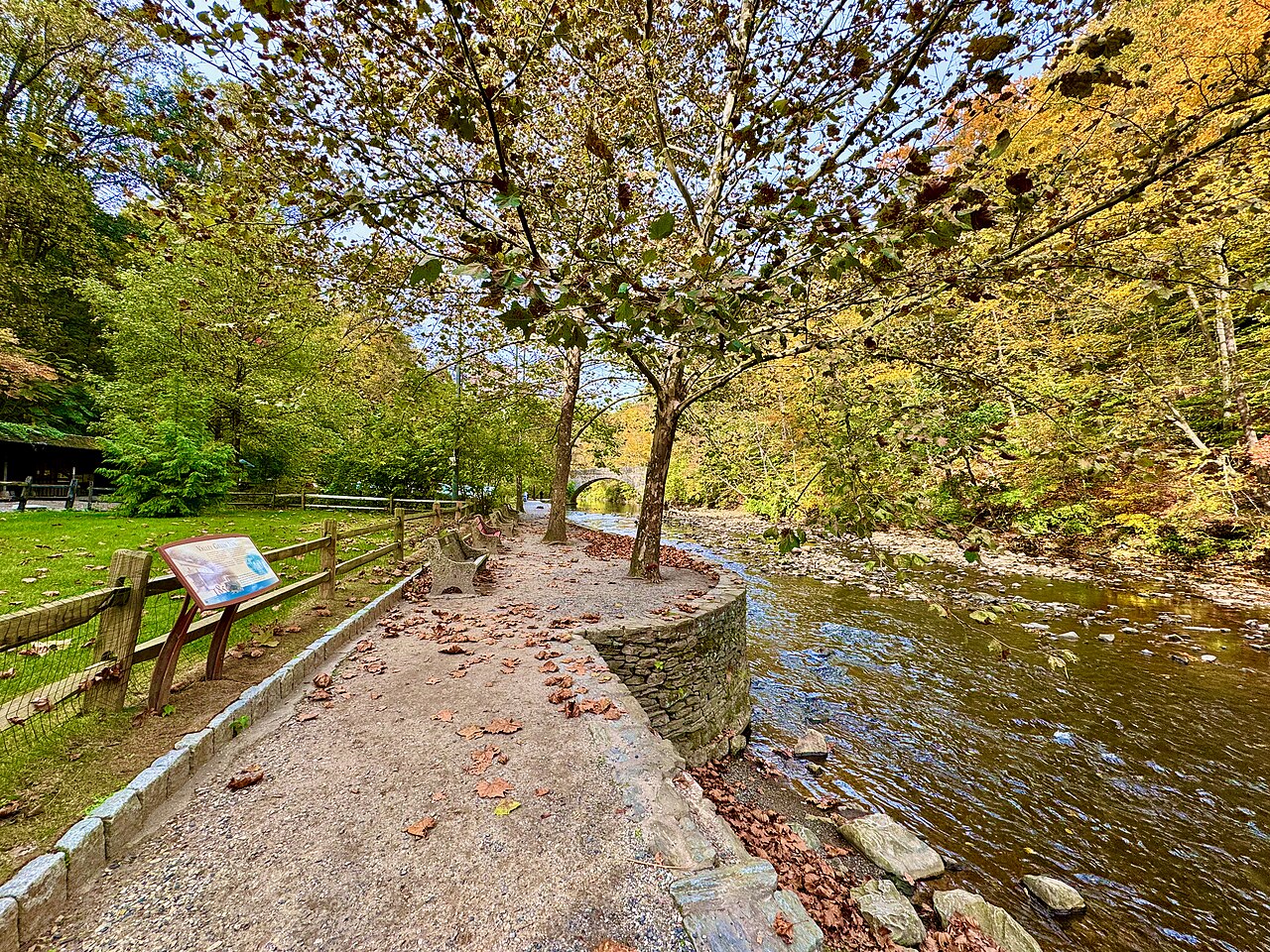
September through November marks another peak period for Philadelphia travel. The humidity of summer fades, replaced by crisp, cool air and stunning fall foliage that transforms the city’s many parks into canvases of gold and crimson. This is perhaps the best season for photographers and those who enjoy exploring the city’s historic cemeteries and cobblestone alleys.
Temperatures are ideal for hiking the trails of Wissahickon Valley Park or enjoying an outdoor meal in a sidewalk cafe. The city also hosts numerous neighborhood festivals during the fall, celebrating everything from local arts to harvest traditions. As the season progresses into November, the air turns quite chilly, especially in the evenings, so layering is essential. While the summer crowds have dispersed, the autumn months are popular for conventions and university events, so it is still advisable to monitor hotel availability and park operating hours via official channels before your arrival.
Lock in a stay for this season
Harvest Hosts stays on the way to Philadelphia
Partner link · Harvest Hosts
Winter Charm and Indoor Exploration
Winter in Southeastern Pennsylvania can be unpredictable, with temperatures frequently dropping below freezing and the occasional snowstorm dusting the historic brickwork. From December through March, the city takes on a quieter, more intimate feel. The holiday season is particularly festive, with large light displays at City Hall and outdoor ice skating rinks at Dilworth Park and Penn’s Landing.
This is the most budget-friendly time to visit, as hotel rates often dip during the colder months. It is an excellent time to focus on Philadelphia’s incredible indoor offerings, such as the Barnes Foundation or the Reading Terminal Market. While outdoor walking tours may be less appealing in the biting wind, the city’s compact grid makes it easy to hop between heated venues. Be sure to check for seasonal closures of certain outdoor monuments and always verify weather-related delays on the official park websites during your stay.
Navigating Reservations and Peak Windows
Regardless of the season you choose, planning ahead is the key to a successful Philadelphia trip. Major landmarks like Independence Hall require timed entry tickets for much of the year, and these can sell out weeks in advance during the spring and summer. If you are visiting during a holiday weekend, expect increased foot traffic and potential street closures for public events.
We recommend establishing a rough daily budget of around two hundred and forty dollars to cover dining, sightseeing, and local transport. Always keep an eye on the official NPS site for the most recent updates on site accessibility, especially during the shoulder seasons when maintenance projects are often scheduled. By aligning your interests with the seasonal rhythm of the city—whether that is the floral displays of spring or the museum-heavy days of winter—you can ensure your Philadelphia experience is both comfortable and culturally enriching.
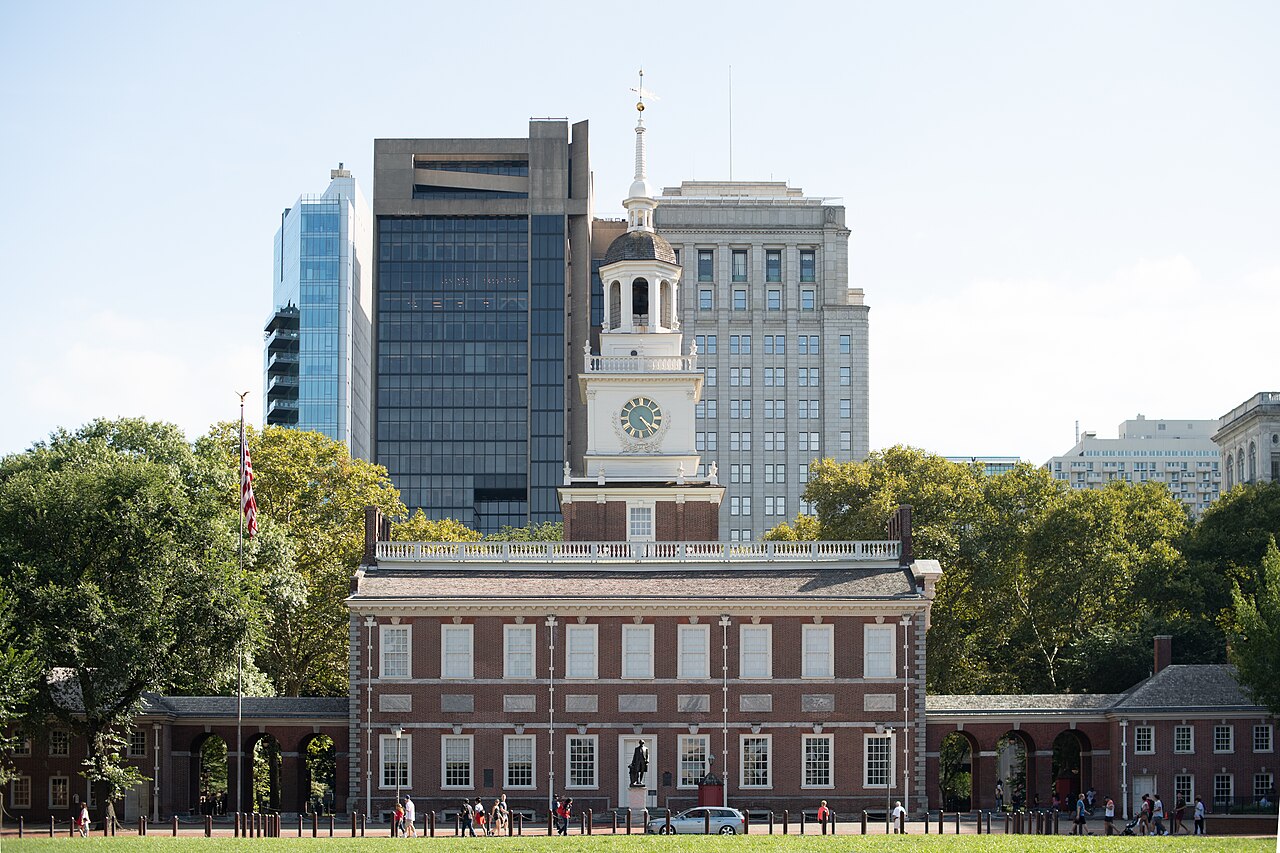
More ways to book Philadelphia
 Illustrative · Harrison Keely
Philadelphia Museum of Art
One of the classic ways to experience Philadelphia.
Varies (estimate)
Partner link · Viator