
Choosing the best time to visit Ozark National Scenic Riverways depends entirely on whether you seek high-energy river floating or quiet woodland solitude. While this Missouri gem is open year-round, the rhythm of the Current and Jacks Fork rivers changes dramatically with the seasons. Most travelers arrive when the humidity rises, but those who venture here during the shoulder months are often rewarded with cooler temperatures and far more personal space on the gravel bars.
Summer: The Peak Floating Season
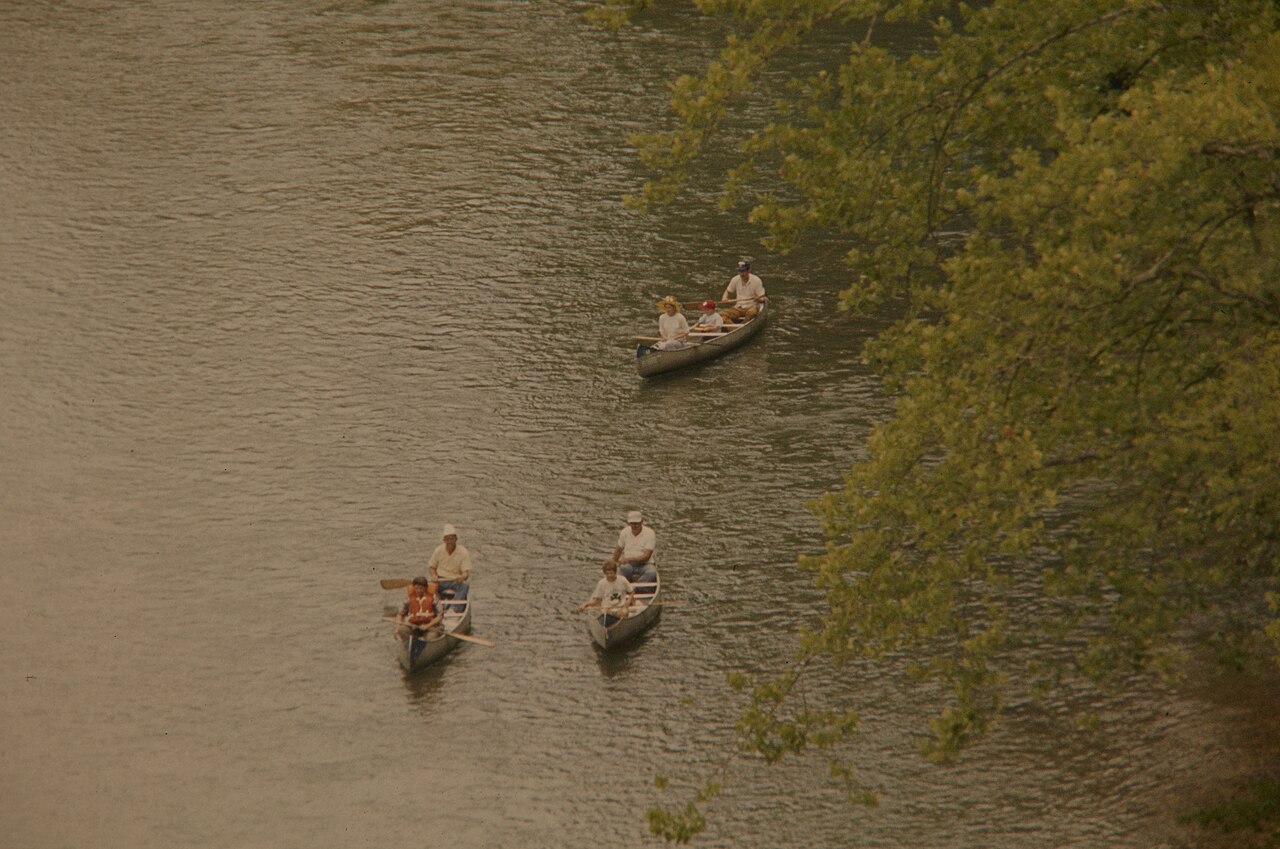
Summer is undeniably the most popular time to visit, as the spring-fed waters stay refreshingly cool even when Missouri temperatures climb into the nineties. From Memorial Day through Labor Day, the rivers are bustling with colorful tubes, canoes, and kayaks. This is the prime season for swimming at Big Spring or jumping off the rope swings scattered along the banks. However, visitors should be prepared for significant crowds, especially on Saturdays near popular access points like Akers or Round Spring.
Humidity is a major factor during these months, often making the nights feel quite warm for campers. If you plan to visit in July or August, be sure to reserve your campsites or lodging well in advance, as popular spots fill up months ahead. Late afternoon thunderstorms are common, often providing a brief but intense reprieve from the heat before the sun returns to bake the Ozark landscape once again.
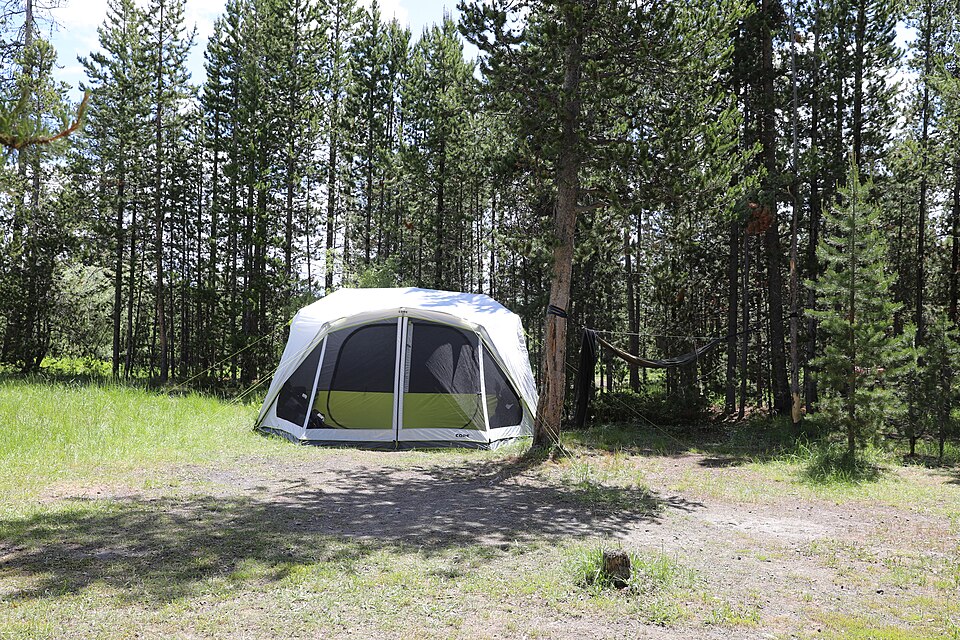
Lock in a stay for this season
RV parks near Ozark National Scenic Riverways on RoverPass
Partner link · RoverPass
Spring: Wildflowers and High Water
Spring is a transformative period in the Ozarks, characterized by the blooming of redbuds and dogwoods that paint the hillsides in shades of pink and white. This is often the best time for serious paddlers who enjoy a swifter current, as spring rains generally keep the water levels high and the navigation interesting. The temperatures are typically mild, with daytime highs in the sixties and seventies, though nighttime can still drop toward freezing in early April.
Wildlife viewing is at its peak during the spring months. Migratory birds return to the river corridors, and you are more likely to spot wild horses grazing in the fields near Echo Bluff as the new grass emerges. Be aware that heavy spring rains can occasionally lead to flash flooding, which may temporarily close certain river sections or low-water bridges. Always check the official park website for river gauges and weather alerts before launching your boat during this unpredictable but beautiful season.
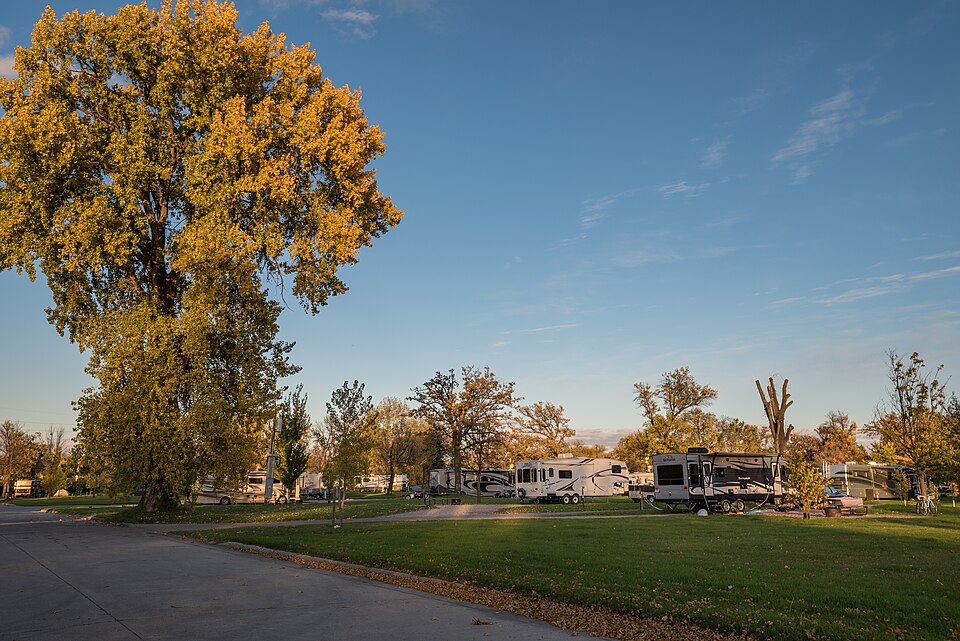
Lock in a stay for this season
Campsites near Ozark National Scenic Riverways on Campspot
Partner link · Campspot
Fall: The Palette of the Ozarks
Many locals argue that autumn is the true best time to visit Ozark National Scenic Riverways. As the summer heat fades, the hardwood forests surrounding the Current River erupt in vibrant oranges, deep reds, and brilliant yellows. The peak foliage usually occurs in mid-to-late October, providing a stunning backdrop for a quiet float. Because the water is spring-fed, it remains clear, though the lower air temperatures mean you might prefer a canoe over a tube to stay dry.
The crowds thin out significantly after Labor Day, making it much easier to find a secluded gravel bar for a picnic or a quiet campsite at Pulltite. Hiking becomes more enjoyable as the humidity vanishes and the biting insects subside. Evening temperatures are perfect for campfires, though you should pack extra layers for the chilly mornings when a thick mist often blankets the river surface, creating a ghostly and beautiful atmosphere that is perfect for photography.
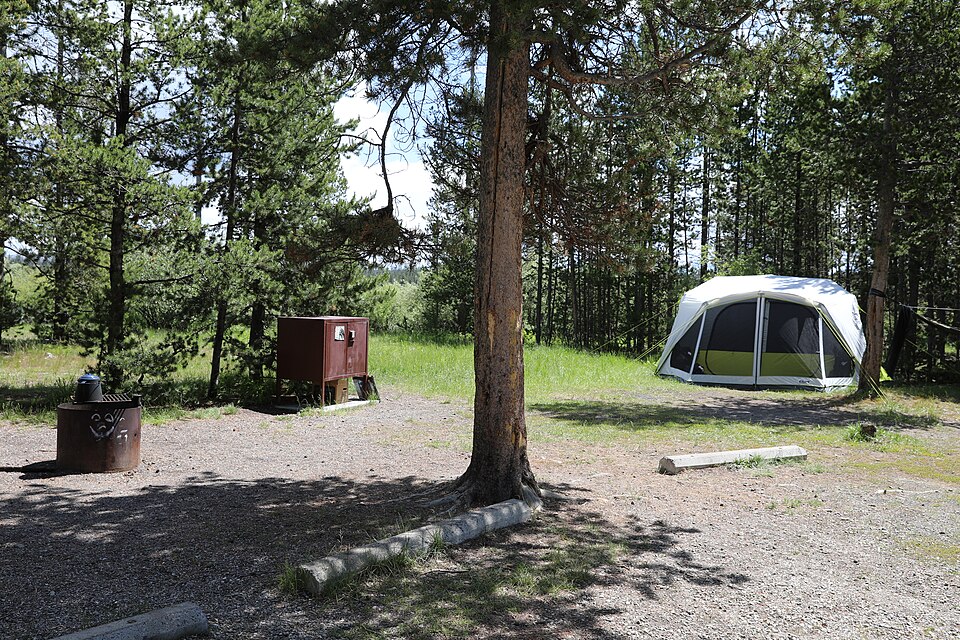
Lock in a stay for this season
Harvest Hosts stays on the way to Ozark National Scenic Riverways
Partner link · Harvest Hosts
Winter: Solitude and Steam
Winter is the quietest season in the Ozarks, offering a stark beauty that few visitors ever see. While floating is less common due to the cold, the springs themselves are fascinating to visit. Because the spring water remains a constant temperature of about 58 degrees Fahrenheit year-round, it often appears to steam on frosty winter mornings when the air is much colder. This creates a surreal landscape at sites like Alley Spring or Blue Spring.
Most concessionaires close their rental operations for the winter, so visitors must bring their own equipment and be prepared for self-shuttling. Winter hiking is excellent, as the lack of foliage reveals the rugged limestone bluffs and rock formations that are hidden during the summer. While snow is not constant, a light dusting on the historic CCC structures and old mills makes for incredible scenery. Be sure to check which campgrounds remain open, as many transition to limited services or primitive camping only during the off-season months.
Reservations and Timing Tips
Timing your trip requires a balance between weather and logistics. If you are aiming for a summer weekend, you should look into campsite reservations through the national booking systems at least six months out. For those who prefer a more spontaneous trip, mid-week visits in June or September often offer plenty of availability and a much quieter river experience. Avoid holiday weekends if you are looking for peace and quiet, as these are the busiest times of the entire year.
Keep in mind that the Missouri weather can change rapidly. A sunny morning can turn into a rainy afternoon, so packing waterproof gear is essential regardless of the season. Always check the official NPS site for current river conditions, especially after heavy rains, as water levels can impact which sections of the river are safe for different skill levels. Planning your visit for a Tuesday or Wednesday in early October is perhaps the best way to see the park at its most scenic without the logistical stress of peak-season crowds.

More ways to book Ozark National Scenic Riverways
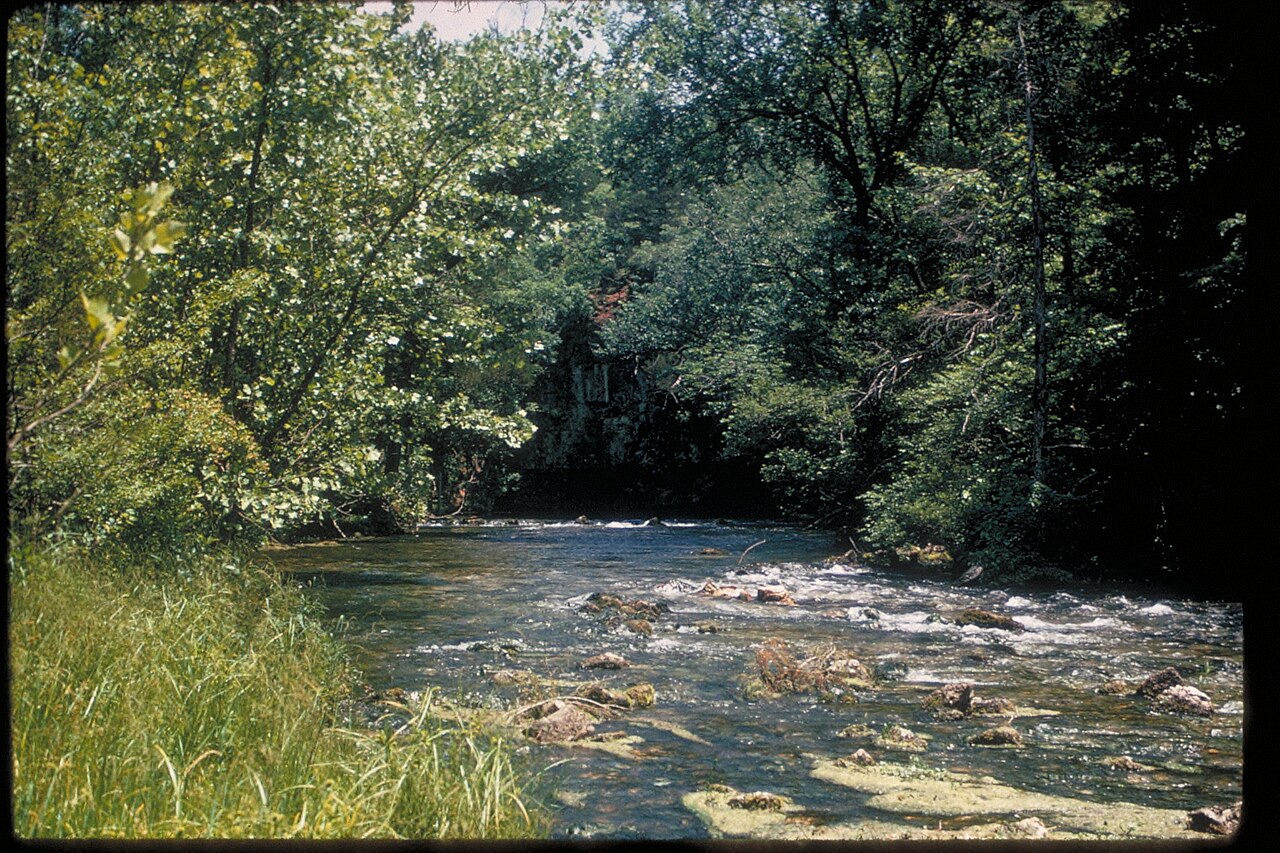 Illustrative · NPS staff
Echo Bluff Exploration
One of the classic ways to experience Ozark National Scenic Riverways.
Varies (estimate)
Partner link · Viator