
Oahu glamping is less about a vast network of wilderness resorts and more about finding a lawful, comfortable outdoor-style stay that fits a developed island. Options and availability can change, so look closely at what each listing actually includes. A furnished tent, a simple cabin, and a camper rental create very different trips, especially when bathrooms, parking, beach access, and overnight permissions are involved.
What Glamping Can Look Like on Oahu
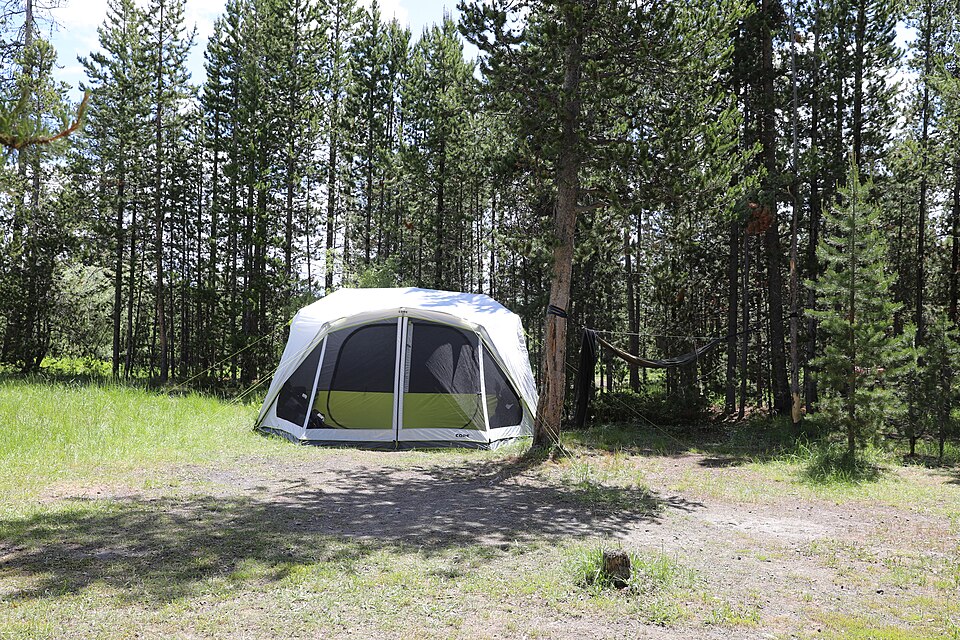
Start by defining the comfort you need rather than relying on the word glamping. An outdoor-style stay might advertise a real bed, electricity, or a covered seating area, yet still use shared bathrooms or have no cooking facilities. A cabin may feel more practical than a canvas tent during wind-driven rain, while a furnished tent can offer the open-air experience you came for. Verify each feature directly before booking.
Ask whether bedding, towels, drinking water, refrigeration, and weather protection are included. Confirm the bathroom distance and whether showers are private or shared. Coastal humidity, salt air, insects, and early daylight can affect comfort even in a well-equipped setup. Most importantly, confirm that overnight accommodation is authorized at the location. A rental tent package or attractive beach photograph does not establish that you have permission to sleep on that land.
Where to Search: North Shore and Windward Areas
The North Shore is a logical area to investigate if your priorities are coastal scenery, surf watching, and time around Haleiwa. Search the wider Waialua and Haleiwa area while checking each property's actual location; a North Shore label does not necessarily mean beachfront or walkable beach access. Farther along the coast, the Laie and Kahuku areas can suit travelers who prefer spending more time outside Honolulu.
On the windward side, look around Kaneohe, Waimanalo, and the broader northeastern coast for authorized outdoor-style lodging or cabin possibilities. These are search areas, not promises of available glamping inventory. Expect wetter conditions than on much of the leeward coast, and consider how far you will travel for meals and supplies. Public beach campgrounds operate under their own permit rules and should not be confused with serviced private lodging. Verify legal access, parking, and local accommodation requirements before paying.
Pick a Season for the Setting, Not Just the Rate
Summer generally brings drier weather and smaller North Shore surf, which can make an outdoor coastal stay more appealing for families seeking beach time. Warm nights can also make airflow important, so ask whether a tent or cabin has screened ventilation or fans. Shade matters during the day, especially if the site has little covered space beyond the sleeping area.
Spring and fall can offer a useful balance of warm weather and less concentrated vacation demand outside holidays. Winter brings more frequent rain and the possibility of powerful surf along northern and western shores. A beachside setting can feel dramatically different during a swell or windy spell. Ask the operator about weather-related cancellation terms and site procedures, without assuming a seasonal label guarantees comfort. Check official forecasts and park notices before arrival, and keep an alternative lodging plan in mind if conditions disrupt an outdoor stay.
Glamping, Tent Camping, or an RV?
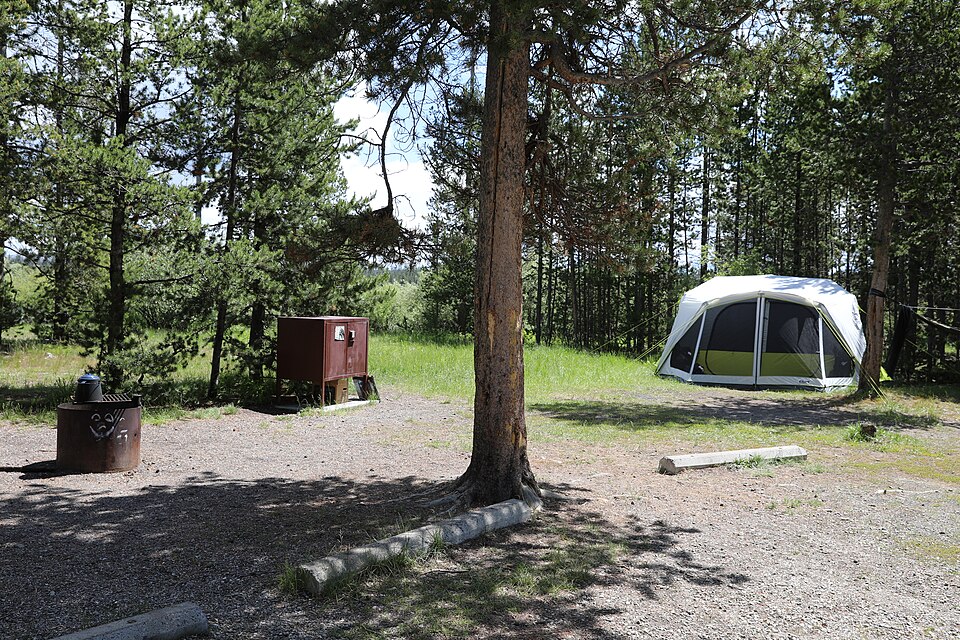
Glamping usually trades some independence for equipment already in place: bedding, shelter, and possibly lighting or bathroom access. Traditional tent camping requires more gear and often more attention to permits, campsite availability, and transport. On Oahu, public camping opportunities are regulated, and beach access during the day does not imply overnight camping permission. Check the relevant city or state park website for current reservation rules and permitted camping dates.
An RV or campervan is not a shortcut around those restrictions. Oahu does not function like a mainland road-trip destination with an extensive network of full-service RV parks, and overnight vehicle use requires careful location-specific verification. Before renting, identify authorized overnight sites and confirm vehicle acceptance, toilets, water, waste disposal, and parking dimensions. For a short visit, a conventional room plus a daytime beach outing may be simpler than coordinating a mobile camping setup.
Budget and Book With the Details in Writing
Compare the complete stay rather than the headline nightly rate. Cleaning charges, taxes, equipment rental, transportation, and meal logistics can change the total considerably. Any early cost calculation should be treated as a rough estimate until you receive the final booking breakdown. Glamping is not automatically cheaper than a hotel, particularly when you need a rental car and most meals require driving.
Before committing, get clear answers about check-in arrangements, parking, cancellation terms, quiet hours, cooking rules, and what happens during severe weather. Families should confirm bed layouts and bathroom access; travelers with mobility needs should ask about surfaces, steps, and the route from parking. Stock up before reaching a more rural site, but follow food storage and waste rules. For public-land stays or nearby outings, check official park websites for current conditions and reservations, and use the NPS site when adding Pearl Harbor to your trip.