
The Niobrara River is a unique biological crossroads where eastern and western forests meet in the heart of the Nebraska Sandhills. Choosing the right time for your visit depends on whether you seek the social buzz of a summer river float or the quiet, frost-covered serenity of the canyon walls in late autumn. While summer provides the warmest waters, each season offers a distinct perspective on this designated National Scenic River, from the migration of birds to the changing hues of the ponderosa pines.
Summer: The Peak Floating Season
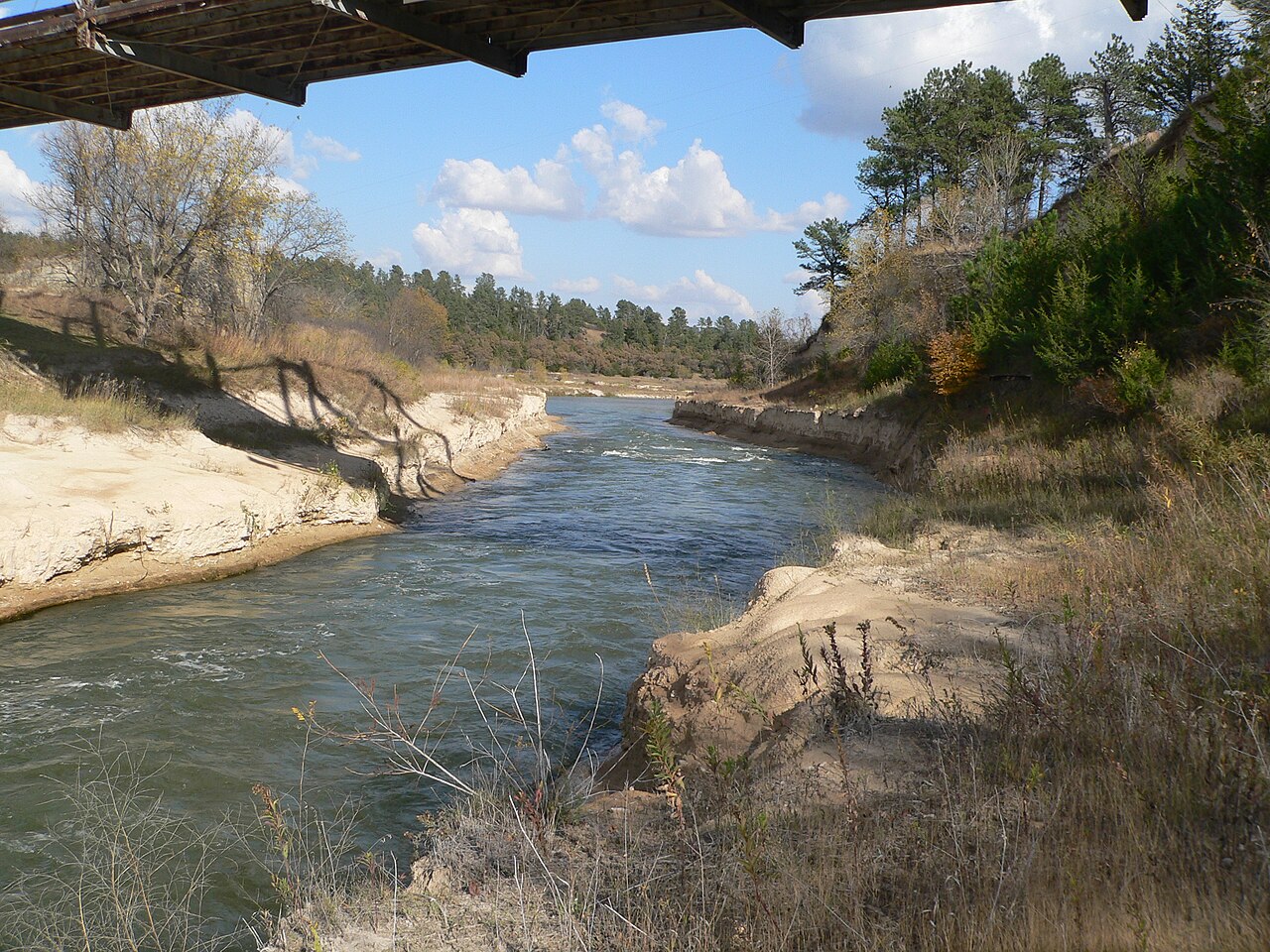
June through August is widely considered the best time to visit Niobrara River if your primary goal is to be on the water. During these months, the air temperatures are typically hot, often reaching the high 80s or 90s, making the cool, spring-fed water incredibly refreshing. This is the prime window for tubing, canoeing, and kayaking, as the river flow remains consistent regardless of rainfall due to the massive Ogallala Aquifer that feeds it.
However, summer is also the busiest time. Weekends in July can see significant crowds near the most popular launch points and waterfalls like Smith Falls. If you prefer a more solitary experience, aim for a mid-week trip during these months. You will still enjoy the long daylight hours and lush green canopy, but without the large groups that frequent the river on Saturdays. Be sure to check the official NPS site for any seasonal closures or water level advisories before setting out on your summer adventure.
Lock in a stay for this season
RV parks near Niobrara River on RoverPass
Partner link · RoverPass
Autumn Colors and Cool Breezes
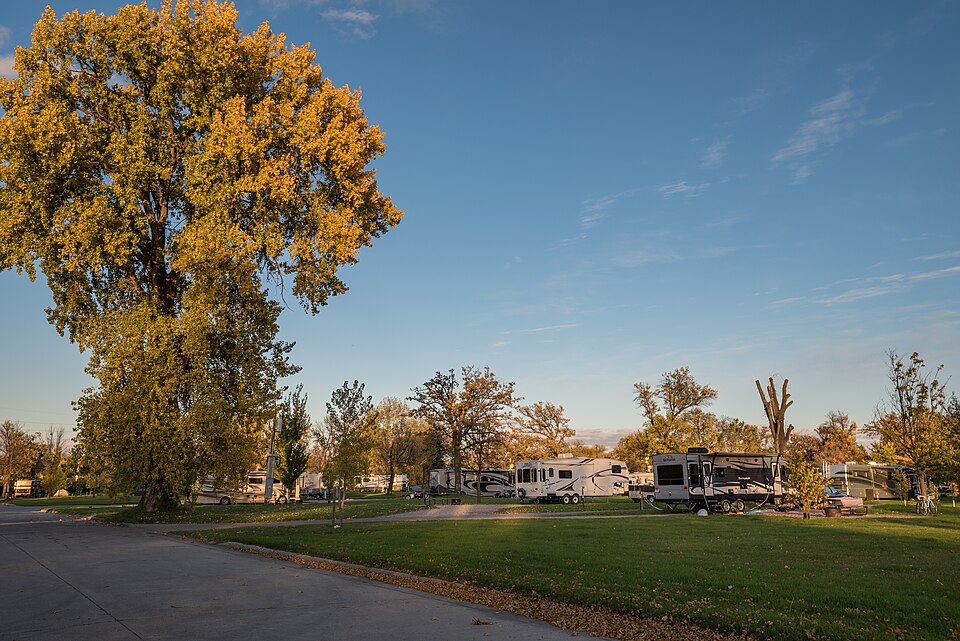
September and October bring a dramatic transformation to the Niobrara Valley. As the heat of summer fades, the deciduous trees lining the limestone cliffs turn vibrant shades of gold, orange, and deep red. The contrast between the changing leaves and the evergreen ponderosa pines creates a stunning visual tapestry that is best viewed from the water or the overlook trails. The air is crisp, making it the perfect season for hiking the Smith Falls State Park trails without the summer humidity.
While the water may become too chilly for casual tubing, canoeing remains popular through early October. You will find that the crowds thin out significantly once the school year begins, providing a peaceful atmosphere for photography and wildlife watching. Be aware that nights can get quite cold in the Sandhills during the fall, so if you are camping, you will need to pack high-quality sleeping gear. This season is ideal for those who prioritize scenery and solitude over swimming.
Winter's Quiet Beauty
Winter along the Niobrara is a season of stark, quiet beauty that few travelers experience. The river rarely freezes completely due to the constant inflow of groundwater, but ice formations often decorate the edges of the banks and the many waterfalls throughout the canyon. Seeing Smith FallsâNebraska's tallest waterfallâdraped in ice is a spectacular sight that requires a bit of cold-weather endurance. The surrounding landscape becomes a minimalist masterpiece of white snow and dark evergreens.
Travel during this time is mostly limited to hiking and wildlife viewing, as most outfitters close their doors for the season. You should be prepared for unpredictable Nebraska weather, including heavy snow and high winds. While many services in Valentine may have reduced hours, the solitude found on the trails is unmatched. It is a time for spotting bald eagles, which frequent the open water of the river to hunt for fish. Always check road conditions and park access points during the winter, as some gravel roads may become difficult to navigate after a storm.
Lock in a stay for this season
Harvest Hosts stays on the way to Niobrara River
Partner link · Harvest Hosts
Spring Awakening and Bird Migration
Spring is a time of renewal in the Niobrara Valley, typically spanning from late March through May. As the prairie grasses begin to green up and the wildflowers bloom, the valley becomes a hub of activity for migratory birds. This is an excellent time for birdwatchers to visit, as the river corridor serves as a vital flyway. You might catch glimpses of various songbirds, raptors, and perhaps even the elusive whooping crane if your timing is lucky.
The weather in spring is notoriously variable; you might experience a warm, sunny afternoon followed by a sudden thunderstorm or a late-season dusting of snow. Water levels can rise slightly with spring rains, but the Niobrara remains relatively stable compared to other Midwestern rivers. For those who enjoy hiking, the temperatures are very comfortable before the summer heat sets in. Keep in mind that many local outfitters do not begin full operations until Memorial Day weekend, so you may need to bring your own equipment if you plan to be on the water early in the season.
Reservation Timing and Planning Tips
Because the Niobrara River is such a popular destination during the peak summer months, timing your reservations is crucial. If you plan to visit between June and August, it is highly recommended to book your campsites, cabins, or local lodging several months in advance. Many of the private campgrounds and the state park facilities fill up quickly for weekend dates. Even if you are just planning a day trip, coordinating your shuttle service and equipment rentals ahead of time ensures a smooth experience.
For those looking for a quieter trip, planning your visit for a Tuesday or Wednesday can make a world of difference in the availability of sites and the overall noise level on the river. Costs for a trip here are generally moderate, with an average daily budget covering equipment rentals, park entry fees, and basic supplies. Always check the official NPS site for the most current information on permits, river safety, and any temporary restrictions. Regardless of when you choose to go, the Niobrara offers a rare chance to see a pristine river ecosystem in the heart of the Great Plains.
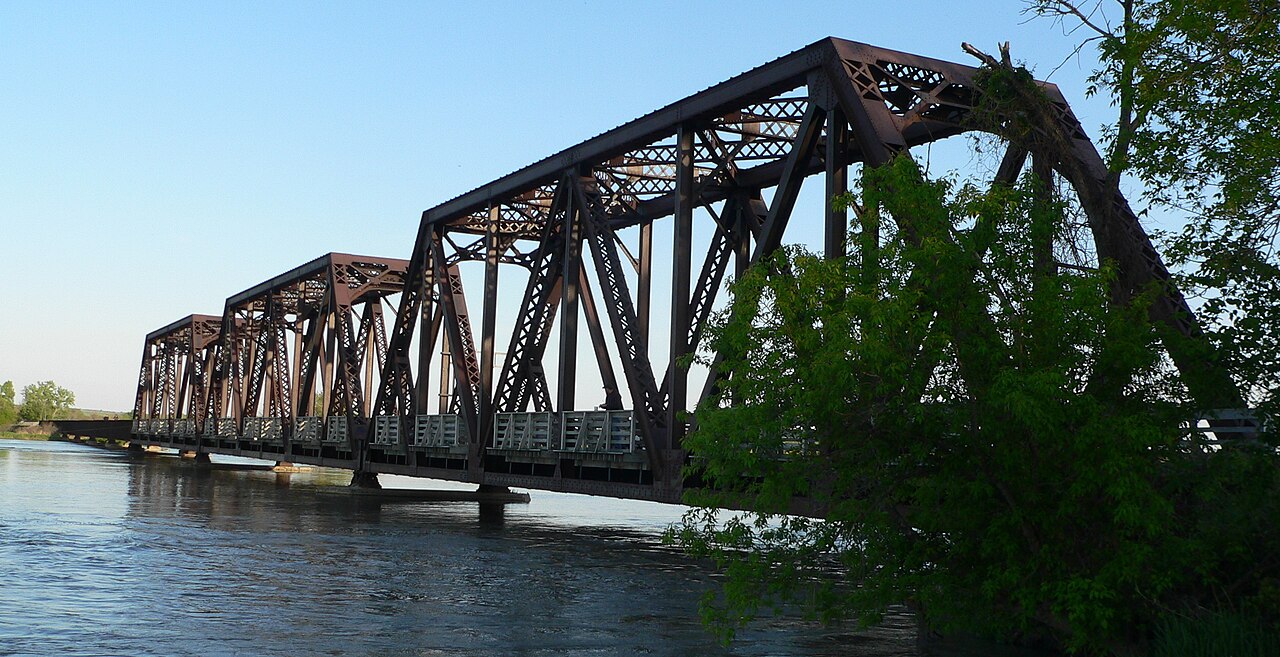
More ways to book Niobrara River
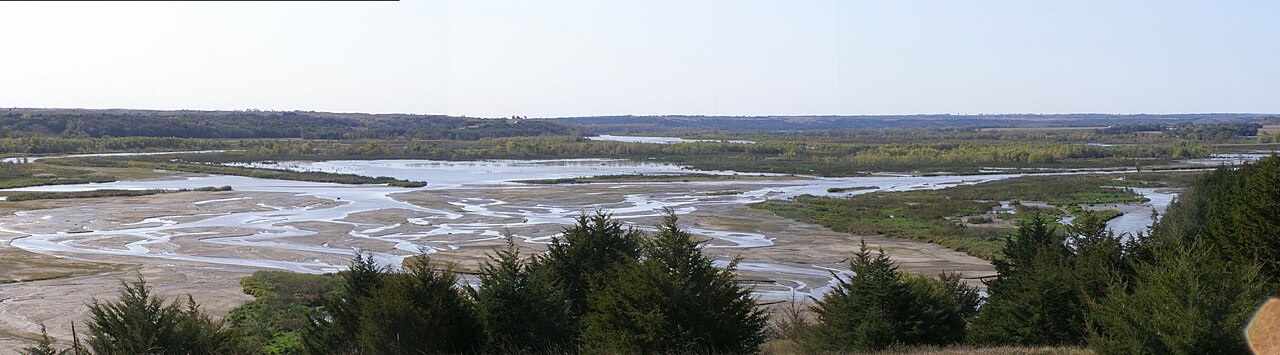 Illustrative · Chris Light
Fort Niobrara Wildlife Refuge
One of the classic ways to experience Niobrara River.
Varies (estimate)
Partner link · Viator