

Choosing the right season for a trip to New York City significantly shapes your experience, whether you prefer crisp autumn walks through Central Park or vibrant summer festivals along the waterfront. The city transitions beautifully between its four distinct seasons, each offering a different atmosphere for exploring the Five Boroughs. To make the most of your visit, consider how temperature shifts and tourist patterns affect the availability of popular sites and the overall pace of the city.
Springtime Blooms and Mild Temperatures
Spring, spanning from April to June, is widely considered the best time to visit New York City for outdoor enthusiasts. During these months, the city’s many green spaces, such as the Brooklyn Botanic Garden and the High Line, burst into bloom with cherry blossoms and tulips. The weather is generally mild, with daytime highs ranging from the mid-60s to low 70s, making it perfect for long walks across the Brooklyn Bridge or through the winding paths of the West Village.
However, spring weather can be unpredictable, with occasional rain showers that bring a fresh, clean feeling to the streets. It is a fantastic time for photography as the light is soft and the trees are a vibrant green. Because this is a popular window, it is wise to check the official National Park Service sites for any specific spring events at historic locations like Governors Island, which often reopens for the season in late spring.
Summer Energy and Waterfront Activities
Summer in New York City is energetic and warm, often reaching into the high 80s or 90s during July and August. While the humidity can be significant, this is the prime season for coastal activities and outdoor cultural events. You can enjoy free concerts in the parks, outdoor movie screenings, and kayaking on the Hudson River. The city’s beaches, such as Rockaway Beach and Orchard Beach, become local favorites for cooling off during the peak of the afternoon heat.
Keep in mind that summer is a peak travel period for families, so popular landmarks like the Statue of Liberty or the Empire State Building will see higher visitor volumes. If you plan to visit during these months, try to schedule your most physically demanding outdoor activities for the early morning or late evening. Many visitors find that the sea breezes along the harbor provide a welcome relief from the urban heat island effect found in the center of Manhattan.

Fall Foliage and Crisp Autumn Air
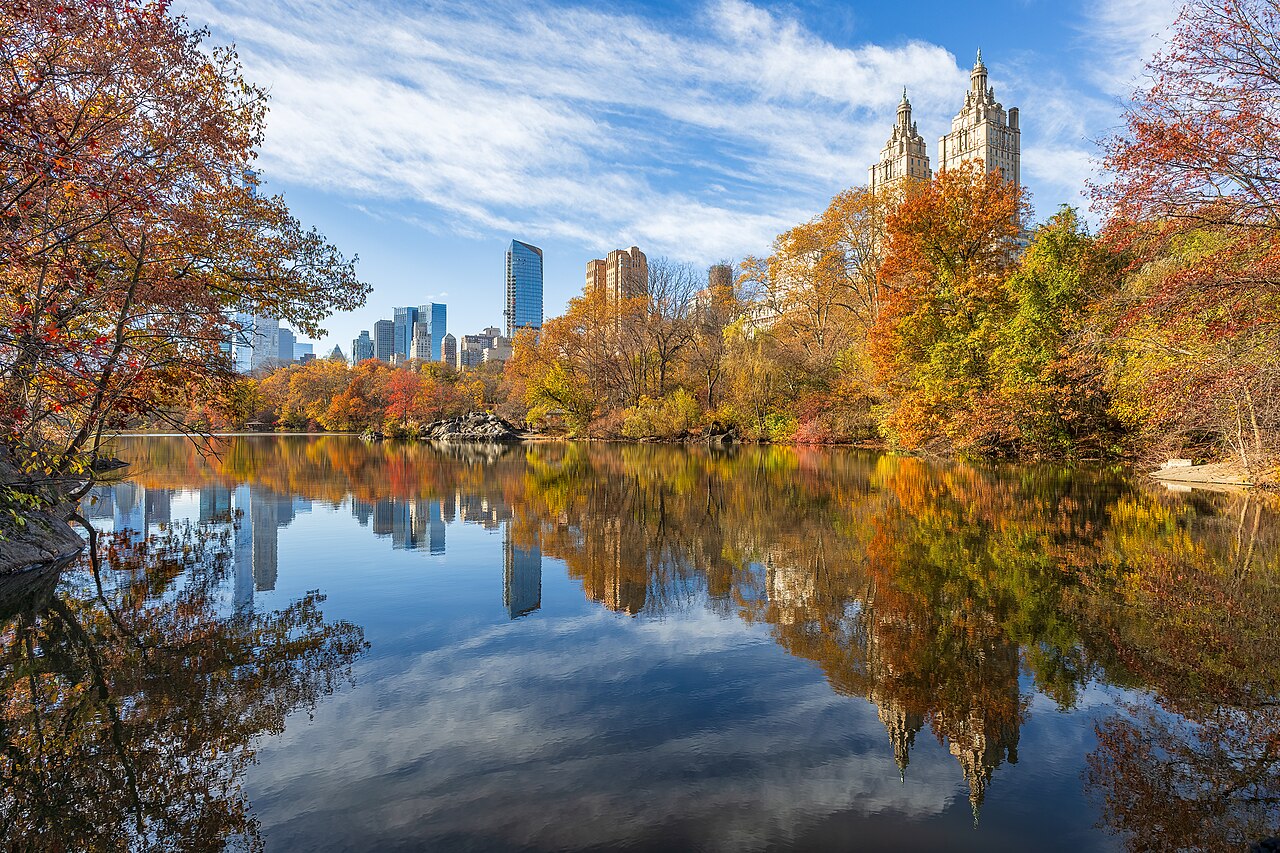
September through November offers some of the most comfortable weather for exploring the city on foot. The air turns crisp, and the humidity of summer fades, replaced by clear blue skies and the famous changing leaves. Central Park becomes a kaleidoscope of orange, gold, and red, attracting hikers and casual strollers alike. This is also a major season for the arts, with many museums debuting new exhibitions and the theater district buzzing with activity.
Fall is a busy time for conventions and international events, so the city feels bustling and alive. While the days are shorter, the evening light against the skyline is particularly stunning. Travelers should pack layers, as mornings can be chilly while afternoons remain quite pleasant. As November approaches, the city begins its transition into the holiday season, with the first signs of festive decorations appearing after the mid-month mark, offering a unique blend of autumn beauty and early winter excitement.

Lock in a stay for this season
Harvest Hosts stays on the way to New York City
Partner link · Harvest Hosts
Winter Magic and Holiday Traditions
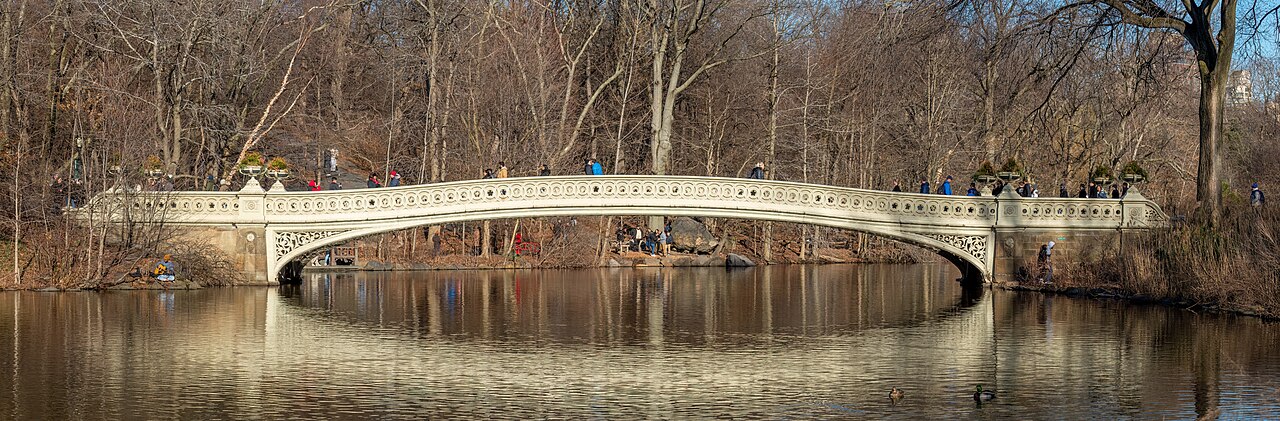
Winter in New York City, particularly during December, is world-renowned for its festive atmosphere. While temperatures can drop below freezing and snow is a possibility, the holiday markets, ice skating rinks, and elaborate window displays create a magical environment. January and February are the coldest months, but they also offer a more quiet, local perspective of the city as tourist numbers typically dip after the New Year celebrations. This is an excellent time for those who enjoy indoor attractions like the Metropolitan Museum of Art or the American Museum of Natural History.
If you visit in mid-winter, you will find it easier to secure reservations at popular restaurants and shorter wait times at major landmarks. It is essential to bring heavy coats, gloves, and waterproof boots, especially if a winter storm is in the forecast. Walking through a snow-covered Central Park is a bucket-list experience for many, providing a serene contrast to the usual rhythmic noise of the city streets.
Reservations and Timing Tips
Regardless of which season you choose, timing is critical for a smooth trip. New York City is a global destination year-round, meaning that the most iconic experiences often require planning months in advance. For major landmarks managed by the federal government, such as the Statue of Liberty or Ellis Island, checking the official NPS website for reservation windows is a must to ensure you can access the pedestal or crown. Many visitors find that mid-week visits offer a slightly more relaxed pace compared to busy weekends.
For budget-conscious travelers, the shoulder seasons of late winter and early spring often provide the most flexibility, though you should be prepared for varied weather conditions. Booking your transportation and lodging several months out is generally recommended to secure your preferred locations. Always keep an eye on the local event calendar, as large-scale events like the Marathon or major parades can lead to street closures and increased demand for public transit, potentially impacting your daily itinerary.
More ways to book New York City
 Illustrative · Paulthelawyer
Statue of Liberty Ferry
One of the classic ways to experience New York City.
Varies (estimate)
Partner link · Viator