
For those who want to experience the wild beauty of the Louisiana wetlands without sacrificing the comforts of a boutique hotel, glamping near New Orleans is the perfect solution. Imagine waking up to the sound of songbirds in a cypress grove, then driving just half an hour to enjoy a world-class dinner in the French Quarter. Glamping here offers a unique bridge between the cityâs high-energy culture and the serene, moss-draped landscapes of the Gulf Coast.
The Glamping Aesthetic in Southeast Louisiana
Glamping in the New Orleans region typically takes one of two forms: elevated safari-style tents or refurbished vintage trailers. Because of the local climate, these accommodations are almost always equipped with air conditioning and heating, ensuring comfort regardless of the humidity. Many sites are located on the edge of bayous or within state parks, providing a "back-to-nature" feel with high-quality linens, comfortable mattresses, and often private decks for morning coffee. It is a far cry from traditional camping, where you might be battling the elements on a thin sleeping pad.
You can expect décor that reflects the local cultureâthink driftwood accents, local art, and porches designed for watching the sunset. These sites often provide communal fire pits where guests can gather in the evening to swap stories, much like the traditional fishing camps that have dotted the Louisiana coastline for generations. It is an ideal way to experience the "Sportsman's Paradise" without needing to pack a trunk full of gear.
Top Glamping Regions Near the City
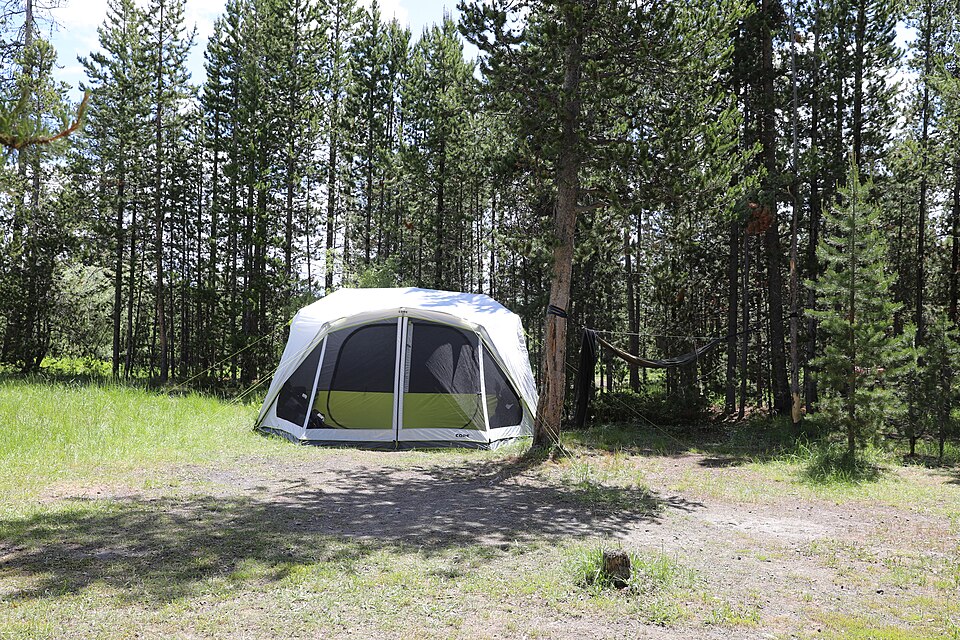
While you won't find many glamping sites in the dense urban center, several areas within a 30- to 60-minute drive offer excellent options. The Northshore, including towns like Mandeville and Covington, is a popular destination. This area is separated from New Orleans by Lake Pontchartrain and offers a more wooded, tranquil environment with access to the Tammany Trace, a scenic rail-to-trail path. Glamping here allows you to enjoy the piney woods and clear streams that characterize the higher ground north of the lake.
Another option is heading south toward the fishing communities of Jean Lafitte or Westwego. These areas put you right on the doorstep of the marshlands. Here, glamping sites might be situated on raised platforms over the water, offering unparalleled views of the wetlands. These locations are perfect for those who want to spend their days kayaking or taking swamp tours, then return to a luxurious bed at night. The proximity to the city means you can spend your morning in the marsh and your evening at a jazz club.
Glamping vs. Traditional Camping and RVing
In the humid environment of Louisiana, the choice between glamping, camping, and RVing often comes down to climate control and convenience. Traditional tent camping is popular in state parks like St. Bernard or Bayou Segnette, but it can be challenging during the peak of summer due to the heat and insects. Glamping removes these barriers by providing a climate-controlled environment and professional pest management, making the outdoors accessible year-round. It is the best choice for travelers who want the aesthetic of the outdoors without the logistical hurdles of setting up a camp.
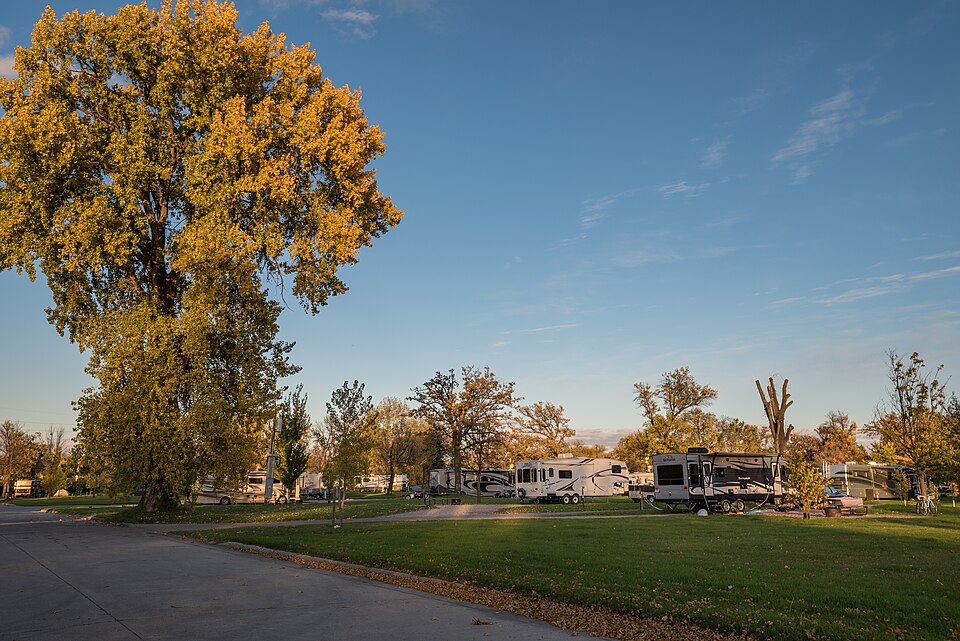
RVing is another popular way to see the region, with several well-equipped parks located surprisingly close to the French Quarter. However, an RV requires more planning regarding hookups and driving through narrow city streets. Glamping offers a more "turnkey" experience than an RV, as everything from the kitchenette to the bathroom is ready upon arrival. For those flying into MSY, glamping is often more cost-effective than renting an RV, as it provides both your accommodation and a unique experience in one package.
Best Seasons for an Outdoor Stay
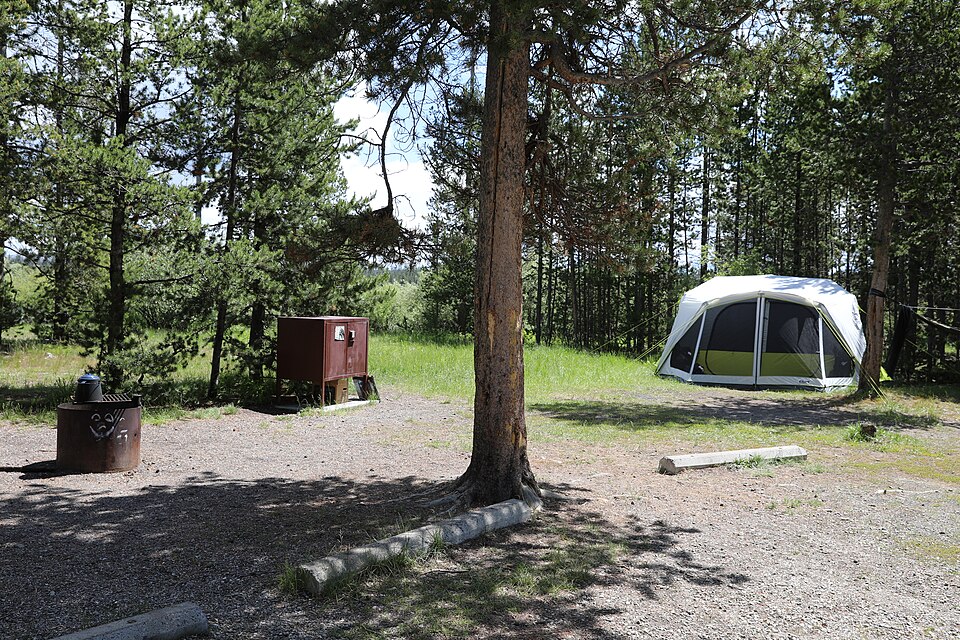
The timing of your glamping trip is crucial for the best experience. The absolute peak months are October, November, and March through May. During these windows, the humidity is manageable, and the evening temperatures are perfect for sitting outside. You can enjoy the natural symphony of the wetlands without the intense heat of the mid-summer sun. Spring visitors will be treated to the sight of blooming wildflowers and active wildlife, while fall guests can enjoy the crisp, clear skies and vibrant sunsets over the water.
If you choose to glamp in the summer, ensure your chosen site has robust air conditioning. The Louisiana sun can be intense, and the humidity can make the outdoors feel quite heavy. Winter glamping is also an option, as temperatures rarely stay below freezing for long. Many glamping sites provide heaters or fire pits, making a chilly January night quite cozy. However, always check for seasonal availability, as some sites near the coast may have specific policies during the height of hurricane season in late summer and early fall.
Preparing for Your Louisiana Glamping Trip
Even when glamping, you are still in a semi-wild environment. It is essential to pack appropriately. Insect repellent is a must-have in Louisiana, as mosquitoes are a year-round presence near the water. You should also bring sturdy, water-resistant footwear if you plan to explore the trails around your site. While your glamping unit will likely have most amenities, bringing a good pair of binoculars for birdwatching or a portable power bank for your devices is always recommended. Always check the specific amenities listed by your host to see if you need to bring your own charcoal for the grill or specific kitchen supplies.
Reservations for glamping sites near New Orleans should be made well in advance, especially for weekends or during major festival seasons. These unique properties are often in high demand and have limited units compared to large hotels. Before you head out, check the official National Park Service or Louisiana State Parks websites for the latest on trail conditions or water levels in the areas you plan to visit. With a little preparation, glamping offers a memorable and comfortable way to connect with the soul of the South.