
Choosing the best time to visit Narragansett depends largely on whether you are looking for high-energy surf culture or quiet walks along the rocky Atlantic shoreline. As a premier New England coastal destination, this town transforms with the seasons, shifting from a bustling summer retreat to a contemplative winter escape. While the warm months offer the quintessential beach experience, the shoulder seasons provide a unique perspective on the rugged beauty of Southern Rhode Island without the heavy crowds of July.
Summer: Peak Beach and Surf Season
Summer is undeniably the most popular time to explore Narragansett, characterized by warm, humid days and refreshing sea breezes. From late June through August, the town is alive with activity as visitors flock to the legendary Town Beach. Water temperatures finally become comfortable for swimming and long sessions on a longboard, typically peaking in the low 70s by August. During this period, the sunlight lingers late into the evening, providing ample time for sunset strolls by The Towers.
However, summer visitors should be prepared for significant crowds and higher demand for parking near the waterfront. Accommodations often fill up months in advance, so early planning is essential. If you enjoy a vibrant atmosphere, outdoor concerts, and the full range of seasonal seafood shacks, summer is your ideal window. Be mindful that weekend traffic along Route 1 and Route 1A can be heavy, particularly on Friday afternoons and Sunday evenings as travelers move between Providence and the coast.

Fall: Crisp Air and Hurricane Swells
Many locals argue that the fall is actually the best time to visit Narragansett. Once Labor Day passes, the intense summer crowds thin out significantly, yet the ocean water remains relatively warm well into September. For surfers, autumn is prime time, as hurricane season in the Atlantic often sends consistent, powerful swells toward the Narragansett breaks. The air takes on a crisp, clean quality, and the humidity of summer evaporates, making it the perfect season for hiking the trails at Black Point or biking down to Point Judith.
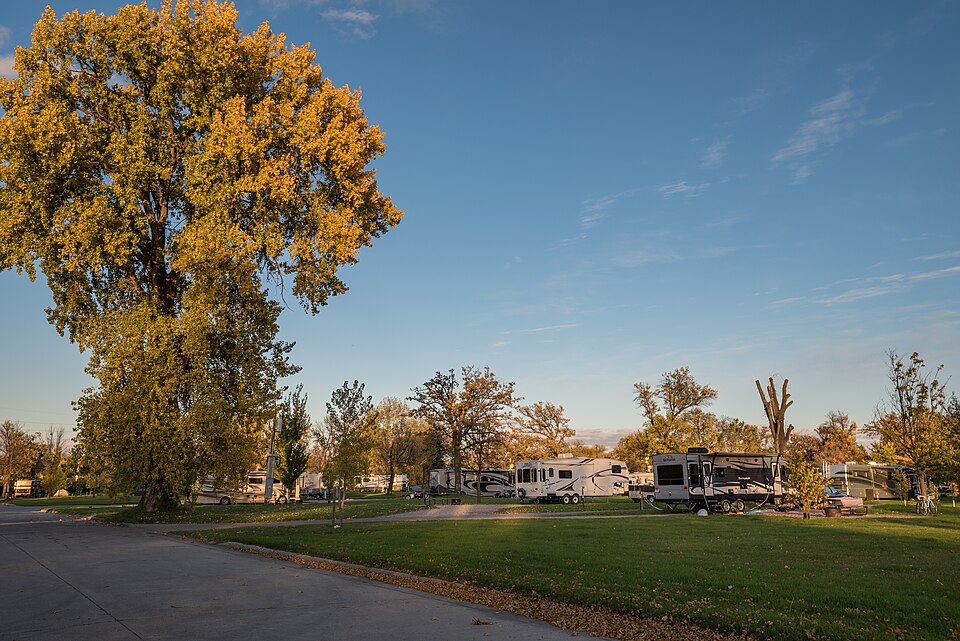
By October, the foliage in Southern Rhode Island begins to turn, offering a beautiful backdrop of oranges and reds against the deep blue of the Atlantic. While some seasonal eateries may begin to shorten their hours or close for the winter, many establishments remain open to serve the local community. It is a peaceful time for photography at the Point Judith Lighthouse, as you can often enjoy the view without jockeying for a spot among dozens of other tourists.
Winter: A Quiet Coastal Retreat
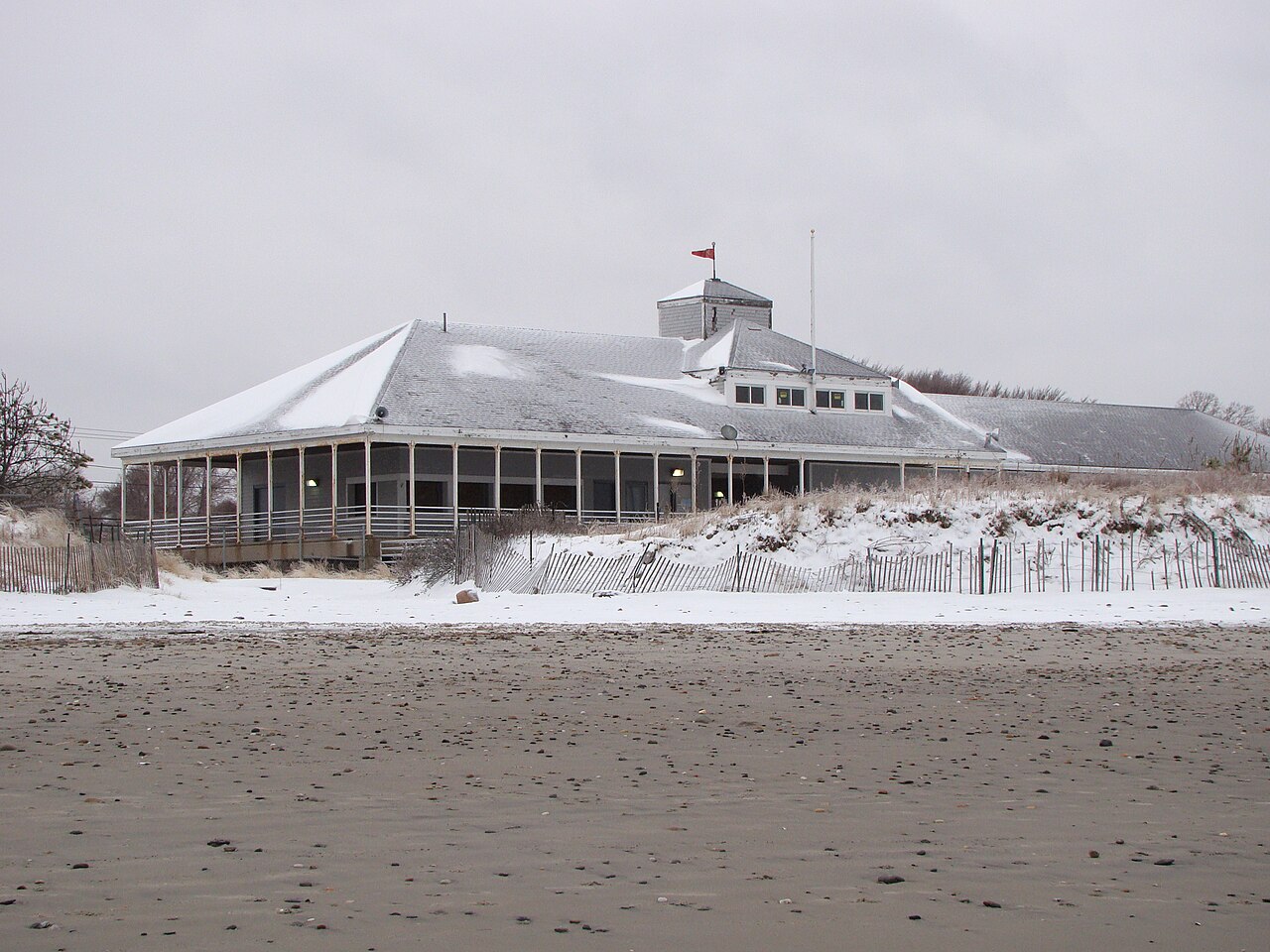
Winter in Narragansett is a season of raw beauty and solitude. The town takes on a much slower pace, and the landscape is dominated by the sound of crashing waves against the frozen shoreline. While temperatures frequently drop below freezing and snow is common, the coastal location often means slightly milder conditions than inland Rhode Island. This is the season for the dedicated; cold-water surfers in thick wetsuits still brave the breaks at Narragansett Beach, providing a dramatic sight for those watching from the seawall.
Visiting in winter means you will have the historic sites and scenic overlooks largely to yourself. It is a fantastic time for birdwatching, as various migratory waterfowl inhabit the local salt marshes and ponds. While the beach might be too cold for a picnic, the local indoor dining scene remains cozy and welcoming. If you are looking for a budget-friendly escape, winter offers the lowest rates for local inns and rentals, though you should check the official NPS or town websites to confirm which public facilities remain accessible during the off-season.
Lock in a stay for this season
Harvest Hosts stays on the way to Narragansett
Partner link · Harvest Hosts
Spring: The Coastal Awakening
Spring is a period of transition in Narragansett, starting with the brisk winds of March and ending with the blooming gardens of May. In the early spring, the weather can be unpredictable, oscillating between chilly rain and surprisingly warm afternoons. As the season progresses, the coastal flora begins to wake up, and the marshes turn a vibrant green. This is an excellent time for nature lovers to visit the nearby John H. Chafee National Wildlife Refuge to witness the return of migratory birds.
By late May, the town starts to gear up for the summer rush. Boats are returned to the water at the marinas near Point Judith, and the first seasonal businesses begin to open their doors. Spring offers a great balance for travelers who want to enjoy outdoor activities like hiking and cycling without the summer heat. While the water is still far too cold for most swimmers, the beaches are open for long, peaceful walks. It is a time of renewal and anticipation before the high season officially begins.

Reservations and Timing Your Trip
To make the most of your Narragansett trip, timing is everything. If you are aiming for a summer visit, start looking for lodging and making dining reservations at least three to four months in advance. Many of the most popular beachfront rentals are booked a year ahead. For those seeking a quieter experience, midweek visits during the fall or spring can offer a much more relaxed pace and better availability at local boutique hotels and bed and breakfasts.
Always consult the official town and state park websites for the most current information on beach parking permits and seasonal fees. In the summer, parking lots at the major beaches can fill up by mid-morning on sunny days. If you are flying into Westerly State Airport, the short drive to Narragansett is straightforward, but arriving early in the day is always recommended to beat the local traffic. Regardless of when you choose to visit, the iconic stone Towers stand as a permanent welcome to this historic stretch of the Rhode Island coastline.
More ways to book Narragansett
 Illustrative · LaesaMajestas
The Towers Historic Walk
One of the classic ways to experience Narragansett.
Varies (estimate)
Partner link · Viator